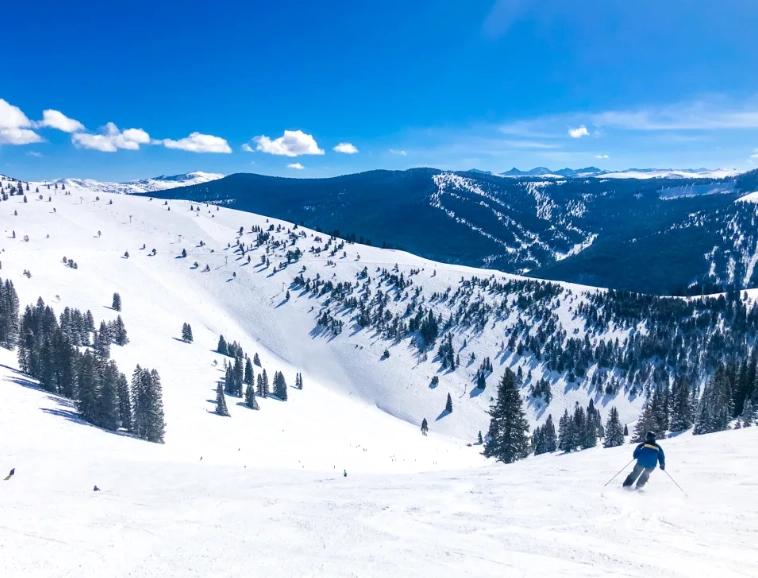
Your Mountain Season Blueprint
Let's be real for a second. The dream of spending a winter in the mountains, surrounded by snow and fresh powder, can hit a major roadblock before you even submit an application: where are you going to live? Mountain towns are famous for their insane cost of living and housing shortages. A studio apartment in a place like Aspen or Vail can cost more than a mortgage payment back home. That's where the magic phrase comes in – ski resort jobs with housing.
It's the golden ticket. It transforms a far-fetched fantasy into a totally achievable plan. I remember my first season, scrolling through job listings and feeling my heart sink at the rental prices. Then I found that one posting that said "employee housing available." It changed everything.
This guide isn't just a list of jobs. It's the playbook I wish I'd had. We're going to dig into why housing is the make-or-break factor, what kinds of ski resort jobs with housing are actually out there, the not-so-glamorous reality of shared dorm life, how to actually get hired, and what you'll really earn. We'll cover the good, the bad, and the stuff nobody tells you until you're sharing a bathroom with five people.
Why Housing is the #1 Perk for Winter Resort Jobs
You can't talk about seasonal work in ski towns without confronting the housing crisis head-on. It's brutal out there. Local governments and resorts themselves are acutely aware of the problem. For example, the Colorado Ski Country USA association regularly discusses workforce housing as a critical industry issue. Resorts aren't offering housing out of sheer generosity; it's a business necessity. Without guaranteed housing, they simply can't staff their operations.
Think about it. A typical seasonal worker might make $18-$22 an hour. If a tiny apartment costs $2,500 a month (and that's if you can even find one), your entire paycheck vanishes. Employee housing solves that. It's usually deducted right from your paycheck, but at a vastly reduced rate. You're trading absolute privacy and space for affordability, convenience, and instant community.
That convenience is no small thing.
Your housing is often on-mountain or just a short shuttle ride away. No scraping ice off your car at 5 AM for a lift opening shift. No worrying about driving home in a blizzard after closing down the bar. For many people, especially those coming from afar, this logistical simplicity is worth its weight in gold. It lowers the barrier to entry so much. You can literally show up with a suitcase and a ski bag, and you're set for the season.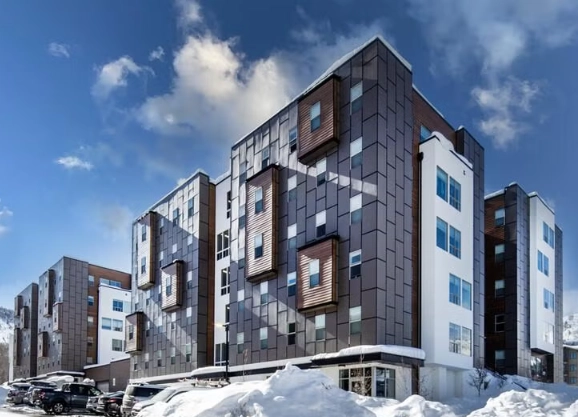
Types of Ski Resort Jobs That Commonly Offer Housing
Not every position comes with a housing guarantee. It's often tied to operational necessity and, frankly, how hard the job is to fill. The more critical you are to daily mountain operations, the better your chances. Here’s a breakdown.
Front-Line Operations (The Most Likely to Have Housing)
These are the backbone jobs. If these people don't show up, the resort doesn't open.
- Lift Operators: The classic entry point. It's outdoor work in all weather, but you get a free pass and are first in line for fresh tracks. Resorts need these folks, so housing is common.
- Ski and Snowboard Instructors: Especially if you have certifications (PSIA/AASI). Big ski schools hire hundreds. Housing helps them attract and retain a stable instructor pool for the whole season.
- Mountain Safety/Ski Patrol: Highly trained, essential for everyone's safety. Almost always provided housing due to their critical role and early/late hours.
- Snowmaking Crew: This is the night owl, tough-as-nails job. They work long, cold nights when the temperatures drop. It's demanding, so housing is a standard incentive.
- Grooming Operators: Similar to snowmaking, these are skilled overnight roles that keep the mountain in perfect shape. High demand, high housing priority.
Food & Beverage and Hospitality
Big resorts are like small cities, and they need to feed and house their guests.
- Ski-in/Ski-out Restaurant Staff: Servers, bartenders, cooks, and dishwashers for on-mountain lodges. These are hard to fill with locals alone, so housing is often part of the deal.
- Hotel/Hospitality Staff: Housekeepers, front desk agents, and resort concierge for the resort-owned hotels. High turnover and essential service make housing a common perk.
I worked as a dishwasher one season just to get the housing and the pass. It wasn't glamorous, but it got me on the mountain every single day. Sometimes you have to be pragmatic about which ski resort jobs with housing you target first.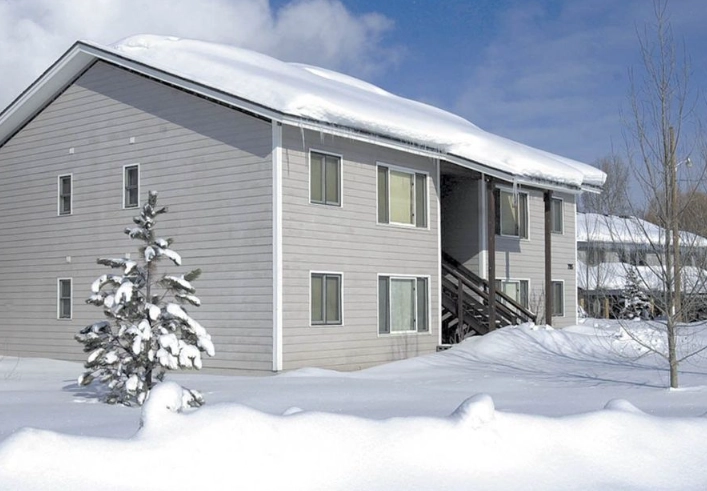
Retail and Rental Services
Less guaranteed than operations, but still a possibility, especially at larger corporate resorts.
- Rental Technicians: Fitting boots and tuning skis. It's a steady, indoors-adjacent job that sees huge volume during peak periods.
- Ski Shop Retail Associates: Selling gear and apparel. Housing might be offered to ensure they have enough staff for the holiday rushes.
The Housing Priority Ladder (A Realistic Look)
Resorts have an internal hierarchy, even if they don't advertise it. Your housing application is often reviewed alongside your job application. Here’s how it typically shakes out:
- Top Tier (Almost Always Housed): Full-season commitments in critical ops (Patrol, Snowmaking, Grooming, Senior Instructors).
- Middle Tier (High Probability): Full-season Lift Ops, Food & Bev supervisors, certified instructors.
- Lower Tier (Case-by-Case): Part-time roles, late-season hires, retail/rental positions. These often get housing only if space remains.
The earlier you apply for a full-season role, the higher you climb on this invisible ladder.
The Reality of Employee Housing: What to Really Expect
Okay, let's pull back the curtain. Employee housing is not a luxury condo. Managing expectations is crucial to avoid a major shock. Resorts like Vail Resorts or Alterra Mountain Company have entire sections on their career sites detailing their housing policies, which is a great place to start your research.
Most employee housing consists of shared apartments, condos, or dorm-style buildings. You'll likely have a roommate, sometimes two or three. Bathrooms are shared. The kitchens are communal and can be... an adventure in themselves. The furniture is basic, durable, and has seen a few seasons.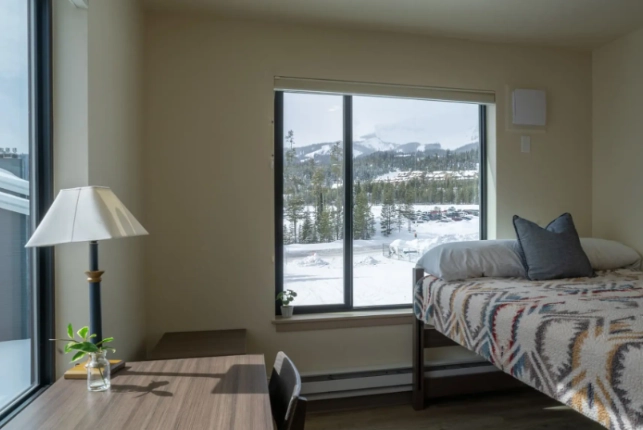
There are rules. Lots of them. Quiet hours, guest policies (often very restrictive), no pets, no smoking, regular room inspections. It can feel a bit like college dorm life, but with more ski gear lying around. The trade-off is the instant social circle. You're living with people who are there for the same reason you are. Some of my best friends to this day are people I lived with in a cramped, ski-boot-smelling apartment twenty years ago.
The cost.
It's not free. It's subsidized. You'll see a weekly or bi-weekly deduction from your paycheck. This can range from $50 to $150+ per week, depending on the room type (private vs. shared) and the resort's location. It's almost always significantly cheaper than the open market, but it's a line item you need to budget for.
How to Actually Find and Land These Jobs
Timing is everything. The hiring wave for winter roles starts in late August and hits its peak in September and October. Applying in November for a December start is very late in the game, and housing will likely be gone.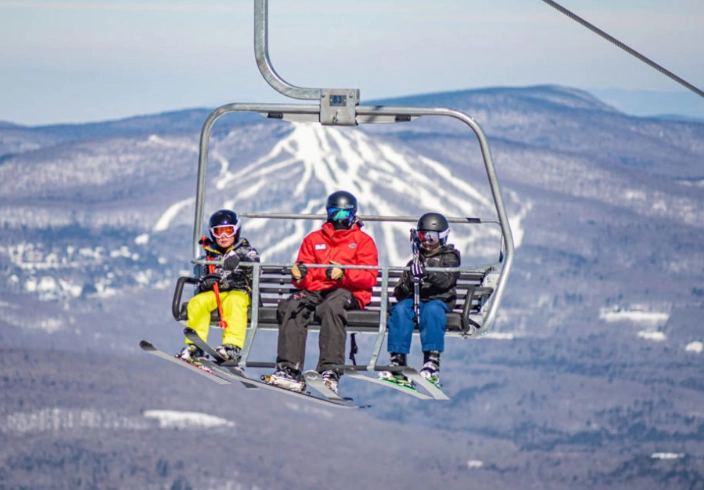
Where to Look
- Individual Resort Career Pages: This is the #1 spot. Go directly to the website of the resort you want to work at (e.g., Jackson Hole, Park City, Whistler Blackcomb) and find their "Careers" or "Jobs" section. Filter for "seasonal" positions.
- Parent Company Sites: Many resorts are under big umbrellas. Vail Resorts Careers and Alterra Mountain Company Careers are massive portals listing jobs across all their properties.
- Industry Job Boards: Sites like Coolworks are built specifically for seasonal work and are a fantastic resource.
- State/Regional Resources: For broader context on working in mountain regions, the US Forest Service site (many resorts are on National Forest land) and state tourism boards can provide useful background.
The Application & Interview Strategy
Your application needs to scream "reliable, enthusiastic, and in it for the season."
Highlight any customer service experience, even if it's not ski-related. Working in a coffee shop or retail store shows you can handle people. For outdoor roles, emphasize stamina, teamwork, and a positive attitude in tough conditions.
In the interview, be ready to answer:
- "Why do you want to work at THIS resort specifically?" (Do your homework!)
- "Can you commit to the entire season (Thanksgiving through mid-April)?"
- "This job involves early mornings and cold, wet conditions. Are you prepared for that?"
And you must ask: "Is employee housing available for this position, and if so, what is the process to secure it?" Get this clarified before you accept any offer.
| Job Type | Typical Pay Range (Hourly) | Housing Likelihood | Key Perks Beyond Housing |
|---|---|---|---|
| Lift Operator | $18 - $22 + overtime | Very High | Free season pass, first tracks access |
| Level 1 Ski Instructor | $20 - $25 + lessons tips | High (with certification) | Free pass, pro-deals on gear, skill development |
| Restaurant Server (On-Mtn) | $10 + tips (can be very high) | Moderate to High | Free meal per shift, pass discount |
| Mountain Safety | $22 - $28+ | Very High | Free pass, advanced training, major responsibility |
| Retail Associate | $18 - $21 | Moderate | Store discounts, more regular hours |
Making the Finances Work: A Seasonal Budget Snapshot
Let's talk money, because the dream needs a budget. The goal for most people isn't to get rich; it's to break even and ski a ton. Here’s a rough monthly picture for someone in a shared housing situation with a lift ops or entry-level instructor job making $20/hour, full-time (approx. 160 hrs/month).
- Gross Income: ~$3,200
- Housing Deduction: -$400 (approx. $100/week)
- Taxes & Deductions: -$700 (this varies widely by state/country)
- Net Take-Home: ~$2,100
Now, your expenses:
- Food/Groceries: $300 - $500 (Eating out in resort towns is pricey. Cook in the communal kitchen!)
- Cell Phone: $50 - $80
- Insurance: $100 (health, ski gear, etc.)
- Fun Money/Beer Fund: $200 - $300
- Gear/Incidentals: $150
If you're careful, you can cover your basics and have a little left over. You won't be saving for a down payment, but you might fund a spring road trip. The real currency is the experience and the vertical feet skied.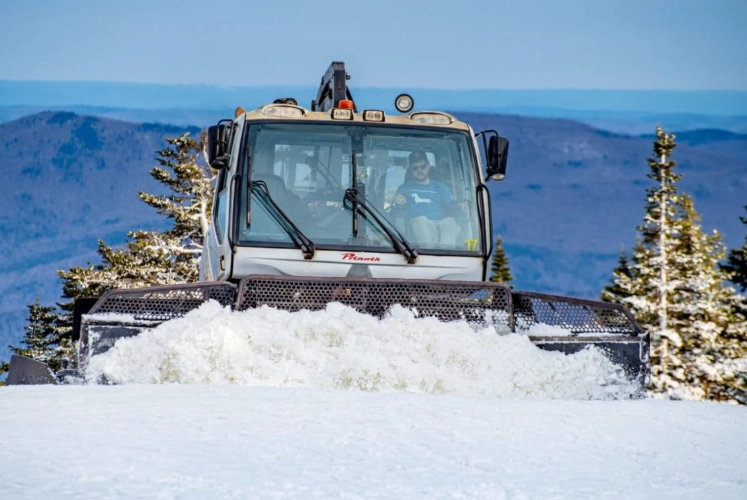
The Final Run: Is This Right For You?
Landing one of those coveted ski resort jobs with housing is a fantastic way to access a world that can otherwise feel exclusive and expensive. It's a trade. You exchange some privacy, space, and potentially higher pay for an immersive, convenient, and socially-rich mountain experience.
My biggest piece of advice? Go in with your eyes open. Know that the housing might be cramped. The job might be physically tough. The weather can be relentless. But also know that the feeling of riding a chairlift on a bluebird morning before the crowds arrive, or sharing stories with your housemates after a deep day, is something you'll carry with you forever.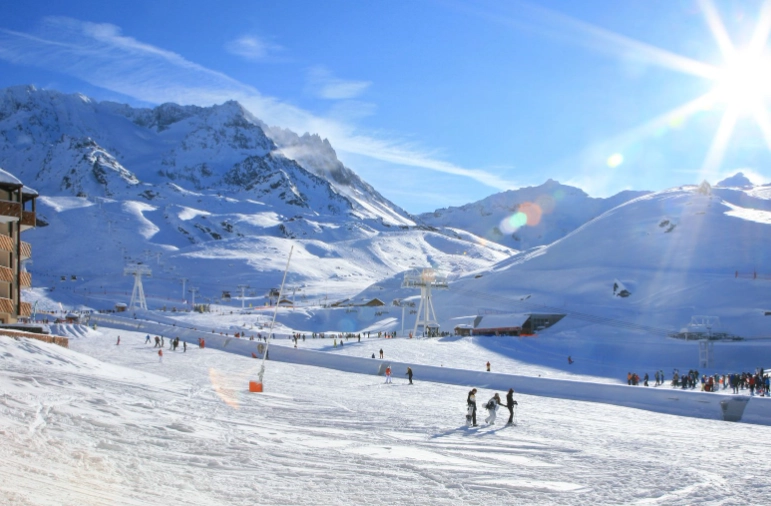
Start your search early, be proactive in your applications, and get clear on the housing details upfront. That dream winter is waiting, and it doesn't have to break the bank. It just requires a bit of hustle and the right job posting.
See you on the lift.