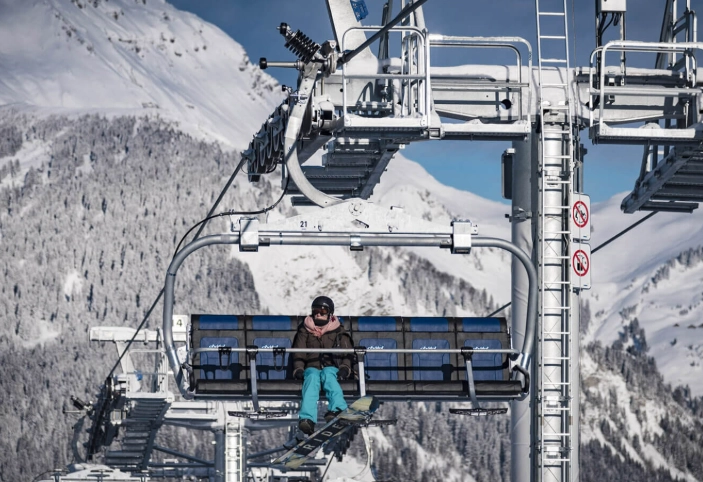
Let's be honest. The worst part of skiing isn't the cost, the crowds, or even the occasional fall. It's the bone-deep, toe-curling, finger-numbing cold that creeps in around 2 PM and ruins an otherwise perfect day. You've layered up, you're wearing good gear, but when the wind picks up and the temperature plummets, traditional insulation hits its limit. That's where heated ski gear changes the game. It's not a gimmick for the faint-hearted; it's a legitimate tool that extends your comfort zone, lets you ski longer, and frankly, makes brutal conditions enjoyable.
I remember a day in Jackson Hole where the mercury dipped to -20°F (-29°C) with wind. My buddy's fancy gloves were useless—he was in the lodge after two runs. My heated gloves, on the low setting, kept my hands toasty. I skied all day. That's the difference. This guide isn't just a product list. It's a deep dive from a skier who's relied on this tech for seasons, covering what works, what's overhyped, and the subtle mistakes most buyers make.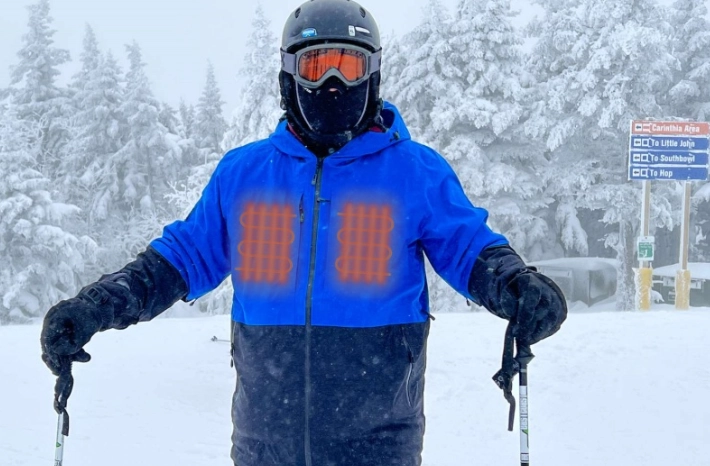
What's Inside This Guide
How Heated Ski Gear Actually Works (The Simple Truth)
Forget the complex jargon. The core principle is simple: thin, flexible heating wires or carbon fiber elements are woven into the fabric of a glove, sock, or jacket. These elements are connected to a rechargeable lithium-ion battery pack. You turn it on, usually with a button on the battery or a wireless remote, and choose a heat setting (low, medium, high). The battery sends power to the elements, which generate warmth.
The magic is in the execution. Cheap gear uses basic wires that can create hot spots. Quality gear uses advanced carbon fiber or micro-alloy wires that distribute heat evenly across the entire back of the hand or the sole of the foot. The best systems are partnered with top-tier waterproof membranes (think Gore-Tex) and premium insulation to create a synergistic effect—the heat warms the trapped air, and the insulation holds it in.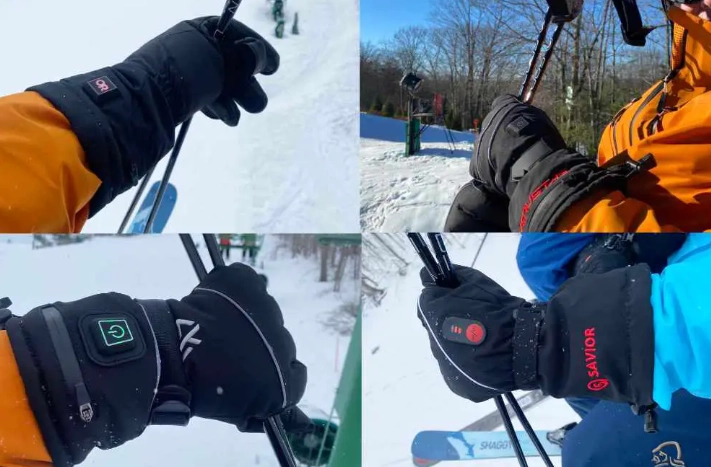
The Three Main Types of Heated Ski Gear
Not all heated gear is created equal. Your priority should be extremities first, core second.
1. Heated Ski Gloves & Mittens
This is the #1 purchase for most people. Cold hands are the most common complaint and the quickest way to end a day. Mittens are generally warmer than gloves as they allow fingers to share warmth, but heated gloves offer more dexterity. Look for heating elements that cover the entire back of the hand and fingers, not just the palm. The palm rarely gets as cold.
My go-to are gloves with a separate, removable liner that contains the heating elements. Why? When the liners wear out (and they will), you can often buy replacements without trashing the entire $250 glove. Brands like Hestra offer this system, and it's a long-term money saver.
2. Heated Ski Socks
A revelation for those with poor circulation or who just hate cold feet. The heating elements are typically in the sole and toe area. Critical point: fit is everything. A sock that's too tight will restrict blood flow and make the heater less effective. Too loose, and it won't make good contact. You must try them on with your ski boots. Some boots are so tight there's simply no room for a thick heated sock.
3. Heated Vests & Jackets
These are for the deep-freeze days or for people who get cold easily. A heated vest worn under your shell is incredibly efficient—it heats your core, which in turn helps keep blood warm as it flows to your extremities. Jackets have panels across the chest and back. They're fantastic but can feel bulky. The real pro move? A heated base layer top. It's thinner, integrates seamlessly, and is often more comfortable.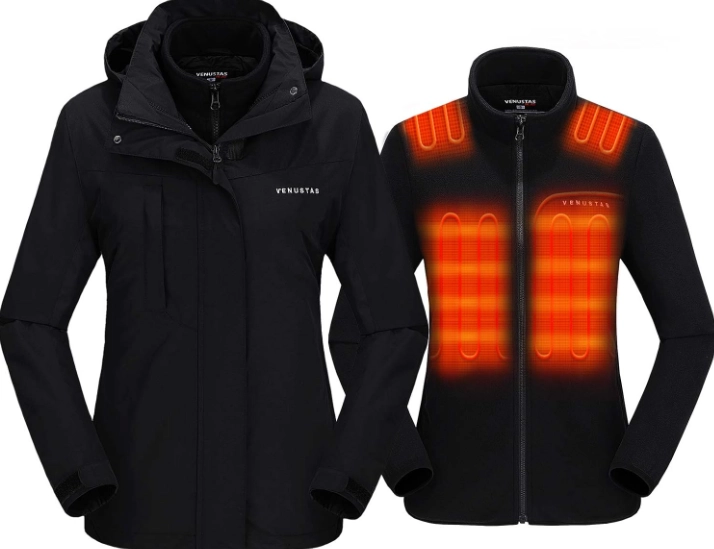
| Gear Type | Best For | Key Feature to Look For | Typical Price Range |
|---|---|---|---|
| Heated Gloves | Most skiers, dexterity needs | Removable heated liner, full-hand coverage | $180 - $300 |
| Heated Mittens | Extreme cold, worst circulation | Integrated heating, roomy fit for air pocket | $200 - $350 |
| Heated Socks | Chronic cold feet, ice climbers | Targeted sole/toe heat, precise size fit | $100 - $200 |
| Heated Vest | Core warmth without bulk | Multiple front/back zones, slim profile | $150 - $250 |
Buying Guide: Your Checklist Before You Spend
Walking into a shop or browsing online can be overwhelming. Use this list to cut through the marketing.
Battery Life & Power: Don't just look at the "up to" hours. Check the battery voltage (V) and capacity (mAh). A 7.4V 2200mAh battery is standard for gloves. More mAh usually means longer life, but also more weight. Ensure it has multiple heat settings. A simple on/off is wasteful.
Heat Zones & Distribution: How much of the item actually heats up? Gloves that only heat the palm are missing the point. Look for descriptions like "full-hand heating" or "carbon fiber mesh." For vests, 3-4 heating zones (chest, upper back) are ideal.
Waterproof & Breathability: This is non-negotiable. The heating is useless if the gear is soaked. It must have a sealed waterproof membrane (Gore-Tex, proprietary equivalents) and taped seams. Breathability prevents you from sweating out on the inside.
Build Quality & Warranty: Feel the seams. Are the wire connections bulky or smooth? Is the battery compartment secure? A 2-year warranty is a good sign the brand trusts its product. Read reviews specifically about durability.
Fit & Dexterity: Try it on with everything else you'll wear. Can you operate your ski pole strap? Can you grip a steering wheel on the drive up? For socks, this is the most critical test with your actual boot.
One brand I've had mixed results with is the budget Amazon options. They work... for a season. Then the wiring fails, or the waterproofing gives out. For gloves and socks, investing in a known outdoor brand (like Outdoor Research, Hestra, Hotronic for socks) pays off in years of reliable service.
Using & Maintaining Your Gear: Pro Tips
Buying it is half the battle. Using it right is the other half.
Break-In the Battery: New lithium-ion batteries sometimes need a few full charge/discharge cycles to reach peak capacity. Do this before your first big trip.
Charge Smart: Use the provided charger. Don't leave batteries plugged in for weeks on end. Store them at about 50% charge if you won't use them for months (like over the summer).
Start Low, Not High: When you get on the mountain, start on low or medium. Your body is warm from gearing up. As you get cold and tired in the afternoon, bump it up. Starting on high from run one just drains the battery when you don't need it.
The Layering Rule Still Applies: Your heated jacket is not a license to wear a t-shirt. A good moisture-wicking base layer is essential. If you sweat and that moisture freezes, the heater can't fix it. The heater complements proper layering; it doesn't replace it.
Storage: Never store your gear with the batteries installed. Remove them. Store the gear in a cool, dry place, not a damp basement or hot car trunk.
Your Burning Questions, Answered
 How long does the battery last on a single charge for heated gear?
So, is heated ski gear worth it? If you ski regularly in cold climates, have poor circulation, or just want to eliminate the misery of cold extremities, the answer is a resounding yes. Start with a pair of quality heated gloves. They'll pay for themselves in extra runs and the simple pleasure of having warm hands at the end of the day. It's not about being soft; it's about being smart and getting the most out of your time in the mountains. See you out there, warm and happy.