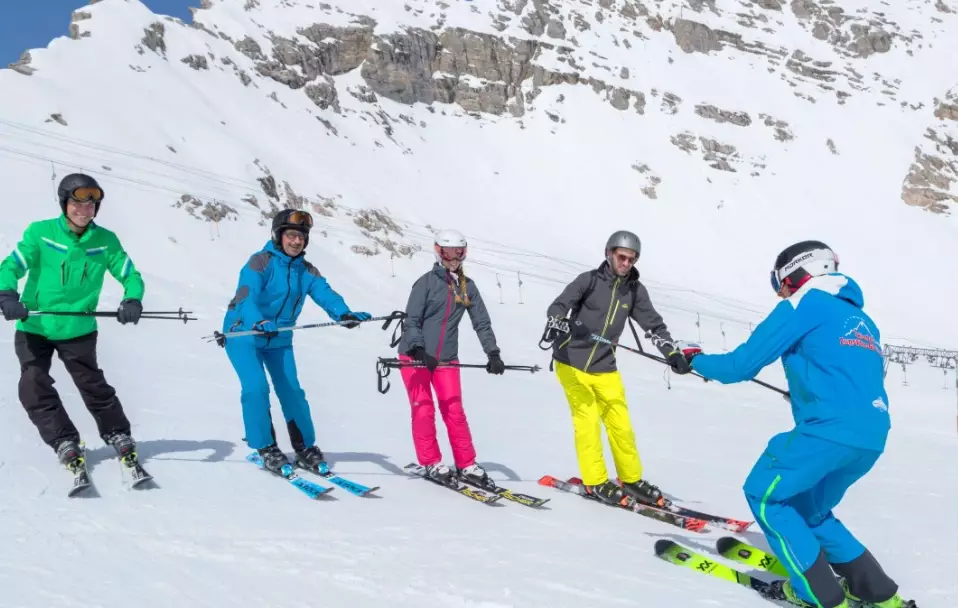
Let's clear something up right away. If you or someone you care about has a disability, the idea of skiing might seem distant, maybe even impossible. I get it. The standard image of skiing doesn't include wheelchairs or prosthetic limbs. But here's the truth the ski industry doesn't shout about enough: adaptive skiing is not only possible, it's thriving. It's a world of specialized gear, trained instructors, and modified techniques that turn "I can't" into "watch me." This isn't about inspiration porn; it's about practical access. This guide cuts through the fluff and gives you the concrete information you need to start planning.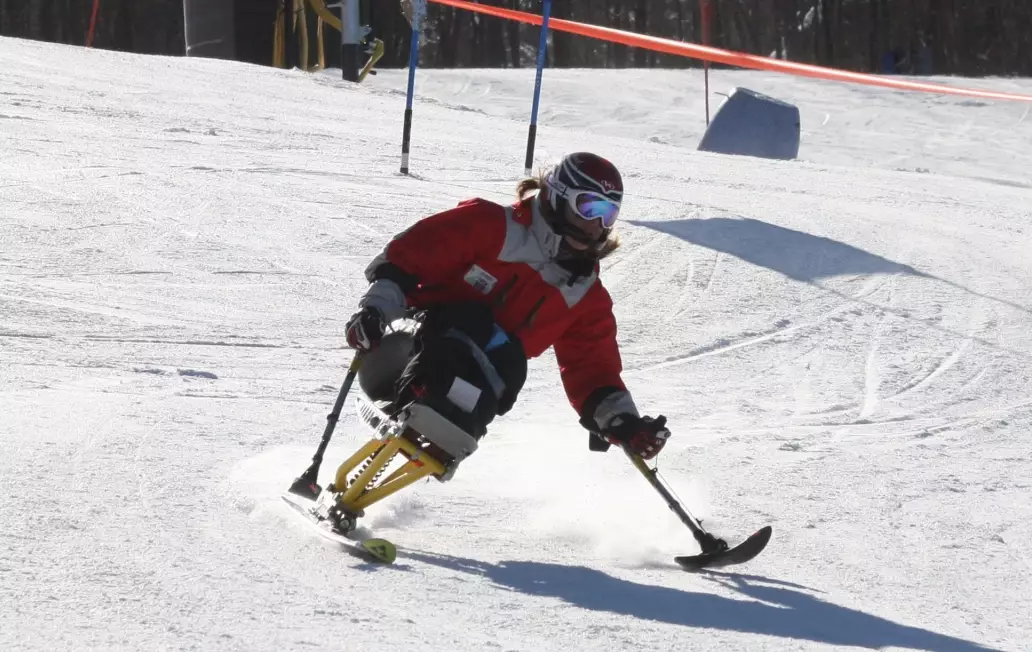
What You'll Find in This Guide
What Exactly is Adaptive Skiing?
Think of adaptive skiing as the umbrella term for skiing techniques and equipment modified for people with disabilities. It's not one single thing. It ranges from a visually impaired skier following a guide's voice commands, to an amputee using a outrigger (a modified crutch with a mini-ski on the end), to a person with a spinal cord injury carving turns in a sleek sit-ski (also called a mono-ski or bi-ski). The core principle is adaptation—changing the tool or the teaching method to fit the individual, not the other way around. Organizations like Disabled Sports USA and the Professional Ski Instructors of America (PSIA) have been instrumental in developing standardized teaching methods for adaptive skiing, which is why you can find quality instruction across the country now.
Who Can Actually Participate?
The range is vast. I've seen people with the following conditions not just participate, but excel:
- Physical Disabilities: Spinal cord injuries (paraplegia, quadriplegia), amputations, cerebral palsy, muscular dystrophy, spina bifida.
- Sensory Disabilities: Visual impairments, blindness, hearing loss.
- Cognitive/Developmental Disabilities: Autism, Down syndrome, traumatic brain injuries.
The real question isn't "Can I?", but "What do I need to make it work?" A good adaptive program starts with an assessment, not an assumption.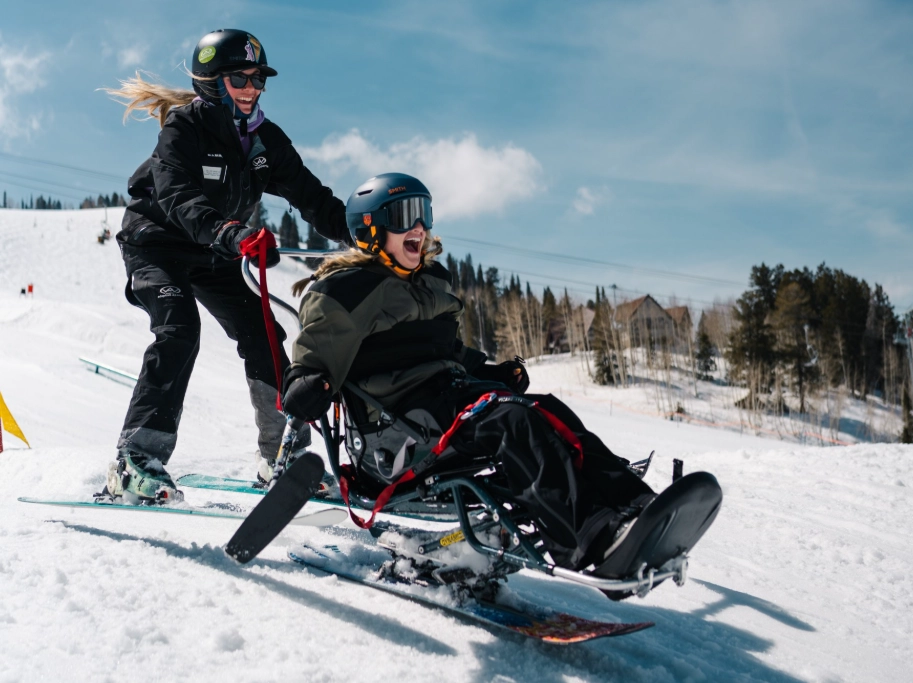
The Kit: Breaking Down Adaptive Skiing Equipment
This is where the magic happens. The gear is purpose-built and often looks intimidating, but it's brilliantly engineered. You typically rent this equipment from the adaptive school, so don't worry about buying anything upfront.
Sit-Skis (Sliders): For skiers who cannot stand. The skier sits in a molded bucket seat mounted on a shock absorber, which is fixed to a single ski (mono-ski) or two skis (bi-ski). They use handheld outriggers for balance and turning. Monoskis are for more independent, advanced sit-skiers, while bi-skis offer greater stability for beginners.
Stand-Up Equipment: For skiers who can stand but need balance support.
- Outriggers: These are the game-changer for many. Imagine a cross between a ski pole and a mini-crutches with a short ski tip on the bottom. They provide critical stability for amputees or those with leg weakness.
- Bisliders: A wide, stable platform with two skis fixed together, often used with outriggers for those who need maximum standing support.
- Boom Devices: A rigid frame attached to the front of the skis that the skier holds onto for balance. Great for building initial confidence.
Guide Equipment for Visually Impaired Skiing: This is about communication, not a physical device. The skier follows a sighted guide who skis ahead, giving clear verbal commands ("left turn," "slow," "bump"). Sometimes they use Bluetooth radios for clarity over wind noise.
Where to Go: Top Adaptive Ski Destinations
Not all resorts are created equal for adaptive skiing. You want a place with a dedicated, well-established program, not just a dusty sit-ski in a corner of the rental shop. Here are benchmarks based on program reputation, instructor certification, and equipment inventory.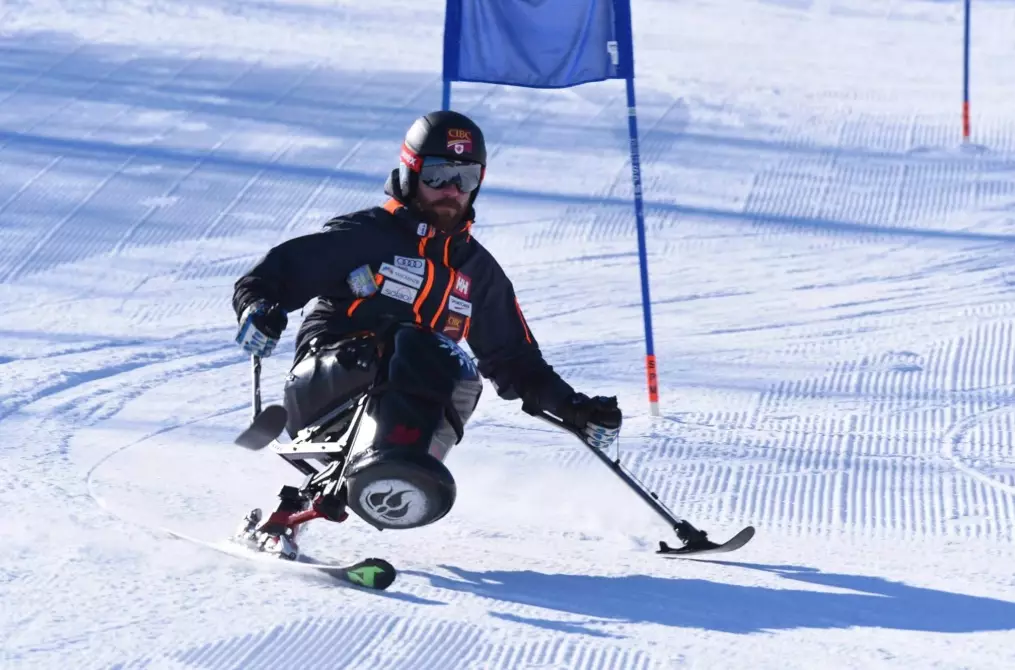
| Resort / Program | Location | Notable Adaptive Program | Key Notes |
|---|---|---|---|
| National Sports Center for the Disabled (NSCD) | Winter Park, Colorado | One of the largest and oldest in the world. | The gold standard. Huge inventory, expert staff, programs for all disabilities and ages. This is where many instructors get certified. |
| Park City Adaptive Sports | Park City, Utah | Comprehensive program at a major resort. | Excellent for families, with strong programs for both kids and adults. Great access to Park City Mountain's varied terrain. |
| Tahoe Adaptive Ski School | Northstar California, Lake Tahoe | PSIA-certified instruction in a stunning setting. | Fantastic for first-timers due to their patient, methodical teaching approach and excellent beginner terrain. |
| Breckenridge Outdoor Education Center (BOEC) | Breckenridge, Colorado | Focus on experiential education and empowerment. | More than just lessons; they focus on the transformative experience. Great for building long-term skills and confidence. |
| Mono-ski & Adaptive Program at Mammoth | Mammoth Mountain, California | Long season and expert sit-ski instruction. | A leader in mono-ski development and coaching. Ideal for sit-skiers looking to progress to advanced terrain. |
My personal bias? For a true first-timer, Winter Park with the NSCD is hard to beat. The sheer scale of their operation means they've seen it all and have the gear for it.
How to Get Started with Adaptive Skiing
This is the actionable part. Don't overcomplicate it.
Step 1: The Self-Assessment (Be Honest). What are your goals? "Feel the snow" is a valid goal. "Ski a blue run independently" is another. What's your disability and your current physical condition? Note any pain points, fatigue levels, or specific fears. This info is crucial for the instructor.
Step 2: Research and Contact a Program. Pick a destination from the table above or search for "adaptive skiing" plus your preferred region. Call them, don't just email. A conversation is better. Ask: Do you have lessons for my specific situation? What's the instructor-to-student ratio? What's the booking lead time?
Step 3: Book the Lesson, Not Just the Lift Ticket. Adaptive lessons are almost always all-inclusive: instructor, specialized equipment, and lift access. Book well in advance, especially for peak dates. A month ahead isn't too early.
Step 4: Prepare Logistically. Dress as you would for regular skiing (layers, waterproof gear). But think about extras: extra gloves (outriggers can wear them out), a hydration pack you can access easily, and any personal medical supplies. Communicate any transfer assistance needs when you book.
The Hidden Cost Most Beginners Miss
Here's the expert tip you won't see on most websites: the potential need for an assistant. For some skiers, particularly those in bi-skis who need stabilization or visually impaired skiers, a second person (a guide or assistant) might be recommended or required. Some programs provide this as part of a team lesson; others may charge an extra fee for the additional staff. Always ask: "Will I need an assistant, and is there an additional cost for that?" It can add $50-$150 to your day, and budgeting for it prevents a stressful surprise.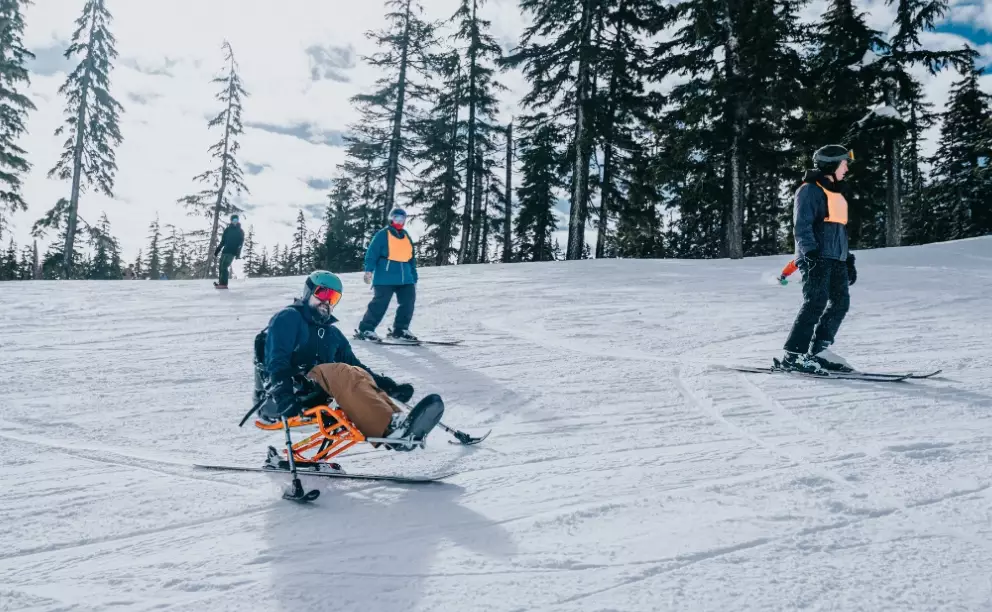
Your Adaptive Skiing Questions, Answered
I'm an above-knee amputee. Should I try stand-up skiing with a prosthetic or use a sit-ski?
Try stand-up first, with outriggers. Modern prosthetic knees and feet can handle skiing surprisingly well, and the outriggers provide the missing lateral stability. It often feels more "natural" than transitioning to a sit-ski. A sit-ski is a fantastic option if standing is too fatiguing or uncomfortable, but don't assume it's your only path. A good instructor will let you try both approaches to see what feels right.
My child has autism and is sensitive to noise and crowds. Is a ski resort even feasible?
It can be, with planning. Call the adaptive school and be very specific about your child's triggers. The best programs can schedule the first lesson for the very first slot in the morning on a weekday, avoiding crowds. They can use quieter meeting spots away from the main lodge chaos. Some instructors specialize in cognitive disabilities and use visual schedules or social stories to prepare the child. The key is upfront, detailed communication.
I have no upper body strength due to my spinal cord injury. Can I still use a mono-ski?
You can, but you'll likely start in a bi-ski. The bi-ski is more stable and requires less aggressive upper body movement to initiate turns. It's the training wheels. As you build specific strength and technique in your core and arms, a transition to a mono-ski might become possible. The sport is full of athletes with limited upper body function who use precise technique, not brute force, to ski aggressively. Don't let current strength be a permanent no; let it dictate your starting point.
Is it better to start with alpine (downhill) skiing or try cross-country (Nordic) adaptive skiing?
For most people seeking the classic ski experience, start with alpine. The equipment support is more robust, and the sensation of gravity doing the work is more immediately rewarding. Adaptive cross-country skiing is amazing for fitness and accessing quiet trails, but it requires more sustained, self-propelled effort. If your primary goal is fun, speed, and mountain views, go alpine first.
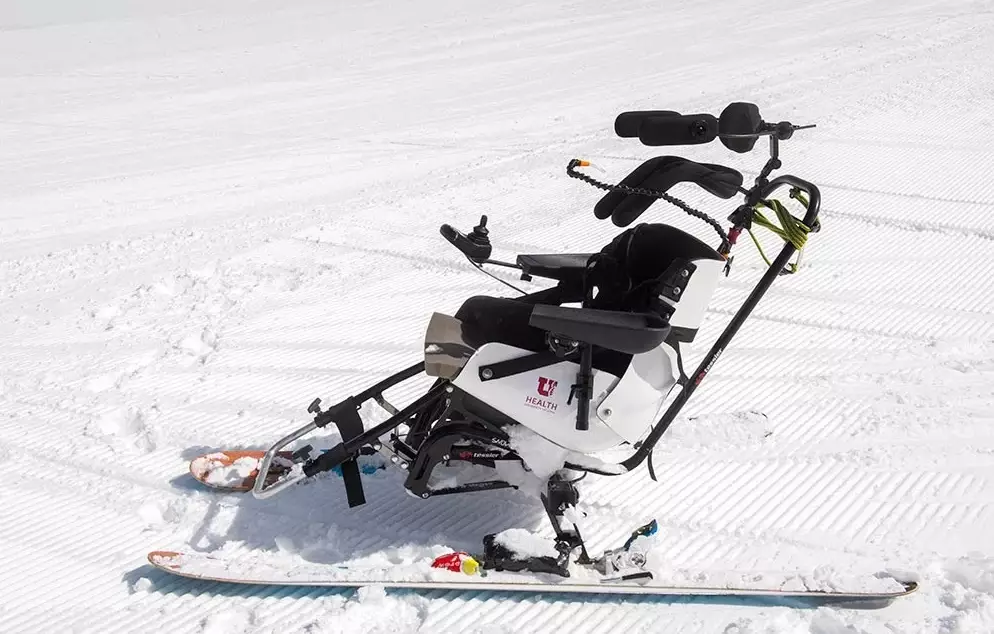 The first time I saw a skilled mono-skier carve a perfect arc down a steep run, it redefined my understanding of skiing. It wasn't about legs; it was about balance, courage, and a clever piece of equipment. That's the door adaptive skiing opens. It's not a lesser version of the sport. It's a parallel, equally valid, and deeply rewarding version with its own community and challenges. The information is here. The programs exist. The next move—the first call or email—is yours.