Quick Guide
So, you're thinking about turning your passion for carving turns into a paycheck, and the big question is staring you down: where do ski instructors make the most money? It's not just about the hourly rate on a piece of paper. Anyone who's spent a season in the mountains will tell you that. Your actual take-home pay is this messy, wonderful cocktail of base wage, mind-blowing tips, bonuses, free passes, and sometimes even a bed to sleep in. And then you've got to factor in the cost of living, which in the world's fanciest resorts can eat your salary faster than you can say "après-ski."
I've been around the block—or rather, around the mountain—a few times. I've taught in North America, chased the snow in Europe, and seen how the whole ecosystem works. The answer to where ski instructors make the most money isn't one single place. It's a combination of destination, clientele, your own credentials, and a bit of luck. Let's cut through the brochure talk and get into the real details.
The Short Answer: It's Not Just About Geography
If you held a gun to my head and demanded a one-word answer for the highest ski instructor salary, I'd probably say Switzerland. But that's only half the story, and maybe not even the most important half for you. A high number in Swiss Francs looks great until you're paying 25 CHF for a mediocre burger and your studio apartment costs a kidney per month.
The real high earners are the ones who master the system, not just the geography. They work in places where wealthy clients flock, they get the highest-level certifications (think Level 3 or equivalent internationally), they specialize in private lessons or high-performance coaching, and they often speak multiple languages. So when we ask "where do ski instructors make the most money," we're really asking about the entire ecosystem that allows for top earnings.
Think of it this way: a low-level instructor in a top-tier resort might make less in their pocket than a top-level instructor at a mid-sized, family-friendly hill, once you account for living costs and client spending habits.
That said, some places are just built for bigger paydays. Let's break them down.
The Top-Tier Money Makers: A Resort Breakdown
Here’s a look at the crème de la crème, the destinations consistently mentioned when veterans discuss where ski instructors earn the most. I've thrown in a table because it helps to see it all side-by-side, but remember, these numbers are estimates and ranges. A lot depends on the specific ski school.
| Destination / Region | Estimated Seasonal Earnings (USD)* | Key Money Factors | The Reality Check (Cost of Living & Vibe) |
|---|---|---|---|
| The Swiss Alps (e.g., St. Moritz, Zermatt, Verbier) | $40,000 - $70,000+ | Very high base pay, enormous tips from an international clientele, strong currency (CHF). | Extremely high cost of living. Housing is the #1 challenge and expense. Competitive, professional atmosphere. |
| USA - Luxury Resorts (Aspen, Vail, Deer Valley, Jackson Hole) | $30,000 - $65,000+ | Massive tipping culture, high lesson rates, lucrative private bookings, seasonal bonuses. | Very high cost of living, especially housing. Need to be a strong skier and often an PSIA/AASI Level 2 or 3. |
| Japan - Hokkaido (Niseko, Rusutsu) | $25,000 - $45,000+ | High demand from wealthy Australian and Asian tourists, good base pay plus tips, lower living costs than Europe/US hotspots. | Season is shorter. Cultural and language barrier can be significant. Housing can be tricky but more affordable. |
| Canada - Whistler Blackcomb | $28,000 - $50,000+ | Strong base pay from a large, established school (Whistler Blackcomb Ski School), good tips, epic season length. | Whistler village is expensive. Instructor housing can be limited. Competition for prime private clients is fierce. |
| France - High-End Resorts (Courchevel, Val d'Isère) | $25,000 - $45,000+ | Good base pay, busy with international clients, potential for private lessons. | Pay is in Euros, which may be less strong than CHF or USD. French certification (ENSA) is a long, tough path for foreigners. |
*Earnings are gross seasonal estimates for a certified, experienced instructor working a full season, including estimated tips. For a first-year Level 1, chop 30-50% off those numbers. Seriously.
The Swiss Alps: Where Legends (and Bank Accounts) Are Made
Let's talk about Switzerland. It's the gold standard. Why? The clients. You're not teaching someone's kids for a morning. You're guiding a Russian oligarch's family for the week, or coaching a German CEO who wants to conquer the off-piste. The tips reflect that. I heard stories of instructors in St. Moritz getting four-figure tips for a multi-day private engagement. It's not the norm for everyone, but the potential is there in a way it just isn't in most other places.
The base pay is also legally quite high, thanks to strong labor laws and collective agreements. The Swiss Snowsports Association sets good standards. But here's the brutal part: finding housing. Most schools will help, but you'll likely be in a shared chalet room an hour from the slopes, and it will still cost you over $1000 a month. Your food, your beer, your laundry—everything costs more. You can make a lot, but you can spend it just as fast if you're not careful.
The American Dream: Tipping Culture on Steroids
If Switzerland wins on base pay, the US might win on the sheer upside from gratuities. where do ski instructors make the most money in the US? Look to the iconic luxury resorts. Aspen and Deer Valley are the pinnacle. The lesson rates are astronomical, and clients who can afford a $1,500+ private lesson are often generous tippers. A 20% tip on that is $300, and that goes straight to the instructor.
The catch? You have to be incredibly good. These schools are filled with lifelong pros, former racers, and absolute gurus. Getting hired often requires top-level PSIA certification (Level 3) and an impeccable resume. And then you have to live in Aspen or Vail. Good luck with that on an instructor's salary without multiple roommates or a long commute. The vibe is highly professional, sometimes bordering on corporate.
Japan's Powder Paradise: The Rising Star
Niseko has exploded. It's become the winter destination for Australia and much of Asia. This creates a unique market. The demand for English-speaking instructors is huge. The powder is legendary, which makes the job incredibly fun. The pay, while not at Swiss levels, is very respectable, and the cost of living in Hokkaido, while rising, is still generally lower than in a European alpine town.
The season is shorter (December to March), which caps your total annual earnings unless you chase the southern hemisphere winter. And the cultural adjustment is real. But if you want a high income in an incredible snow environment with a relatively lower financial overhead, Japan is a fantastic answer to the question of where ski instructors make the most money for the lifestyle.
A friend taught in Niseko for three seasons. He said his biggest money-maker wasn't the daily lessons, but the multi-day "backcountry guiding" packages he put together for small groups of Aussie clients. He marketed himself, set his own rate, and the ski school took a smaller cut. That's the kind of entrepreneurial thinking that boosts income anywhere.
What Actually Determines Your Paycheck? (Beyond the Location)
Okay, so you've picked a potentially lucrative spot. Now what? Your actual income is dictated by a bunch of factors you can actually control.
The Big Four Income Drivers:
- Certification Level: This is non-negotiable. A Level 1 instructor gets the beginner classes and group lessons. A Level 3 (or international equivalent like BASI 4, CSIA 4) gets the advanced privates, the exam preparation courses, the coveted long-term clients. The pay difference can be double or more.
- Private Lessons vs. Group Lessons: This is where the money is. Group lessons pay an hourly wage. Private lessons often pay a lower base but you keep a large percentage of the lesson fee and, crucially, all the tips. One great private client for a week can out-earn a month of group classes.
- Language Skills: In international resorts, speaking German, French, Russian, or Mandarin is a massive advantage. It immediately puts you in a smaller, higher-paid pool of instructors who can cater to wealthy clients from those regions.
- Seniority & Relationships: It's a people business. The instructors who have been at a school for years get first dibs on the returning high-net-worth clients. Building your own clientele is the ultimate path to financial stability in this job.
Let's not forget the intangible: personality. Can you make a nervous eight-year-old laugh? Can you patiently explain the same concept for the tenth time to an adult? Can you make a billionaire feel like they're having a unique adventure, not just taking a lesson? That's what generates the big tips and the repeat business. The best technician isn't always the highest earner.
How to Actually Get a Job in These High-Paying Markets
Dreaming about Verbier is one thing. Getting a work visa and a contract there is another. Here's the unvarnished truth on how to break in.
For the US & Canada: Visa sponsorship is the Everest of challenges. Most major US resorts will only sponsor J-1 visas for international instructors, which are often tied to specific exchange programs and may have time/earnings limits. For Americans, it's about certification and audition. Get your PSIA/AASI Level 2 at a minimum, apply early (spring/summer for the next winter), and be prepared to demonstrate flawless skiing and teaching in an on-snow audition.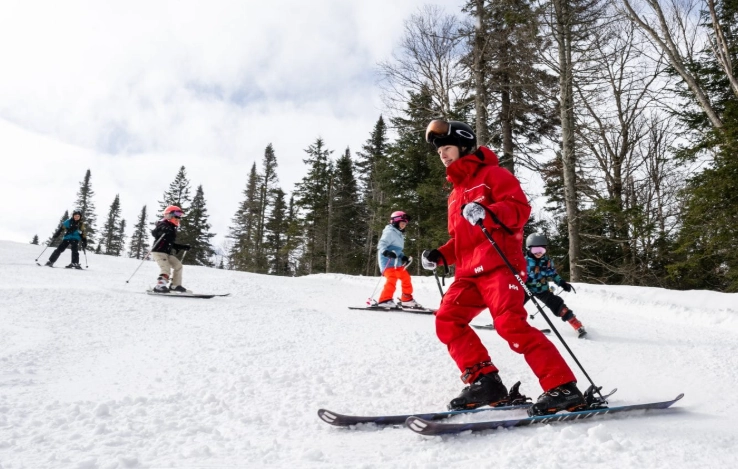
For Switzerland & the EU: If you're not an EU/Swiss citizen, it's brutally difficult. Work permits for non-EU instructors are extremely limited and reserved for the most highly qualified (think national team coaches, examiners). Your best bet is often through a connection, or by starting in a country where you can get a working holiday visa (like New Zealand or Japan) and building your reputation there first.
For Japan: This is one of the more accessible markets. Many schools in Niseko and Hakuba actively recruit native English speakers. They often assist with visas (like the Specified Skilled Worker or Working Holiday visa) and provide housing. Having a Level 2 certification from a recognized body (PSIA, BASI, CSIA, etc.) is a huge advantage.
My advice? Don't aim for the very top in your first year.
Get your Level 2 certification at a smaller, supportive mountain. Build your teaching hours and confidence. Then, with that experience and cert in hand, you're a much more attractive candidate for the big leagues. I made the mistake of trying to jump straight into a mega-resort with only a Level 1. I spent the whole season getting the least desirable assignments and barely broke even.
Common Questions (The Stuff You're Really Wondering)
Is it worth it to chase the highest ski instructor salary?
It depends on your goal. If you want to save money, a lower-profile resort with cheap or provided staff housing and a lower cost of living might leave you with more in the bank at season's end than a top resort where you're scraping by. If you want career advancement, networking, and the prestige on your resume, the top resorts are invaluable. If you just want to ski powder and have fun, the answer is completely different.
Can you make a lifelong career out of this?
Yes, but few do in a pure teaching role. The physical toll is real. The smart ones transition. They become examiners, ski school directors, start their own guiding or coaching businesses, or move into the marketing/sales side of the ski industry. The teaching experience is the foundational credential for all of those paths.
What's the #1 mistake aspiring high-earning instructors make?
Focusing only on their skiing. Your skiing needs to be excellent, sure. But schools hire teachers. They want to see you break down a concept, communicate clearly, and manage a group. In the audition, they're watching your teaching more than your perfect parallel turn. I've seen phenomenal skiers get passed over because they couldn't explain how to make a simple wedge turn.
The Bottom Line
So, where do ski instructors make the most money? In the resorts where extreme wealth meets extreme skiing, like the Swiss Alps and American luxury destinations. But the "most money" is a mirage if you don't account for the cost of living and the intense competition for the best clients.
The real secret isn't just picking the right spot on a map. It's about investing in yourself—getting those higher certifications, learning a second (or third) language, developing a teaching style that clients adore, and understanding that this is a sales and hospitality job as much as it is a skiing job. The instructors I know who consistently earn top dollar treat it like a profession, not just a seasonal gig. They network, they market themselves, and they deliver an experience that's worth a premium.
Start where you can, build your skills, and then aim for the peaks. The money can be good, even great. But the real wealth, in my opinion, comes from spending your days in the mountains doing something you genuinely love. Just try to get paid fairly for it while you're at it.
For accurate, up-to-date information on certification pathways and industry standards, it's always best to go straight to the source. Check the official sites for PSIA-AASI in the U.S., Swiss Snowsports, or Snowsport England (which oversees BASI) to begin your research.