Quick Guide to Sections
Let's talk about the Poma button lift. You've seen them at the base of countless beginner hills and gentle slopes. That line of skiers and snowboarders, each grabbing a passing disc attached to a cable, getting tugged up the mountain. For a first-timer, it can look a bit like a conveyor belt for people. Intimidating? Maybe a little. But honestly, once you get the hang of it, it's one of the most straightforward ways to get uphill.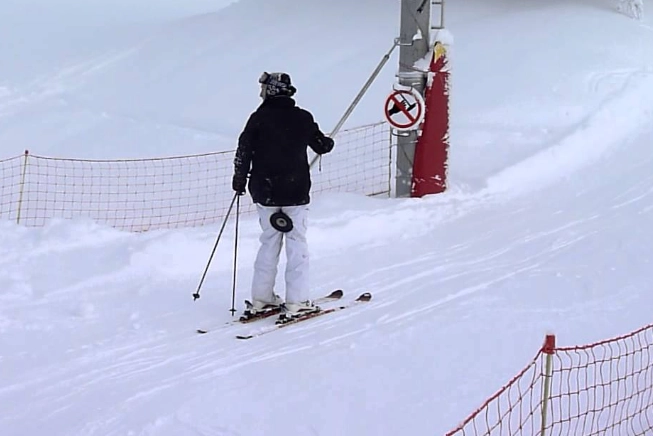
I remember my first encounter with one. I watched for a full five minutes, trying to decode the rhythm. When do I grab it? How hard do I pull? What if I fall? (Spoiler: I did, and it was fine). This guide is here to skip that awkward staring phase. We're going to break down everything about the Poma button lift—how it works, how to ride it without face-planting, and even the behind-the-scenes stuff like maintenance and why resorts still love them.
What Exactly Is a Poma Button Lift?
At its core, a Poma button lift is a type of surface lift, often called a platter lift or drag lift. The name "Poma" is actually from a major manufacturer, Poma (part of the Compagnie des Alpes group), but it's become a generic term, much like "Kleenex" for tissues. The key part is the "button"—that round disc or platter that you tuck between your legs or pull behind you.
A steel cable runs in a loop between a drive terminal at the top and a return terminal at the bottom. The buttons are spaced at regular intervals on this cable. As the electric motor drives the cable, the buttons move along, pulling you with them while your skis or board stay on the snow. It's simple, energy-efficient, and perfect for shorter, less steep terrain.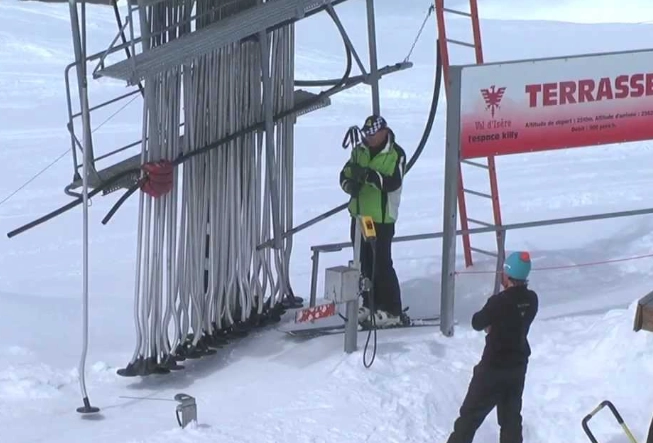
| Lift Type | How It Works | Best For | Skill Level | Typical Speed |
|---|---|---|---|---|
| Poma Button Lift | Standing drag lift with a disc/platter | Beginner slopes, short runs, connector paths | Beginner to Intermediate | Slow to Moderate |
| T-Bar Lift | Standing drag lift with a T-shaped bar (two riders) | Steeper beginner & intermediate slopes | Intermediate | Moderate |
| Chairlift | Seated lift with chairs for 2-8 people | All mountain access, long verticals | All Levels | Moderate to Fast |
| Gondola | Enclosed cabin lift | Long distances, weather protection, non-skiers | All Levels | Moderate |
That table shows where the Poma fits in the lift hierarchy. It's not for blasting up the whole mountain. It's a workhorse for specific areas. Some ski purists turn their nose up at them, but I think that's silly. They serve a crucial purpose.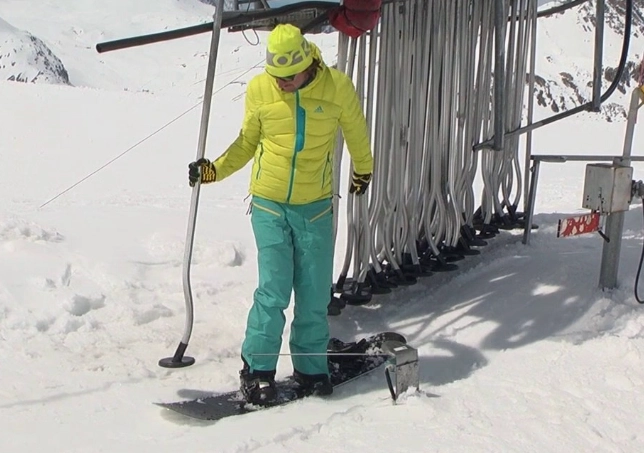
How to Ride a Poma Button Lift: A Step-by-Step Survival Guide
This is the part everyone actually wants. Forget the engineering; how do you not embarrass yourself?
Before You Get In Line
Look at the lift line. See where people are grabbing the button? That's your target zone, usually marked on the snow or with a sign. Have your ski poles in one hand (or stowed if you're a boarder). Loosen up. Tension is your enemy here.
The Grab and Go
As the button approaches, don't lunge for it. That throws you off balance. Let it come to you. Reach back smoothly and guide the platter behind you. For skiers: place the disc between your legs, letting the pole rest against the back of your thigh. For snowboarders (regular stance): you'll typically hold the pole with your front hand and place the disc behind your front leg. Some resorts have specific instructions—a quick glance at the signage helps.
The initial tug is the trickiest part. The cable will pull you forward. Don't fight it by leaning back. Just let it pull you into a standing position. Stand up straight, skis parallel and facing forward, weight evenly distributed. Look up the hill, not down at your skis.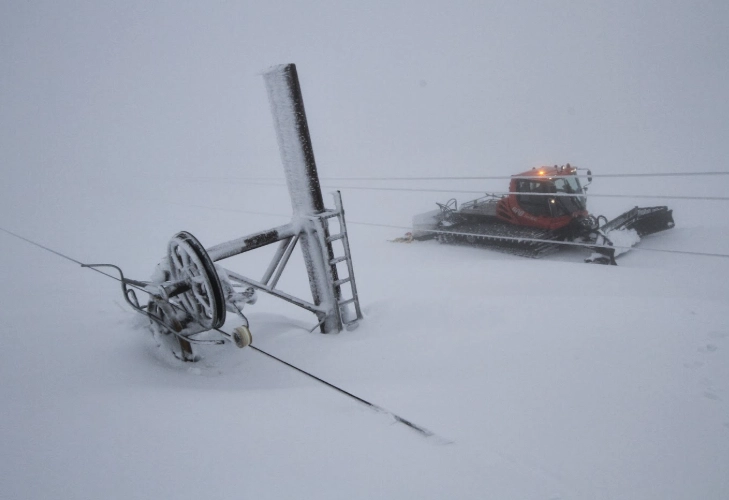
The Ride Up
Relax. Seriously. The Poma button lift is doing the work. You're just standing there. Keep your tips up slightly to avoid catching them in the snow. If you feel off-balance, make small adjustments. Don't make huge, jerky movements.
The Exit: Stick the Landing
Watch for the off-ramp. As you approach the top, the slope will flatten. The cable will guide you to the release point. This is critical: as you feel the pull lessen, simply let go of the button. Push it away from you gently. Don't throw it. Then ski or snowboard away from the exit lane promptly to avoid causing a pile-up for the person behind you.
Pro Tip: If you fall, let go of the button immediately. The lift operator will stop the lift. Don't try to hang on and get dragged. Just crawl out of the track and wait for help. Everyone falls sometimes; the liftees have seen it all.
Beyond the Ride: Why Resorts Rely on Poma Lifts
It's easy to think of button lifts as old tech, but there's a reason they're everywhere. I chatted with a mountain operations manager once, and his perspective was eye-opening.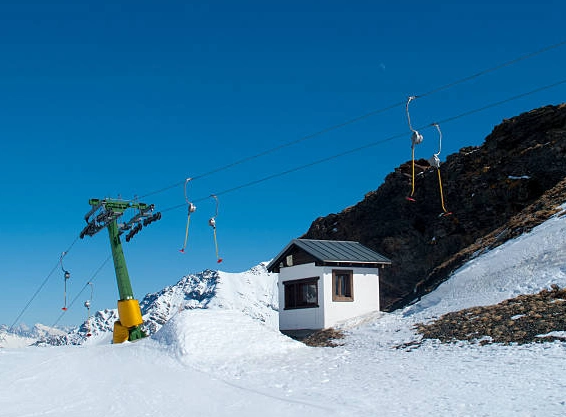
Cost and Efficiency: Installing a Poma button lift is significantly cheaper than a chairlift or gondola. The infrastructure is simpler—no massive towers, no heavy chairs or cabins. The energy consumption is lower, too. For a low-angle beginner area, it's the most economical way to move people uphill.
Beginner Terrain Access: This is the big one. A chairlift can be terrifying for a first-day skier. The loading, the height, the dismount. A Poma lets beginners practice on a gentle slope, fall without much consequence, and build confidence close to the base lodge. It's a gentle introduction to lift-served skiing.
Low Wind Impact: On super windy days, chairlifts go on wind hold. A surface lift like a Poma, being close to the ground, can often keep running. It's a lifeline for keeping some terrain open in bad weather.
Connector Paths: Ever need to get from one side of a resort to another over a flat ridge? A short Poma button lift is often the perfect solution, saving you a long, frustrating skate or walk.
Maintenance and Operations: Keeping the Buttons Turning
This is a side most skiers never see. I took a tour of a maintenance shed once, and the amount of care that goes into these "simple" machines is impressive.
Daily checks involve inspecting the cable for wear, checking the grip mechanisms on the buttons, testing the emergency brakes and motor functions, and lubricating moving parts. The drive terminal—the big motor house at the top—gets a lot of attention. The cable tension has to be perfect. Too loose, and it sags and drags; too tight, and it puts excessive strain on the system.
The buttons themselves are tougher than they look. They're designed to detach or swing away if they hit an obstacle (like a fallen skier), which is a key safety feature. But they still get battered. Regular replacement of wear parts like the grip jaws and plastic components is part of the routine.
According to guidelines from associations like the National Ski Patrol and broader industry standards, rigorous daily, weekly, and annual inspections are mandated. It's not a "set it and forget it" machine. That constant hum you hear is the result of meticulous care.
Common Poma Button Lift Questions (Answered Honestly)
Is a Poma button lift harder for snowboarders?
It has a different learning curve. The asymmetrical stance can feel weird at first. The key is keeping your board straight and not letting it slide sideways. Most resorts have specific instructions for boarders. It might take a couple of tries, but it's absolutely manageable. Some boarders even prefer them for short lifts because you don't have to unbuckle.
What's the difference between a Poma and a T-Bar?
A T-Bar is for two people and the T sits behind both of you, offering more stability for slightly steeper terrain. A Poma button lift is solo (usually) and uses a disc. The T-Bar requires a bit more coordination with your partner. Personally, I find a well-balanced Poma ride smoother than a wobbly T-Bar where your partner leans the wrong way.
Why do some button lifts feel jerkier than others?
Maintenance and design. Older models or ones with a less sophisticated tensioning system can have a more pronounced "grab" when the button engages. Terrain matters too—a lift going over a roll will have changing tension. Newer Poma button lift models are incredibly smooth.
Can kids ride them alone?
It depends on the resort's policy and the child's ability. Usually, there's a height requirement. Many beginner Poma lifts are in fenced, gentle areas perfect for kids to learn on. Instructors will often ride alongside or directly behind a young student until they're confident.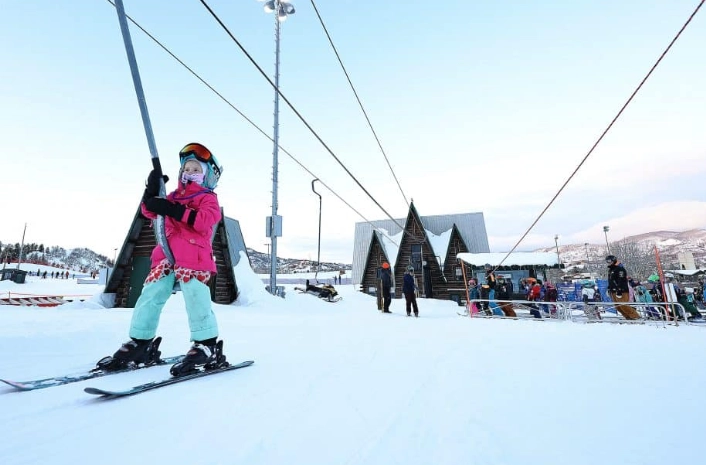
What's the future for these lifts?
They're not going anywhere. If anything, they're getting upgrades. Newer models are more energy-efficient, use variable speed drives to save power, and have even gentler start-up mechanisms. The focus is on reducing environmental impact and improving the beginner experience. The core concept—simple, efficient uphill transport—is timeless.
My Personal Take: The Good and The Annoying
Let's be real. Poma button lifts have their quirks.
On a cold, windy day, standing exposed on a long Poma ride can be brutal. You're not sheltered like on a chair. And if the line is long and the lift is slow, it can test your patience. I've also been on some ancient ones that shudder and clank in a way that doesn't inspire confidence (though they're always inspected and safe).
But here's what I appreciate: they force you to pay attention. You're an active participant, not just cargo. There's a little skill involved. Nailing a smooth ride, especially on a steeper button lift, is satisfying. They keep beginner areas accessible and affordable. And they have a certain nostalgic, no-frills charm that reminds you skiing isn't always about high-speed quads and heated seats. Sometimes, it's just about a simple pull up a snowy hill so you can slide back down again.
So next time you see one, don't avoid it. Give the Poma button lift a try. Watch the rhythm, step up with confidence, and enjoy the ride up. It's a fundamental piece of the skiing puzzle, and mastering it opens up more of the mountain.