In This Guide
- Where Does the Skier Visit Data Come From?
- The Heavy Hitters: A Look at Estimated Top Resorts by Skier Visits
- What Actually Drives Those Big Numbers?
- How to Use This Data to Plan a Better Trip
- Beyond the Numbers: The Regional Story of Skier Visits
- Answers to Your Burning Questions (FAQ)
- The Bottom Line for Your Next Trip
So you're planning a ski trip, and you keep hearing about "skier visits." What does that even mean? And more importantly, why should you care about skier visits by resort in the USA when you're trying to book a vacation? You're not a resort accountant, right? You just want good snow, manageable lift lines, and a fun vibe.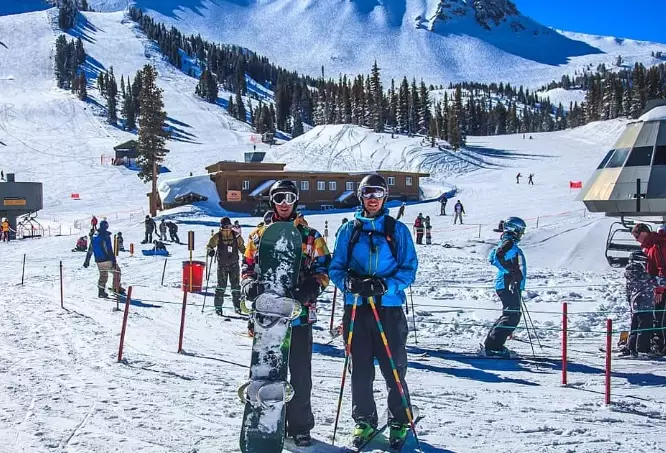
Let me tell you, paying attention to this number is one of the smartest things you can do. It's the single best proxy for figuring out how crowded a place might be, what the energy level is like, and even how well-maintained the slopes could be. A resort with high skier visits has a ton of revenue rolling in, which often (but not always) means they can invest in snowmaking, new lifts, and amenities. But it also means you might be sharing your favorite run with a few hundred of your new best friends.
I remember planning a trip to one of the mega-resorts out West a few years back, solely based on its epic terrain. I didn't bother to look at the skier visit numbers. Big mistake. The skiing was phenomenal, sure. But the base village felt like a theme park on a holiday weekend, and waiting 25 minutes for a chairlift on a Tuesday morning became the norm. The experience made me a data believer. Now, digging into skier visits by resort in the USA is my first step in trip planning.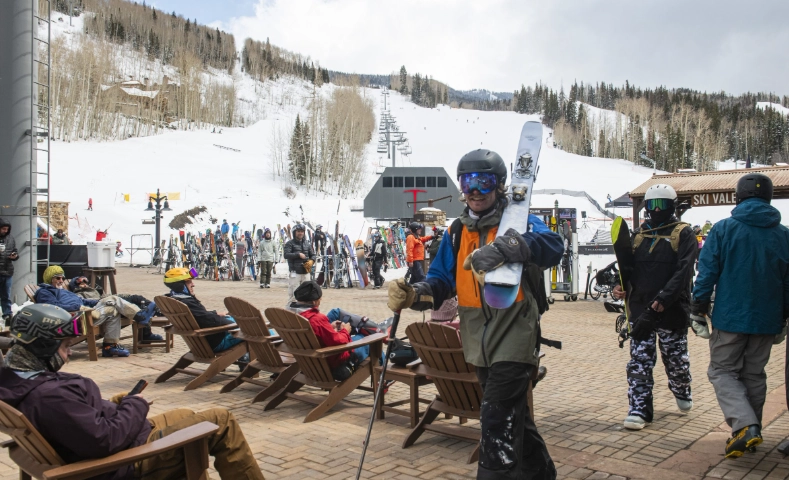
Quick Takeaway: Skier visits are the total number of times people swipe a lift ticket or pass to hit the slopes. One person skiing for five days counts as five skier visits. It's the industry's core metric for popularity and business health. Understanding this data for different resorts is like having a secret map to the mountain experience.
Where Does the Skier Visit Data Come From?
This isn't some random guesswork. The gold standard for this data comes from the National Ski Areas Association (NSAA). Every year, they survey their member resorts (which is pretty much every significant ski area in the country) and compile the national and regional totals. They're the source for the big headline number you see in articles—like "U.S. Ski Areas See 60 Million Visits."
But here's the catch, and it's a big one: The NSAA typically does not release the specific skier visit numbers for individual resorts. They provide the aggregate data. So where do those lists ranking the top 10 or top 20 resorts come from? It's a mix of educated estimation, financial reports from publicly traded resort companies (like Vail Resorts and Alterra Mountain Company), and leaks from within the industry. Publications like Powder Magazine and Ski Area Management often piece this puzzle together. The numbers in those lists are generally considered reliable in terms of ranking order, even if the exact figure is a close approximation.
So when we talk about skier visits by resort in the USA, we're often working with very well-informed estimates, not official spreadsheets. It's important to keep that in mind.
The Heavy Hitters: A Look at Estimated Top Resorts by Skier Visits
Alright, let's get to the part you probably searched for. Based on consistent industry reporting and analysis, here's a look at the resorts that consistently top the charts for skier visits in the United States. Remember, these are annual estimates, and a big snow year in one region can shuffle the deck.
| Resort (State) | Estimated Annual Skier Visits* | Primary Reason for High Traffic | The Crowd Vibe |
|---|---|---|---|
| Vail Mountain (CO) | ~1.6 - 1.8 million | Iconic brand, massive terrain, Epic Pass anchor | International destination; can feel sprawling and busy, especially at base areas. |
| Breckenridge (CO) | ~1.5 - 1.7 million | Epic Pass, historic town, reliable I-70 access from Denver | Young, energetic, and often very crowded on weekends/holidays. |
| Park City Mountain (UT) | ~1.4 - 1.6 million | Largest ski area in the U.S., Epic Pass, proximity to SLC airport | Mixed (locals & tourists); the scale can absorb crowds better than most, but lift lines form. |
| Heavenly Mountain (CA/NV) | ~1.0 - 1.2 million | Epic Pass, stunning Lake Tahoe views, casino/nightlife appeal | Touristy and fun-focused; California and Nevada weekend crowds converge. |
| Steamboat Springs (CO) | ~1.0 - 1.2 million | Ikon Pass, legendary "champagne powder," family-friendly reputation | Authentic Western town feel; loyal following, can get packed during powder days. |
| Winter Park (CO) | ~900,000 - 1.1 million | Ikon Pass, strong Denver local following, diverse terrain | Colorado local favorite; more laid-back than I-70 rivals, but still busy. |
| Palisades Tahoe (CA) | ~850,000 - 1.0 million | Ikon Pass, Olympic history, challenging terrain, Tahoe destination | Core skier/snowboarder energy; serious lines on weekends and after storms. |
| Keystone (CO) | ~800,000 - 950,000 | Epic Pass, night skiing, family-focused amenities | Heavily family-oriented; base area is a hive of activity. |
| Mammoth Mountain (CA) | ~800,000 - 950,000 | Ikon Pass, massive snowpack, long season, SoCal weekend escape | A mix of hardcore locals and Los Angeles weekend warriors. |
| Big Sky Resort (MT) | ~600,000 - 750,000 | Ikon Pass & Mountain Collective, vast "biggest skiing in America" terrain | Spread-out, destination feel; feels less crowded per acre than any other top resort. |
*Table based on analysis of industry reports from SIA/NSAA, resort company filings, and outdoor media estimates. Figures are approximate annual averages.
Looking at that list, a pattern screams out. See it? It's all about the passes. Vail's Epic Pass and Alterra's Ikon Pass have completely reshaped the landscape of skier visits by resort in the USA. Being a cornerstone resort on one of these mega-passes guarantees a huge baseline of traffic. It's no longer just about destination appeal; it's about being part of a subscription network.
The Pass Effect: If a resort is on the Epic or Ikon Pass, its skier visit numbers are almost certainly going to be high and growing. This is the single biggest factor driving changes in the rankings over the last decade. A resort joining a major pass often sees a 15-30% bump in visits in the following seasons.
What Actually Drives Those Big Numbers?
It's not magic. There's a clear recipe for ending up on the high end of the skier visits by resort USA lists.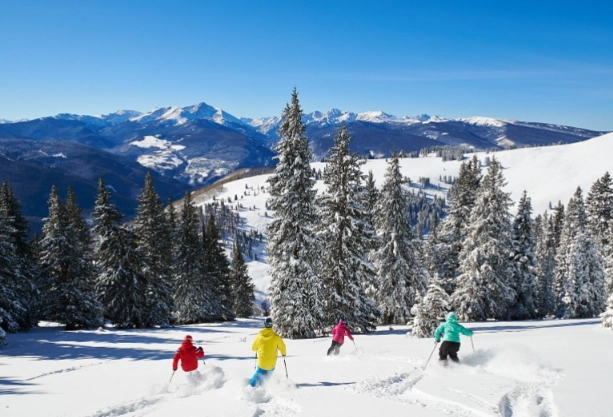
The Mega-Pass Anchor
This is the number one driver today. As mentioned, being a primary destination on the Epic or Ikon Pass is like having a guaranteed audience. It makes the resort accessible and affordable for a massive, pre-committed customer base. Why go to a random independent hill when your pass already gets you 5-7 days at a famous destination?
Proximity to a Major City
Geography is destiny. Resorts within a 2-3 hour drive of a major metropolitan area will always have inflated skier visits. Look at the Colorado resorts and Denver (I-70 corridor). Look at Park City and Salt Lake City. Look at the Tahoe resorts and the Bay Area. These places get hammered every Saturday and Sunday by the "weekend warrior" crowd. A single powder forecast can create traffic jams that last for hours. These day-tripper and weekend visits pile up incredibly fast in the tally.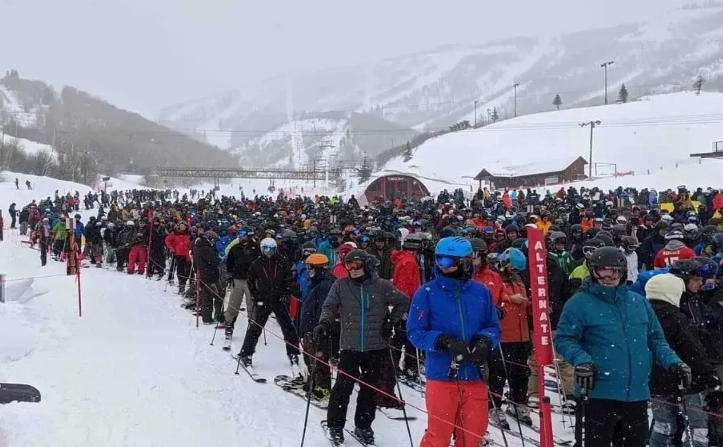
The Destination Resort "Bundle"
Some places are just built to attract and hold people for a week. Vail Village is a perfect example. It's not just a ski hill; it's a full-blown, self-contained European-style village with high-end shopping, fine dining, and luxury lodging right at the base. This attracts families and groups who are there for the full vacation experience, not just the skiing. More overnight guests directly translates to more skier days. Other resorts, despite having great terrain, might feel more like a ski hill with a parking lot and a condo complex—they don't capture visitors for as long.
Terrain Variety and Reliability
This one seems obvious, but it's key. Resorts that have a reputation for something specific and reliable draw crowds. Steamboat has its famous powder. Palisades Tahoe has its extreme, Olympic-grade terrain. Breckenridge has a bit of everything, plus high alpine bowls. Resorts with extensive, state-of-the-art snowmaking also guarantee a season, which protects their visit numbers in low-snow years. Nobody books a flight to a place that might be closed.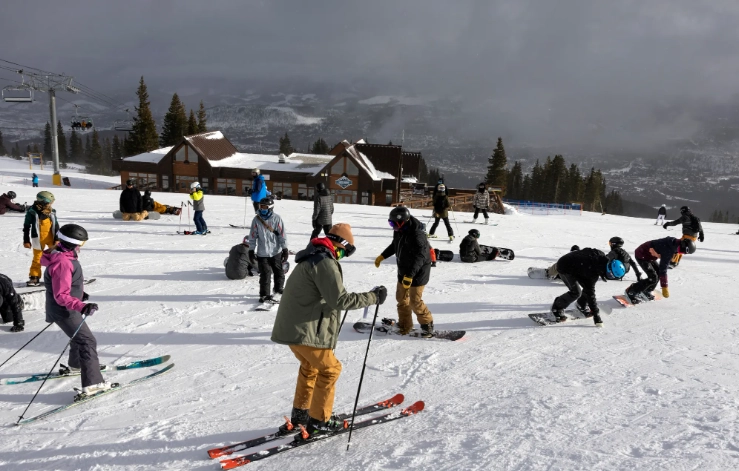
Here's my personal theory, and I've seen it play out: The resorts with the most efficient lift systems sometimes end up with higher perceived crowding, even if their skier-per-acre number is lower. Why? Because a fast, modern chair dumps hundreds more people per hour onto the same network of intermediate runs. You can ski onto an old, slow double chair and have a peaceful ride up, but the mountain might feel empty. A high-speed six-pack gets you up fast, but you might find yourself in a conga line down the blue square beneath it. It's a weird trade-off.
How to Use This Data to Plan a Better Trip
This isn't just academic. You can use your understanding of skier visits by resort in the USA to make real, impactful decisions.
If You Want to Avoid the Biggest Crowds:
- Look beyond the top 5. The difference between the #1 and the #10 resort on the skier visits list can be over a million people. Targeting a resort in the 500,000-800,000 visit range (like Aspen Snowmass, Telluride, or Sun Valley) often provides a dramatically less congested experience, even if they are still world-class.
- Beware the "I-70 Effect" in Colorado. Resorts like Vail, Breck, and Keystone are amazing, but they are also the primary outlets for Denver's massive population. If you're going to one of these, you must strategize: ski mid-week, get first tracks, or focus on less popular base areas and lifts.
- Consider the independent resorts. There are phenomenal ski areas that aren't on the Epic or Ikon passes. Places like Banff Sunshine/Lake Louise in Canada (on the Mountain Collective) or Schweitzer in Idaho often have more manageable crowds because they aren't part of the subscription rush. The trade-off is you'll need to buy a separate lift ticket.
If You Don't Mind Crowds and Want the Vibes:
- Lean into the energy. High skier visits mean bustling base villages, lots of apres-ski options, and a sense of excitement. If you're a social skier who loves a busy lodge patio and people-watching, the top resorts are for you.
- Use the infrastructure. Those high visit numbers fund things like high-speed gondolas, slope-side dining, and extensive grooming. You're paying for (and contributing to) a premium, well-oiled machine.
- Book early for everything. At a high-traffic resort, you need to lock in lodging, rentals, and even restaurant reservations months in advance, especially for holiday periods. Spontaneity is more expensive and difficult.
A Warning on "Hidden Gems": Be skeptical of any article that calls a well-known, Ikon/Epic resort a "hidden gem." It's not. The data doesn't lie. If it's on a major pass and near a city, it's discovered. The real hidden gems are often smaller, independently-owned areas farther from major airports. Their skier visit numbers might be 1/10th of Vail's, and that's exactly their appeal.
Beyond the Numbers: The Regional Story of Skier Visits
The national ranking tells one story, but the regional breakdowns are fascinating. The Rocky Mountain region (Colorado, Utah, Wyoming, etc.) consistently accounts for roughly 40-45% of all U.S. skier visits. That's an insane concentration. The Northeast, with its dense population, comes in second, but its per-resort numbers are lower because the hills are smaller and more numerous.
The Pacific West (California, Nevada, Washington, Oregon) is a rollercoaster. It's totally dependent on snowpack. A mega-snow year in the Sierras can see Tahoe-area resorts shoot up the national skier visits list. A drought year can cause those numbers to plummet. It's the most volatile region in terms of annual statistics.
The Midwest? It has the highest number of ski areas, but they are small and cater primarily to local learn-to-ski markets and weekend families. Their individual skier visit numbers are low, but they collectively contribute millions of visits and are crucial for introducing people to the sport.
Answers to Your Burning Questions (FAQ)
The Bottom Line for Your Next Trip
At the end of the day, skier visits by resort in the USA is a powerful piece of the puzzle, but it's not the only one. It tells you about demand, not necessarily about the quality of the snow on Groundhog's Run or the friendliness of the lifties.
My advice? Cross-reference the skier visit estimates with what you truly value. Are you chasing powder stashes? Then research snow history and alpine terrain. Planning a family reunion with non-skiers? Then a high-visit resort with a vibrant village might be perfect, crowds and all. On a budget? A low-visit, independent resort might have shockingly affordable ticket and rental packages.
The goal of understanding this data isn't to find a single "best" resort. It's to make an informed match between your expectations and the reality on the mountain. Because knowing that you're heading to a place that sees 1.5 million skier visits a year prepares you mentally. You'll pack your patience, plan to get up early, and maybe budget for a few VIP skip-the-line upgrades. Or, you'll see that a resort gets 400,000 visits and book it precisely for the peace and quiet.
That's the real power of the data. It takes the guesswork out and lets you focus on the fun part: making turns.
So next time you see a headline about skier visits, you'll know exactly what it means for your next adventure. Now get out there and find your perfect mountain match.