If you've ever looked at a ski trail map and wondered what that blue square symbol really means, you're not alone. Blue square runs represent intermediate ski trails, but there's a lot more to it than just a color code. I've been skiing for over a decade, and I've seen countless skiers misjudge these runs—sometimes with painful consequences. Let's cut through the confusion and get straight to what matters: blue square runs are for skiers who've mastered the basics but aren't ready for expert terrain. They typically have slopes ranging from 25% to 40% gradient, wider paths than blacks, and fewer obstacles. But here's the kicker: not all blue squares are created equal. A blue at Vail might feel like a green elsewhere, and that inconsistency trips people up.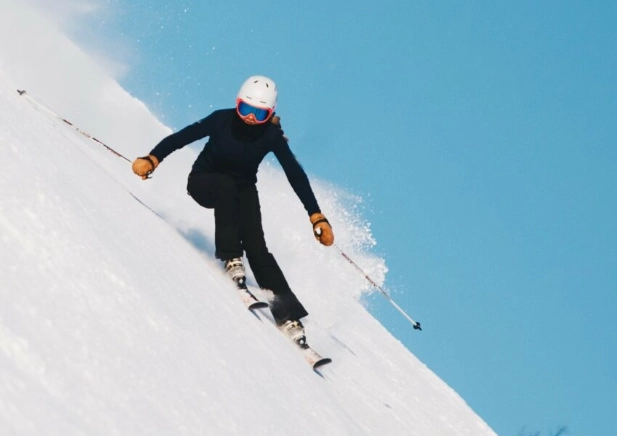
Jump to What Matters in This Guide
What Exactly Are Blue Square Runs?
Blue square runs are part of a standardized color-coded system used globally on ski slopes. Think of it as a universal language for skiers. The system was popularized by organizations like the International Ski Federation (FIS) to promote safety, but here's something most guides don't tell you: resorts often tweak these ratings based on local conditions. A blue square in the Alps might be steeper than one in North America due to different grooming practices.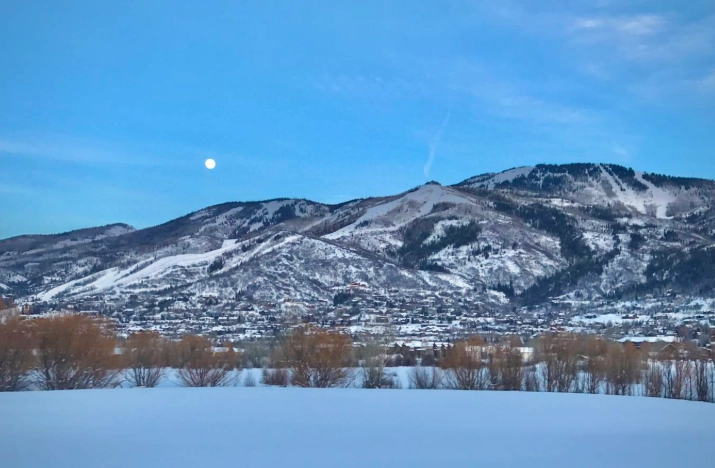
Understanding the Color-Coded Ski Trail System
The basics are simple: green circles for beginners, blue squares for intermediates, and black diamonds for experts. But the devil's in the details. Blue squares sit right in the middle, designed for skiers who can link turns confidently on greens but aren't tackling moguls or steep chutes yet. I remember my first blue run at Lake Tahoe—it felt like a huge leap, but the wide trail and consistent pitch made it manageable.
| Trail Rating | Symbol | Typical Gradient | Who It's For | Common Features |
|---|---|---|---|---|
| Green Circle | ● | Less than 25% | Beginners, first-timers | Wide, groomed, minimal obstacles |
| Blue Square | ■ | 25% to 40% | Intermediate skiers | Groomed but steeper, some variability |
| Black Diamond | ♦ | Over 40% | Advanced experts | Steep, moguls, glades, narrow paths |
This table gives a snapshot, but slope gradient isn't everything. Snow conditions play a huge role. A blue run on a icy morning can feel like a black by afternoon. I've seen resorts like Aspen Snowmass adjust ratings daily based on weather reports—something skiers rarely check.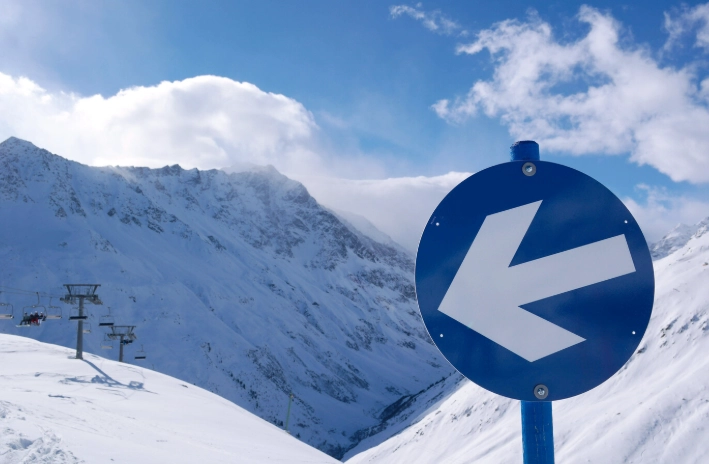
Who Should Ski Blue Square Runs?
Figuring out if you're ready for blue squares is crucial. Many skiers rush into them after a few green runs, only to panic halfway down. From my experience teaching friends, here's a practical checklist to assess your readiness:
- You can consistently make parallel turns on green runs without snowplowing (that wedge shape beginners use). If you're still relying on the snowplow to slow down, stick to greens a bit longer.
- You control your speed comfortably on moderate slopes. I once saw a skier zoom down a blue at Whistler because they couldn't slow down—ended up in a safety net.
- You can handle variable snow like packed powder or minor ice patches. Blues aren't always perfectly groomed; they might have bumps or crud.
If you tick these boxes, give a blue a try. Start with a shorter run, maybe one labeled "easier blue" on the map. Resorts like Park City often mark these with a blue square with a green circle inside—a hybrid rating that's super helpful.
Pro tip from a decade on the slopes: Don't just go by the map. Ask a local or ski patroller about current conditions. I've found blues that were groomed to perfection one day and turned into mogul fields the next due to overnight snow. That's a common oversight even seasoned skiers make.
Mastering Techniques for Blue Square Runs
Skiing blue squares isn't just about bravery; it's about technique. Here's where most intermediate skiers plateau. They get comfortable on blues but never refine their skills for harder terrain. Let's break it down with a case study from Breckenridge, Colorado.
Breckenridge's Peak 7 has a classic blue run called "Angel's Rest." It's a long, winding trail with a consistent 30% gradient. I've skied it dozens of times, and here's what works:
- Weight distribution: Keep your weight centered over your skis. Leaning back on steeper blues is a recipe for loss of control. I learned this the hard way—tumbled a good 20 feet once.
- Turn shape: Use medium-radius turns. Short, quick turns can exhaust you, while long turns might pick up too much speed. Practice on a gentle blue first.
- Edge control: Engage your edges smoothly. On icy sections, which are common on blues in the East like at Killington, you need sharper edges. A dull ski can slip.
Imagine this scenario: You're on a blue run at noon, the sun has softened the snow, and it's getting choppy. Instead of panicking, widen your stance slightly and focus on rhythm. That's what separates confident intermediates from nervous ones.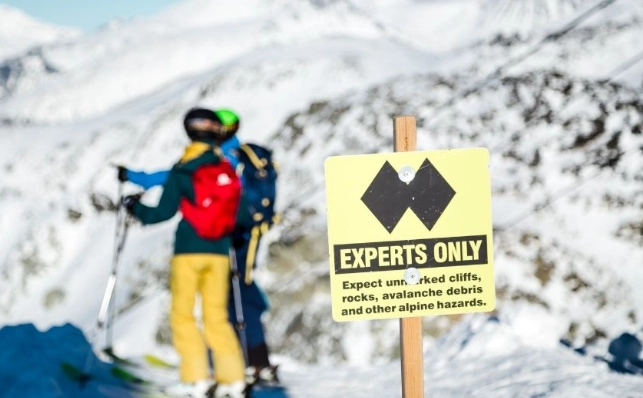
Advanced Moves for Confidence
Once you're comfortable, try incorporating pole plants for timing. It adds flow and prepares you for blacks. But here's a non-consensus view: many instructors overemphasize pole plants on blues. I think body alignment matters more. Keep your shoulders facing downhill—it feels unnatural at first but improves balance immensely.
Common Mistakes on Blue Square Runs
Everyone makes mistakes, but on blues, they can lead to falls or worse. I've compiled a list from my own blunders and watching others:
- Overestimating ability: Just because you aced one blue doesn't mean you're ready for all. Resorts vary wildly. A blue at Jackson Hole is often closer to a black elsewhere.
- Ignoring fatigue: Blues require more energy. Ski them in the morning when you're fresh. I've seen too many people attempt blues late in the day and wipe out from tired legs.
- Not checking the trail map thoroughly: Some blues merge into blacks or have steep sections. At Squaw Valley, I once missed a sign and ended up on a double black—not fun.
Another subtle error: relying too much on grooming. Blues can get skied off quickly, leaving ice or moguls. Always scout the first few turns from the lift if you can.
Blue Square Runs Across Different Resorts: A Case Study
Not all resorts rate trails the same. This inconsistency is a huge pain point for skiers. Let's compare two popular destinations: Whistler Blackcomb in Canada and Vail in Colorado.
At Whistler, blue squares like "Burnt Stew" on Blackcomb Mountain are known for being long and scenic, with gradients around 28%. But they can get crowded, affecting difficulty. Whistler's official trail maps, available on their website, often note which blues are groomed daily—a key detail many skip.
Vail, on the other hand, has blues like "Simba" on the front side that are wider and more consistently groomed. However, Vail's blues tend to be shorter, so you might need to link multiple runs for a challenge. I've found Vail's ratings slightly easier than Whistler's, which aligns with industry chatter about North American resorts catering to intermediates.
For European context, in the Alps, blues at places like Chamonix are often steeper due to natural terrain. A report from the French Ski School Association highlights how European grading emphasizes natural features over grooming.
This variation means you should always research a resort's trail system before going. Don't assume your skills translate directly.
Frequently Asked Questions
Blue square runs are the heart of intermediate skiing—they offer excitement without extreme risk. But they demand respect and preparation. By understanding their meaning, assessing your skills honestly, and learning from real-world examples, you can enjoy these trails safely and progress your skiing. Next time you see that blue square on the map, you'll know exactly what it means and how to tackle it. Now get out there and ski smart!