Your Adaptive Snowboarding Journey
- Who's It For, Really? (You Might Be Surprised)
- The Gear: It's Not Just One Weird Board
- Finding Your People: Programs and Instructors
- Breaking Down the Ride: Techniques & Learning Curve
- Beyond the Lesson: Community and Competition
- Honest Talk: Challenges and How to Beat Them
- Your Questions, Answered (The Real Stuff People Ask)
- Taking the First Step (A Simple Action Plan)
Let's cut right to the chase. If you're here, you or someone you care about has probably wondered if the mountains are still accessible. Maybe there's been an injury, a diagnosis, or you were just born with a body that works differently. The idea of strapping into a snowboard might feel like a distant dream, something other people do.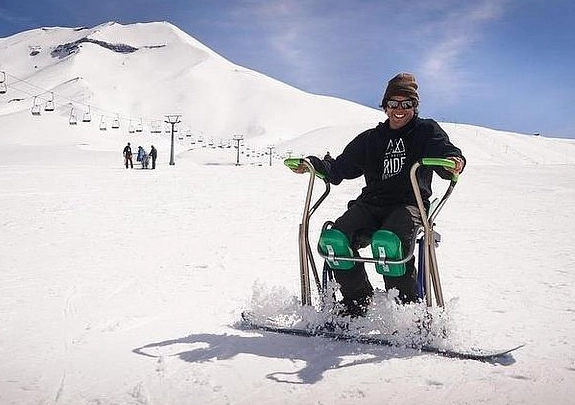
I want to tell you something straight up: that dream is way more possible than you think. I've seen people who thought they'd never stand on a snowboard again carve turns down black diamond runs. I've watched kids with cerebral paralysis light up with a joy you can't describe the first time their adaptive snowboard slides on the snow. This isn't about inspirational puff pieces. It's about practical, hard-won access to one of the coolest feelings on earth.
Adaptive snowboarding isn't just one thing. It's a whole universe of clever gear, dedicated instructors, and a surprisingly welcoming community. It's about problem-solving. How do we get you on the mountain? What do you need to feel stable, in control, and most importantly, have fun? The answers are as varied as the people asking the questions.
What exactly is adaptive snowboarding? At its core, it's the modification of snowboarding equipment, techniques, and teaching methods to allow individuals with physical, sensory, or cognitive disabilities to participate. It's not a "lesser than" version of snowboarding. It's the same sport, just accessed through a different door.
Who's It For, Really? (You Might Be Surprised)
When people hear "adaptive sports," they often think only of Paralympic athletes. That's just the very visible tip of the iceberg. Adaptive snowboarding is for a huge range of people.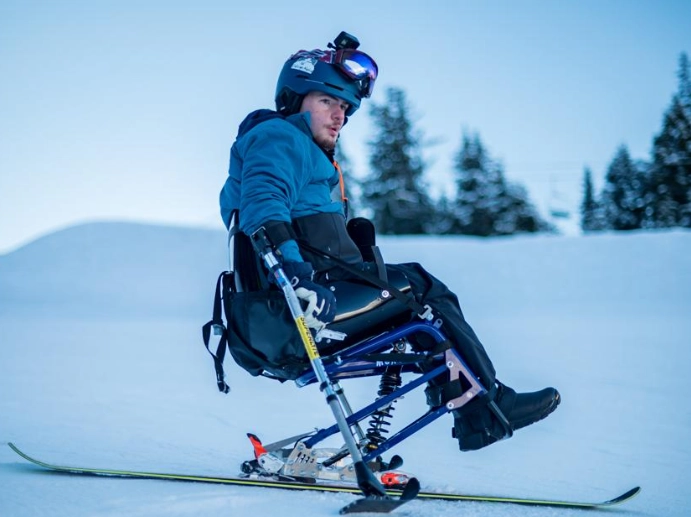
Think about limb difference or amputation. Maybe you're missing a foot or part of a leg. Specialized prosthetics or outriggers can become your new edge. Spinal cord injuries are a big one too. Paraplegia doesn't mean sitting out. Sit-skis that are basically snowboard seats let you rip down the mountain. I once met a guy who snowboards sitting down who goes faster than I ever dare to standing up.
But it goes further. Visual impairments? You ride with a guide who gives audio cues. Hearing loss? No problem—visual signals work perfectly. Conditions like cerebral palsy, multiple sclerosis, or muscular dystrophy all have adaptive solutions, often focusing on extra stability and support. Even folks recovering from a bad knee surgery or dealing with chronic balance issues can use beginner adaptive techniques to build confidence.
The point is, if a standard snowboard setup doesn't work for your body, there's almost certainly an adaptive snowboarding alternative that will. The first step is letting go of the idea of what snowboarding "should" look like.
The Gear: It's Not Just One Weird Board
This is where it gets interesting. The creativity in adaptive equipment is honestly amazing. It's less about medical devices and more about brilliant engineering for fun. Here’s a breakdown of the main categories you'll encounter.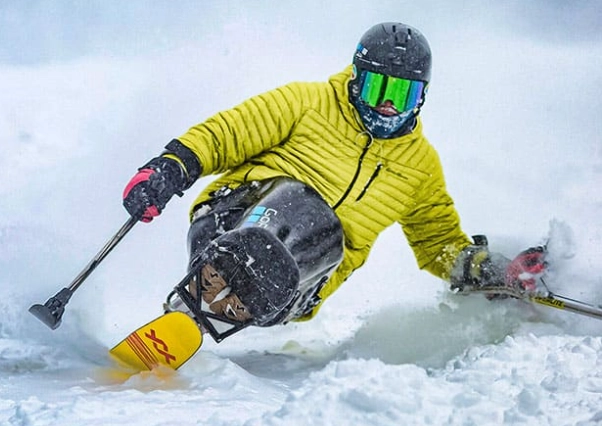
Stand-Up Equipment
For riders who can or want to stand, but need a little help.
- Outriggers: These are the big ones. Imagine shortened ski poles with miniature skis on the bottom. They provide balance and can act as a third or fourth point of contact. They're fantastic for people with leg amputations, lower limb weakness, or balance disorders. You can use one or two, depending on your needs.
- Adaptive Snowboards: Some boards are designed wider for more stability. Others might have special binding setups that allow for different stances or accommodate prosthetic limbs. You can also get boards with more flex or different sidecut radii to make turning easier.
- Stance Supports: These are bars or frames that attach to the board and come up to your waist or chest, giving you something to hold onto for core stability. Great for building confidence when you're starting.
Sit-Down Equipment (Sit-Skis/Snowboards)
This is for riders who snowboard in a seated position. It's a complete game-changer.
- The Bucket (Shell): This is the molded seat, usually made of fiberglass or carbon fiber, custom-fitted to the rider. It provides support and protection.
- The Frame (Chassis): This connects the bucket to the snowboard(s). Some have a single snowboard underneath (a mono-ski), others have two skis (a bi-ski) for incredible stability.
- Outriggers (for Sit-Down): Yep, they're used here too! Sit-skiers use outriggers to initiate turns, control speed, and get back up after a fall. It's a full-body workout and incredibly skillful.
Choosing gear isn't something you do online before your first lesson. It's a conversation with a certified adaptive instructor. They'll assess your goals, abilities, and the type of terrain you want to ride before recommending anything.
A quick reality check: This gear can be expensive. A full sit-ski setup can cost thousands. But—and this is a huge but—you do NOT need to buy gear to start. Reputable adaptive snowboarding programs have rental equipment. Your first job is to try it, see what works, and fall in love with the sport. Worry about buying gear later, if at all.
| Equipment Type | Best For | Key Benefit | Consideration |
|---|---|---|---|
| Outriggers (Stand-Up) | Lower limb amputation, weakness, balance issues | Provides critical stability; allows independent riding | Learning the timing of using them with turns takes practice |
| Stance Support Bar | Core weakness, fear of falling, initial learning | Builds confidence by offering secure handholds | Can become a crutch; goal is to graduate from it |
| Mono-Ski (Sit-Ski) | Paraplegia, significant lower body mobility loss | Maneuverable, feels closest to a standing snowboard | Requires good upper body strength and core control |
| Bi-Ski (Sit-Ski) | Need for maximum stability, higher-level spinal injuries | Extremely stable, often used with a tether/guide initially | Less agile than a mono-ski; turning is different |
Finding Your People: Programs and Instructors
This is the most important step. Trying to figure this out alone is a recipe for frustration and maybe a bad experience. A good adaptive snowboarding program is your golden ticket.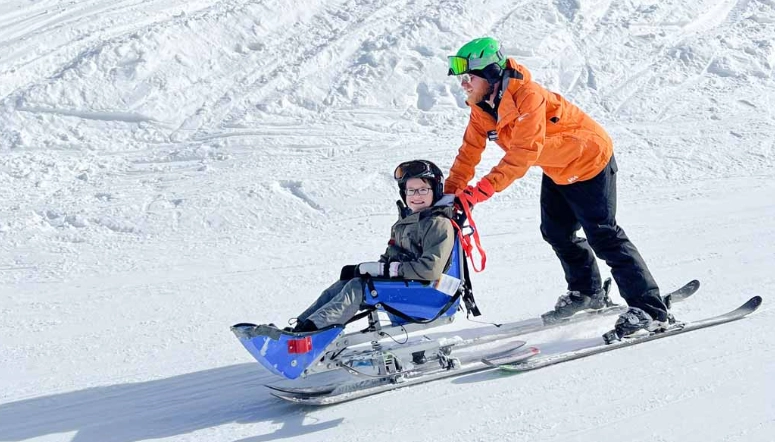
Look for programs affiliated with major organizations. In the US, Disabled Sports USA has chapters all over the country. Move United is another fantastic resource. In Canada, check out the Canada Snowboard Adaptive Program. These organizations set safety and training standards.
What makes a good program?
First, they should ask you a ton of questions before you even show up. Medical history, goals, fears, past experience. They're not being nosy; they're planning your lesson. They should have a wide range of well-maintained equipment. Their instructors must be certified—not just as regular snowboard instructors, but with specific adaptive certifications. The Professional Ski Instructors of America (PSIA) and the American Association of Snowboard Instructors (AAS) have rigorous adaptive credentials.
A great instructor won't just teach you how to snowboard. They'll teach you how *you* snowboard. They'll problem-solve with you. They'll celebrate the tiny victories—making it 10 feet without catching an edge, nailing your first linked turn. The relationship with a good adaptive instructor is everything.
Breaking Down the Ride: Techniques & Learning Curve
Okay, let's talk about actually riding. Forget everything you think you know about learning to snowboard. The progression is different, and that's okay.
For Stand-Up Riders (with outriggers or supports)
It starts on flat ground. Just getting used to the feeling of the board, sliding a little, learning how to fall safely (you will fall, and that's fine). The first big skill is the "gliding wedge." This is using your outriggers and the board's edge to control speed in a straight line, like a brake. It's less about fancy turns and more about control.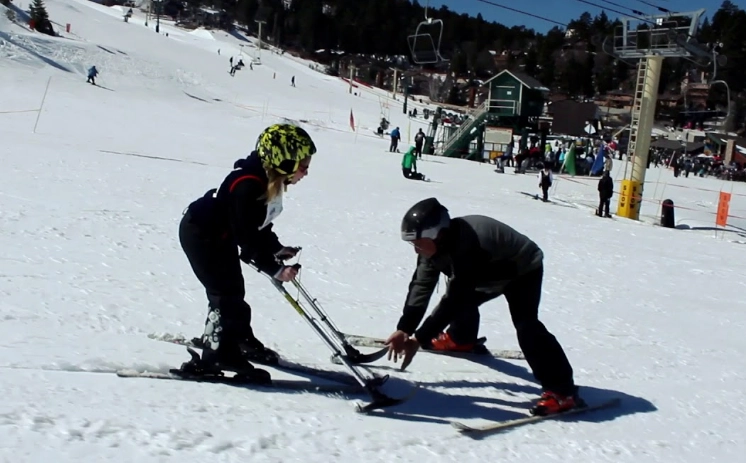
Turning comes next, and it's a dance between your body, the board's edge, and your outriggers. You might use the outriggers to help initiate the turn. It feels awkward at first, like learning to pat your head and rub your stomach. But then it clicks. The feeling of linking a heel-side turn to a toe-side turn for the first time on adaptive equipment is pure magic. It's the same feeling any snowboarder gets, just earned through a different path.
For Sit-Ski Riders
The learning progression is its own unique world. You start by learning to balance in the bucket on flat terrain. Then you learn to use your outriggers to "pole" yourself around, like a kayak paddle. The first time down a gentle slope is often with an instructor on a tether, controlling your speed from behind while you focus on balance.
Then you learn to use your outriggers as brakes and rudders. To turn a mono-ski, you use a powerful combination of upper body rotation and weighting the edges. It's incredibly physical and technical. Watching an expert mono-skier carve perfect arcs down a steep run is one of the most impressive things in all of snow sports. It just looks cool.
The common thread? Patience.
Your first day might not look like much sliding. It might be a lot of talking, adjusting gear, and small movements. That's success. Building a solid, safe foundation is worth ten rushed, scary runs.
Beyond the Lesson: Community and Competition
Here's a secret: the adaptive snowboarding community might be the best part. There's a level of camaraderie and support that's hard to find elsewhere. Everyone remembers their first day, their first fall, their first victory. There's no pretense.
Local programs often have weekly or monthly ride days. You show up, grab your gear, and ride with the same crew. You share tips, complain about the conditions, and cheer each other on. It becomes a social thing, not just a sports thing. For many participants, especially kids, it's where they find their friend group.
And then there's the competitive side. Yes, adaptive snowboarding is a Paralympic sport. The International Paralympic Committee governs it, and the level of athleticism is mind-blowing. There are banked slalom races, snowboard-cross events, and more. Competitions are categorized by impairment type (called sport classes) to keep things fair.
But competition isn't just for elites. There are grassroots races and events all over. The vibe at these is incredible—super competitive on the course, all hugs and high-fives at the finish line. Whether you want to race or just watch, it's inspiring to see what's possible.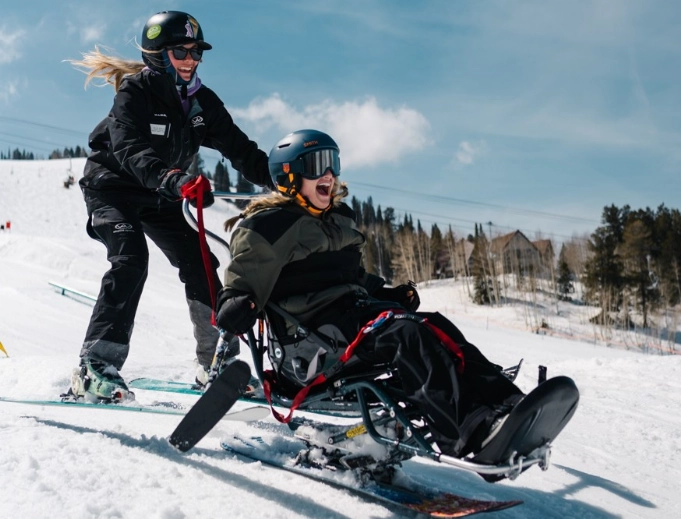
Honest Talk: Challenges and How to Beat Them
Let's not sugarcoat it. Adaptive snowboarding comes with extra hurdles.
Cost: We touched on gear. Lessons are also more expensive than regular group lessons because they're one-on-one or two-on-one. Look for programs with scholarship funds. Many do. Non-profits often run on donations specifically to keep costs down for participants. Don't be shy about asking.
Logistics: Getting to the mountain, dealing with lodges, bathrooms—it can be a headache. Call the resort's adaptive program ahead of time. Good ones will help you plan. They'll know which parking is closest, if there's adaptive changing areas, how to get to the learning hill.
The Mental Game: This is the big one. Frustration. Fear. Feeling self-conscious. I've seen the toughest people get teary-eyed out of sheer frustration when their body won't do what their brain is asking. It happens. The key is a good instructor who knows when to push and when to call it a day. Celebrate the micro-wins. Made it down without a meltdown? Win. Remembered to look ahead instead of at your feet? Huge win.
A personal aside: I remember working with a veteran who had lost a leg. He was furious at the outriggers, hated feeling "different." We took a break, just sat in the snow. I told him the gear wasn't a sign of weakness, it was his new toolset, his advantage. He grumbled. But the next run, he used that toolset to make a beautiful, controlled turn. The anger on his face melted into a grin. That shift, from fighting the adaptation to using it, is where the magic happens.
Your Questions, Answered (The Real Stuff People Ask)
Taking the First Step (A Simple Action Plan)
- Google is your friend: Search "adaptive snowboarding program near me" or "disabled sports [your state/province]." Look for the links to Disabled Sports USA, Move United, or similar national bodies.
- Make the call or send the email: Don't just look at a website and get intimidated. Contact them. Say, "I'm interested but have no idea where to start." A good program will walk you through it.
- Ask the right questions: Are your instructors certified? What's the student-to-instructor ratio? Do you have equipment for someone with my situation? What's the process for a first lesson?
- Book a single lesson: Not a package. Just one. Your only goal for that day is to show up, meet the people, try the gear, and see how it feels.
- Show up with realistic expectations: You're not going to conquer the mountain. You're going to start a conversation with it, on new terms.
The world of adaptive snowboarding has grown so much. The technology is better, the instruction is more refined, and the community is waiting. It's about reclaiming the mountain, or maybe discovering it for the first time. It's about cold air on your face, the sound of your edge on snow, and the quiet pride that comes from doing something hard.
It starts with a single question: "What if I can?"
From there, the path unfolds, one turn at a time.