Quick Navigation
Let's be honest for a second. The idea of your child skiing for the first time is equal parts thrilling and terrifying. You've seen the perfect Instagram videos—tiny humans gliding down slopes with joyful shrieks. But in your head, you're probably picturing a meltdown in the freezing cold, lost mittens, and a very expensive day ending in tears (maybe yours). I get it. I've been there with my own kids, and I've helped countless friends navigate this milestone.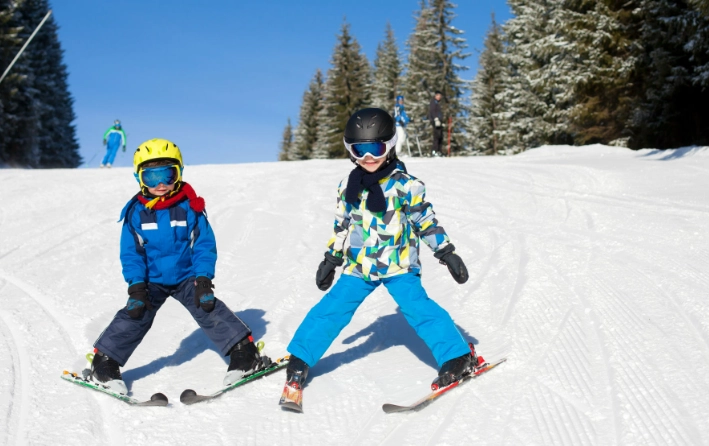
This isn't about painting a picture-perfect fantasy. It's about giving you the straight talk, the practical steps, and the inside knowledge to stack the odds in your favor. Forget the glossy brochures. We're going to talk about the real stuff: managing expectations (yours and theirs), avoiding common pitfalls that can turn the day sour, and finding those genuine moments of magic that make it all worthwhile. Whether your little one is a fearless five-year-old or a cautious eight-year-old, the core principles for a successful first experience are the same. It's about fun, safety, and keeping the pressure at zero.
Before You Even Think About the Slopes: The Preparation Phase
Most of the success of your child's first ski adventure is determined long before you park the car at the resort. Rushing this stage is the biggest mistake parents make. You wouldn't run a marathon without training, right? Think of this as your training montage.
Mental Prep: It Starts With You
Your attitude is contagious. If you're stressed about cost, logistics, and performance, they'll feel it. Frame the trip as a fun winter adventure that includes trying skiing, not a test of skiing. Watch fun skiing videos together, read kids' books about snow sports, and talk about the other fun things you'll do—building a snowman, riding the gondola for the views, having lodge hot chocolate.
Key question to ask yourself: Is my goal for them to become an Olympian today, or to leave wanting to come back?
The answer should always be the latter. A positive first impression is the only metric that matters.
The Age Question: When is the Right Time?
This is a huge point of debate. Some ski schools take kids as young as 3. Personally, I think that's pushing it for a true first time skiing experience. Physical readiness (balance, leg strength) and emotional readiness (ability to listen, handle minor frustration, be away from you) are more important than a birthday.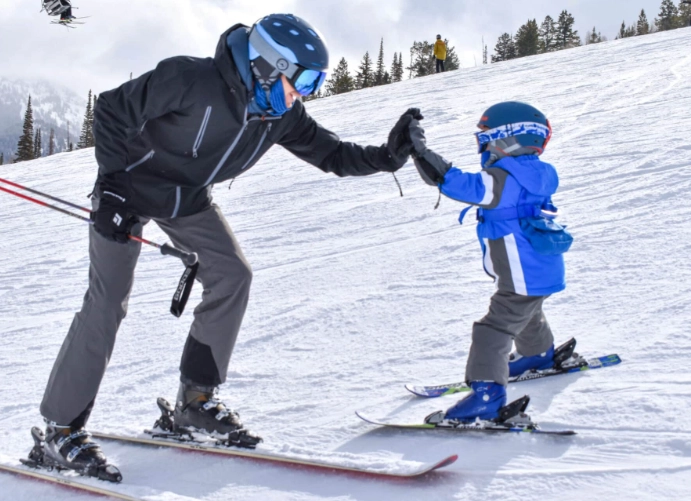
| Age Range | Realistic Expectations & Focus | Recommended Lesson Type |
|---|---|---|
| 3-4 Years Old | More play than ski. Focus is on getting comfortable in gear, sliding on flat ground, having fun in the snow. Very short attention span. Success is no tears and a smile. | Parent & Tot programs (if available) or VERY short, play-based group sessions (max 1-2 hours). |
| 5-7 Years Old | The sweet spot for many kids. Better coordination, can follow simple instructions. Can learn basic gliding, stopping (pizza wedge), and turning. Can handle a 2-3 hour lesson with breaks. | Half-day group lessons specifically for first-timers. Look for programs with a high instructor-to-student ratio. |
| 8+ Years Old | Can grasp concepts faster, have more stamina. May progress quicker from the beginner area. May also have more fear or self-consciousness to manage. | Group lessons are great. Private lessons can be a fantastic investment to build confidence quickly if budget allows. |
My middle child started at 4 and hated the structured lesson. We waited a year, tried again at 5 with a different approach, and it clicked. There's no trophy for starting youngest.
Gear: To Rent, To Borrow, or To Buy?
For a genuine first time skiing, I am a huge advocate for renting—from the resort. Yes, it's more expensive than a generic sports store rental, but resort rental shops have well-maintained, current-season gear that is adjusted by professionals. Ill-fitting boots are the #1 mood killer. A boot that's too big offers no control and causes blisters; one that's too small is pure torture.
Pro-Tip on Boots: When trying on ski boots, have your child wear the socks they'll ski in (thin, moisture-wicking ski socks, not thick cotton ones!). They should be snug but not painfully tight. Heel should not lift when they lean forward. Let them walk around the shop for a few minutes. Complaints of "tight" are normal. Complaints of sharp pain are not.
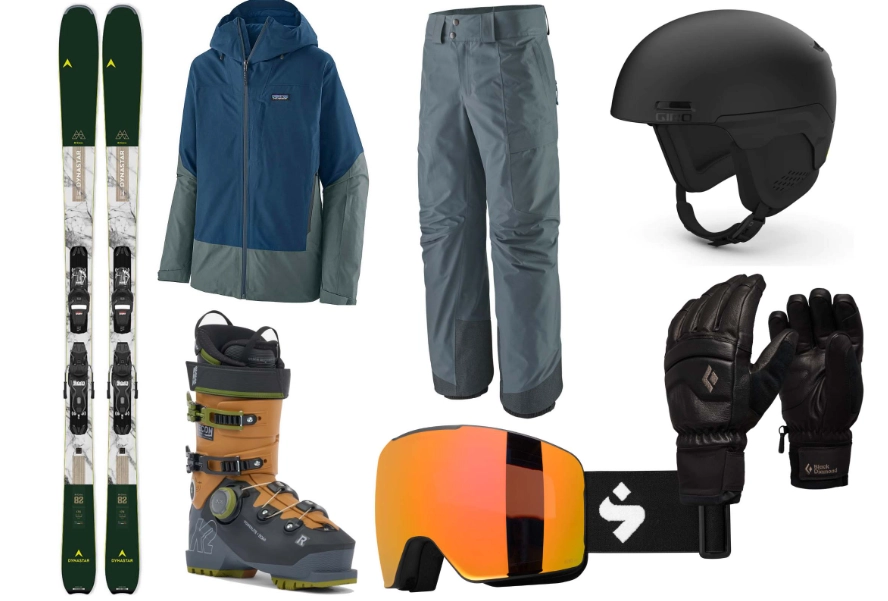
Here’s a quick gear checklist for your kid's ski debut:
- Ski Jacket & Pants (Snow Pants): Waterproof and breathable is key. No jeans. Ever.
- Base Layers: Merino wool or synthetic thermal top and bottom. Cotton gets wet and stays cold.
- Mid-Layer: A fleece or lightweight puffy for insulation.
- Socks: One pair of thin, knee-high ski socks. Not two pairs of ankle socks.
- Gloves or Mittens: Mittens are warmer for little hands. Get waterproof ones, and consider a spare pair.
- Helmet: Non-negotiable. Rent or buy. It must be a ski/snowboard helmet, not a bike helmet. Ensure it fits snugly. For safety standards, you can reference resources like the U.S. Consumer Product Safety Commission for general helmet safety guidelines.
- Goggles: Protect from wind, sun, and snow. Sunglasses can work on sunny days, but goggles are better.
- Neck Gaiter / Balaclava: Small item, huge impact on comfort.
The Biggest Gear Mistake: Buying brand-new, expensive gear before you know if they'll like it. Kids grow fast, and preferences change. Use that first season as a trial run. If they're begging to go back by spring, then consider end-of-season sales for next year.
Choosing the Right Ski Resort and Lessons
Not all ski areas are created equal for beginners. Look for a resort that genuinely caters to first-timers. What does that mean?
- A dedicated, separate beginner area (often called a "learning zone" or "magic carpet area") that is flat, wide, and away from faster skiers.
- Magic carpet lifts (conveyor belts) instead of only rope tows or chairlifts for the beginner hill. They are less intimidating.
- A reputable ski school with a specific "First Timer" or "Never Ever" program for kids. Read reviews! Look for mentions of patient, engaging instructors.
- Consider smaller, local mountains. They are often less overwhelming, cheaper, and have shorter lines.
Should you teach them yourself? Unless you are a certified ski instructor with the patience of a saint and a willingness to potentially strain your relationship, I strongly advise against it for the very first time. A professional instructor knows the progression drills, has the authority of a neutral party, and allows you to be the supportive parent, not the frustrated teacher. It's worth every penny.
Organizations like the Professional Ski Instructors of America (PSIA) set the standards for ski instruction in the U.S. A resort with PSIA-certified instructors is a good sign.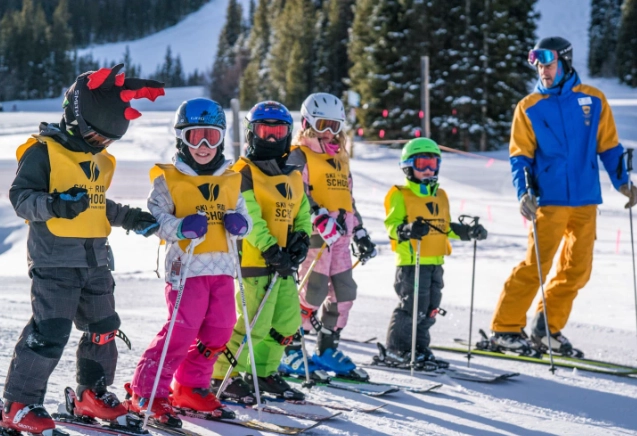
The Big Day: Navigating the First Time on Snow
Today's the day. Your kid is skiing for the first time. Chaos is normal. Embrace it with a plan.
Morning of: Setting the Tone
Start early but don't rush. A frantic morning leads to a stressed child. Have all gear laid out the night before. Feed them a solid breakfast (oatmeal, eggs, bananas—carbs and protein). No sugary cereals that will lead to a mid-morning crash.
At the Resort: The Step-by-Step Flow
- Check-In & Rental: Go straight to the ski school/rental area. This will take longer than you think. Be patient.
- Meet the Instructor: Introduce your child, share any concerns (shyness, fears, allergies). Then leave. A clean, confident goodbye is better than a lingering, anxious one.
- Your Job Now: Be nearby but out of sight. Enjoy a coffee. Watch from a distance. Do NOT ski over to them every 10 minutes to check in. It undermines the instructor and distracts your child.
What Are They Actually Learning? The Realistic Progression
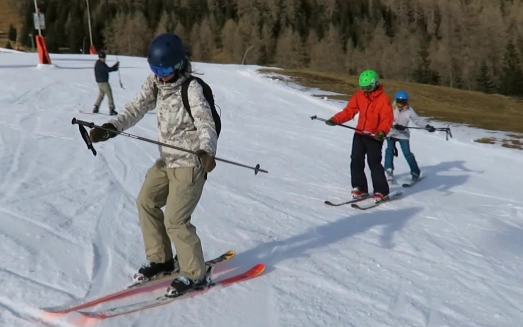
A good first lesson for a kid has almost nothing to do with pointing skis downhill. It's about play and familiarity.
- Phase 1: The Penguin Waddle. Walking in ski boots on flat snow.
- Phase 2: The Magic Carpet Ride. Getting on and off the conveyor lift—a fun activity in itself.
- Phase 3: The Slip & Slide. Putting on skis and just shuffling on flat ground, maybe playing "Red Light, Green Light."
- Phase 4: The Pizza Wedge (Snowplow). Learning to point the ski tips together to make a wedge and slow down/stop. This is the holy grail of day one.
- Phase 5: The Gentle Glide. Going down a tiny, gentle slope in their pizza wedge, with the instructor right beside them.
If they accomplish Phase 5 by the end of a half-day lesson, it's a wild success. Some kids might only get to Phase 3. That's okay.
After the Lesson: The Critical Debrief
When you reunite, your first words are crucial. Don't ask: "Did you win?" "How fast did you go?" "Did you beat the other kids?"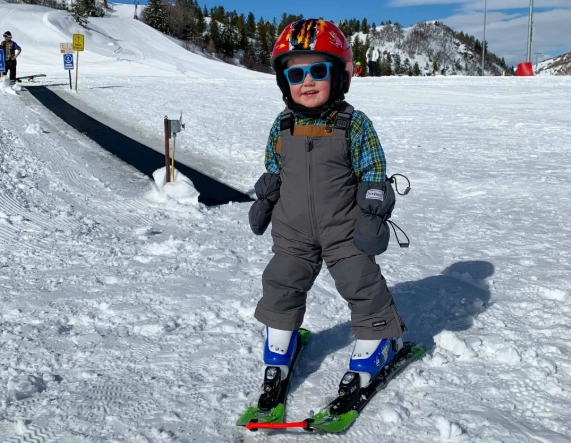
Ask instead: "Did you have fun?" "What was the silliest thing you did?" "Did you like your instructor?" "What was the magic carpet like?"
Listen. Celebrate any tiny achievement. Then, drop it. Don't force them to "show you what they learned" right then. They're tired.
Beyond Day One: Fostering a Lifelong Love (If They Want It)
So, your kid's first time on skis is done. They're (hopefully) buzzing. Or maybe they're ambivalent. What now?
If They Loved It: Keeping the Momentum
Strike while the iron is warm, not hot. Book the next lesson or trip for a few weeks later, not tomorrow. Let the memory marinate. Practice balance games at home (standing on one foot, walking on a pretend balance beam). Watch skiing in the Olympics together. The goal is to make it part of their identity—"I'm a skier."
If They Were "Meh" or Scared: The Gentle Pivot
This is more common than social media lets on. Maybe the first ski experience was just okay, or cold, or tiring. That's fine. Don't force a second trip immediately. Focus on the other parts of the winter adventure they did enjoy. "Remember how fun it was to drink hot chocolate by the fire after? Let's do a winter cabin weekend with sledding." You can always reintroduce skiing later, maybe at a different resort or with a one-on-one private lesson to target specific hesitations.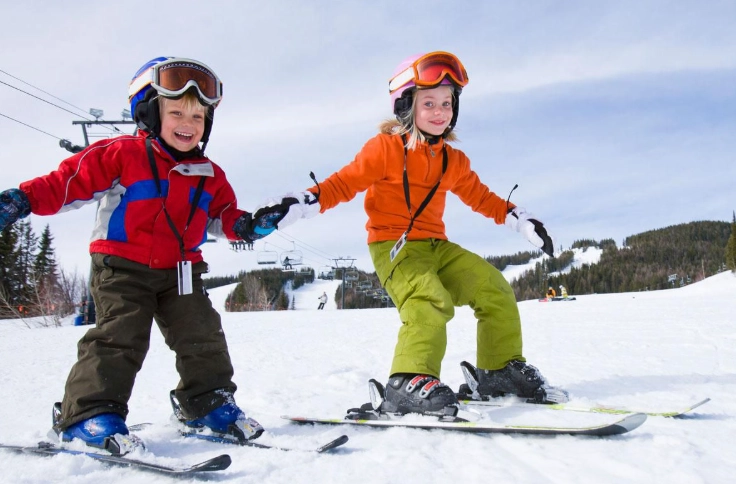
Safety: The Non-Negotiable Foundation
A positive experience is a safe one. This goes beyond the helmet.
- Sun Protection: Sunscreen on every exposed patch, even on cloudy days. The snow reflects UV rays intensely.
- Hydration: Kids won't ask for water. Force it on them during breaks. Dehydration leads to fatigue and crankiness.
- Cold & Layering: Check in on their comfort. Are they sweating? Remove a layer. Are they shivering? Add one. The National Ski Patrol (NSP) emphasizes the importance of proper layering to prevent hypothermia.
- The Responsibility Code: Even beginners should know the basics: always stay in control, people ahead of you have the right of way, stop in a safe place where you can be seen. You can find the full Skier Responsibility Code on most resort websites and the NSP site.
At the end of the day, your child's first time skiing is just that—a first. It's an introduction, not a final exam. Some kids will take to it like a duck to water. Others will need more time to warm up to the sensation of sliding. Both outcomes are perfectly normal and okay.
The true measure of success isn't the vertical feet they descended or the perfect turn they made. It's the look on their face when they come off the magic carpet, the pride in their voice when they say "I did my pizza stop all by myself," and the simple question as you're driving home: "When can we do that again?"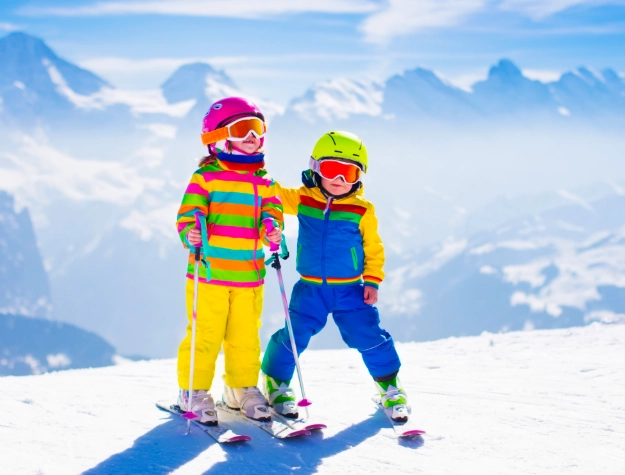
That's the magic you're after. Everything else is just snow.