Let's cut to the chase: the elevation at Winter Park Resort isn't just a number on a trail map. It's the single most important factor shaping your entire experience on the mountain, from the quality of the snow under your skis to how you feel when you wake up on day two. Nestled in the Colorado Rockies, Winter Park's lofty perch creates legendary dry powder and expansive views, but it also demands respect. I've seen too many visitors—even experienced skiers—underestimate it and pay the price with headaches and fatigue that ruin a precious vacation day. This guide dives deep into what Winter Park Resort elevation really means for you, breaking down the numbers, the science, and the real-world strategies you need to ski your best and feel your best.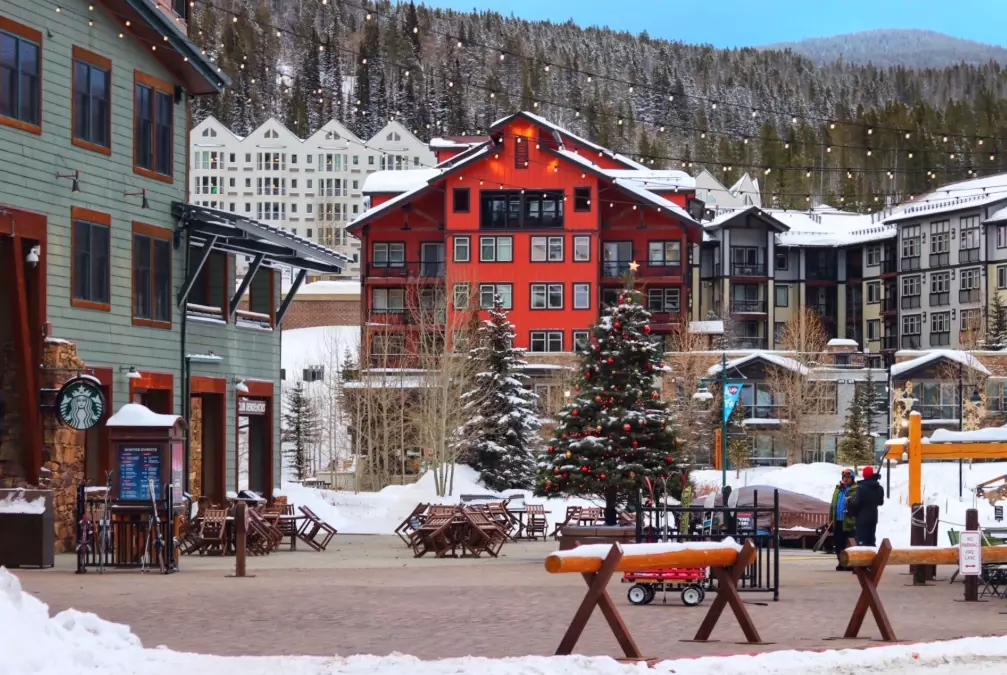
Quick Navigation: What You'll Find Here
Winter Park Resort: The Colorado High-Alpine Playground
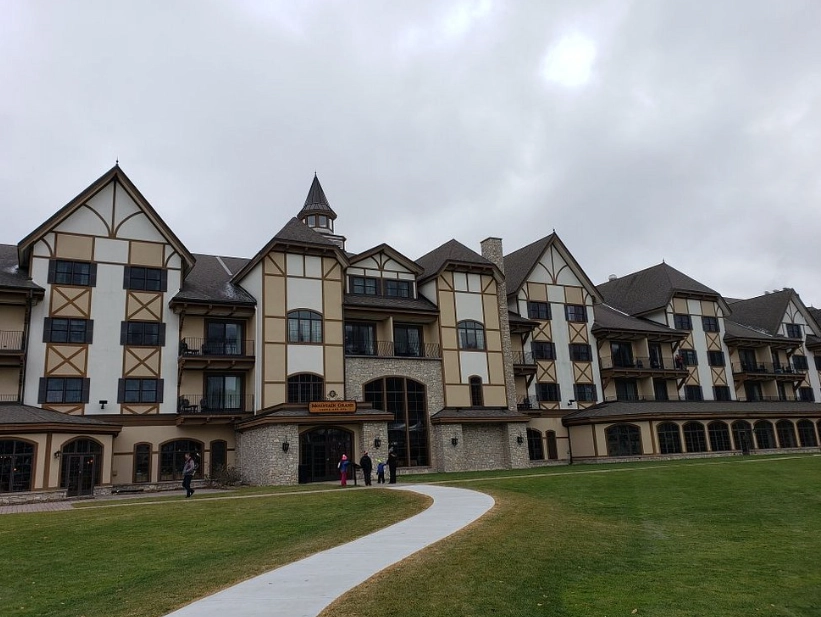
Before we get into the thin air, let's ground the resort in reality. Winter Park isn't just one mountain; it's a massive interconnected complex with two distinct mountains—Winter Park and Mary Jane—plus multiple territories. It's located about 67 miles northwest of Denver, making it the closest major Colorado resort to the city. The resort operates under a special use permit within the Arapaho National Forest.
Address & Contact: 85 Parsenn Rd, Winter Park, CO 80482. For the latest conditions, always check the official Winter Park Resort website.
Typical Season: Mid-November through mid-April, weather permitting. The high elevation is key to this long season.
Getting There: The most scenic route is taking the Amtrak's Winter Park Express train from Denver Union Station right to the base village. Driving I-70 west and taking US-40 over Berthoud Pass is the standard route, but be prepared for mountain driving and potential chain laws.
The Numbers: Breaking Down Winter Park's Elevation
When people ask "What is the elevation of Winter Park Resort?" they're usually expecting one number. The truth is more nuanced, and understanding the different levels is crucial for planning.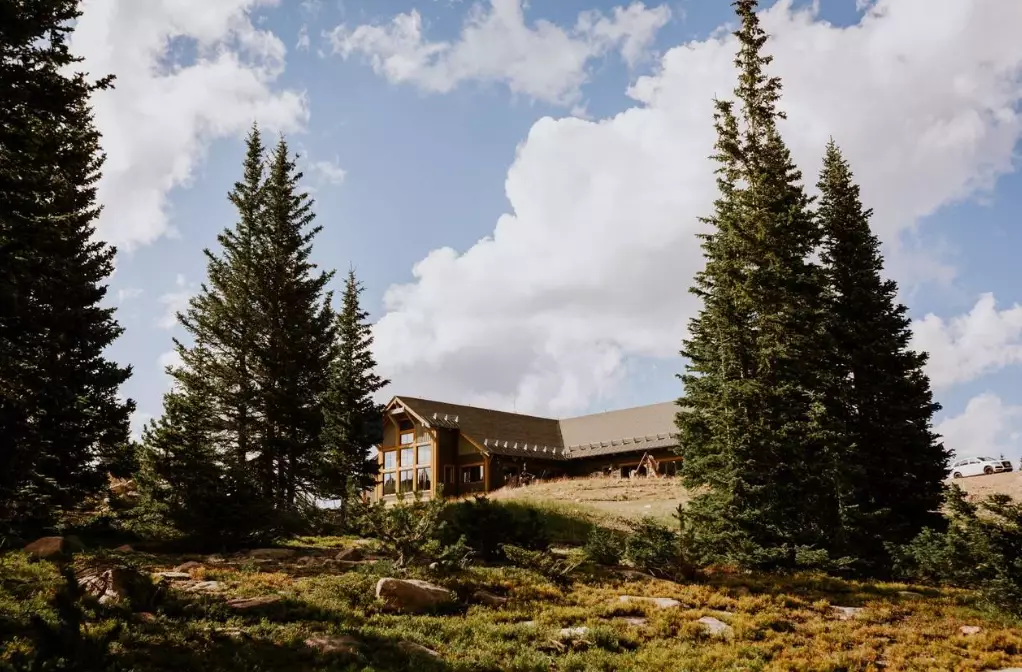
| Location | Elevation (Feet) | Elevation (Meters) | Why It Matters |
|---|---|---|---|
| Parsenn Bowl (Summit) | 12,060 ft | 3,676 m | The highest skiable point. This is where you'll find the most challenging terrain and thinnest air. |
| Mary Jane Territory (Summit) | ~12,000 ft | ~3,658 m | Home to famous bump runs and expert terrain. The air is just as thin here. |
| Winter Park Base (Village) | 9,000 ft | 2,743 m | Where you park, stay, and start your day. Already high enough to trigger altitude issues for some. |
| Denver (Comparison) | 5,280 ft | 1,609 m | You're gaining over 3,700 feet just by driving from the airport to the resort base. |
That jump from Denver to the base village is the sneaky part. Your body has to adjust to a 40% reduction in oxygen pressure almost immediately. The summit adds another 3,000 feet on top of that. It's a layered challenge.
The Real Impact of Those Numbers
Here's a non-consensus point I've learned from guiding friends here: the biggest mistake isn't going to the summit on day one. It's assuming you're fine because you're just hanging at the 9,000-foot base. You can get a nasty headache from overdoing it in the village just walking around with luggage, having a beer, and then trying to sleep. The adjustment starts the moment you arrive, not when you click into your skis.
How Does Elevation Affect Your Winter Park Ski Trip?
Elevation touches every part of your ski day. Let's break it into the good, the challenging, and the manageable.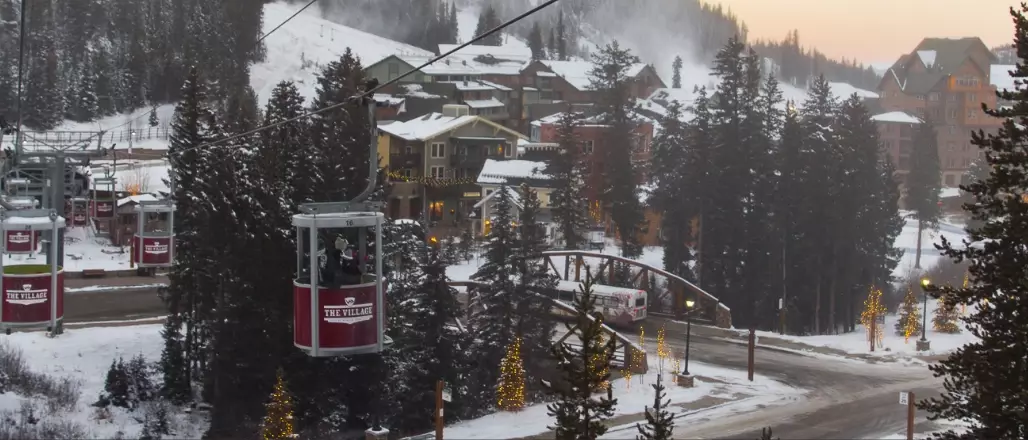
The Major Benefit: Snow Quality
This is why we come. Cold air holds less moisture. At 12,000 feet, the air is dry and cold, producing the famous Colorado Champagne Powder®. It's light, fluffy, and deep. The high elevation means the snow stays in better condition longer, even on sunny days. You'll notice the difference immediately if you're used to skiing at lower-elevation resorts on the East Coast or in Europe.
The Physical Challenge: It's a Workout
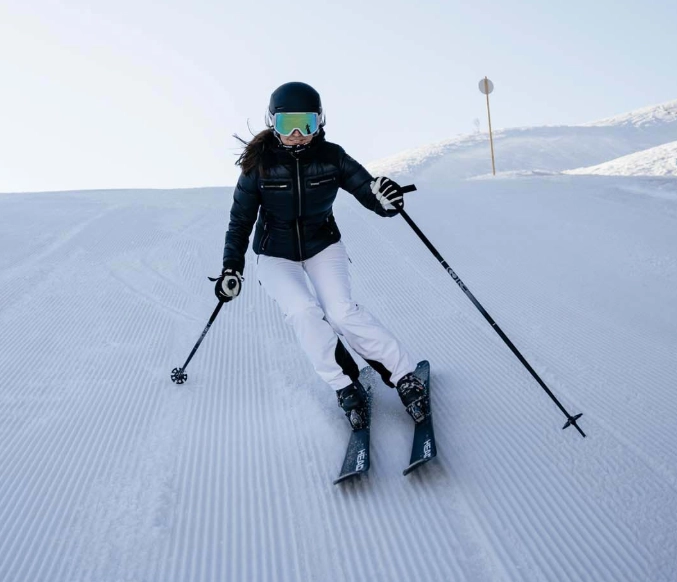
Skiing is already exercise. At high altitude, every movement requires more effort because your muscles are getting less oxygen. You'll tire faster. Your heart rate will be higher for the same run. This is especially pronounced on mogul runs at Mary Jane or hiking to terrain in The Cirque. It's not that you're out of shape; you're just operating in a physiologically demanding environment.
Terrain and Difficulty Perception
A blue run at 11,000 feet can feel like a black diamond if you're gasping for air. The elevation adds a hidden layer of difficulty. My advice? Dial back your usual run rating by one level on your first day. If you normally ski black diamonds, start on blues. Let your body adjust to the altitude before tackling the steepest stuff.
How to Acclimate to Winter Park's High Altitude
You can't change the elevation, but you can absolutely manage your response to it. These aren't just generic tips; they're a battle-tested system.
- Hydrate Like It's Your Job: Start drinking extra water 2 days before you arrive. On the mountain, carry a hydration pack or make a conscious effort to stop for water every 90 minutes. The dry air pulls moisture from your body through respiration, and dehydration is altitude sickness's best friend. I aim for at least 3-4 liters of water per day on the mountain.
- Ease Into It: Your first day, plan to ski shorter hours. Maybe 10 AM to 2 PM. Spend the morning on the Winter Park side, which generally has more beginner and intermediate terrain at a slightly lower elevation than Mary Jane's summit. Save the Parsenn Bowl or Mary Jane summit for day two or three.
- Fuel Smartly: Eat lighter, carbohydrate-rich meals. Avoid heavy, greasy foods that demand more energy to digest. And here's the tough one: severely limit or avoid alcohol for at least the first 48 hours. Alcohol dehydrates you and depresses your respiratory drive, making altitude symptoms much worse. That welcome beer at lunch can lead to a pounding headache by dinner.
- Listen to Your Body: Headache, dizziness, nausea, unusual fatigue? These are signs. The cure is to go down. Not just to the lodge, but literally descend in elevation. Go back to your accommodation, rest, and hydrate. Trying to "push through" is a guaranteed way to ruin your next day, too.
The CDC's guidelines on altitude illness are a sobering but essential read. They recommend ascending gradually, which is hard with a short ski trip, making the other tips even more critical.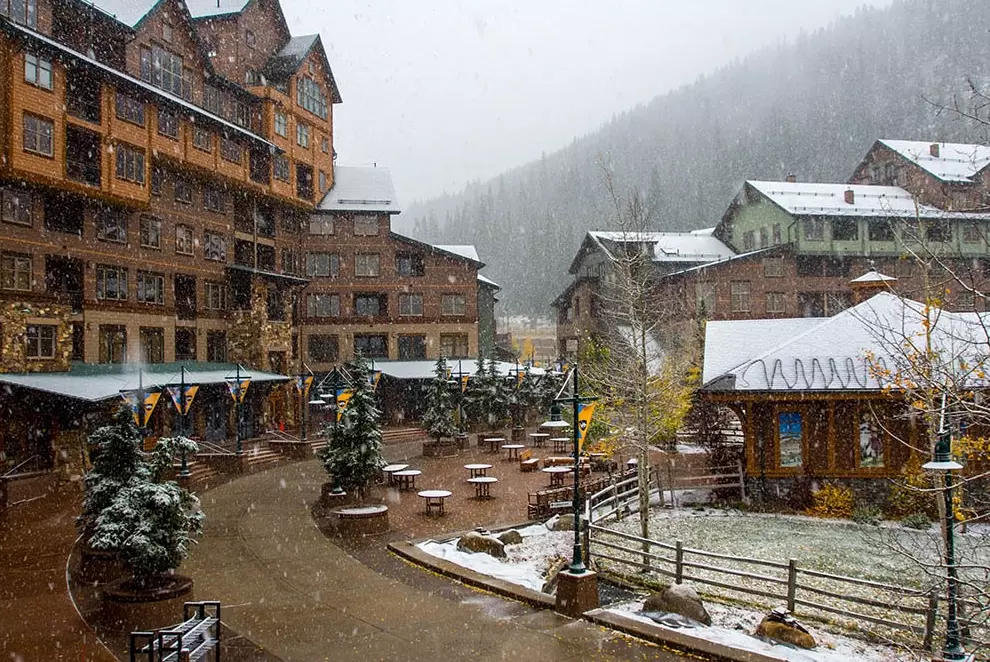
Planning Your Trip Around the Elevation
Use the elevation to your advantage when structuring your visit.
For Beginners & Families: Stick to the Winter Park base area and the Discovery Park learning zone. The greens and easier blues here are perfect for getting your legs and lungs in sync without the added stress of extreme height. The Galloping Goose lift is a great starting point.
For Intermediate Skiers Seeking Challenge: After a warm-up day, take the Panoramic Express lift. It doesn't go to the tippy-top, but it opens up incredible above-treeline bowls and long cruisers at a more manageable altitude than the summit. The views are just as stunning.
For Experts Chasing the Summit: Plan your summit day for when you feel adjusted. Take the Arrow lift to the top of Mary Jane or the Panoramic Express to Parsenn Bowl. Start early, bring water and snacks, and be prepared to take more breaks than usual. The reward—steep, deep, untouched lines—is worth the planning.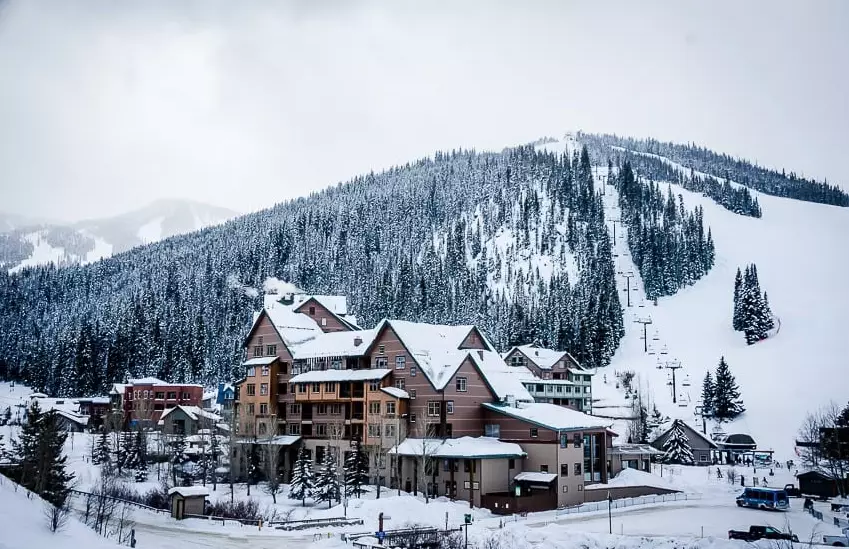
Your Winter Park Elevation Questions Answered
Does Winter Park's elevation make skiing harder for beginners?
I'm coming from sea level. Should I spend a night in Denver first to acclimate?
 What's the one piece of gear most people forget for high-altitude skiing?
Are there any trails or areas I should avoid if I'm sensitive to altitude?