Quick Guide
You know that feeling, right? You're tucked up in your cozy chalet after a long day on the mountain, maybe sipping something warm, and you hear it in the distance. A low, steady rumble. The growl of a diesel engine working its way across the blackness. It's the sound of the piste basher, the snowcat, the groomer—whatever you call it—doing its thing. And it always sparks that question: do those machines ever stop? Do piste bashers work all night, every night, to give us those perfect corduroy stripes for the morning?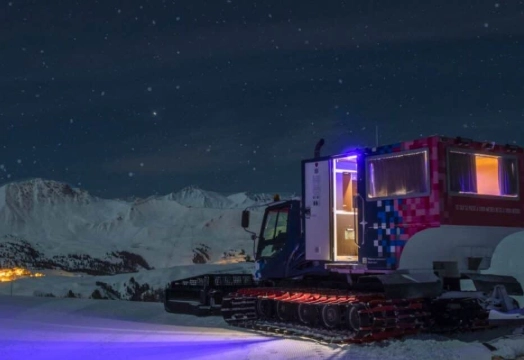
The short, honest answer is: it depends. It's not a simple yes or no. Asking if piste bashers work all night is like asking if a chef works all night before a big banquet. Sometimes, absolutely. Other times, the prep work finishes earlier, or the menu changes due to what's in the pantry (or in this case, falling from the sky).
I've spent seasons working in and around ski resorts, and I've had more than a few late-night chats with grooming teams. Their world is ruled by a different clock, one set by snow, temperature, and the relentless expectation of perfect slopes. Let's peel back the curtain on that world.
The Core Mission: What Are They Actually Doing Out There?
First, we need to understand the job. "Grooming" isn't just driving a fancy tractor over snow. It's a precise, technical operation. A modern piste basher is a multi-tool on tracks. Its main tasks are:
- Breaking up and redistributing snow: The tiller at the back chews up the day's chopped-up, skied-out snow (the "mogul field") and the hard icy patches.
- Compacting the base: This creates a firm, stable layer that resorts to a solid foundation for the season.
- Laying the final surface: The drag mat or "winch cat" blade at the back smooths everything out into that iconic corduroy pattern, which isn't just for looks—it provides predictable grip.
- Moving snow around: From piles left by snow cannons to filling in thin spots, they're constantly managing the snowpack.
This work is incredibly fuel, time, and labor-intensive. A single machine can cost well over $500,000, and running it isn't cheap. So, resorts don't just send them out for fun. Every pass has to count.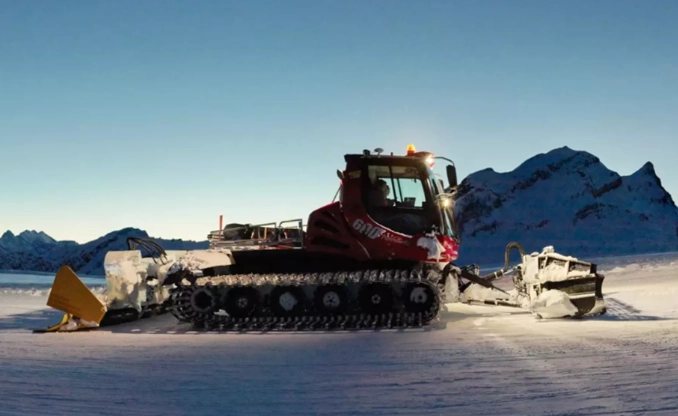
The Million-Dollar Question: The Nightly Schedule
Alright, let's get to the heart of it. Do piste bashers work all night? Here’s the breakdown of what typically happens between the last chairlift ride and the first one the next morning.
The Ideal Scenario: The Full Night Shift
In a perfect world, with stable weather and a typical mid-season crowd, the grooming team aims for what I call the "sweet spot window." This isn't necessarily all night, but it's a solid, long block of darkness.
Grooming usually can't start until the slopes are completely clear of people. That means ski patrol does a final sweep, and sometimes you have to wait for late diners to leave mountain restaurants. So, work might start around 6 PM or even later. From there, they'll work steadily until 4 or 5 AM. Why stop then? Two reasons: light and temperature.
Finishing a couple of hours before sunrise allows the freshly groomed snow to "set up." As temperatures drop in the early morning, the surface hardens slightly, creating that perfect, carvable corduroy. If you groom right up to opening, the snow can be too soft and mushy.
So, in this standard case, do piste bashers work all night? Pretty much, yes. They're operating through the core nighttime hours.
The Weather Wildcard
This is where the simple answer falls apart. Weather is the boss. Here’s how it changes the game:
During a Snowstorm: This is a game-changer. If it's dumping snow, the grooming strategy flips. Now, the priority isn't creating corduroy from old snow; it's integrating and compacting the new snow. They might go out multiple times during the night to pack down fresh falls, preventing the buildup of dangerous deep, unconsolidated powder that can lead to avalanche risk on controlled slopes. In a heavy storm, piste bashers might indeed work all night long in a more stop-start fashion, tackling different sectors as snow accumulates.
Warm Temperatures or Rain: If the temperature is too high (usually above freezing at night), grooming can do more harm than good. The machines can sink in, creating ruts, and the wet snow just clogs up the tillers. In these conditions, the team might delay start times until the temperature drops, work only on higher, colder slopes, or even call off grooming entirely for certain runs. So, on a warm night, the answer to "do piste bashers work all night?" could be a definite no.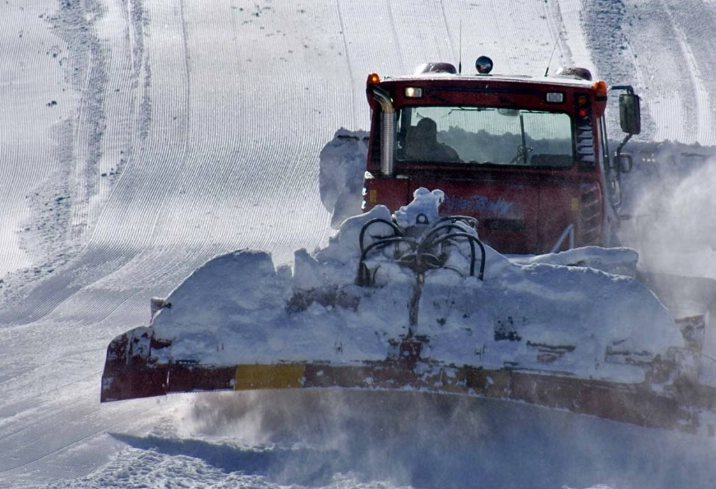
Resort Size and Resources Matter
A small local hill with five runs has a very different logistics chain than a massive destination resort like Whistler or the 3 Valleys.
Large Resorts: They have fleets. While one team might finish a sector by midnight, another might be starting on a high-altitude glacier area at 2 AM. For them, grooming is a 24/7 operation during the season, with different teams on overlapping shifts. So across the resort as a whole, yes, piste bashers are working all night. But an individual machine and driver have strict hours due to safety regulations.
Smaller Resorts: They might have one or two machines. They'll prioritize the main, high-traffic runs (the greens and blues off the main lift) and might not touch expert terrain or periphery areas every night. Their work window might be shorter, say 7 PM to 2 AM.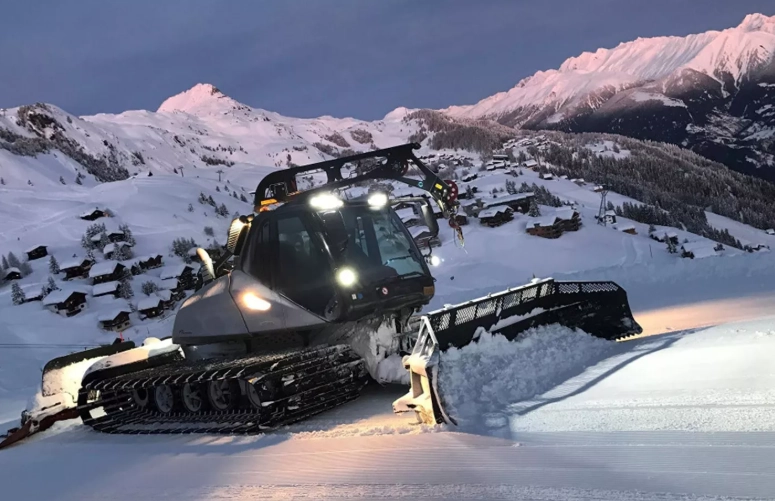
Here’s a quick table to visualize how different factors push the answer one way or the other:
| Situation / Factor | Likely Grooming Hours | Answer to "All Night?" | Reasoning |
|---|---|---|---|
| Standard Mid-Season Night | ~6 PM - 4 AM | Most of the night | Core window for compaction and finishing before dawn. |
| Heavy Snowfall Event | Intermittent, possibly 5 PM - 6 AM | Yes, actively | Need to repeatedly pack new snow for safety and integration. |
| Warm/Rainy Night | Delayed, shortened, or none | No | Machines can't operate effectively; risk of damage to snowpack. |
| Large Mega-Resort | Staggered shifts, 24/7 coverage | Yes (across the fleet) | Scale requires constant operation on different terrain. |
| Small Local Hill | ~7 PM - 1 AM | No, a focused block | Limited resources, focus on key runs only. |
Beyond the Schedule: The Human and Machine Reality
We talk about machines, but let's talk about the people inside them. Driver fatigue is a huge concern. Operating these complex machines on steep, often pitch-black slopes requires immense concentration. Most reputable resorts and regions have strict labor laws and internal policies limiting consecutive driving hours. A 10-hour shift is long; a true "all-night" 12-hour shift is rare and often broken up with mandatory rest periods.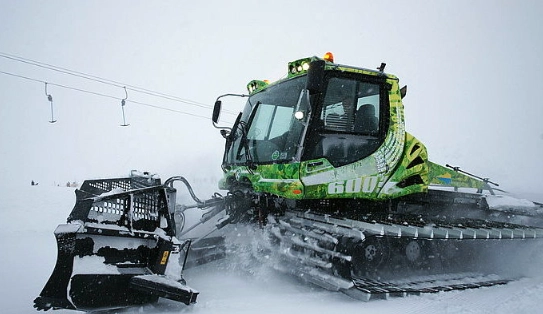
The machines themselves need maintenance. They're serviced during the day, but sometimes a breakdown happens on the hill at 2 AM. That can pull a machine offline for the rest of the night.
And then there's the noise. It's a real issue. Resorts with slopes near residential areas often have negotiated "quiet hours" where grooming cannot happen, or must use specific, low-noise routes. I know of a resort in the Alps where grooming on a particular slope must stop by 11 PM due to a nearby village. So, local ordinances can directly prevent piste bashers from working all night.
What This Means for You, the Skier or Boarder
Understanding this isn't just trivia. It helps you plan your day and manage expectations.
- For First Tracks: Want perfect corduroy? Target slopes that are high-traffic, beginner/intermediate, and close to main lifts. These are the top grooming priority. Asking if piste bashers work all night on these runs? The answer is almost certainly yes.
- For Bumps and Natural Snow: Prefer moguls or powder stashes? Look to the steeper, expert terrain or the sides of the runs. These are often groomed less frequently, sometimes only once or twice a week.
- Check the Grooming Report: Most resorts publish a daily grooming map online or on their app. This is your insider information. It tells you exactly what was groomed the previous night. Don't guess—check it!
It's the ultimate cheat sheet.
Common Questions, Straight Answers
Let's tackle some related questions that pop up when people wonder about the night life of snowcats.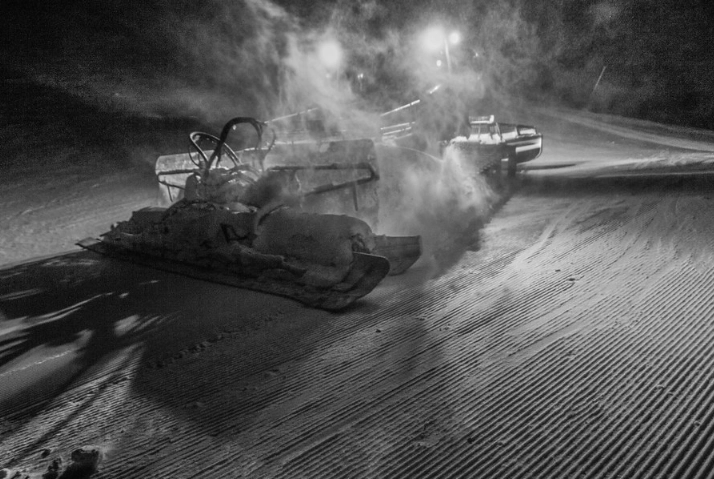
Sometimes, yes. On very wide, gentle slopes, a resort might do "day grooming" on a small section while the area is open to the public, using spotters and clear markings. It's more common for specialty tasks like building terrain park features (halfpipes, jumps). But for standard slope grooming, night is prime time for safety and snow quality reasons.
It's slow work. Speed is often 3-6 mph. A single, long intermediate run might take 2-3 hours for a single pass. A machine might only manage 3-5 major runs in a full shift, depending on length and complexity. That's why prioritization is key.
Not necessarily. It's about finishing at the right time (early morning) to let the snow set. A run groomed by midnight and left to sit for 6 hours in freezing air can be sublime. A run finished at 7 AM might still be soft. The duration matters less than the completion time relative to sunrise and temperature curve.
Often, yes! Many resort webcams have night vision or low-light modes. If you're curious, pull up the cams late at night (your time) and look for moving lights on the slopes. It's a cool way to see the answer to "do piste bashers work all night?" in real-time.
A Peek at the Technology and Rules
The industry isn't static. The National Ski Patrol and resort associations are deeply involved in setting safety standards for all mountain operations, including grooming. Furthermore, equipment manufacturers are always innovating. Companies like Prinoth and PistenBully are leading the charge with more efficient, quieter, and even hybrid-electric groomers (like Prinoth's LEAFhyrbrid technology), which could change nighttime noise profiles and operational costs in the future.
Environmental impact is also a growing driver. The National Ski Areas Association (NSAA) has sustainability initiatives that touch on resort operations, encouraging efficiency that can influence how and when machines are deployed.
I remember one night talking to a veteran groomer. He said something that stuck with me: "We're not making snow for you to ski on at 8 AM. We're making snow for you to ski on at 2 PM, after thousands of people have been on it. We're building a platform that lasts." That really shifted my perspective.
The Final Verdict
So, do piste bashers work all night?
The most accurate answer is this: Grooming operations are designed to occupy the core nighttime hours, often from early evening until just before dawn. Whether this constitutes "all night" is semantic. In practice, for the majority of skiers on the majority of nights, the machines are working while you sleep, transforming the mountain. But they are not mindless robots on an endless loop. Their schedule is a dynamic, intelligent response to snow conditions, weather, resort size, human factors, and local rules.
The next time you hear that rumble in the dark, you'll know it's the sound of a complex, carefully planned operation. It's the sound of the mountain being reset. And whether that operation lasts all night or just a crucial part of it, the goal is the same: to give you the best possible surface to play on when the sun comes up.
Now, who's ready for first tracks?