Let's be honest. Dropping your skis off at the shop for a wax every few weeks adds up. I used to do it, watching the season's budget melt away faster than spring snow. Then I tried waxing them myself in my garage. It wasn't pretty the first time—I used an old clothes iron and melted wax everywhere. But I got the hang of it. Now, a proper at-home wax job takes me under an hour, costs pennies compared to shop rates, and my skis glide better than ever because I'm the one controlling the process.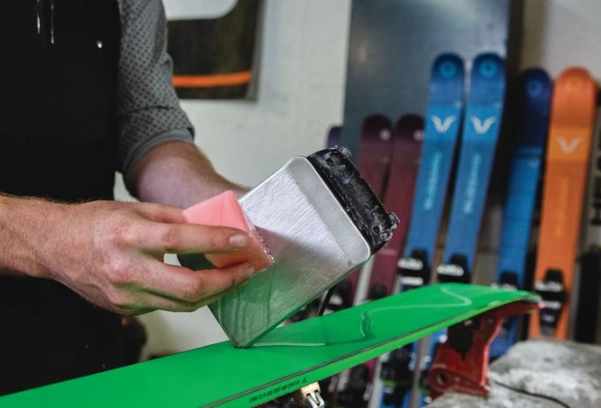
Waxing isn't some mystical art reserved for ski techs. It's basic ski maintenance, and doing it yourself gives you a direct connection to your gear. You'll feel the difference on the snow immediately.
What You'll Learn In This Guide
Why Bother Waxing Skis at Home?
Beyond saving money (which is significant), there are real performance benefits. A freshly waxed base reduces friction, meaning you glide faster with less effort. It also protects the porous base material from drying out and becoming brittle, which can lead to permanent damage. When you do it yourself, you can wax as often as needed—after every 3-4 days on snow is ideal—not just when you remember to go to the shop.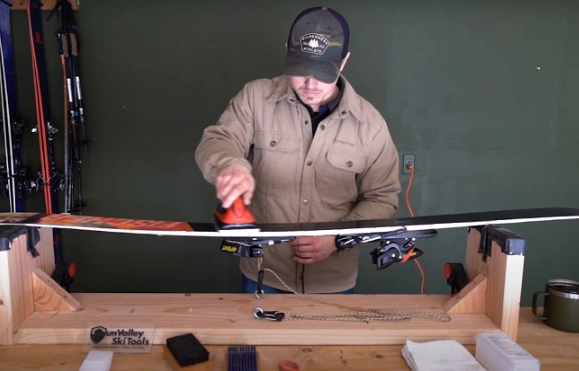
There's a satisfaction factor, too. Tuning your own equipment makes you a more informed skier. You start to notice how different snow temperatures affect your glide, and you can tailor your wax choice accordingly.
Essential Tools You Need (And What You Can Skip)
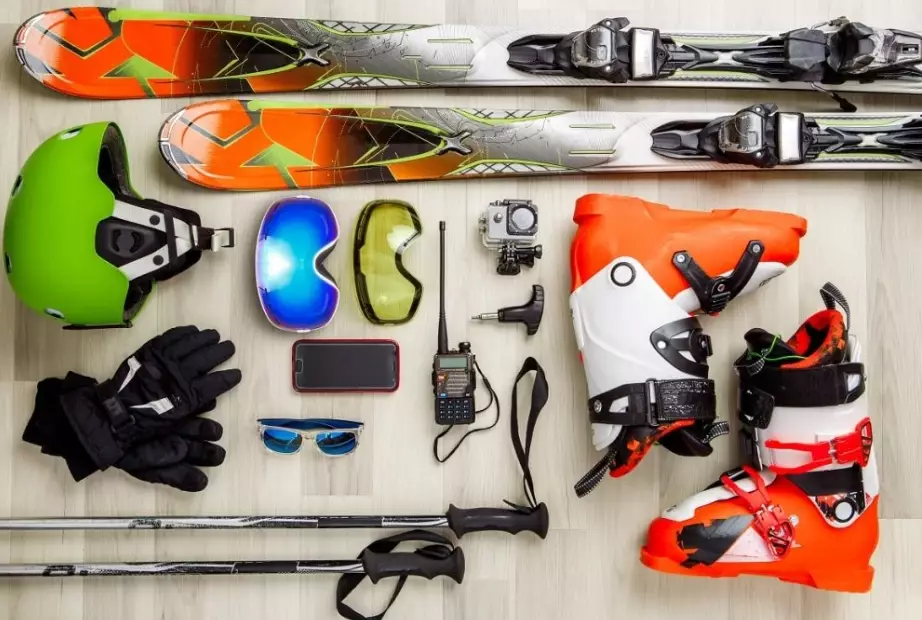
You don't need a pro shop's worth of gear. A focused starter kit is all it takes. Here’s the breakdown of what's critical, what's nice to have, and what's a waste of cash for a beginner.
| Tool | Purpose | Priority & Notes |
|---|---|---|
| Waxing Iron | To melt and evenly spread wax onto the ski base. | Essential. Do NOT use a clothes iron with steam holes. A dedicated ski wax iron has a flat, smooth soleplate and precise temp control. Brands like Swix or Toko offer good entry-level models. |
| Ski Vise | To hold your ski securely at a comfortable working height. | Highly Recommended. You can rig something up with wood blocks, but a proper vise (like one from RaceWax) saves your back and makes the job 10x easier. |
| Plastic Scraper | To remove excess cooled wax from the base. | Essential. Get a few. They're cheap and can flex to follow the ski's contour. A 4-inch wide scraper is perfect. |
| Nylon or Horsehair Brush | To buff the base after scraping, opening the structure for glide. | Essential. This is the step most beginners skip, and it's a huge mistake. Brushing makes the difference between a sticky ski and a fast one. |
| Ski Wax | The magic sauce. Comes in temperature-specific formulas (cold, warm, all-temp). | Essential. Start with a universal "all-temperature" wax. It's forgiving and works decently in most conditions. |
| Scraper Sharpener | A simple file to keep your plastic scraper edges sharp and square. | Nice to Have. A dull scraper leaves wax behind. You can use a metal file in a pinch. |
| Rotary Brush/Dremel Tool | Power tool for aggressive brushing or base cleaning. | Skip for Now. This is for advanced tuning. Hand brushing is more than sufficient when you're starting out. |
My first setup cost me about what two professional wax jobs would have. It paid for itself in one season.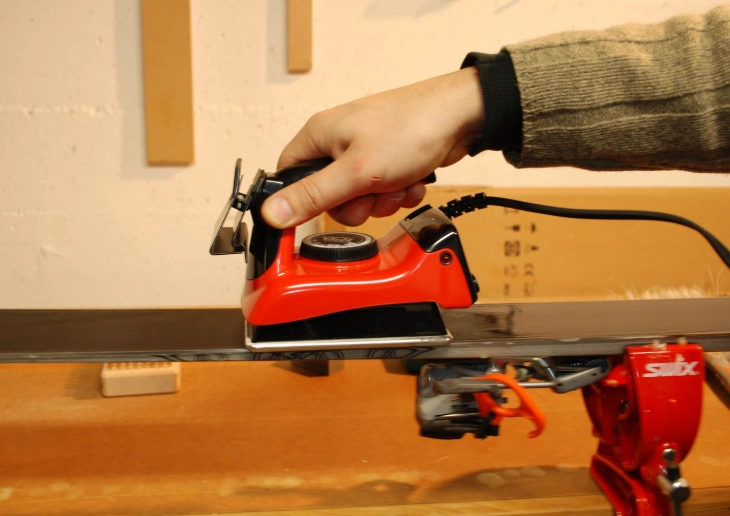
The Step-by-Step Waxing Process
Here’s the exact sequence I follow every time. It looks like a lot of steps, but once you've done it twice, it becomes muscle memory.
1. Clean and Dry Your Skis
This is non-negotiable. Wax won't adhere to a dirty base. Wipe down the entire base with a clean rag to remove surface dirt. If your skis are really grimy, use a dedicated base cleaner (like Swix Base Cleaner) or a mild citrus-based cleaner on a rag. Let them dry completely. Any moisture will sizzle when the hot iron hits it and create pockets where wax can't penetrate.
2. Secure the Ski and Drip the Wax
Clamp the ski in your vise, base facing up. Plug in your waxing iron and set it to the temperature recommended on your wax package (usually between 120°C and 150°C / 250°F and 300°F). Hold the wax bar against the hot iron and let it drip onto the base in a zig-zag pattern, from tip to tail. You don't need a ton. Think of sprinkling cheese on a pizza—enough to cover it lightly, not a mountain of it.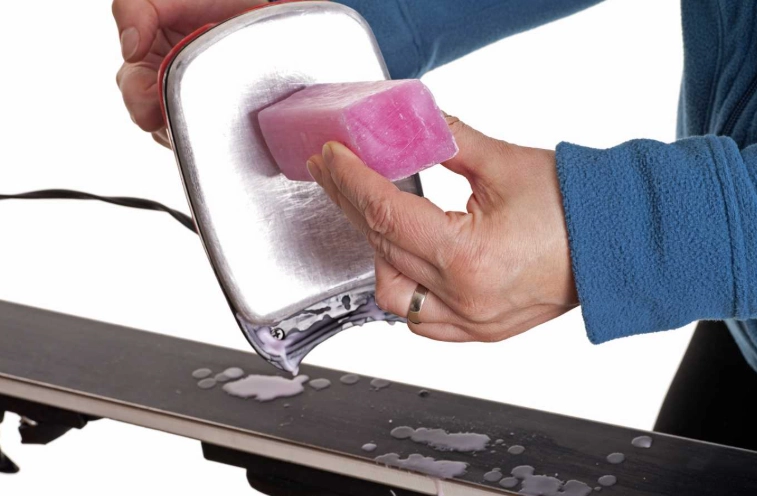
3. Iron the Wax In
This is the satisfying part. With the iron set to the right temp, gently glide it over the base from tip to tail. Keep it moving—never let it sit in one spot. You'll see the solid wax droplets melt and spread into a thin, shiny layer covering the entire base. The goal is to use the heat to open the pores of the base material and let the liquid wax seep in. This should take about 30-45 seconds per ski. You're not ironing a shirt; you're applying gentle, consistent heat.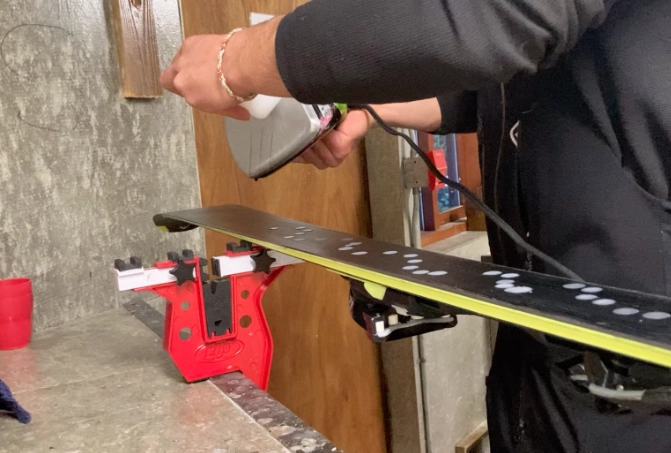
4. The Critical Wait & The Scrape
Let the skis cool completely to room temperature. I usually let them sit for at least 30-45 minutes. Rushing this is the #1 beginner error. The wax needs to harden inside the base's pores. Scraping warm, soft wax just pulls it all back out.
Once cool, take your sharp plastic scraper. Holding it at about a 45-degree angle, scrape from tip to tail in long, smooth strokes. Apply firm, even pressure. You're removing the excess wax that's sitting on top of the base, leaving only the wax that soaked in. Scrape until no more white wax curls come off and the base looks matte.
5. Brush for Speed
This is the secret weapon. Take your nylon brush and brush the entire base lengthwise, from tip to tail, with some vigor. Do 10-15 passes. This does two things: it removes any microscopic wax residue the scraper missed, and more importantly, it "opens" or aligns the tiny grooves in the base structure that channel water, which is what creates glide. A brushed ski will feel noticeably faster than one that's just been scraped.
You're done. Wipe the edges with a rag, and your skis are ready to rip.
3 Common Mistakes That Ruin Your Base
I've made these, my friends have made these. Learn from us.
- Letting the Iron Sit: This causes "base burn," where you overheat and slightly melt the actual plastic of the ski base. It creates a permanent, slow spot. Always keep the iron moving.
- Scraping Too Soon: Impatience is costly. If the wax is still slightly warm, it gums up and doesn't come off cleanly, leaving a layer that kills glide. Wait until the ski is cold to the touch.
- Skipping the Brush: An unbrushed base might as well be unwaxed for all the extra friction you'll feel. That final brushing is what transforms the job from maintenance to performance tuning.
How to Choose the Right Wax
The wax world can get complex (fluoro, hydrocarbon, graphite powders...), but here's a simple start:
- All-Temperature Wax: Your best bet for 90% of recreational skiers. It works from about -10°C to just above freezing. It's a fantastic, worry-free starting point.
- Temperature-Specific Wax: If you're chasing peak performance or ski in very consistent conditions, get a cold wax (for below -10°C) and a warm wax (for wet, spring snow). You can even layer them (cold wax first, then warm on top) for mixed conditions.
- Ignore the Fancy Stuff: For now, avoid high-end racing waxes with expensive additives. The performance gain is minimal unless you're racing, and they often require more precise application.
A good resource for understanding wax chemistry and conditions is the FIS (International Ski Federation) equipment portal, which publishes detailed material on ski preparation, though their focus is elite competition.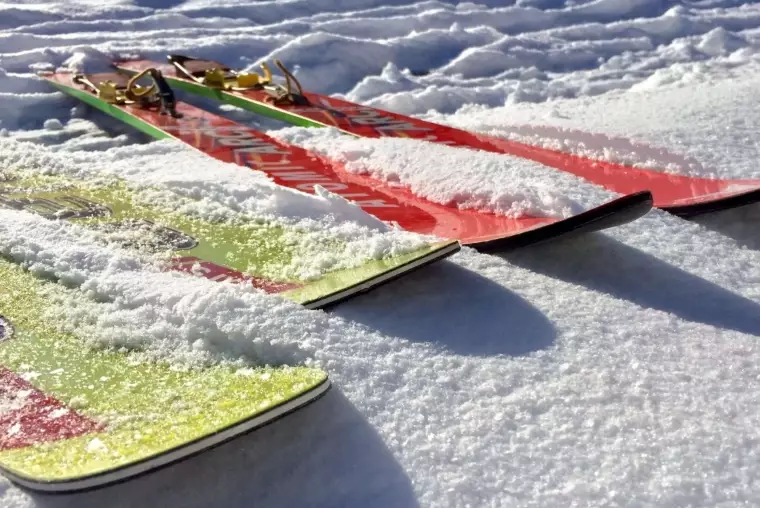
Your Waxing Questions, Answered
How often should I be waxing my skis at home?
Can I use a cheap clothes iron from the thrift store?
My waxed skis seem slower in sticky, spring snow. What did I do wrong?
Is it worth waxing brand-new skis right out of the plastic?
What's the one tool upgrade that made the biggest difference for you?