Quick Guide
- The Nuts and Bolts: What Actually Happens in a Parallel Turn?
- Your Step-by-Step Path to Parallel (Forget the Magic Bullet)
- Why You're Probably Still Stuck: The Usual Suspects
- Your Gear: Is It Helping or Hurting?
- Taking It Off the Groomers: Parallel Turns in the Real World
- Answers to the Questions You're Actually Typing Into Google
Ever watch a skier carve smooth, linked turns down a steep slope and wonder, "How do they do that?" It looks effortless, almost like dancing on snow. That's the parallel turn. It's not just a fancy move; it's the fundamental skill that unlocks the entire mountain, giving you control, speed management, and yes, a whole lot of style. But let's be honest, the journey from snowplow wedges to clean parallel turns can feel like a mystery. I remember the frustration well—my legs would do their own thing, my skis would cross, and I’d end up in a heap more often than I’d like to admit. It wasn't pretty.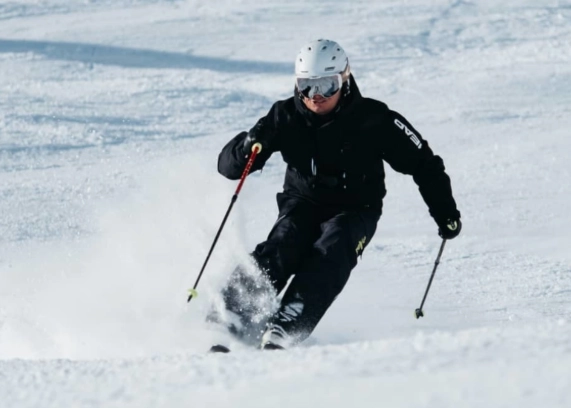
Here’s the thing nobody tells you upfront: a true parallel ski turn isn't just about pointing your skis together. It's a coordinated ballet of pressure, edge, and rotation that happens from the feet up. Getting it wrong feels clunky. Getting it right feels like flying.
This guide is the one I wish I had. We're going to strip the parallel turn down to its bones, talk about the "why" behind the "how," and walk through the exact drills that make it click. We'll also tackle the gear question (because your skis do matter) and troubleshoot the classic blunders everyone makes. Forget the overly technical jargon. Let's just talk skiing.
The Nuts and Bolts: What Actually Happens in a Parallel Turn?
Before you can build it, you need to know what you're building. A parallel turn is a carved turn where both skis are parallel throughout the entire arc, sharing the load more or less evenly. The steering comes from engaging the edges and flexing the ski, not just muscling it around with your upper body.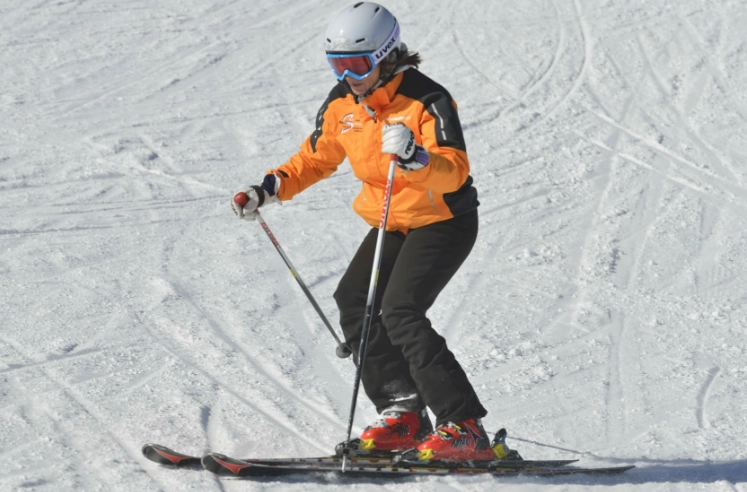
Think of it in three continuous phases. It’s a loop, not a series of separate steps.
Initiation: The Subtle Set-Up
This is where the turn is born. You're coming across the hill, maybe finishing your last turn. To start a new one, you do a couple of subtle things almost at once. You gently roll your knees and ankles toward the new turn. This begins to release the edges of your skis from the old turn. At the same time, you allow your body to fall ever so slightly down the hill, inside the new turn. This isn't a lunge—it's a controlled, small movement. This combination of edging and committing your mass downhill is what starts the ski wanting to curve. A lot of people try to turn their shoulders first. Don't. It starts from the snow up.
Control Phase: Where the Carve Happens
Now your skis are bending. As they grip into the snow on their new edges, you build pressure. This is where you manage your speed. To really feel the carve, you need to press down through the middle of the ski, into the boot's tongue. Your outside ski (the one on the downhill side) becomes your primary driver, bearing maybe 70-80% of your weight. The inside ski is just along for the ride, staying parallel and light. Your body should be stacked over that outside ski—ankle, knee, and hip in a strong, aligned column. If you're leaning back or your hips are thrown inside, you lose all power and control. This is the meat of the parallel turn.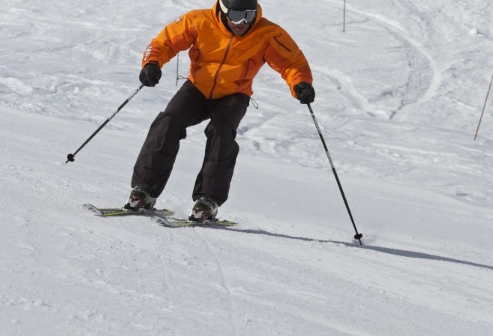
Completion & Transition: The Smooth Hand-Off
The turn isn't over when you point downhill. It's over when you're ready to start the next one. You finish by continuing to press until you're riding cleanly across the hill. Then, to transition, you simply reverse the initiation process: release the edges, let your body flow toward the next fall line, and begin again. The goal is a rhythmic, linked series of esses down the slope, not a bunch of Z-shaped stops and starts.
Key takeaway: A good parallel turn is quiet in the upper body. All the action is in your legs and feet. If your arms are windmilling or your shoulders are cranking around, you're working too hard up top and not enough down below.
Your Step-by-Step Path to Parallel (Forget the Magic Bullet)
There's no single trick. It's a progression. You have to rewire some muscle memory, and that takes deliberate practice. Here’s a sequence of drills I found incredibly helpful, and still use as warm-ups.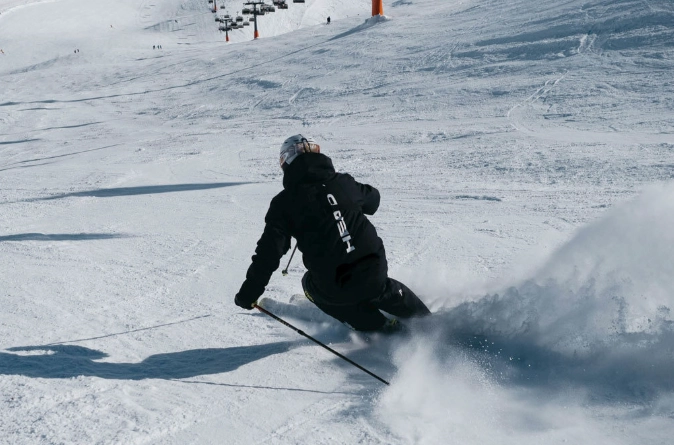
Drill 1: The Side Slip. Find a gentle, groomed slope. Point your skis straight across the hill (traversing). Now, without turning, gently roll your ankles and knees downhill. Feel your edges release and you'll start to slide sideways down the slope. Then roll them back up the hill to grip and stop. This back-and-forth teaches you edge control—the fundamental on/off switch for your skis. Do this until you can start and stop the slip with just your lower legs.
Drill 2: The J-Turn. From a traverse, initiate a turn as we described, but don't link to another one. Just make one single, clean turn until you come to a stop facing uphill or across the hill. Focus entirely on that one turn. Feel the ski bend. Make sure you finish it. This isolates the turn mechanics without the pressure of immediately starting the next one.
Drill 3: The 1,000 Steps. This one feels silly but works wonders. On a very flat green run, simply walk. Lift each ski completely off the snow, place it down, and walk. Then do it while moving slowly downhill. It breaks the habit of keeping your skis glued to the snow and teaches independent leg action, which is crucial for getting your skis parallel in the first place.
Drill 4: The Railroad Track. Make shallow, linked turns on a blue run, but focus on one thing only: keeping your skis exactly parallel, as if they were on railroad tracks. Imagine a tiny, fragile egg between your ski tails—don't crush it. This builds the muscle memory for keeping your skis together through the entire arc of the parallel turn.
Why You're Probably Still Stuck: The Usual Suspects
We all hit plateaus. Here are the most common mistakes I see (and have personally made) that block progress from okay parallel turns to great ones.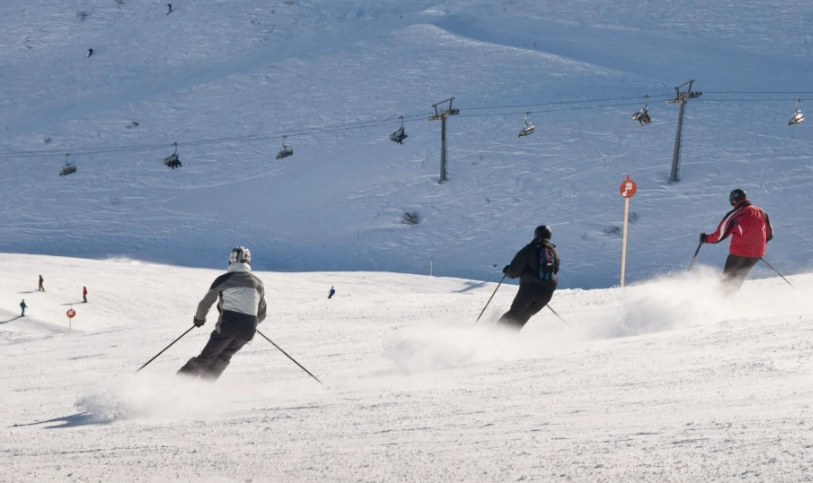
| What It Looks Like | The Root Cause | How to Fix It |
|---|---|---|
| The "A-Frame" or Stem: Your outside ski is parallel, but the inside ski's tail kicks out, forming an 'A' shape. | You're not committing your weight to the outside ski. The inside leg is still acting as a brake/steering wheel out of habit from the snowplow. | Practice traversing on a gentle slope, lifting your inside ski completely off the snow. Feel all your weight on that outside ski. Then try a turn holding that feeling. |
| Leaning Back (In the Backseat): Your weight is on your heels, tails of the skis. You feel out of control, skis chattering. | Fear. It's a natural reaction to speed or steepness, but it makes steering impossible. | Consciously press your shins into the front of your boots. Sing "shins to wins" in your head. Practice on terrain that doesn't scare you to build the habit. |
| Upper Body Rotation: Your shoulders and arms swing around to start the turn. Looks like you're winding up for a baseball pitch. | You're trying to steer the skis with your torso instead of your edges. | Practice holding your poles out in front, horizontal to the snow. Keep them perfectly still and level throughout the turn. If they rotate, you're rotating. |
| Hips Inside (Inclination vs. Angulation): Your whole body leans into the turn like a motorcycle, rather than keeping your hips over your skis. | Confusing leaning with edging. This puts you off-balance. | Focus on creating an "C" shape with your body. Your ankles and knees tip into the hill, but your hips and shoulders remain more centered over your base. Think "knees to the trees." |
I was a chronic upper-body rotator for years. A instructor finally had me ski with my poles tucked under my armpits. It felt ridiculous, but it forced my legs to do the work. The difference was immediate and embarrassing—why hadn't I fixed this sooner?
Your Gear: Is It Helping or Hurting?
You can learn to make parallel turns on any ski, but the right tool makes the job infinitely easier. If you're struggling on 20-year-old, straight-as-a-board rental skis, it's not all you.
Modern skis are shaped (parabolic). This hourglass shape is designed to turn when you put them on edge—they want to carve. A ski with a moderate sidecut (the difference between tip, waist, and tail width) is your friend. A wider waist (say, 75-85mm underfoot) is more forgiving and better for all-mountain conditions than a super-narrow race ski.
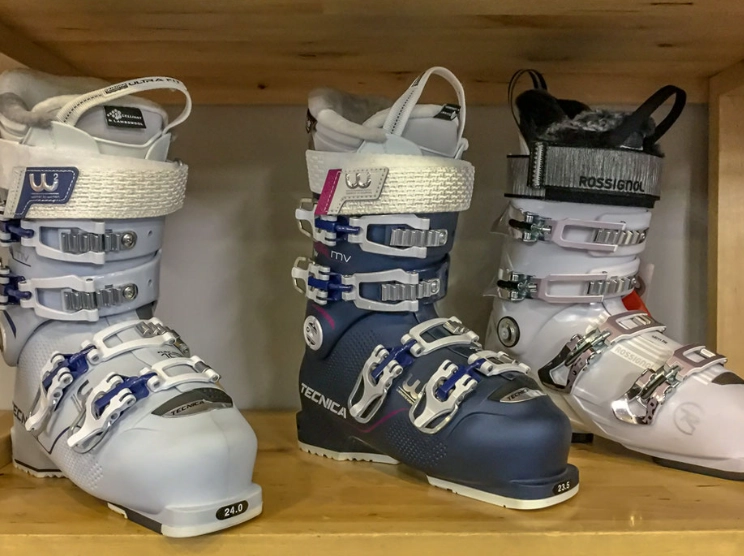
Boots are even more important. If your boots are too big or packed out, you'll be swimming in them, delaying every input from your leg to the ski. A proper, snug fit where your heel is locked down and your toes just brush the front is non-negotiable for precise control. It's worth going to a professional bootfitter. Seriously. It's the single best investment you can make in your skiing.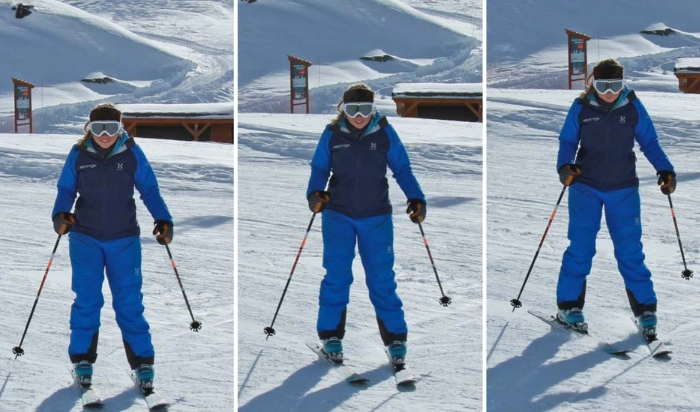
As for poles, just make sure they're the right length (forearm parallel to ground when holding pole upside-down, tip on the floor).
My two cents: Don't get sucked into buying the most advanced, stiff ski because a pro uses it. A forgiving, all-mountain intermediate ski will reward your developing technique and build confidence faster. Brands like Rossignol, Elan, and K2 have great options in this category. For authoritative, general gear advice, I always cross-check with resources like REI's Expert Advice library.
Taking It Off the Groomers: Parallel Turns in the Real World
The groomed blue run is your classroom. But the mountain throws other tests at you. How does the parallel turn adapt?
In Bumps (Moguls): Rhythm is everything. You need quicker, more aggressive edge engagements and a much more active up-and-down motion (absorption and extension) to manage the terrain. Your turns happen in the troughs, not over the tops of the bumps. It's exhausting but exhilarating when you get the flow.
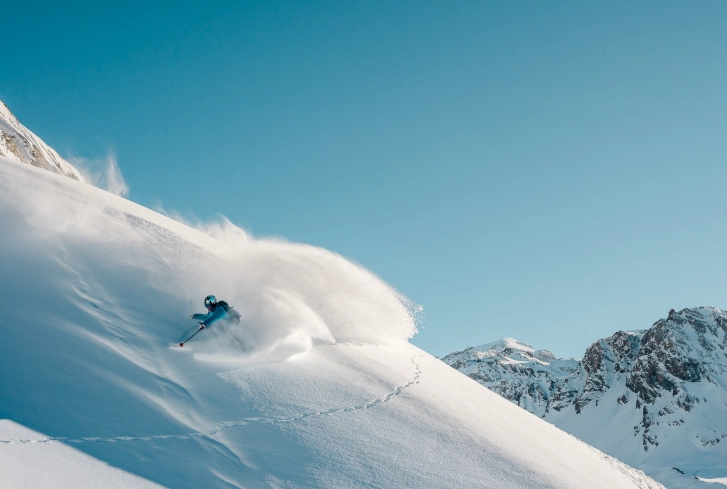
In Powder: Ah, the holy grail. Here, you need to unweight more, often with a playful hop or bounce at the transition to bring your skis around. You stay more centered in your stance, and the parallel turn becomes a beautiful, floating surf through the snow. Leaning back here is sometimes necessary, but it's a controlled "powder stance," not a panicked backseat.
On Ice & Hardpack: Precision is king. You need a very clean, committed edge engagement with zero skidding. Your movements become more subtle, and patience in the control phase is key—let the sharp edge do the work. This is where perfect technique pays off in spades.
Answers to the Questions You're Actually Typing Into Google
Let's cut to the chase. Here are the real-world questions skiers have when they're trying to figure this out.
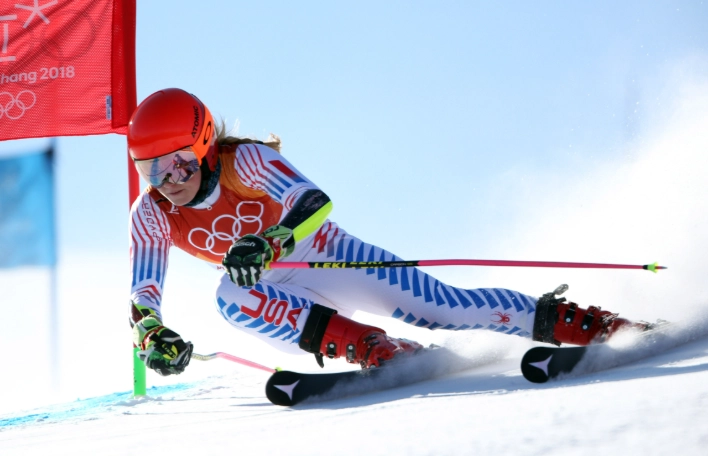
Look, mastering the parallel turn is a journey with no real finish line. Even Olympic skiers are refining theirs. The goal isn't perfection. The goal is more fun, more mountain, more confidence. Some days it flows, some days you feel like you've forgotten everything. That's just skiing.
The real secret? Stop overthinking it. Get out there, focus on one small thing at a time—maybe today it's just "shins forward"—and enjoy the slide. The pieces will come together. I'm still putting mine together, every time I click into my bindings.