Quick Navigation
- What a Ski Jacket Actually Needs to Do
- The Heart of the Matter: Waterproof & Breathability Ratings Decoded
- Keeping You Warm: The Insulation Lowdown
- Matching the Jacket to Your Skiing Style
- Features That Matter (And Some That Don't)
- Your Body, Your Fit
- Care and Feeding of Your Investment
- Answers to the Questions You're Actually Asking
- Wrapping It All Up: Your Decision Checklist
Let's be honest. Standing in a store aisle or scrolling through endless online listings for a ski jacket can feel completely overwhelming. You've got numbers like 20K/20K, weird acronyms like GORE-TEX, puffy ones, slim ones, ones with a million pockets. It's enough to make you just grab the one that looks coolest and hope for the best.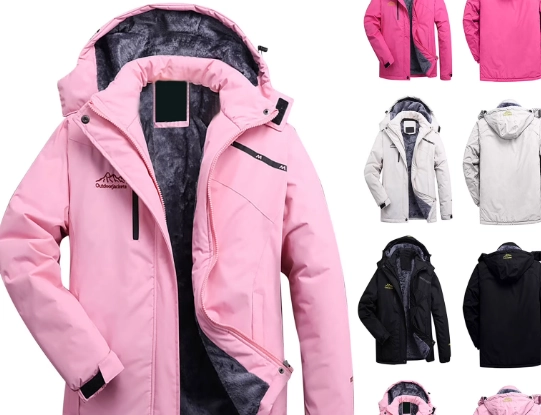
I've been there. I once bought a jacket because it had a sweet mountain graphic on the back. Spent a fortune. On the first real powder day, I was soaked to the skin by lunchtime. Cold, miserable, and out a bunch of money. That's why I'm writing this – so you don't have to learn the hard way like I did.
Choosing the right ski jacket isn't about fashion first (though that's a nice bonus). It's about a simple equation: staying dry + staying warm = having fun. A good ski jacket is your primary defense against the mountain. Get it wrong, and your day is ruined. Get it right, and you barely even think about it – you're just free to enjoy the ride.
So, let's break it all down, step by step, in plain English. No fluff, just what you actually need to know to make a smart choice.
What a Ski Jacket Actually Needs to Do
Forget the marketing hype for a second. At its core, a quality ski jacket has three non-negotiable jobs.
First, it has to be a fortress against water and snow. This isn't just about rain; it's about wet snow, sleet, and you falling over (it happens!). Second, it needs to breathe. This is the part most cheap jackets fail at miserably. If your sweat vapor can't escape, you'll get wet from the inside. Ever feel clammy and cold even when it's freezing out? That's poor breathability. Third, it needs to stop the wind. A bitter wind chill can cut through layers like nothing else, stealing your warmth in minutes.
Everything else – the insulation, the pockets, the powder skirt, the hood – is built on top of that holy trinity of waterproofing, breathability, and wind resistance. If the shell fails at those, the rest doesn't matter much.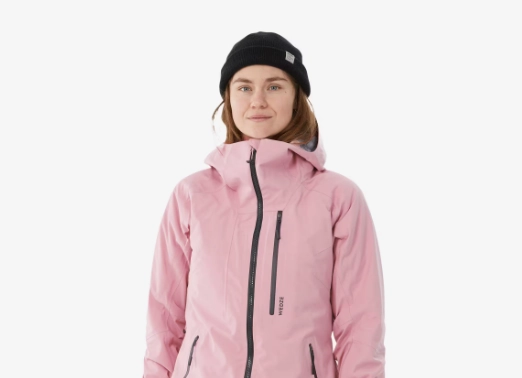
The Heart of the Matter: Waterproof & Breathability Ratings Decoded
This is where eyes glaze over. You see numbers like 10K/10K or 20K/15K on the tag. What does it even mean?
Waterproof Rating (e.g., 10,000mm): Imagine a tube over a piece of fabric. This number tells you how high a column of water (in millimetres) the fabric can hold before it leaks. A higher number means better waterproofing.
Breathability Rating (e.g., 15,000g): This measures how many grams of water vapor can pass through a square metre of the fabric in 24 hours. A higher number means the fabric is better at letting your sweat vapor escape.
So, what numbers do you need? Here's a simple breakdown:
- 5K/5K: Basically a rain jacket. Might be okay for a sunny resort day, but any real weather or a tumble in wet snow and you're in trouble. I'd avoid this for a dedicated ski jacket.
- 10K/10K: The solid entry-level for adult ski jackets. Good for resort skiing on most days. If you're a beginner or mostly ski in fair conditions, this is your baseline.
- 15K/10K or 15K/15K: The sweet spot for most recreational skiers. Great all-around performance that can handle storm days, heavier snow, and more active skiing without feeling like you're in a plastic bag.
- 20K/20K and above: Serious, burly protection. This is for ski patrollers, backcountry guides, or anyone who plans to be out in truly nasty, wet conditions for hours on end. It's overkill for the average resort skier and often comes with a higher price and slight weight penalty.
My take? Don't cheap out here.
For a primary ski jacket, aiming for at least 15K waterproofing is a smart move. It gives you a lot more margin for error and changing weather. I made the mistake of going too low once, and I regretted it on that first big storm day.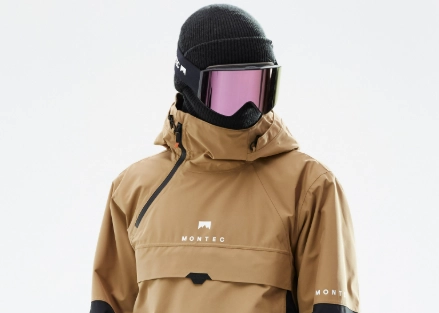
Membranes vs. Coatings: The Inside Story
How do brands hit these numbers? There are two main ways, and the difference is huge.
Waterproof Coatings: Think of this as a layer of paint (like PU) applied to the inside of the fabric. It's cheap to produce. The problem? It wears out. After a season or two of heavy use, washing, and general abrasion, that coating can degrade, crack, and lose its effectiveness. Breathability is usually just okay.
Waterproof Membranes: This is a high-tech, micro-porous film (like GORE-TEX, eVent, or a brand's own proprietary version) that's laminated between the outer fabric and a liner. The pores are tiny enough to block liquid water but large enough to let vapor molecules out. It's far more durable and consistently breathable.
Brands like GORE-TEX have become the gold standard for a reason. Their membranes are incredibly reliable. That's not just marketing; it's a reputation built over decades. You'll pay more, but it's an investment in staying dry. I switched to a GORE-TEX shell years ago, and the difference in consistency was night and day.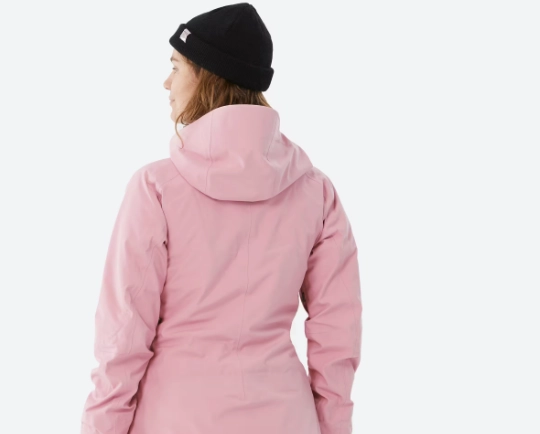
Keeping You Warm: The Insulation Lowdown
Here's a key point a lot of people miss: The shell keeps you dry; the insulation keeps you warm. Often, these are separate things. Many serious skiers use a waterproof, breathable shell jacket and then layer different insulating layers underneath. But plenty of ski jackets come with insulation built right in. Which is right for you?
| Insulation Type | How It Works | The Good Stuff | The Not-So-Good | Best For... |
|---|---|---|---|---|
| Down | Natural plumage from ducks or geese. Traps air in tiny clusters. | Unbeatable warmth for its weight. Packs down super small. Long-lasting if cared for. | Loses all insulating power when wet. Usually more expensive. Can trigger allergies. | Very cold, dry climates. Skiers who run cold and prioritize maximum warmth. |
| Synthetic (Primaloft, Thermore, etc.) | Man-made polyester fibers designed to mimic down. | Retains warmth even when damp. Dries fast. More affordable. Hypoallergenic. | Bulkier and heavier than down for the same warmth. Can lose loft (and warmth) over time faster than down. | Most skiers, especially in variable or damp conditions. The reliable, versatile workhorse. |
| Hybrid / Layered | Often combines synthetic insulation in critical spots (shoulders, underarms) with down elsewhere. | Aims to give you the best of both worlds: warmth where you need it, moisture resistance where you need it. | Can be complex and expensive. Not always a clear-cut advantage. | Skiers who want to optimize performance and don't mind paying for it. |
| Shell-Only (Uninsulated) | No built-in insulation. Just the waterproof/breathable layer. | Maximum versatility. You can layer underneath perfectly for any condition. Often lighter and more packable. | Requires you to own and manage separate insulating layers. Can feel less cozy off the slopes. | Active skiers, backcountry enthusiasts, or anyone skiing in a wide range of temperatures. |
My personal evolution? I started with a heavily insulated synthetic jacket. It was warm, but on spring days I was boiling. Now, I'm a convert to the shell system. I have a lightweight insulated layer for bitter days and a mid-weight fleece for everything else. It gives me way more control. But if you want one jacket to do it all and hate layering, a well-insulated synthetic ski jacket is a fantastic, worry-free choice.
Matching the Jacket to Your Skiing Style
This is crucial. A jacket for cruising groomers at Vail is different from one for hiking ridges in the backcountry.
The Resort Cruiser
You're riding lifts, taking breaks in lodges, maybe doing some tree runs. Your jacket can afford to be a bit burlier, feature-rich, and insulated. Look for:
- Good insulation (60g to 100g synthetic is common).
- A powder skirt to keep snow out when you take a tumble.
- A helmet-compatible hood that fits over your brain bucket on the chairlift in a blizzard.
- Plenty of pockets: goggle pocket, ski pass pocket, hand warmer pockets, the works.
- Durable face fabric that can handle scraping against chairlifts and tree branches.
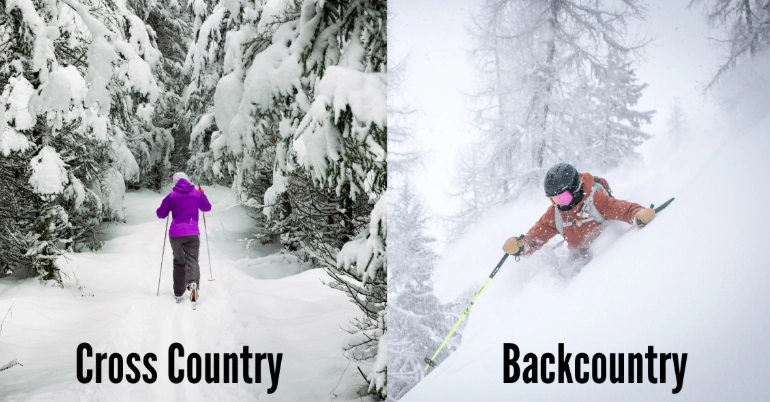
The Backcountry & Touring Enthusiast
You're sweating on the way up and freezing on the way down. Every gram counts. Your priorities flip:
- Lightweight and packable. You might stow it during the climb.
- Superior breathability is king (high breathability rating).
- Often a shell or very light insulation, relying on your active layers.
- Pit zips (large underarm vents) are non-negotiable for dumping heat fast.
- Simpler design, fewer bells and whistles to save weight.
The All-Mountain / Freeride Skier
You do a bit of everything – some resort, some sidecountry, maybe some short hikes. You need a versatile hybrid.
- Robust waterproofing (15K-20K) for whatever you encounter.
- Moderate insulation or a layering system.
- Features from both worlds: a powder skirt and pit zips, for example.
- Durable but not excessively heavy construction.
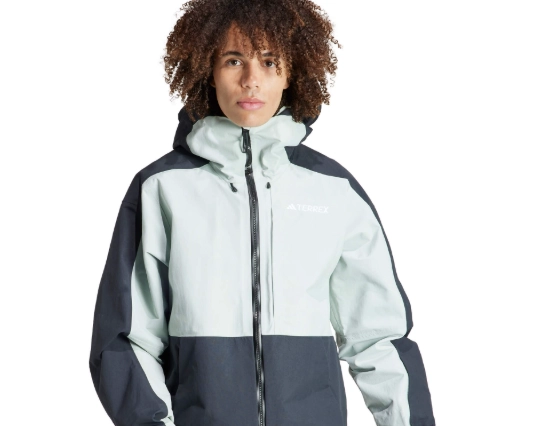
Features That Matter (And Some That Don't)
Let's talk about the details. Some are lifesavers; others are just marketing fluff.
Pit Zips: I mentioned these for backcountry, but honestly, I think every ski jacket should have them. They are the fastest way to regulate temperature on a chairlift or during a hike. A must-have, in my book.
Powder Skirt: A elasticated, often removable, inner skirt that buttons around your waist. Its job is to seal out snow if you take a digger in deep powder. For resort skiing, it's a very useful feature. For touring, it's often omitted to save weight.
Hood: Not all hoods are created equal. A helmet-compatible hood is essential if you wear a helmet (which you should). It needs to be large enough to fit over without obstructing vision, with adjustable points to cinch it down. A removable hood is a nice bonus for versatility.
Pockets, Pockets, Pockets: Think about your flow. A chest pocket (often lined with soft material) is perfect for goggles or a phone. A sleeve pocket is designed for your ski pass so you don't have to unzip your main pocket at every lift. Hand warmer pockets are a given. Make sure the zippers are waterproof or at least storm-flapped.
Venting: Beyond pit zips, some jackets have chest vents or mesh-lined pockets that open to let heat out. More venting options are almost always better.
Wrist Gaiters / Powder Cuffs: These are elastic or adjustable cuffs with a thumb loop that seal the gap between your glove and jacket sleeve. They stop snow from going right up your arm during a fall. A small feature with a big impact on comfort.
Your Body, Your Fit
Fit is deeply personal and tied to your activity. The old-school, baggy ski look is still around, but so are more athletic, tailored cuts.
- Regular/Relaxed Fit: Allows for lots of layers underneath. Comfortable, traditional feel. Can feel bulky if you're used to athletic wear.
- Active/ Athletic Fit: More tailored through the torso and arms. Less material to flap in the wind. Better for dynamic movement but restricts heavy layering. You might size up.
- Shell Fit vs. Insulated Fit: Remember, an insulated jacket will naturally fit more snugly than a shell of the same size, because the insulation takes up space. If you want to layer under an insulated jacket, you might need to size up.
Try it on with what you'll wear.
Seriously. If you can, put on your typical mid-layer fleece or insulated vest and move around in the jacket. Crouch like you're in a ski stance, mimic turning, reach overhead. Can you move freely? Is there any binding or pulling across the shoulders or back?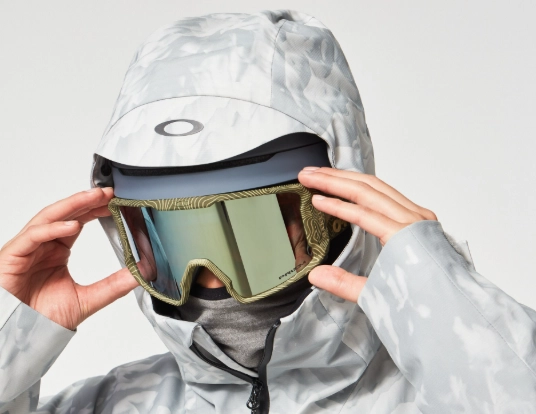
Care and Feeding of Your Investment
A great ski jacket can last a decade if you treat it right. The number one killer? Dirt and body oils. They clog the microscopic pores in the waterproof membrane, destroying its breathability. It'll feel like you're wearing a trash bag.
You must wash your ski jacket, and more often than you think. At least a couple of times a season, or more if you ski frequently. Use a technical gear detergent like Nikwax Tech Wash or Grangers Performance Wash. Regular detergent coats and damages the membrane. Tumble dry on low heat afterwards – the heat helps reactivate the durable water repellent (DWR) coating on the outer fabric. That's the stuff that makes water bead up and roll off.
If water stops beading and starts soaking in (a process called "wetting out"), it's time to re-up the DWR. You can spray on or wash in a DWR replenisher. It's easy and makes a huge difference. The Outdoor Industry Association has great general resources on gear care that reinforce this – proper maintenance isn't a suggestion, it's required for performance.
Answers to the Questions You're Actually Asking
How waterproof does a ski jacket really need to be?
For adult skiing, I wouldn't go below 10K. 15K is the sweet spot that gives you peace of mind for 95% of conditions. 20K is for the worst days or if you just never want to think about it. Kids' jackets often have lower ratings (5K-10K) because they outgrow them fast and are usually not out in all-day storms.
Down or synthetic insulation for skiing?
For most people, especially beginners or those in variable climates, synthetic is the safer, more versatile choice. It handles dampness better. Down is for cold, dry purists or those who prioritize packability above all else and are meticulous about staying dry.
Shell jacket or insulated jacket?
If you ski in many different conditions, temperatures, or do any sidecountry/backcountry, a shell system offers ultimate flexibility. If you want one simple, warm solution for mostly resort days and hate layering, a well-insulated jacket is perfect. There's no right answer, just what fits your brain and your skiing.
How much should I spend on a ski jacket?
You can find decent entry-level jackets from reputable brands in the $200-$350 range. The $350-$600 range is where you find the best value with great membranes (like GORE-TEX), good features, and durable construction. Above $600, you're paying for premium materials, ultralight fabrics, or specific high-performance designs. Don't forget – a $600 jacket cared for over 10 years is a better deal than a $250 jacket that fails in 3.
Can I just use my regular winter coat?
You can try, but you'll likely be disappointed. A regular winter coat isn't designed for the active moisture management of skiing (both external and internal). It will be less breathable, less durable against abrasion, and lack critical features like a powder skirt or a proper helmet hood. On a dry, calm, cold day it might work. On a typical ski day, a dedicated ski jacket is a tool designed for the job.
Wrapping It All Up: Your Decision Checklist
Okay, that was a lot. Let's simplify it into a step-by-step mental checklist for when you're about to buy.
- Know Your Numbers: Aim for at least 15K waterproofing and 10K+ breathability. Prioritize a membrane (like GORE-TEX) over a coating.
- Pick Your Warmth Strategy: Synthetic insulation for versatility and damp conditions. Down for maximum warmth in dry cold. Shell-only for ultimate control and layering.
- Match the Features to Your Skiing: Resort cruiser? Get the powder skirt, helmet hood, and pockets. Backcountry? Prioritize light weight, breathability, and pit zips.
- Fit is Function: Try it on with your layers. Move around. Make sure it allows your skiing motion.
- Invest in Care: Budget for tech wash and plan to wash/dry/re-proof your jacket regularly. It's part of owning it.
The perfect ski jacket doesn't exist. But the perfect ski jacket for you absolutely does. It's the one you put on and then forget about, because it just works. It keeps the elements out, lets your sweat escape, and lets you focus on the pure joy of making turns down a mountain.
Take your time, think about how and where you really ski, and use this guide to decode the specs. Your future warm, dry, happy self on the slopes will thank you.