In This Guide
So, you're standing at the base of a ski run, looking up at this weird contraption—a metal bar dangling from a moving cable, dragging people up the hill two by two. Your instructor or a friend just pointed and said, "We're taking the T-bar." And your brain immediately asks the million-dollar question: Are T-bar lifts safe for beginners? Honestly, I remember my first time. I was terrified. It looked archaic, almost comical, and nothing like the comfy chairlifts I'd seen in movies.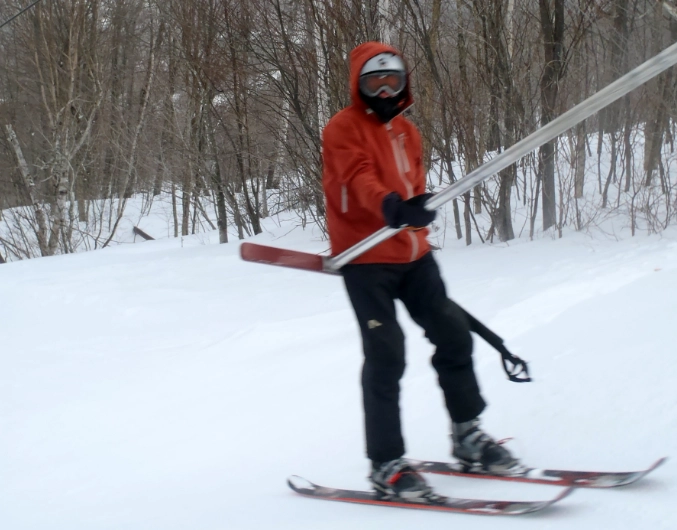
The short, real-talk answer? They can be safe, but they demand a specific type of attention and skill that a chairlift doesn't. Their safety for a beginner isn't a simple yes or no. It's a "yes, if..." And that "if" is everything. This isn't meant to scare you off. Far from it. I want you to master it, because conquering a T-bar opens up so many fantastic, less-crowded slopes. But we need to go in with our eyes wide open, respecting the machine for what it is.
Think of it like learning to drive a manual transmission car. An automatic (chairlift) is easier to start with, but learning manual (T-bar) gives you more control and access. It just has a steeper learning curve where mistakes are more noticeable. Let's break down why that is, and exactly how you can make your first ride not just safe, but actually kind of fun.
What Exactly Is a T-Bar Lift?
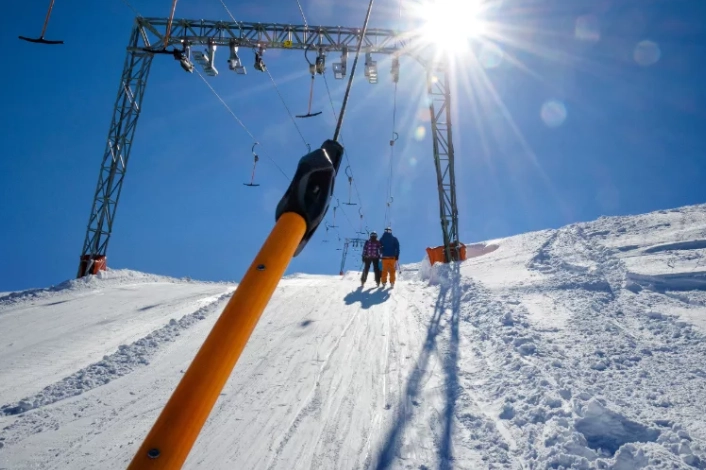
Before we talk safety, let's be clear on what we're dealing with. A T-bar lift, also called a poma lift or platter lift (though there are slight technical differences), is a surface lift. That means it pulls you along the ground (or snow) while you remain standing on your skis or snowboard. The "T" is a metal bar attached to the overhead cable. The bottom of the T is a padded seat or a horizontal bar. When it's your turn, you position yourself, the attendant swings the T behind you, and you sit or lean on the bar as it starts to pull you uphill. You ride in pairs (usually), side-by-side.
It's old-school technology. It's simple, cheap to run in windy areas where chairlifts might shut down, and fantastic for accessing specific terrain. But that simplicity is a double-edged sword for newbies.
The Core Safety Question: Risks vs. Rewards
Asking "are T-bar lifts safe for beginners?" is really asking about risk management. Let's lay out the potential pitfalls first. I'm not sugarcoating this, because knowing is half the battle.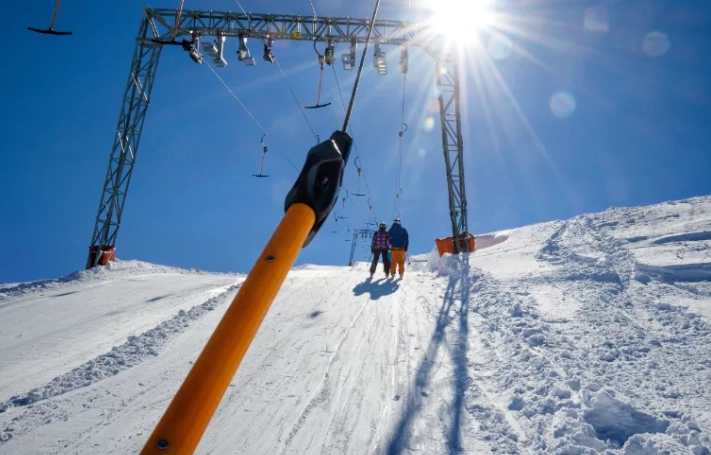
Why T-Bars Can Feel Intimidating (The Risks)
- No Seatbelt, No Safety Bar: It's just you, your balance, and a moving bar. There's no enclosing chair to catch you if you lean wrong.
- The Start is Critical: The initial jerk and acceleration is where most wipeouts happen. You have to get positioned just right and commit immediately.
- Requires Active Balance: You can't zone out. You must maintain a centered, semi-seated posture for the entire ride. The terrain underfoot isn't always perfectly smooth, so you're constantly making micro-adjustments.
- Exiting Can Be Tricky: You need to stand up and ski/snowboard away cleanly at the top. Panic or hesitation here leads to a classic "top-of-the-lift" pile-up, which is more embarrassing than dangerous, but still.
- Partner Dependency (Sometimes): If you're paired with another beginner who panics or loses balance, it can take you both down. This is a genuine concern.
I once saw a beginner snowboarder get the bar wrapped around their leg because they turned their board sideways at the start. It was a mess. The lift had to be stopped. It wasn't a serious injury, but it was a stark lesson in what happens when you don't know the drill. That experience alone made me a firm believer in education over trial-and-error for these lifts.
The Safety Mechanisms & Advantages (The Rewards)
- Low to the Ground: If you fall, it's usually a soft tumble in the snow from a standing height. It's not a fall from a chairlift height.
- Simple to Stop: If you fall, you just let go. The bar keeps going, and the lift operator can easily stop the lift if needed. The mechanism itself is not complex.
- Builds Fundamental Skills: Successfully riding a T-bar forces you to learn weight distribution and balance in a way that directly improves your skiing or riding. It's like a moving lesson.
- Access to Great Terrain: Many fantastic beginner and intermediate runs are serviced only by T-bars. Conquering it literally opens up new mountains for you.
A Beginner's Step-by-Step Guide to Riding a T-Bar Safely
Okay, enough theory. Let's get practical. Here’s exactly what to do, from the lineup to the exit. Print this out in your mind.
Step 1: The Preparation & Queue
Watch a few people go ahead of you. Seriously, just stand and observe for a minute. See how they position themselves, how the bar comes around, how they lean into it. Mental rehearsal is powerful. Make sure your ski poles are looped around your wrists (skiers) or you're holding them in one hand. Snowboarders, have your front foot strapped in and be ready to push with your back foot.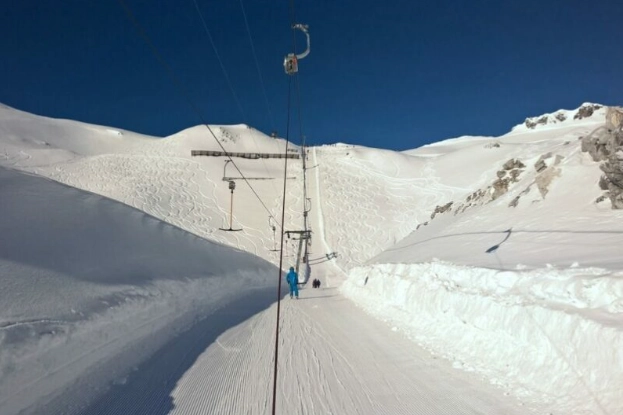
Step 2: The All-Important Start
This is the make-or-break moment. When it's your turn, move confidently to the loading spot. Look for the footprints or marks in the snow.
- Skiers: Stand side-by-side with your partner, skis pointed straight uphill. Look over your inside shoulder (the one toward your partner) for the approaching bar.
- Snowboarders: You'll typically ride alone on a single-person T-bar or with another snowboarder. Stand with your board straight, facing uphill. You'll put the bar behind your front leg (usually your rear cheek). This feels weird at first.
As the attendant brings the bar around, do not grab it. Let it come to you. Position the padded seat/bar firmly behind you. Then, as you feel the tug, SIT. Don't just lean—actually commit your weight to the bar as if it's a stool. This is the number one tip. A tentative lean will have you fighting for balance immediately.
Pro Tip: The "Sit, Don't Fight" Mindset
The natural instinct is to resist the pull. Fight that instinct. Your job is not to stay upright independently; your job is to let the bar support you and guide you. Imagine you're a sack of potatoes being dragged up the hill. A relaxed, seated sack of potatoes. Tension is your enemy.
Step 3: The Ride Up
You're on! Now what?
- Keep your skis or board pointing straight up the fall line. Do not let them swing sideways.
- Keep a slight bend in your knees to absorb bumps.
- Look ahead up the hill, not down at your feet.
- If you're with a partner, try to match their pace. A little communication helps ("Little bump on the right!").
- If you feel yourself losing balance, do not flail and grab your partner. Just let go of the bar and bail out to the side. Falling is an acceptable outcome. Taking someone else out is less cool.
Step 4: The Exit
You'll see the top station approaching. The ground will usually flatten out.
- Plan Your Move: Decide which direction you'll ski away to (usually to the side, away from the lift path).
- Stand Up: As you hit the flat, smoothly shift your weight from the bar onto your feet and stand up straight.
- Let Go & Go: Push the bar forward away from you as you step aside. Immediately make a gentle turning maneuver to clear the unloading area for the people behind you. Don't just stop in the track!
The exit feels rushed at first. It's okay to practice the motion in your head on the way up.
T-Bar vs. Other Lifts: A Beginner's Comparison
Context is everything. To really understand the safety profile of a T-bar, it helps to see how it stacks up against the other common lifts you'll encounter. This isn't about one being "better," but about understanding the different skills required.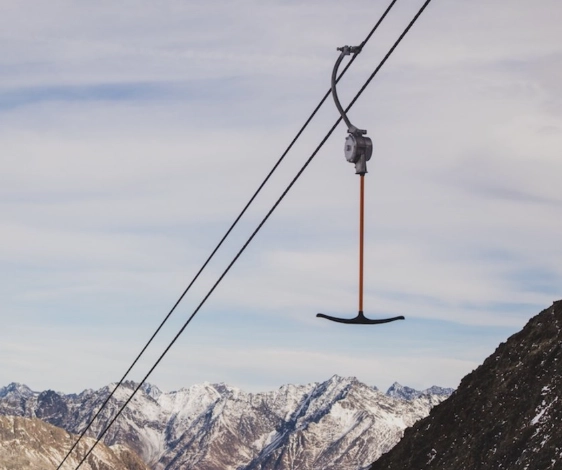
| Lift Type | Beginner Friendliness | Key Skill Required | Biggest Perk | Biggest Quirk for Newbies |
|---|---|---|---|---|
| Magic Carpet | Excellent. The training wheels of lifts. | Staying upright on a moving walkway. | Zero intimidation factor. Just step on. | Can feel crowded and slow. |
| Chairlift (with safety bar) | Very Good. The industry standard. | Loading/unloading timing, riding calmly seated. | Restful, scenic, enclosed feeling. | The fear of the "chair hitting the back of your knees" at load. |
| Gondola | Superb. Like a ski bus. | Managing gear inside a small cabin. | Weather protection, no balance needed. | Can be a long ride if you're prone to motion sickness. |
| T-Bar / Poma | Moderate. Requires focused learning. | Active, sustained balance and core engagement. | Access to unique terrain, builds great skills. | The non-intuitive "sit" motion and partner coordination. |
See the pattern? The T-bar is the only one that requires active physical engagement for the entire ride. That's the core of the safety question. It's not inherently dangerous, but it has the highest skill threshold for a basic, non-fall ride. Once you're over that threshold, it becomes second nature. I actually prefer them on super windy days now—they feel more secure than a swinging chair!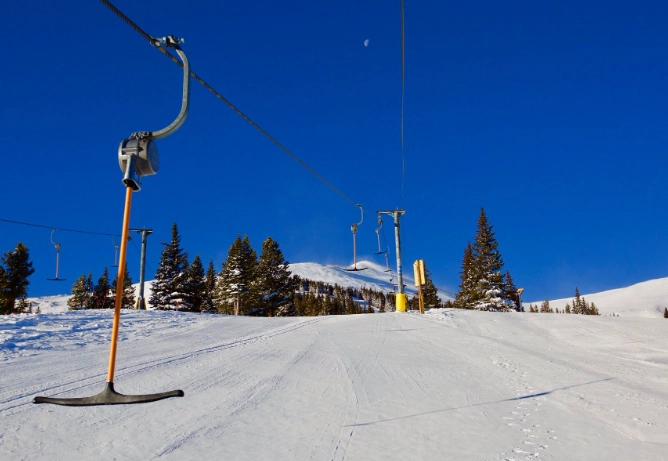
Your Top Questions About T-Bar Lifts, Answered
Final Verdict: Should a Beginner Try a T-Bar Lift?
So, after all this, let's circle back to the burning question: Are T-bar lifts safe for beginners?
My take? Yes, but with a giant asterisk. They are a tool, and like any tool, you need to know how to use them. They are not unsafe by design, but they are unforgiving of poor technique in a way that a chairlift is not.
Here's my final, no-BS checklist for a beginner considering their first T-bar:
- ✅ You have solid control on green runs. You can link turns, stop confidently, and aren't terrified of a gentle slope.
- ✅ You've mastered the magic carpet and are comfortable on a slow chairlift. This is a progression.
- ✅ You're willing to watch, learn, and maybe fall once or twice without getting discouraged.
- ✅ You pick a good, easy T-bar on a non-icy, calm weather day. Don't try to learn in a blizzard.
- ✅ You remember the mantra: Sit, don't fight. Look uphill. Ski straight.
If you can check those boxes, then go for it. The sense of accomplishment when you nail it is fantastic. You'll unlock new parts of the mountain and gain a serious boost in your balance and confidence. If you're still on wobbly legs on the beginner hill, stick to the carpets and chairs for another day or two. There's no rush.
The best resource for hands-on learning? A ski or snowboard instructor. Even one single lesson focusing on lift use can work wonders. For official safety guidelines and best practices, organizations like the Professional Ski Instructors of America & American Association of Snowboard Instructors (PSIA-AASI) set the standard for on-slope education. Their techniques filter down to every certified instructor at your local resort.
Ultimately, safety isn't just about the machine. It's about the prepared mind using it. Go get 'em.