You checked the forecast for your long-awaited ski trip, and your heart sank. Rain. Not snow. The classic dilemma hits: do you pack it in, waste the lift ticket, and sit in the lodge, or do you grit your teeth and ski in the rain?
I've been there more times than I care to admit, from a soggy week in Whistler to a misty, drizzly day in the Alps. Let me tell you, skiing in wet weather isn't inherently terrible. It can be an empty mountain, soft snow, and a unique adventure—if you're prepared. If you're not, it's a fast track to hypothermia and a miserable day. This guide cuts through the hype and gives you the real, actionable intel on how to handle a rainy day on the slopes, where to go if rain is likely, and the critical gear most people forget.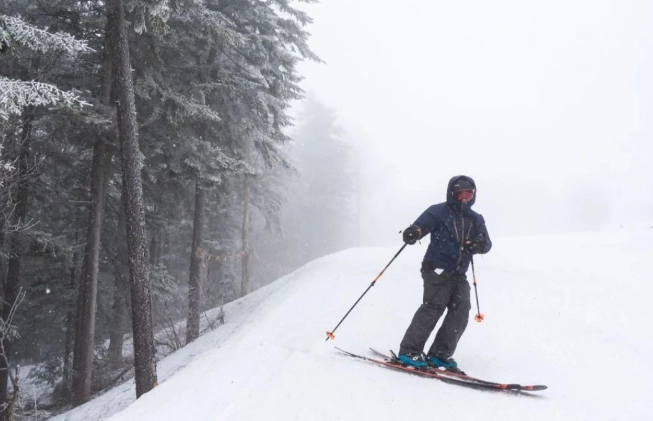
What's in This Guide?
Is It Safe to Ski in the Rain? Understanding the Risks
Safety first. Skiing in the rain introduces variables that don't exist on a bluebird powder day. Ignoring them is the biggest mistake a skier can make.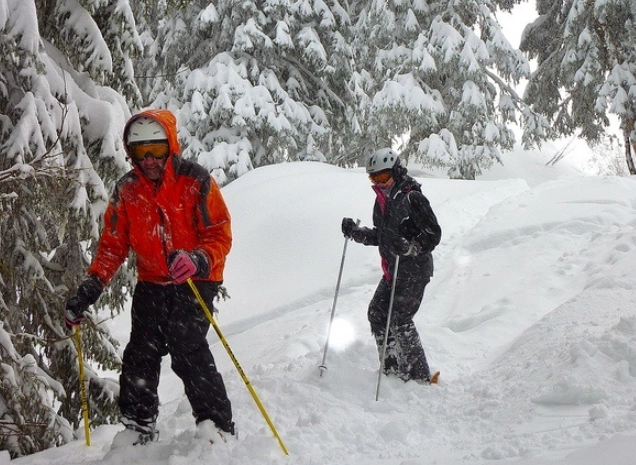
The primary concern is visibility. Heavy rain obscures terrain features, other skiers, and the edges of runs. It fogs up goggles instantly if they're not treated right. This drastically increases collision risk. Then there's the snow surface. Rain transforms snow. It can create a slick, icy crust if temperatures drop, or heavy, grabby "Sierra Cement" if it stays warm. Both require different techniques than fresh powder or groomed corduroy.
A critical, often-overlooked point: The danger zone isn't necessarily during a steady, cold rain. It's during a freezing rain event or when rain starts to freeze as the temperature drops. This creates a layer of clear ice on top of the snow—incredibly slick and hazardous for skiing. Always check if the resort issues any specific warnings for freezing rain.
Hypothermia is a real threat. When you're wet and cold, your body loses heat 25 times faster than when dry. It creeps up on you. Shivering, confusion, loss of coordination—these are not traits you want while navigating a mountain.
So, is it safe? With the right precautions, knowledge, and gear, you can manage the risks effectively. Without them, you're asking for trouble.
The Non-Negotiable Gear for Rainy Day Skiing
Your everyday ski jacket won't cut it. A common misconception is that "water-resistant" is enough. For a true rainy day, you need waterproof, with a high hydrostatic head rating (like 20,000mm+). Look for jackets and pants made with Gore-Tex or similar premium membranes. Taped seams are non-negotiable—that's where most leaks happen.
Let's break down the essentials most blogs gloss over:
- The Goggle Dilemma: You need a lens specifically for flat light. Stormy yellow, rose, or persimmon tints work best. More importantly, you need cat crap (yes, that's the real product name) or a quality anti-fog gel. Wiping the inside of your lens with this prevents the condensation that ruins visibility. A helmet with good ventilation is also key to prevent heat buildup.
- Gloves Are Your Weakest Link: Leather gloves get soaked and stay wet for days. You need fully waterproof ski gloves or mittens with a sealed outer shell. I keep a cheap, ultra-waterproof pair of over-mitts in my pack as a backup. Cold, wet hands will ruin your day faster than anything.
- Base Layers Matter More: Cotton kills. Wear synthetic or wool base layers that wick moisture away from your skin. Avoid cotton socks at all costs—they hold moisture and cause blisters and cold feet.
| Gear Item | Minimum Spec for Rain | Why It's Critical |
|---|---|---|
| Jacket & Pants | Waterproof (20k+ mm), taped seams, ventilation zips | Keeps core dry; pit zips prevent sweat buildup. |
| Gloves | Fully waterproof shell, insulated | First point of failure. Wet hands = misery. |
| Goggles | Low-light lens + anti-fog treatment | Visibility is safety. Fog is the enemy. |
| Socks | Synthetic or Merino Wool | Wicks moisture, prevents blisters and frostbite. |
| Backup Layer | Lightweight, packable waterproof shell | For lunch breaks or if your main layer wets out. |
A pro tip from a decade of soggy slogs: pack a complete change of clothes—base layers included—in a dry bag in your car. Peeling off wet synthetic layers in a cold parking lot is awful. Dry clothes for the drive home feel like a luxury.
Where to Ski When It Rains: Resorts That Handle Wet Weather Best
Geography is destiny. Some regions are simply more prone to rainy spells than others, and the best resorts there have adapted.
The Pacific Northwest and Coastal British Columbia are the prime examples. They get more precipitation, which often falls as rain at the base and lower mountain. But they also have two key advantages: high alpine terrain and excellent tree skiing.
Why trees are your friend: On a rainy day, head for the gladed runs. The tree canopy acts as a natural umbrella, breaking up the rain and often protecting the snow underneath. Visibility is also better among trees than on a wide-open, foggy bowl.
Here are a few resorts known for handling wet weather with grace, thanks to their elevation and terrain:
- Whistler Blackcomb, British Columbia: (Address: 4545 Blackcomb Way, Whistler, BC V8E 0X9). The sheer vertical is its superpower. If it's raining at the village (elevation 2,140 ft), you can often take the Peak 2 Peak Gondola to find snow or just a colder drizzle higher up on Blackcomb or Whistler peaks (over 7,000 ft). The extensive tree skiing in Symphony Bowl or on Blackcomb is perfect for rainy days.
- Mt. Baker Ski Area, Washington: (Address: Mt. Baker Hwy, Glacier, WA 98244). This place gets legendary snowfall, but also sees its share of rain. The culture here is built around variable conditions. The terrain is rugged and the tree skiing is exceptional, offering natural shelter. It's no-frills, but skiers here just get on with it.
- Stowe Mountain Resort, Vermont: (Address: 5781 Mountain Rd, Stowe, VT 05672). East Coast classics face freeze-thaw and rain events regularly. Stowe's Mansfield summit holds colder air, and the famous "Front Four" trails and their surrounding glades provide more protected skiing than open cruisers when the weather turns.
The strategy is universal: look for a resort with a high summit elevation and plenty of intermediate-to-advanced tree skiing. Check their trail map for gladed areas before you go.
Your On-Mountain Strategy for a Rainy Day
You have the gear, you're at a suitable mountain. Now what? How you ski the day makes all the difference.
Adjust Your Technique
Wet snow is slow and grabby. You can't pivot or skid as easily. Focus on smooth, rounded turns with more edge engagement to slice through the heavier snow. Keep your weight centered—leaning back will make your skis submarine. It's a great day to work on carving.
Plan Your Day Around the Weather & Terrain
Start early. Rain often gets heavier as the day warms up. Use morning hours for higher-elevation runs before any potential freeze level rises. Stick to groomed trails or tree runs. Avoid open bowls where wind-driven rain and fog will be worst.
Take frequent, short breaks in the lodge. Dry off, drink something warm (not coffee, it dehydrates you—go for hot chocolate or broth), and assess how you're feeling. Don't try to power through an 8-hour day. A few good, focused runs can be more satisfying than a marathon of misery.
Know When to Call It
There's no shame in quitting. If the rain turns to a downpour, visibility drops to zero, or you're just cold and wet through your layers, go in. A long, hot shower and a seat by the fire is a better memory than forcing a sixth run and getting hurt or sick. Listen to your body and the mountain.
Rainy Day Skiing: Your Questions Answered
My ski trip forecast shows rain all week. Should I cancel?
Not necessarily. First, check the elevation of the rain/snow line. Many mountain forecasts show rain at the base but snow higher up. Resorts with high alpine terrain might be fine. Second, look at the resort's specific trail map for tree-skiing areas. Third, if you can, view it as an opportunity. You'll have shorter lift lines, and with the right gear, you can still have a great time. Consider it a different type of challenge. I once had a rainy week at a major resort and ended up having some of the most memorable, solitary runs of my life in the misty trees.
What's the one piece of gear most people forget for rainy skiing?
A dedicated anti-fog treatment for their goggles, like the brand "Cat Crap" or similar. No amount of fancy lens technology will stop fog if the inside of your lens isn't prepared. Applying it properly the night before is the single biggest hack for maintaining visibility. The second is a backup pair of gloves—when your primary gloves are soaked at lunch, having a dry pair for the afternoon is a game-changer.
Is it worth waxing my skis differently for wet snow?
Yes, absolutely. All-temperature wax works okay, but a warm-temperature wax (designed for wet, sticky snow around 32°F / 0°C) will make a noticeable difference. It helps repel water and prevents the snow from sticking to the base, keeping your skis running faster and smoother. If you're heading to a known wet-snow destination, it's a worthwhile investment for a shop to apply a warm-weather wax. The difference in glide is significant.
Can I use a regular rain jacket over my ski clothes?
You can, but it's not ideal. A standard rain shell lacks the insulation, powder skirt, and snow-specific features of a ski jacket. More importantly, it usually isn't cut to allow for the range of motion needed for skiing and can be dangerously baggy around lifts. If it's a true emergency, it's better than nothing. But for planned rainy day skiing, proper waterproof ski outerwear is the right tool for the job. Look into brands that make lightweight, packable ski shells if you don't want a bulky insulated jacket.