Quick Guide
Let's cut right to the chase. If you've ever watched the Winter Olympics and seen those athletes fly off a ski jump, land, then somehow find the legs to race in a brutal cross-country skiing event right after, you've probably asked yourself: how on earth do they do that? How physically demanding is Nordic combined, really? Is it the hardest thing in winter sports?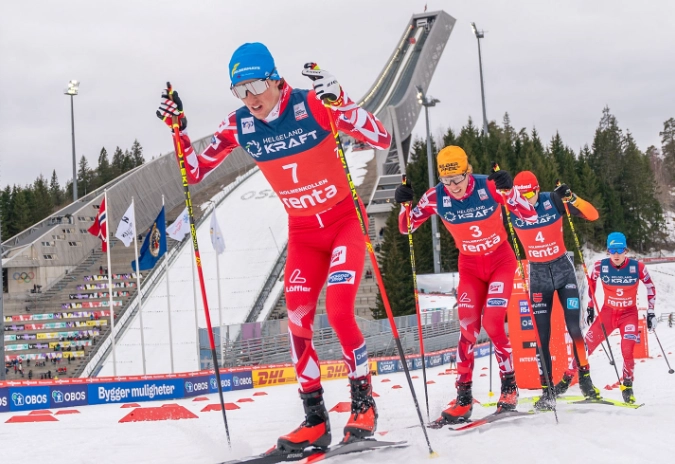
I remember talking to a friend who's a marathon runner. He thought his sport was the peak of endurance. Then he tried to wrap his head around the idea of requiring explosive, powerful legs for a jump, followed immediately by the sustained, grinding engine of a long-distance ski race. His exact words were, "That sounds impossible." And in a way, he's right. The physical demand isn't just high; it's contradictory. It asks your body to be two completely different kinds of athlete in the span of an hour.
So, let's peel back the layers. Forget the glossy Olympic broadcast for a second. We're going to look at the muscles, the lungs, the training schedules that border on insane, and the sheer mental grit it takes. This isn't about saying it's "hard." It's about understanding why it's in a league of its own when it comes to physical demands.
The Two Sides of the Coin: A Brutal Dichotomy
To get why the physical demand is so extreme, you have to look at the two disciplines separately. They're not just different; they're almost opposites.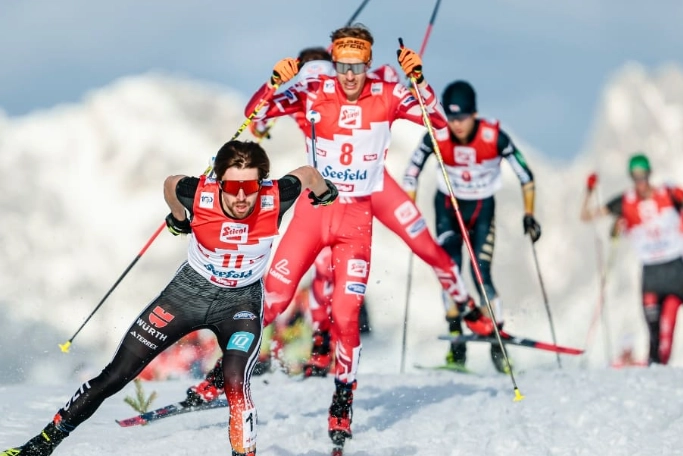
Ski Jumping: Power, Technique, and Nerves of Steel
Think of the jump as a sprint. A very, very precise sprint down a steep ramp at speeds hitting 90 km/h (56 mph). The in-run lasts maybe 5-7 seconds. In that time, you're in a deep, aerodynamic tuck. Your quadriceps and glutes are under immense isometric tension—holding you steady against the wind and slope. It's a brutal static contraction.
Then, in a split second at the take-off, you have to explode upwards and forwards. This isn't a big, jumping-jack motion. It's a hyper-technical, powerful extension of the ankles, knees, and hips. You need the fast-twitch muscle fibers of a sprinter or a volleyball player. The force going through the legs is tremendous.
And let's not forget the mental load. The focus required is absolute. One tiny timing error, one slight shift in balance, and your jump is ruined. The adrenaline dump is huge. After you land, your heart is pounding, not just from the effort, but from the sheer intensity and consequence of the moment.
So, from a pure physics and physiology standpoint, the jump is an anaerobic, power-dominant event. It's over in less than 10 seconds of actual work, but it drains a specific kind of battery.
Cross-Country Skiing: The Engine That Never Quits
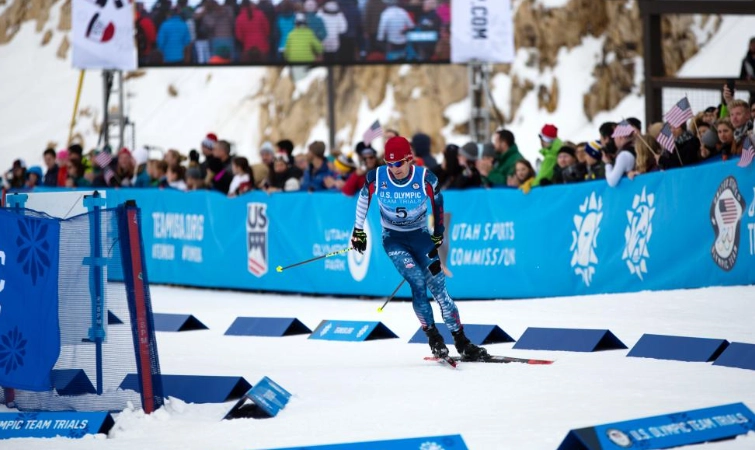
Now, flip the script. After that nerve-wracking, power-intensive jump, you have to transition to a 10km cross-country ski race (at the World Cup level). We're talking about 20-30 minutes of all-out, maximal effort.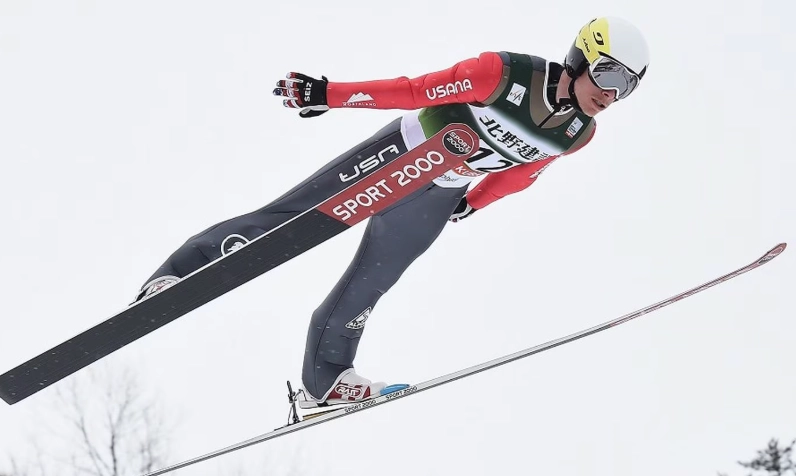
This is pure, unadulterated aerobic endurance. Your body's ability to take in, transport, and utilize oxygen (your VO2 max) is the single most important metric here. Nordic combined skiers have some of the highest VO2 max readings in the entire world of sport, often rivaling and even surpassing elite marathon runners and Tour de France cyclists. We're talking numbers in the high 80s to low 90s (ml/kg/min).
But it's not just a cardio grind. It's full-body. The skating technique uses legs, core, back, and arms in a coordinated, rhythmic motion. The poles drive you forward. The legs push and glide. The core stabilizes everything. It's a total-body endurance test where lactic acid builds up, your lungs burn, and your muscles scream for oxygen.
The physical demand here is about sustainable power output. It's about who can maintain the highest percentage of their VO2 max for the longest time while technically efficient on skis.
See the problem? Training for massive quad strength and explosive power for the jump can add bulk, which is dead weight for the cross-country race. Conversely, focusing solely on lean, endurance muscle for skiing can sap the explosive power needed for a long jump. Athletes walk this tightrope every single day.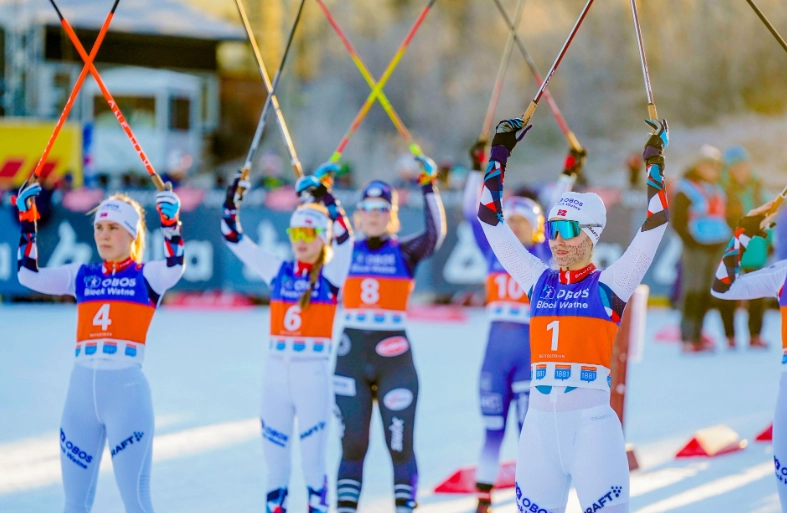
A Year in the Life: The Training Grind
You don't just show up and do this. The physical demand is built over years of a training regimen that is, frankly, monstrous. Let's break down a typical annual cycle. This is where you truly see the commitment.
Spring (April-May): This is the off-season, sort of. It's active recovery. But "recovery" for these athletes means lower-volume training, focusing on technique analysis from the past season, and maybe addressing nagging injuries. The mental break is as important as the physical one.
Summer (June-August): The foundation phase. This is where the brutal volume kicks in. Hours and hours of low-intensity endurance work—running, roller-skiing, cycling. They're building that massive aerobic engine. Strength training shifts towards foundational, hypertrophy phases to build a base of muscle that can later be converted to power. Jump training happens on plastic mats on summer jumps.
I spoke to a former national team coach once, and he described summer days that started with a 2-hour roller-ski in the morning, followed by a gym session, followed by jump technique work in the afternoon. We're talking 5-6 hour training days, 5-6 days a week.
Autumn (September-November): Intensity ramps up. The endurance work becomes more specific—more roller-skiing at race pace, interval training. Strength training transitions from building muscle to developing explosive power—think Olympic lifts like cleans and snatches, and plyometrics. Jump training frequency increases. The body is now being asked to merge the two disciplines in training.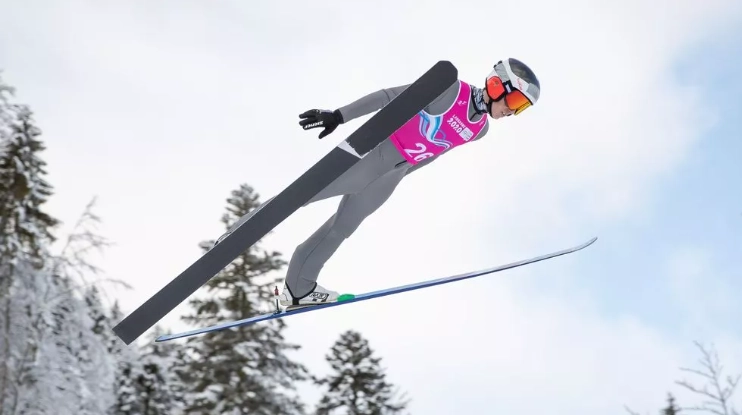
Winter (December-March): The competition season. Training volume drops, but intensity and specificity peak. It's all about peaking for race day. Training is about fine-tuning, recovery between events, and maintaining that razor's edge between power and endurance. Travel, time zone changes, and the stress of competition add another layer of fatigue.
Here's a simplified look at how the training focus shifts:
| Season | Primary Physical Focus | Typical Activities | Mental Focus |
|---|---|---|---|
| Summer | Aerobic Base & Muscle Building | Long roller-skis/runs, Hypertrophy gym work, Basic jump technique | Building discipline, Grinding through volume |
| Autumn | Power Development & Sport-Specific Intensity | Interval training, Explosive lifts (Cleans, Snatches), Plyometrics, Frequent jump training | Managing conflicting fatigue, Integrating skills |
| Winter | Peaking & Recovery | Short, high-intensity sessions, Race simulation, Technical refinement, Active recovery | Competition psychology, Travel management, Quick recovery |
It's a relentless cycle. There's no true "off" switch. The fear of losing that hard-earned endurance base or that precise jump technique is a constant motivator—and a heavy burden.
By the Numbers: Energy Systems and Wear & Tear
Let's geek out on physiology for a second. It helps quantify the demand.
A elite Nordic combined race, like an Individual Gundersen event (one jump + 10km ski), is a masterclass in energy system utilization:
- Jump: Primarily uses the ATP-PCr system (immediate energy) and the anaerobic glycolytic system (short-term, without oxygen). This leads to rapid lactate production.
- Transition: The body tries to clear that lactate and switch fuel sources.
- 10km Race: Overwhelmingly uses the aerobic system. But because the pace is at or near maximal, the anaerobic system is still contributing significantly, especially on hills. It's a sustained, high-lactate tolerance effort.
So an athlete must train all three energy systems to an elite level. That's rare.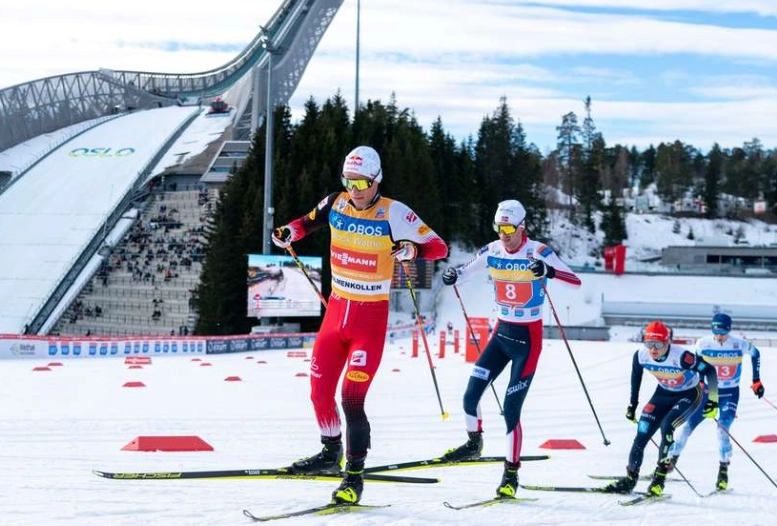
Now, the wear and tear. The injury risk is twofold:
- Jumping: High impact on landing (though modern hills are better). Stress on knees, hips, and back. The risk of a bad crash is always present, with serious consequences. The constant isometric tension on the in-run is brutal on the quads.
- Skiing: Repetitive strain from the skating motion. Classic overuse injuries in shoulders, elbows, back, and knees. The volume of training, especially on roller-skis in the summer, is a prime culprit.
The most common issue? Overtraining syndrome. It's the elephant in the room. With such a high volume of intense training, the line between peak performance and breakdown is thin. Symptoms include persistent fatigue, decreased performance, mood disturbances, and a weakened immune system. It's a constant battle to manage load, nutrition, and sleep. Honestly, I think many athletes flirt with this line their entire careers. The governing body for the sport, the International Ski and Snowboard Federation (FIS), has resources on athlete health that acknowledge these extreme demands, which you can find on their official website.
Beyond the Body: The Mental Game
You can't talk about physical demand without acknowledging the mental fortress required. The physical suffering is voluntary. You have to choose to push into that pain cave, day after day, in training and in races.
Imagine the mental whiplash on race day. You've just had a terrible jump. You're a minute behind the leader. You have 30 minutes to sit with that disappointment, that frustration. Then you have to put on your racing skis and give absolutely everything you have for 25 minutes, knowing you're starting from a huge deficit. The mental strength to do that, to not give up, is a different kind of toughness.
Or the opposite: you have a great jump and start first. Now the pressure is on you. Everyone is chasing you. The entire race is a fight to hold them off. The fear of being caught is a powerful, draining emotion you have to manage while your body is at its red line.
The training monotony is another beast. Long, solo hours on roller-skis in the rain. Repetitive jump training. It requires a special kind of focus and self-motivation. There are no roaring crowds in July. It's just you and the work.
How Does It Compare? Is It the "Hardest"?
It's a fun bar-room debate. Is Nordic combined the most physically demanding winter sport? It's certainly a top contender. Let's be honest, comparing sports is subjective. But here's my take based on the unique conflict it presents.
Cross-country skiing alone is arguably more aerobically demanding over longer distances. But it doesn't require the explosive power. Alpine skiing demands incredible strength, reflexes, and courage, but the events are shorter, with more rest.
Nordic combined's claim to the "hardest" title comes from its dual-discipline paradox. It's not just doing two hard things. It's doing two hard things that are physiologically at odds. The training is a constant compromise, a negotiation with your own body. That, to me, creates a unique and profound level of physical demand that is perhaps unmatched in its complexity.
Even major sports media have grappled with this question. A The New York Times piece profiling a Nordic combined athlete highlighted the "schizophrenic" nature of the training, caught between the jumper's need for bulk and the skier's need for leanness.
Common Questions (And Straight Answers)
The Final Verdict
So, how physically demanding is Nordic combined?
It's a demand that is total. It consumes your body, shaping it into a compromise between two ideals. It consumes your time, with years of sun-up-to-sundown training. It consumes your mind, requiring you to master two disparate skills and to push through pain and disappointment.
It's not just hard. It's complex hard. It's contradictory hard.
The athletes who do it are a special breed. They aren't just strong or just fit. They are adaptable, stubborn, and possess a kind of physical intelligence that allows them to listen to two conflicting sets of demands from their own physiology and find a way to meet them both.
The next time you watch an event, you'll see more than just a jump and a race. You'll see the culmination of a thousand grueling mornings, a million compromises, and a physical commitment so deep it defines a life. That's the real answer. The demand isn't just for a season; it's for a career. And that might be the most demanding thing of all.