Slang Quick Guide
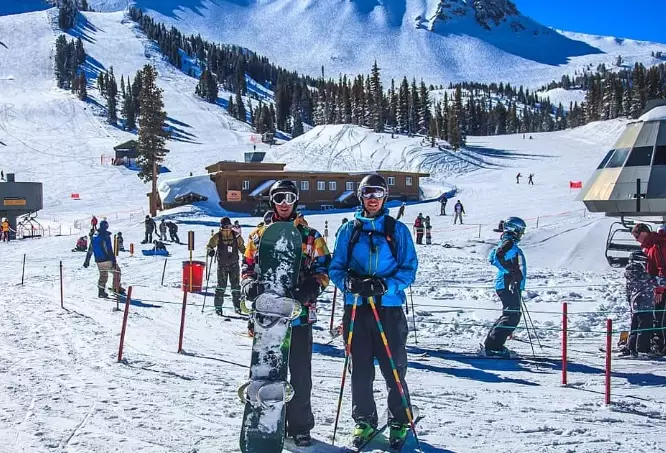
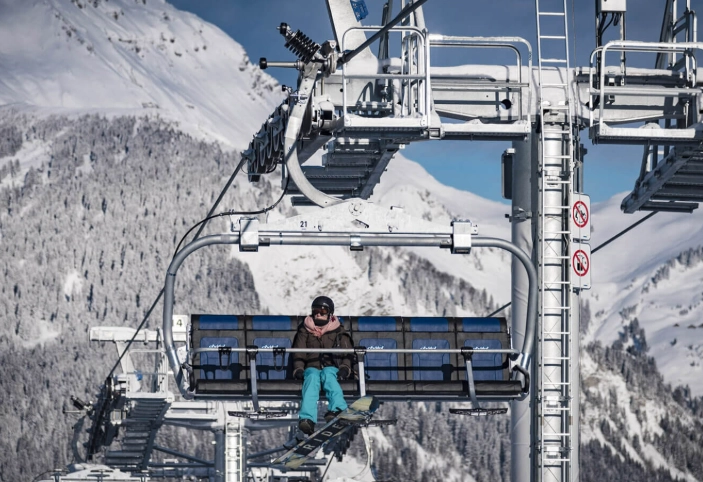
You hear it all the time when winter rolls around. Friends texting, "Headed up to hit the slopes this weekend!" Social media captions with pics of snowy peaks: "Perfect day to hit the slopes." It's everywhere. But here's the thing—it's so common that people often wonder if it's even slang anymore, or just the standard way to say you're going skiing or snowboarding. And that's the first interesting point. "Hit the slopes" sits in this cool middle ground. It's casual, it's energetic, but it's also widely accepted. It's the gateway phrase into a whole world of much weirder, more specific, and honestly more fun mountain lingo.
I remember the first time I heard someone say they were going to "shred the gnar." I was at a rental shop, and this guy with a very well-loved snowboard said it to his friend. I had to pretend I knew what he meant. I nodded along, but inside I was thinking, "The gnar? What's the gnar? Is that a place?" Turns out, it's not a place. It's the essence of challenging, gnarly terrain. That moment made me realize there's a whole language out there on the mountain, and if you don't speak a bit of it, you might feel a little lost.
The Core Answer: "Hit the Slopes" Explained
Let's get straight to it. "Hit the slopes" is, itself, the primary slang term. It means to go skiing or snowboarding. The phrase uses "hit" in that classic, active American English way—like "hit the gym," "hit the road," or "hit the books." It implies action, intention, and a bit of effort. You're not just "going to" the slopes; you're actively engaging with them. The "slopes" part is a classic metonym, where the part (the inclined runs) stands in for the whole (the ski resort/mountain experience).
Its origins aren't super mysterious. It likely emerged organically in the mid-20th century as skiing became a more popular recreational sport in North America. It's straightforward, visual, and has a nice rhythm to it. It's not trying too hard, which is probably why it stuck.
But honestly, if you stop at "hit the slopes," you're barely scratching the surface. Asking "what is the slang for hit the slopes?" is like asking for the word for "car" when there's a whole vocabulary for engines, models, and driving styles. The real treasure is in the variations and the more intense phrases that have evolved alongside snow sports culture.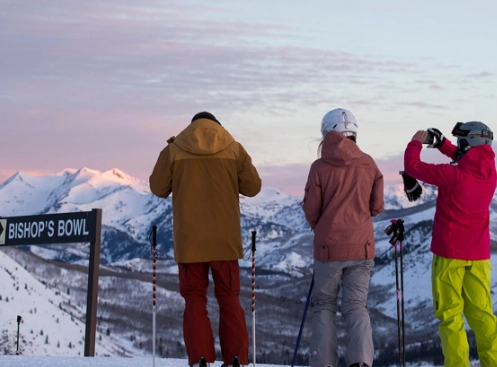
Beyond the Basics: The Real Slang Dictionary
This is where it gets fun. The slang evolves from regions, from subcultures (skiers vs. snowboarders historically had some different lingo, though that's blurred a lot), and from the sheer creativity of people having fun in the snow. Some phrases are direct synonyms, others describe a specific way of doing it.
Direct Synonyms & Alternatives: These phrases mean essentially the same thing as "hit the slopes"—they're just different ways to say "go skiing/snowboarding."
Shred / Shredding
This is arguably the most common modern synonym, especially among snowboarders and younger skiers. "We're going shredding this weekend." "I shredded that black diamond." It comes from the idea of shredding the snow with your edges, tearing it up. It's aggressive and cool. It's so prevalent that the International Ski Federation (FIS) even uses the term in some of its promotional materials for freestyle events, showing its move from counter-culture to mainstream.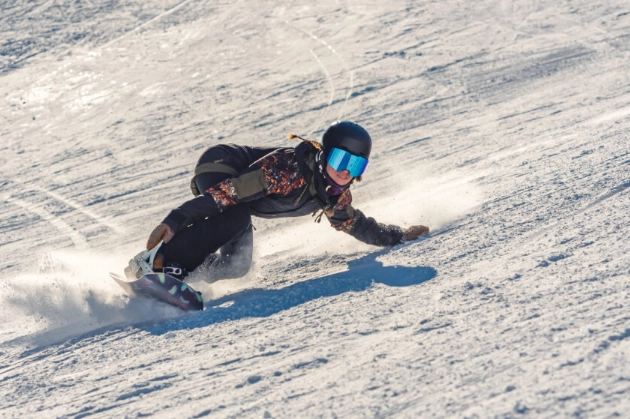
Shred the Gnar (or just "the Gnar")
This takes "shred" up a notch. "Gnar" is short for "gnarly," which originally meant dangerous or challenging surf conditions. It was adopted into snow sports to mean difficult, bumpy, steep, or otherwise intense terrain. So, "shredding the gnar" isn't just any skiing; it's aggressively tackling the hardest stuff on the mountain. It implies skill and a bit of fearlessness. If someone says they "shredded the gnar," they're telling you they had a hardcore day.
Send It
This one is more about the mindset than the general activity. "Sending it" means committing fully to a jump, a drop, a line down a cliff band—anything with high consequence. You might say, "I'm gonna send that cliff today" or, more generally, "We're just gonna send it all day!" as a synonym for an aggressive day on the mountain. It's about going for it with 100% commitment, consequences be damned (sometimes foolishly, but that's part of the lore).
Carve (or Carving Turns)
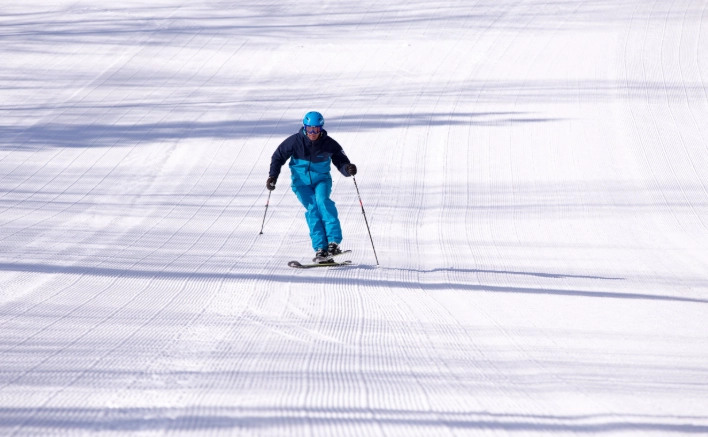
While this specifically describes a technical style of turning where the ski or board's edge cuts cleanly into the snow, it's often used as a general, more elegant alternative to "shred." "Going up to carve some turns" suggests a focus on technique and smooth, arcing lines on groomed snow. It's a bit more refined than "shred."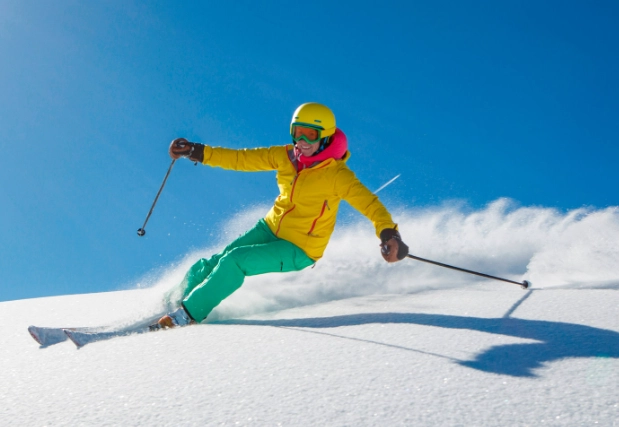
Get Some Turns In
A classic, low-key phrase. It's humble and focused on the fundamental joy of the sport: making turns in the snow. "Just heading out to get a few turns in before work." It's unpretentious and widely used.
Here’s a quick look at how these stack up in terms of intensity and connotation:
| Slang Phrase | Best For... | Vibe/Intensity | Often Used By |
|---|---|---|---|
| Hit the Slopes | The universal, standard casual phrase. | Active, friendly, mainstream. Medium intensity. | Everyone. |
| Shred | The modern, cool, all-purpose verb. | Energetic, skilled, fun. Medium-High intensity. | Snowboarders, freestyle skiers, younger crowd. |
| Shred the Gnar | Describing a day on extreme terrain. | Aggressive, expert-level, hardcore. Very High intensity. | Advanced riders, in steep/deep conditions. |
| Send It | Committing to a big feature or an aggressive mindset. | Bold, fearless, sometimes reckless. Peak intensity. | Park riders, big mountain enthusiasts. |
| Carve Turns | Focusing on technique on groomed runs. | Technical, smooth, elegant. Low-Medium intensity. | Skiers, all-mountain carvers. |
| Get Some Turns In | A casual, humble description. | Relaxed, pure enjoyment. Low intensity. | Everyone, especially on casual days. |
Regional Twists and Niche Lingo
Language changes with the landscape. In the deep snowpack of the Pacific Northwest or the interior mountains of Canada, you'll hear "slay the pow" or simply "powder day!" as a call to action. "Pow" is, of course, short for powder snow—the holy grail. On the icy coasts of New England, the slang might be less about glory and more about survival, with phrases like "scratching down the ice coast" being a badge of honor (or a complaint about conditions).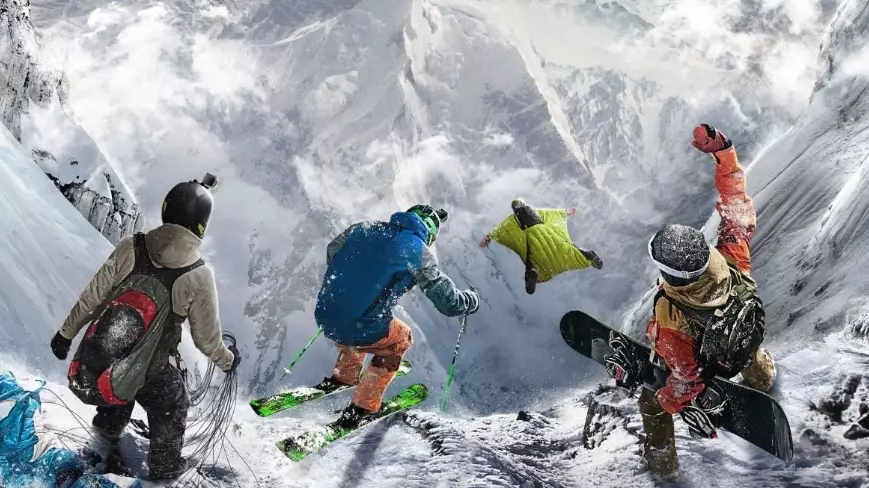
Then you have the super-niche terms. "Dropping in" is the moment you commit to a run, especially a steep one. "Straight-lining" is going down a slope without turning, usually very fast. "Booting" refers to the miserable task of walking up a slope in your ski boots. And let's not forget the all-important post-slang: "après-ski" (the social activities after skiing), which isn't English in origin but is absolutely critical mountain vocabulary.
A quick warning: Some older slang has (rightfully) fallen out of favor. Terms that mocked beginners or specific styles are considered gatekeeping and lame by today's more inclusive standards. The best slang is inclusive and describes the fun, not who's having it.
How to Use This Slang (Without Sounding Like a Try-Hard)
This is the real trick, isn't it? You learn these phrases and then worry about using them wrong. Here's my take, after years of occasionally messing this up.
Let context be your guide. If your friend texts "what are you up to this weekend?", "heading up to hit the slopes" is perfect. It's clear and casual. If you're in the lodge with a group that just came down from a double black diamond chute covered in fresh snow, saying "you guys really shredded the gnar out there" makes sense and will probably get a smile.
Match the phrase to the activity. Don't say you "shredded the gnar" if you spent the day on gentle blue runs. It sounds silly. Say you "got some great turns in" or "had a blast carving up the groomers." It's more honest and paints a better picture.
When in doubt, listen first. The culture on the mountain is usually pretty welcoming. Listen to how people around you are talking. You'll pick up the natural flow. The goal isn't to sound like a dictionary of skiing slang terms; it's to communicate shared stoke.
I made the mistake early on of overusing "send it" for every little jump. A more experienced friend finally laughed and said, "Dude, you 'pop off' the small stuff. You 'send' the things that scare you." Lesson learned.
Your Burning Questions About "Hit the Slopes" and More, Answered
Why This Slang Even Matters
You might think this is all just silly words. But this slang does a few important things. It creates a sense of community and shared identity. When you understand what it means to "shred the gnar," you're not just understanding a phrase—you're acknowledging a shared experience of challenging yourself in the mountains. It's a shorthand for passion.
It also efficiently conveys nuance. "Hit the slopes" tells everyone you're going. "Shred the gnar" tells them you're planning on attacking difficult terrain. "Get some turns in" tells them you're going for the simple pleasure of it. That's useful!
Finally, it's just fun. Language should be playful. The creativity of terms like "shred the gnar" or "send it" adds to the culture and the excitement of the sport. It's part of what makes a powder day feel like an event.
The Bottom Line: So, what is the slang for hit the slopes? Well, "hit the slopes" is the classic, go-to slang phrase itself. But the richer answers are words like shred, send it, carve, and shred the gnar. They paint a more vivid picture of how you're planning to engage with the mountain. Knowing this lingo isn't about being cool; it's about connecting with the culture of a sport that's all about freedom, challenge, and joy in the snow. Next time you're planning a trip, try swapping out the phrase. Instead of just saying you'll hit the slopes, maybe you're going up to shred some fresh pow or just get a few peaceful turns in. It changes the feeling. Now you're not just going somewhere—you're speaking the language of the adventure.
And remember, the best slang is used with a grin. Don't take it too seriously. The mountains are for fun, and so are the words we use to talk about them. Now go get out there—however you choose to say it.