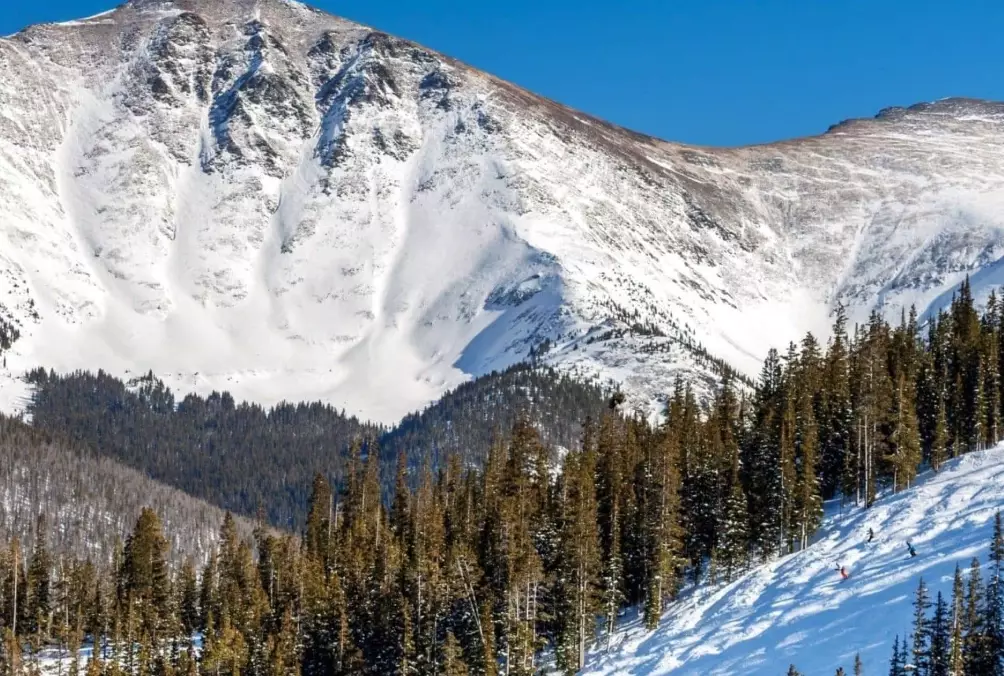
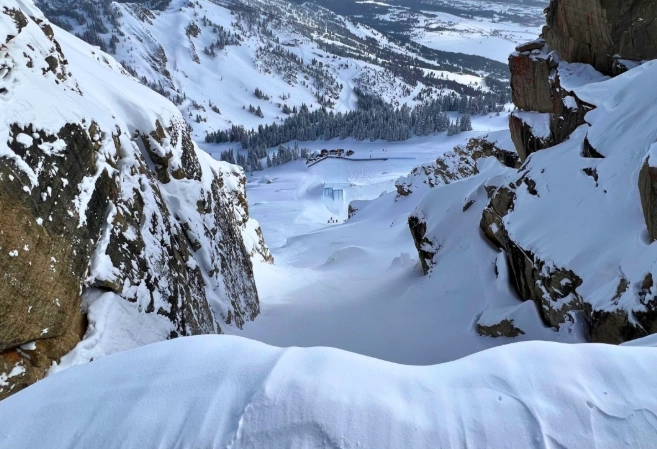
I remember staring at the slope. The forecast said "Considerable." My friends were eager to drop in. The snow looked perfect, untouched. Everything in my gut said to wait, but the pressure to join them was huge. That moment, right there, is where understanding avalanche risk moves from theory to a life-or-death skill. It's not about memorizing facts; it's about building a process you trust more than your excitement or your fear of missing out.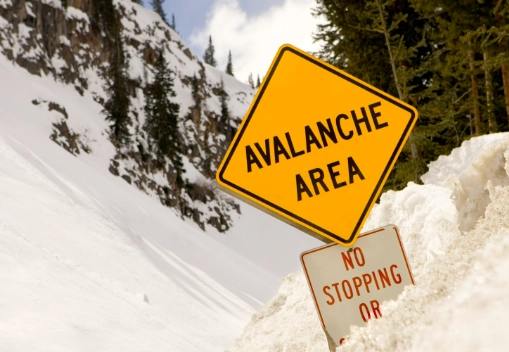
This guide won't replace a certified avalanche course—you need to take one—but it will show you what that course really teaches: how to think, not what to think.
Your Quick Guide to Avalanche Safety
The Four Pieces of the Avalanche Risk Puzzle
Forget looking for one red flag. Avalanche danger comes from a combination of factors. Miss one, and your assessment is flawed.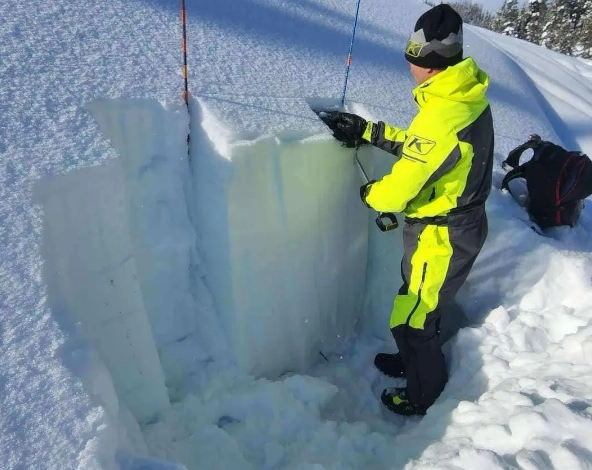
1. Snowpack: The Hidden Architecture
This is the foundation. A weak layer buried under a slab is the classic setup. The problem? You can't see it from the surface. You need to dig. A common mistake is digging one pit in a safe zone and assuming the snowpack is the same everywhere on the slope. Wind can transport and deposit snow, creating drastic changes over just a few meters.
Pro Tip: Don't just look for "propagation" in your stability tests. Pay attention to how the block fails. A clean, planar shear that slides out easily is a screaming warning sign, even if it doesn't propagate across the whole column.
2. Weather: The Architect and Trigger
Weather creates and stresses the snowpack. Recent heavy snowfall (more than 12 inches/30 cm in 24 hours) adds load. Wind is a major player—it scours snow from one area and dumps it as a dense, cohesive slab on another (leeward slopes). Rain or rapid warming weakens the snow structure. Always ask: what has the weather done in the last 48 hours?
3. Terrain: The Stage
This is the only factor you have 100% control over. Avalanches need slopes steep enough to slide, generally between 30 and 45 degrees. That's the sweet spot for most recreational avalanches.
| Slope Angle | Risk Level | Your Action |
|---|---|---|
| Less than 25° | Very Low | Generally safe from avalanches. |
| 25° - 30° | Low to Moderate | Avalanches possible, especially with high danger. Good for conservative travel. |
| 30° - 35° | Moderate to High | Prime avalanche terrain. Requires careful evaluation of other factors. |
| 35° - 45° | High | Maximum frequency. Even small triggers can cause large slides. |
| Greater than 45° | Variable | Snow often sloughs but may not form large slabs. Exposure and falling are bigger risks. |
Also, look at the terrain above you (are you under a slope that could slide?) and the terrain below you (if it slides, where will you end up? A flat runout or a terrain trap like a creek bed or cliff?).
4. The Human Factor: The Wild Card
We'll dive deeper into this later, but it's the piece that most often causes accidents. Fatigue, ego, groupthink, and "powder fever" consistently override good judgment.
How to Perform a Basic Avalanche Risk Assessment
Do this before you even drive to the trailhead. I have a checklist on my phone I run through every time.
Step 1: The Forecast is Your Foundation. Read the regional avalanche forecast from a reputable center like the American Avalanche Association's network. Don't just look at the danger rating (Low, Moderate, Considerable, High, Extreme). Read the discussion. What problems are they highlighting? Persistent slabs? Wind slabs? Where are they?
Step 2: Plan Your Route Around the Forecast. If the forecast says "dangerous wind slabs on NE aspects above treeline," you plan a route that avoids those exact aspects and elevations. Have a Plan B and a Plan C.
Step 3: Observe Continuously. The forecast is a starting point. Once on the ground, look for signs of instability: recent avalanches, shooting cracks in the snow, loud "whumpfing" sounds (a collapsing weak layer). These are nature's red flags—heed them.
Step 4: Dig and Test. In a representative but safe spot, dig a snow pit. Perform a compression test and maybe an extended column test. This isn't about proving it's safe; it's about looking for evidence that it's unsafe.
Step 5: Communicate and Decide as a Group. Before committing to a slope, everyone in the group needs to agree. One "I'm not sure" is a veto. No exceptions.
The Biggest Mistake I See: People treat the forecast like a weather report—"It's Considerable today." Then they go out and make decisions based on what they see, often downgrading the danger because the sun is out. The forecast is an analysis of the snowpack, which you can't see. Trust it until your own observations prove it wrong.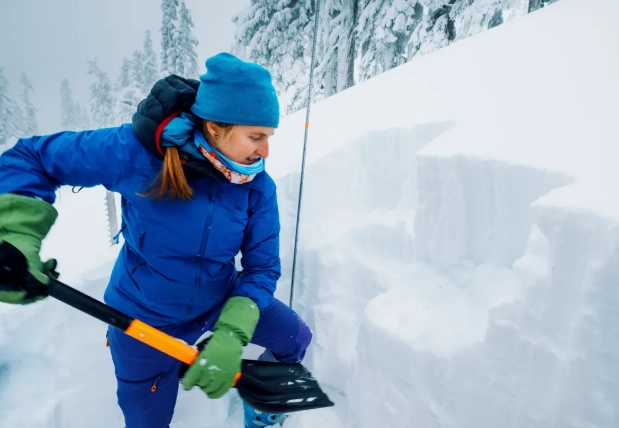
Making Smarter Terrain Choices Based on Risk
When the risk is elevated, you don't stay home—you dial back your terrain. This is the core of managing avalanche risk.
- Stick to Low-Angle Slopes: If the danger is Considerable or High, limit yourself to slopes under 30 degrees. The skiing can still be fantastic in meadows and gentle glades.
- Use Terrain as Protection: Travel on ridges, along the side of a slope (not the middle), and through dense trees. Avoid open bowls and convex slopes (which hide steeper terrain below).
- Expose One Person at a Time: On any questionable slope, only one person should be in the avalanche runout zone at a time. The rest watch from a safe spot.
I've had some of my best days in the backcountry on "Moderate" danger days by simply choosing a mellow, forested route everyone else overlooked.
The Human Factor: Your Biggest Weakness
You can have all the knowledge, but if you don't manage the psychology, you'll make bad calls. The data on avalanche accidents is clear: human factors are almost always involved.
Familiarity: You ski the same slope every weekend and get comfortable. The risk hasn't changed, but your perception of it has.
Expert Halo: Following the most experienced person without questioning their decisions.
Summit Fever / Powder Fever: The goal (the summit, the perfect line) overrides the process of safe travel.
My rule? Before dropping in, I ask myself: "If I were alone right now, would I ski this?" It cuts through the group noise.
Gear is Useless Without the Skills to Use It
You must have, and know how to use, the three essentials: a transceiver (beacon), a probe, and a shovel. Practice with them monthly, not just at the start of the season.
- Transceiver: Keep it ON and ON YOUR BODY in transmit mode. A beacon in your backpack is worthless if you're separated.
- Probe: Know how to assemble it quickly with cold, gloved hands.
- Shovel: A metal, extendable shovel. Plastic ones break.
An airbag backpack can increase survival chances, but it's not a force field. It's a last line of defense, not a reason to take more risk.