Quick Guide
- Beyond the Skid: What a Carved Turn Actually Is (And Why It Feels So Good)
- The Physics of a Perfect Carve: It's All About the Edge
- The Carved Turn, Step-by-Step: A Blueprint for Success
- Why You're Probably Not Carving Yet: Common Mistakes & Fixes
- Your Gear Matters: Skis, Boots, and Tuning
- Drills to Lock In the Feeling
- Safety, Terrain, and Taking It Further
- Your Carved Turn Questions, Answered
- Wrapping It Up: The Journey, Not the Destination
Let's be real for a second. You're cruising down a groomed blue run, and you see that skier. You know the one. They're not making a lot of noise, their skis aren't scraping or chattering, they're just... flowing. Each turn is a quiet, clean arc in the snow, leaving behind two perfect, pencil-thin lines. That's the carved turn. It's not just for racers in skin-tight suits anymore. It's the secret sauce that separates feeling like you're surviving the mountain from truly dancing with it.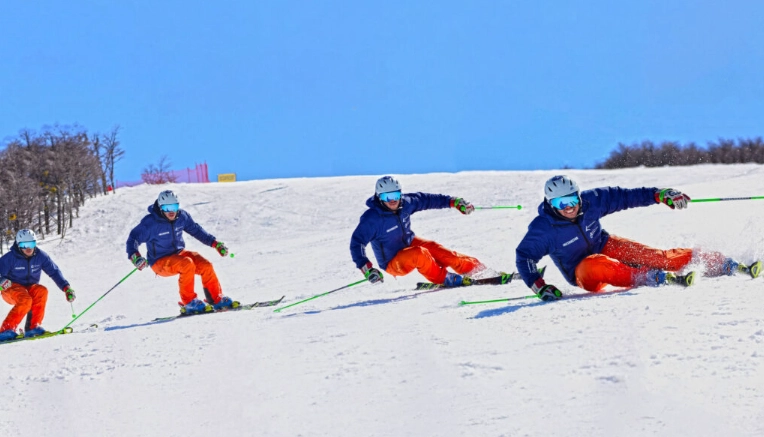
I remember the first time I felt a real, honest-to-goodness carved turn. It was a fluke, honestly. I was trying something different, leaned in a bit more than felt safe, and suddenly my skis just hooked up. The sideways slide stopped, and for a beautiful three seconds, I was pulled around the turn by pure physics. It felt like magic. No effort, just pure glide. I was hooked. Since then, I've spent years breaking it down, teaching friends, and figuring out why so many of us struggle to move past the skidded, defensive turns that keep us slow and insecure.
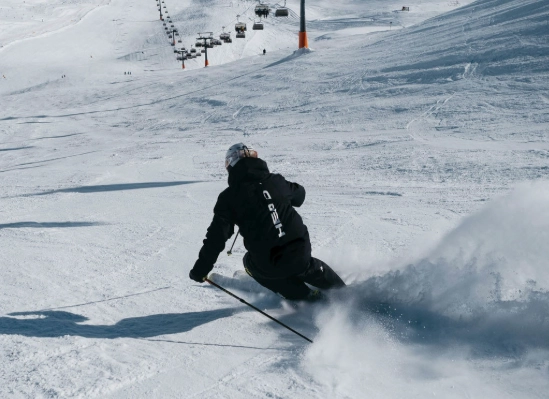
So, what exactly is a carved turn? In the simplest terms, it's a turn where your ski's metal edge cuts into and travels along a precise, curved path in the snow, with minimal to no lateral skidding. The ski bends like a bow, and its sidecut geometry does the turning work for you. It's efficient, fast, and incredibly satisfying.
Beyond the Skid: What a Carved Turn Actually Is (And Why It Feels So Good)
Most of us learn to ski by rotating our feet and shoulders to force the skis to change direction. We push them sideways against the snow—that's a skidded turn. It's a great braking technique and essential for control in many situations. But it's also slow, physically tiring, and can feel unstable at higher speeds.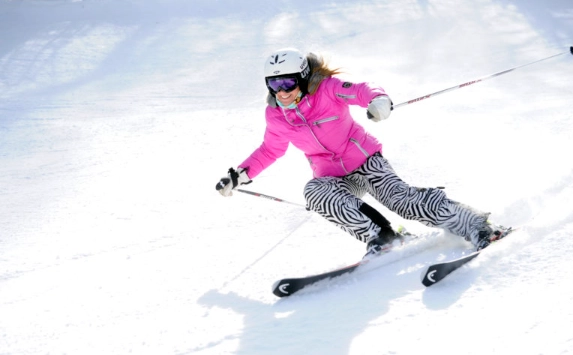
A pure carved turn is different. Think of it like a train on rails. The edge is the rail. Once it's engaged, the ski's shape determines the turn. Your job isn't to steer, but to balance and guide the pressure along that edge. The feeling? It's a smooth, powerful pull from your feet up through your body. You accelerate out of the turn instead of slowing down. The sound changes from a abrasive scrape to a quiet hiss.
Why bother? Well, besides the sheer joy of it, carving is the foundation for confident skiing everywhere. It teaches you precise edge control, which is vital for ice, moguls, and variable snow. It conserves energy, letting you ski longer days. And let's be honest, it just looks and feels cool. Mastering the carved turn opens up the whole mountain.
The Physics of a Perfect Carve: It's All About the Edge
You don't need a degree, but understanding a tiny bit of what's happening under your feet makes everything click. A modern ski isn't a flat plank. It has a deep sidecut—an hourglass shape that's wider at the tip and tail, narrower at the waist. When you tilt that ski onto its edge on hard snow, it wants to bend into an arc. That arc is your turn radius.
The more you tilt the ski (this is called the edge angle), the deeper it digs in and the tighter the arc becomes. The force generated is called centrifugal force (really centripetal, but let's keep it simple). You feel it pulling you outward. To stay balanced, you have to lean inward toward the center of the turn. This angulation—creating angles in your body—is the key to staying balanced over that high-edge-angle ski.
It's a beautiful dance. More edge angle = more grip and a tighter turn. But more edge angle also requires more aggressive angulation to avoid falling over. Finding that balance point is the lifelong pursuit of carving.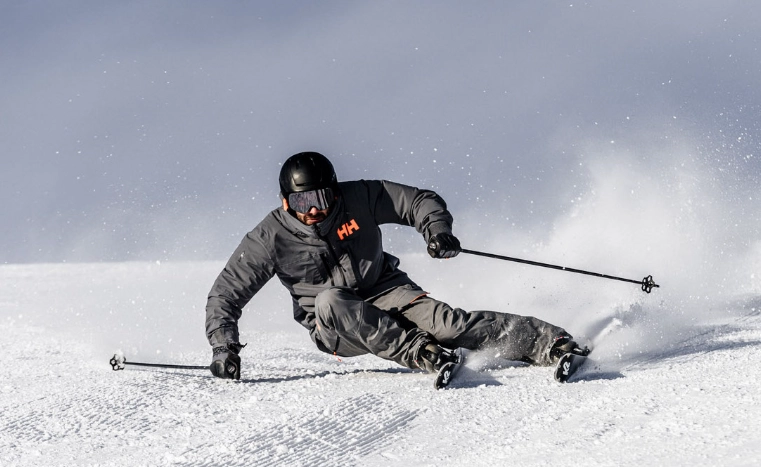
Carved Turn vs. Skidded Turn: A Side-by-Side Look
It's easier to see the difference in a table. This isn't about good vs. bad—both have their place—but about understanding the goals.
| Feature | Carved Turn | Skidded Turn |
|---|---|---|
| Primary Force | Edge engagement & ski bend | Rotary leg steering & friction |
| Snow Track | Two thin, parallel lines | A wide, brushed-out fan |
| Sound | Quiet hiss or silence | Loud scraping or scratching |
| Speed Effect | Accelerates out of the turn | Decelerates during the turn |
| Energy Use | Efficient, less fatiguing | Inefficient, more tiring |
| Best For... | Groomed runs, hard snow, speed, efficiency | Speed control, steep terrain, bumps, loose snow |
See, they're different tools. The problem is most recreational skiers only have the skidded turn in their toolbox, even on perfect corduroy where a carved turn would be bliss.
The Carved Turn, Step-by-Step: A Blueprint for Success
Let's get practical. You're on a gentle, groomed slope (start easy, ego is the enemy of progress). Here's how to build a carved turn from the ground up. Don't try to do it all at once. Pick one focus per run.
Phase 1: The Initiation & Edge Engagement
This is where the turn starts. Forget shoving your shoulders around. A carved turn begins from the feet up.
- Unweight subtly: As you finish your last turn, gently extend your legs slightly. This lightens the pressure on your skis for a split second. Some instructors call this "up-unweighting." It's not a big bounce.
- Tip your new inside knee: To start a left turn, tip your right (new inside) knee down the hill and toward the tip of the ski. Imagine trying to touch that knee to the snow in front of your big toe. This rolls your ankle and knee, engaging the edge of your right ski.
- Let the ski bend: As the edge grips, your weight will come back onto the ski. Let it. Trust that sidecut. The ski will start to bend and pull you into the turn arc. Your left (outside) ski will follow suit almost automatically if your stance is good.
The feeling you're after here is the ski grabbing and starting to pull you. If you hear a scrape, you're likely still steering with your legs. Stop that. Just tip and feel.
Phase 2: The Control & Pressure Phase
Now you're in the turn. This is where you manage the forces.
- Build angulation: As the turn develops and forces build, you need to lean your body inward to stay over your edged skis. Don't just bend at the waist! Create angles by pushing your knees down the hill while keeping your upper body more upright and facing down the fall line. Your spine should be tilted toward the center of the turn. A good cue is to try to keep your outside shoulder slightly ahead of your inside shoulder.
- Manage pressure: Your outside ski is doing 80-90% of the work. You should feel strong pressure on the ball of your outside foot, right under your big toe. This pressure is what bends the ski fully. As the turn progresses, you can gradually increase this pressure by flexing your ankle and knee, driving your weight down into that outside ski.
This is the make-or-break phase. If you collapse inward or let your upper body fall to the inside, you'll lose edge grip and skid. Stay tall and create those angles.
Phase 3: The Finish & Transition
Completing one carved turn sets you up for the next.
- Ride it out: Let the turn finish its natural arc. The ski will want to bring you back across the hill.
- Prepare to release: To finish and start the next turn, you need to release the edges. This is the opposite of engaging them. Gently reduce the angle in your ankles and knees. The skis will flatten momentarily against the snow.
- Flow into the next: As the edges release and you become momentarily unweighted, immediately begin tipping your new inside knee for the next turn. The goal is a seamless, flowing rhythm: engage... pressure... release... engage...
The transition should feel like a pendulum swing, not a series of jerky movements. A linked series of carved turns feels like riding a winding roller coaster track.
Why You're Probably Not Carving Yet: Common Mistakes & Fixes
I've seen these a thousand times, and I've made most of them myself. Let's diagnose the usual suspects.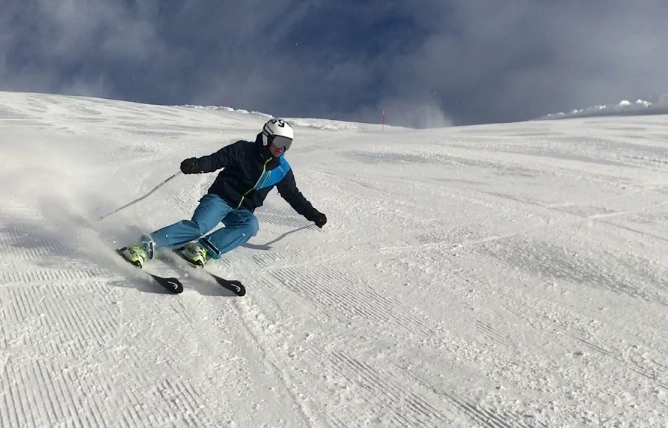
The "Backseat Driver"
Symptoms: Feeling like you're constantly leaning back, pressure in your heels, quads burning by lunch, skis feel unstable and chatter. The Fix: This is often a fear response. You feel the pull of the turn and instinctively lean back to "put on the brakes." It kills edge pressure. Focus on keeping your shins pressed firmly into the front of your ski boots all the time. Practice on gentle terrain where you're not scared. Imagine a string pulling your belly button down the hill.
The "Shoulder Swiveler"
Symptoms: You initiate turns by violently twisting your upper body and shoulders. Your skis might eventually follow, but the turn starts with a jerk and your upper and lower body are disconnected. The Fix: Keep your shoulders mostly facing down the fall line. Practice holding your ski poles out in front of you, horizontal to the snow, and keeping them pointed straight ahead as you turn. If they start swinging wildly, your shoulders are doing too much work. The turn starts from the feet, not the face.
The "Inward Collapser" (aka "The Banana")
Symptoms: You lean your whole body into the hill, bending at the waist. Your inside hip drops, your inside shoulder drops, and you look like a banana. This puts your weight on the inside ski and causes the outside ski to wash out. The Fix: Work on angulation. Remember, your knees and lower body move into the hill, but your upper body stays more upright and over the base of support. A great drill is to touch your outside hand to your outside knee during the turn. This forces you to separate your upper and lower body.
Fixing these isn't about trying harder, it's about trying differently. Often, it means doing less.
Your Gear Matters: Skis, Boots, and Tuning
Can you carve on any ski? Technically, yes. But some skis make it laughably easy, while others make it a constant battle. If you're serious about learning, your equipment shouldn't be the thing holding you back.
Skis: Look for a ski with a pronounced sidecut. A waist width between 70mm and 85mm is ideal for learning on groomed snow. These are often called "frontside carvers" or "all-mountain carvers." They have a lot of camber underfoot, which helps them pop from turn to turn and hold a fierce edge. Brands like Head (Supershape series), Volkl (Deacon series), and Blizzard (Firebird series) make phenomenal carving tools. Check out detailed, annual gear reviews from trusted sources like Ski Magazine to see current top picks—they test hundreds of skis in real conditions.
Boots: This is arguably more important than the skis. A proper, professionally fitted ski boot is the single best investment you can make. It's the direct interface between your body and the ski. If your boot is too loose, you'll never have precise edge control. If it's too stiff or ill-fitting, you'll be in pain and can't flex properly. Go to a certified bootfitter. Period. The Professional Ski Instructors of America & American Association of Snowboard Instructors (PSIA-AASI) website can help you find certified professionals in your area.
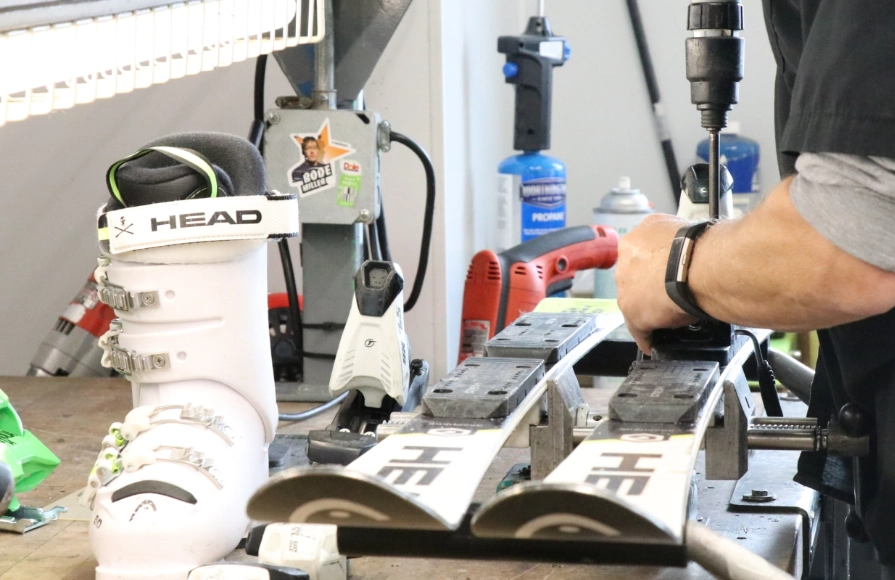
Tuning: Dull edges won't carve. It's that simple. Your skis need sharp, well-maintained edges, especially along the length under your foot. A flat, waxed base also reduces friction. Learn to feel for burrs on your edges, or get them tuned professionally a few times a season if you ski regularly. A freshly tuned ski feels like a revelation.
Drills to Lock In the Feeling
Thinking about all these steps while flying down a run is overwhelming. Drills isolate the movements so they become muscle memory. Do these on a very easy, wide green slope.
Top 3 Carving Drills
- J-Turns: Traverse across the hill. Slowly and deliberately tip both knees down the hill to engage your edges. Don't try to turn up the hill, just let the skis hook up and pull you into a turn that finishes pointing straight down the fall line, making a "J" shape. Focus entirely on the feeling of the edge gripping and pulling. Then ski straight, reset, and do it the other way.
- Railroad Tracks: Make a turn, but focus 100% on leaving two perfectly parallel, thin tracks in the snow. Look back at your tracks. Are they clean lines or washed-out fans? This is instant feedback. Try to make your next tracks even cleaner.
- Hands on Knees: Ski with your hands resting on your knees. In the middle of each turn, press your outside hand firmly down on your outside knee. This physically pushes your knee into the hill, increasing edge angle, and keeps your upper body quiet and facing down the mountain. It's a fantastic angulation drill.
Safety, Terrain, and Taking It Further
Carving generates speed. That's part of the fun, but it comes with responsibility. Always ski in control and within your ability. A perfectly carved turn on an empty groomer is one thing; trying to force the same edge angle on an icy, crowded slope is a recipe for disaster.
Start easy. Use gentle terrain to build the feeling and confidence. As you improve, you can take the same principles—clean edge engagement, angulation, pressure control—into more challenging conditions. In moguls, you need quick, precise edge touches. In powder, you'll have a more blended turn with some carve and some pivot. But the fundamental balance and edge awareness you learn from carving are universal.
For the absolute best, most detailed technical breakdowns and progression models, I always point people to the resources from the PSIA-AASI. Their teaching methodologies are based on decades of research and are the gold standard. Their "Fundamentals" concept is essentially the blueprint for the carved turn we've been discussing.
Your Carved Turn Questions, Answered
Wrapping It Up: The Journey, Not the Destination
Mastering the carved turn isn't something you check off in a weekend. It's a journey of refinement. Some days it clicks; other days you feel like you've forgotten everything. That's normal. The pursuit of that perfect, quiet arc in the snow is what keeps bringing us back to the mountains.
Start small. Pick one thing from this guide to focus on next time you're on snow. Maybe it's just making cleaner J-turns on a cat track. Maybe it's checking your tracks after every run. Maybe it's finally getting your boots checked by a pro. Each small step builds toward that moment of effortless flow.
Because when you finally link a series of carved turns together, feeling the rhythm of engage-pressure-release, hearing only the wind and the hiss of your edges, and seeing those twin tracks ribboning down the mountain behind you... well, there's nothing quite like it. That's the feeling we're all after. And it's absolutely worth the work.
Now go get some turns in.