Quick Guide
- Breaking Down the Core Elements of a Beginner-Friendly Park
- How to Actually Choose Your First Terrain Park
- Your Step-by-Step Plan for the First Visit
- Common Mistakes (And How to Avoid Them)
- The Culture and Vibe Matter
- Spotlight: Resorts Known for Great Beginner Parks
- Gear You Actually Need (And What You Don't)
- Frequently Asked Questions by Beginners
So, you've seen those videos. Riders soaring through the air, sliding down rails, making it all look effortless. You've mastered the greens and maybe some blues, and now you're staring at the terrain park entrance, wondering if you should give it a go. That little voice in your head asks, "What is a good terrain park for beginners, anyway?" Is it even for me?
Let's cut through the noise. A good beginner terrain park isn't about the biggest jumps or the longest rails. It's about a safe, progressive, and welcoming space where you can learn without feeling like you're in over your head. I remember my first time peeking into a park—the features looked massive, the riders seemed like pros, and I just skated right past, too intimidated to try. I wish I'd had a guide like this to tell me what to actually look for.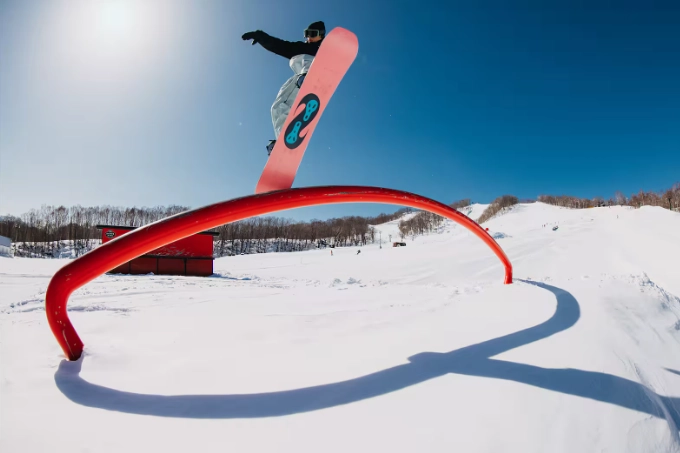
At its core, a good beginner terrain park is designed with progression in mind. It's a dedicated learning zone, separate from the main park, with small, forgiving features that let you build confidence step-by-step.
Breaking Down the Core Elements of a Beginner-Friendly Park
Not all parks are created equal. Some resorts just throw a few boxes on a flat piece of snow and call it a day. A truly good terrain park for beginners is meticulously planned. Here’s what sets it apart.
The Layout and Zoning is Everything
This is the first thing you should notice. A well-designed beginner park is often physically separate from the intermediate and advanced parks. You might see it labeled as a "Progression Park," "Small Features Zone," or "Green Circle Park." This separation is crucial for safety—it keeps high-speed experts from mixing with tentative beginners. The run-in and run-out areas should be long, flat, and wide, giving you plenty of space to set up and recover.
The features themselves should be arranged in a logical flow. You shouldn't have to awkwardly traverse or stop between hits. A good park lets you link features naturally, almost like a mini-course designed for your first 50-50 or straight air.
The Features: Small, Forgiving, and Build Confidence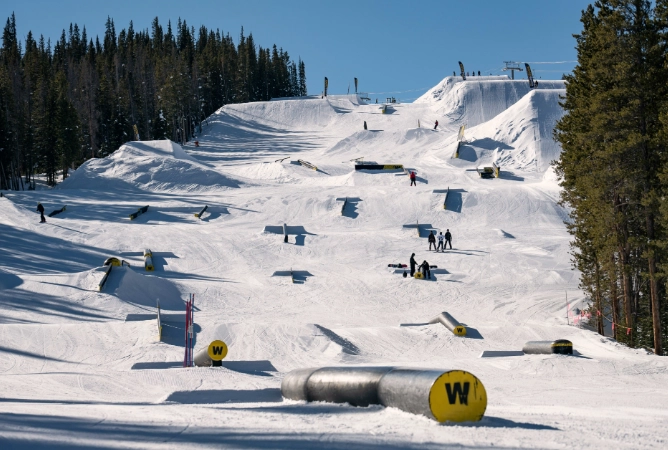
Let's talk about the actual stuff you'll ride. Forget the 40-foot kickers. A good beginner park focuses on low-consequence features.
- Small, Mellow Jumps (Kickers): We're talking maybe 1 to 3 feet tall, with a gentle, rounded takeoff (called a transition) and a long, flat landing. The idea is to get you used to leaving the ground and landing on the downhill side without sending you to the moon.
- Low, Wide Boxes and Flat Rails: The first rail you ever try should be wide enough to stand on comfortably (think 1 foot wide or more) and only a few inches off the snow. A "box" is a wide feature with a plastic or snow surface that's less slippery than a metal rail. A perfect first feature is a wide box that's practically on the ground.
- Rollers and Banked Turns: These are often overlooked but are fantastic beginner features. Rollers are just smooth mounds of snow you pump over to get a feel for compression and extension without leaving the ground. Banked turns are like mini-halfpipes or curved walls that teach you how to ride a transition.
I made the mistake of trying a rail that was way too thin and high for my first time. My edge caught, and I slammed hard. Starting on a low, wide box would have saved me a bruised hip and a bruised ego.
Signage and Park Etiquette
This is a huge marker of a good park. Clear, color-coded signage (green circle for beginner, blue square for intermediate, black diamond for advanced) should be at the entrance of each feature line. The signs should also indicate the proper direction of approach. Look for resorts that promote the Smart Style safety code—it's a universal set of rules for park riders, like always looking uphill before dropping in and not stopping on landings.
If you roll up to a park with no signs, features crammed together, and no clear separation between skill levels, consider it a red flag. It shows a lack of management and increases the risk of collisions.
How to Actually Choose Your First Terrain Park
Okay, so you know what a good one looks like in theory. But how do you find one? You can't just visit every resort to check.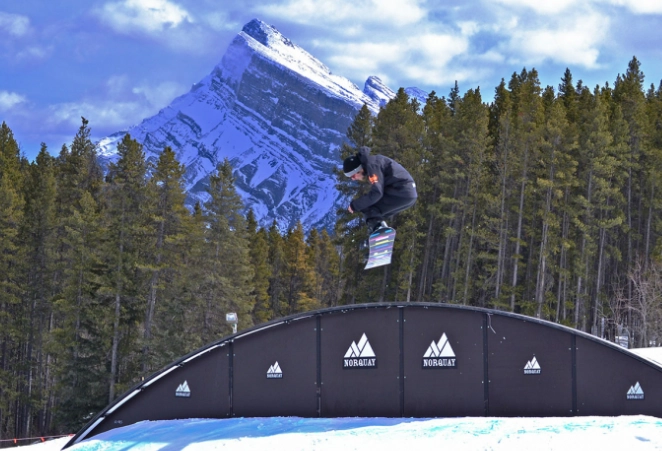
First, hit up the resort's website. Look for their mountain or trail map. Many now have dedicated "terrain park" maps that show the location and difficulty of each park. Look for keywords like "Beginner Park," "Progression Park," or "First Timer Park." Check their social media (Instagram, YouTube) for recent videos. You can often see the scale of the features in user-generated content.
Don't be shy about calling the resort's ski school or guest services. Ask them directly: "Do you have a dedicated beginner terrain park? What kind of features are in it right now?" Their answer will tell you a lot.
Here’s a comparison of what to look for versus what to avoid:
| GOOD Sign (Choose This Park) | BAD Sign (Maybe Look Elsewhere) |
|---|---|
| Clearly marked "Beginner" or "Progression" area | All features mixed together with no zoning |
| Long, flat run-ins and run-outs to features | Features placed right after a steep pitch or a cat-track |
| Features are low to the snow and have a wide surface | High rails, narrow boxes, or large gap jumps |
| Active park crew visibly shaping and maintaining features | Features look icy, rutted, or poorly maintained |
| Prominently displays the Smart Style safety code | No signage or etiquette reminders |
Your Step-by-Step Plan for the First Visit
You've found what looks like a good terrain park for beginners. Now what? Walking up to the lip of a jump for the first time is nerve-wracking. Having a plan helps.
Step 1: The Scout. Don't even put your board or skis on. Walk around the perimeter of the beginner area first. Watch other riders. See where they take off and land. Look at the snow conditions on the takeoffs and landings. Is it soft or icy? This isn't wasting time—it's crucial reconnaissance.
Step 2: The Warm-Up Lap. Strap in and just ride straight through the park. Don't hit anything. Just cruise down the line, getting a feel for the snow, the speed you carry, and the layout. Feel the transitions of the jumps under your feet.
Step 3: Start with the Ground. Literally. Find a small roller or side-hit. Practice pumping over it—pushing down into the transition and pulling up as you go over the top. This teaches you how to control your pressure without leaving the ground.
A fantastic first "feature" is just riding up the side of a banked turn (a berm) and carving back down. It feels fun, teaches edge control on a transition, and has zero risk of catching an edge.
Step 4: The First Real Hit. Choose the smallest, most mellow feature. For most, this is a low, wide box. Approach straight on at a slow, controlled speed. Stand tall, look at the end of the box, and just ride onto it. Don't try to jump on. Just let the feature come to you. Focus on keeping your weight centered and your body relaxed. A stiff body is a crashing body.
Step 5: Progress, Don't Leap. Master the box. Then try it with a tiny hop on. Then maybe find the smallest jump. The key is incremental progress. Trying a 10-foot rail because you nailed a 2-foot box is how people get hurt. A good beginner park is designed for this exact step-by-step process.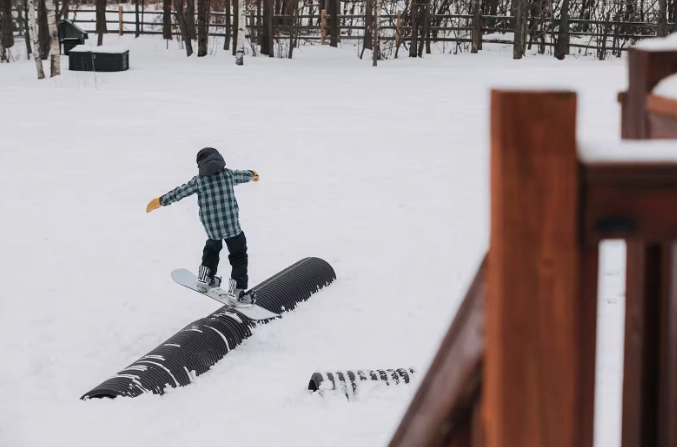
Common Mistakes (And How to Avoid Them)
We all make them. Here are the big ones I see every day in beginner parks.
- Too Much Speed. The number one error. Beginners think they need tons of speed to clear a jump or make it across a box. You almost always need less than you think. Start slow. You can always add speed next time. Too much speed leads to loss of control on takeoffs and overshooting landings.
- Leaning Back. On jumps, the natural fear reaction is to lean back. This puts your weight over your tail, causing you to rotate backwards ("going backseat") and land on your tailbone or back. You must commit and keep your weight centered or slightly forward over the takeoff.
- Starting on the Wrong Feature. That rainbow rail looks cool, but it's not for you yet. Stick to the green-circle-rated features. Period. The park crew rated them for a reason.
- Not Wearing a Helmet. This isn't negotiable. Terrain parks involve obstacles. A helmet is the single most important piece of safety equipment. The National Ski Areas Association (NSAA) has tons of data on this. Just wear one.
I learned the speed lesson the hard way on a small jump. I hauled into it, launched way past the landing, and tomahawked down the flat. It was humbling and could have been worse.
The Culture and Vibe Matter
What is a good terrain park for beginners beyond the physical stuff? The atmosphere. A good beginner park should feel welcoming, not intimidating. You'll often find ski and snowboard school groups there. Instructors hanging around is a great sign—it means the resort prioritizes teaching in that space.
If you see other beginners laughing, cheering each other on, and taking turns without pressure, that's a golden vibe. Unfortunately, some parks can have a clique-y feel. My advice? Ignore it. Focus on your own progression. Most experienced riders remember being beginners and will respect you for learning properly. If someone gives you grief for being in the beginner area, that's their problem, not a reflection on the park's quality.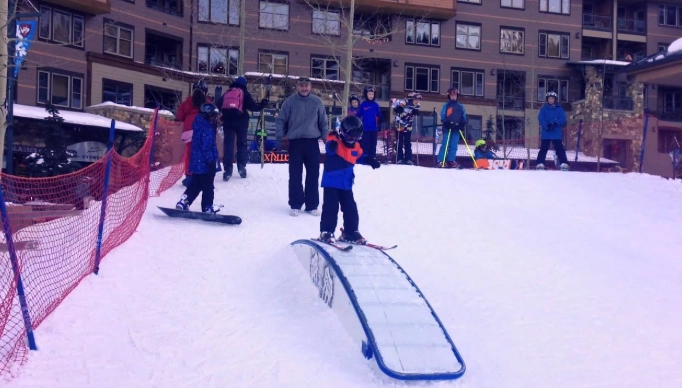
Spotlight: Resorts Known for Great Beginner Parks
Some resorts are legendary for their park programs, and that always includes an elite beginner setup. Here are a few consistently praised by the community (always check current conditions, as parks change year to year).
- Breckenridge, Colorado: Their Freeway Terrain Park progression is iconic. They have a dedicated beginner line (often called the "Yellow Zone") with perfectly shaped small jumps and boxes. The park crew is top-notch.
- Park City, Utah: The Three Kings area at the base is a fantastic, self-contained progression park. It's right next to the lifts, has its own slow-skiing zone, and features are always well-maintained.
- Whistler Blackcomb, BC: The Nintendo Terrain Parks on both mountains have designated beginner areas. They're spacious, well-signed, and a great place to learn without the pressure of the main park scene.
- Big Bear Mountain, California: As a dedicated park-focused resort, their beginner area at Bear Mountain is dialed. They understand progression starts at the absolute basics.
The common thread? These resorts invest in their parks as learning centers, not just as expert playgrounds. They answer the question "what is a good terrain park for beginners?" with action and design.
Gear You Actually Need (And What You Don't)
You don't need a $700 pro-model snowboard with ultra-stiff boots to start. In fact, that would hinder you. But some gear considerations help.
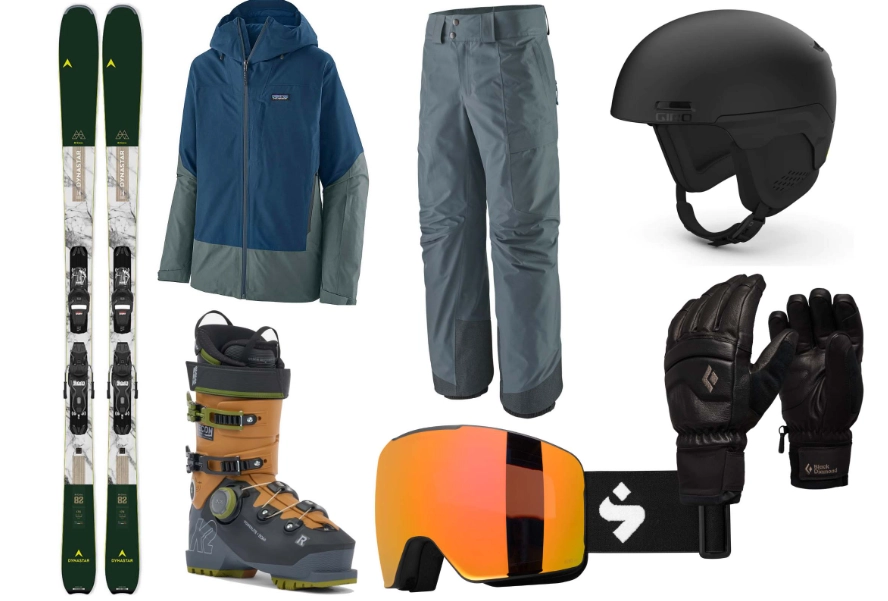
Essential: A helmet. Wrist guards (especially for snowboarders—they save wrists from breaks on falls). Goggles. Clothing that allows movement. Your regular skis or snowboard are fine to start.
Helpful Later: As you progress to small jumps, you might want a slightly softer, more forgiving ski or snowboard. Park-specific gear is often softer flexing to make presses and butters easier and landings more forgiving. But this is for later. Don't run out and buy new gear for day one.
Not Needed: A full set of body armor for hitting a 1-foot box. That comes much later, if ever, for most beginners.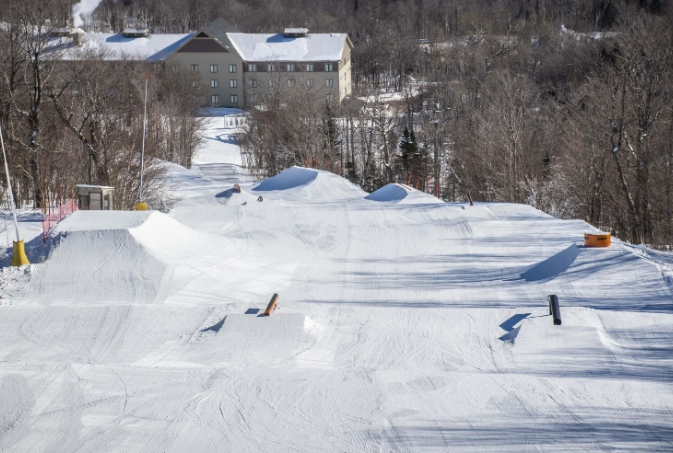
Your mindset is more important than your gear.
Frequently Asked Questions by Beginners
Should I take a lesson for the terrain park?
1000% yes. A one or two-hour park-specific lesson is the fastest, safest way to learn the fundamentals. An instructor will teach you how to approach features, control your speed, and bail safely. They'll instantly correct bad habits before they become ingrained. It's the best money you can spend as a beginner. The Professional Ski Instructors of America & American Association of Snowboard Instructors (PSIA-AASI) is the certifying body for instructors—look for resorts that employ their members.
How do I know if I'm ready for the terrain park?
If you can confidently link turns on a blue run, control your speed, and stop on command, you have the foundational skills. You don't need to be an expert carver. You need control. If you're still falling on blue runs while just turning, spend more time there first. The park adds obstacles—you need a solid base of balance and control.
What's the first trick I should learn?
Forget "tricks." Your first goal is a "straight air" off a small jump—just leaving the ground and landing cleanly without spinning. On boxes/rails, your first goal is a "50-50"—riding straight along the feature without the board turning. These are the foundational movements. Master them before even thinking about spins or slides.
Is it okay to just session the beginner park all day?
Absolutely. That's what it's there for. Repetition is how you build muscle memory. Hitting the same small jump 20 times in a row is a perfect day. Progress isn't linear. Some days you'll feel stuck. That's normal.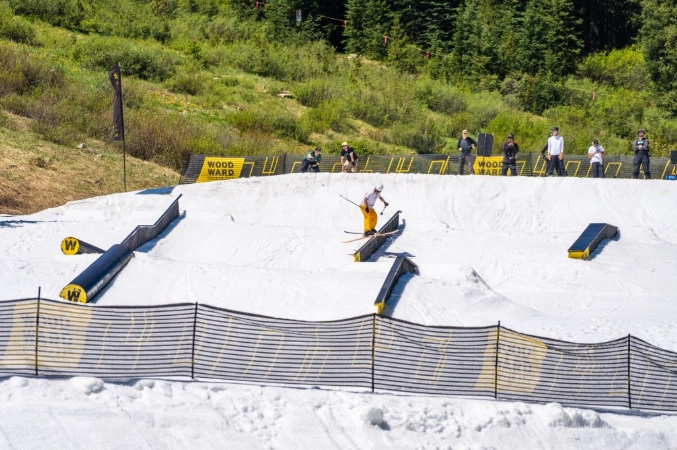
What if I fall a lot?
You will. Everyone does. The key is learning how to fall correctly (try to avoid catching yourself with straight arms) and wearing your safety gear. If you're not falling, you're probably not pushing your comfort zone enough. Just make sure the falls are on small, appropriate features.
So, what is a good terrain park for beginners? It's more than just a collection of small jumps. It's a thoughtfully designed, safely managed, and welcoming environment built for one purpose: to help you take that first, thrilling step into a new aspect of snow sports. It's the place where that initial intimidation melts away, replaced by the incredible feeling of landing your first box slide or catching a tiny bit of air. Do your research, pick a good one, start slow, and most importantly—have fun with it. The park is supposed to be a playground. Go play.