You see it from the comfortable bubble of the gondola. A line of skiers, some wobbling, some gliding effortlessly, being pulled up a seemingly endless slope by what looks like an inverted T on a cable. The T-bar lift. For many, it's a source of dread, a comedic spectacle of tangled limbs and sudden, graceless dismounts. But here's the thing: mastering the T-bar isn't just about avoiding embarrassment. It's a fundamental skill that unlocks vast, often untouched, territories of the mountain. It's the dividing line between the curated beginner experience and the raw, authentic world of skiing.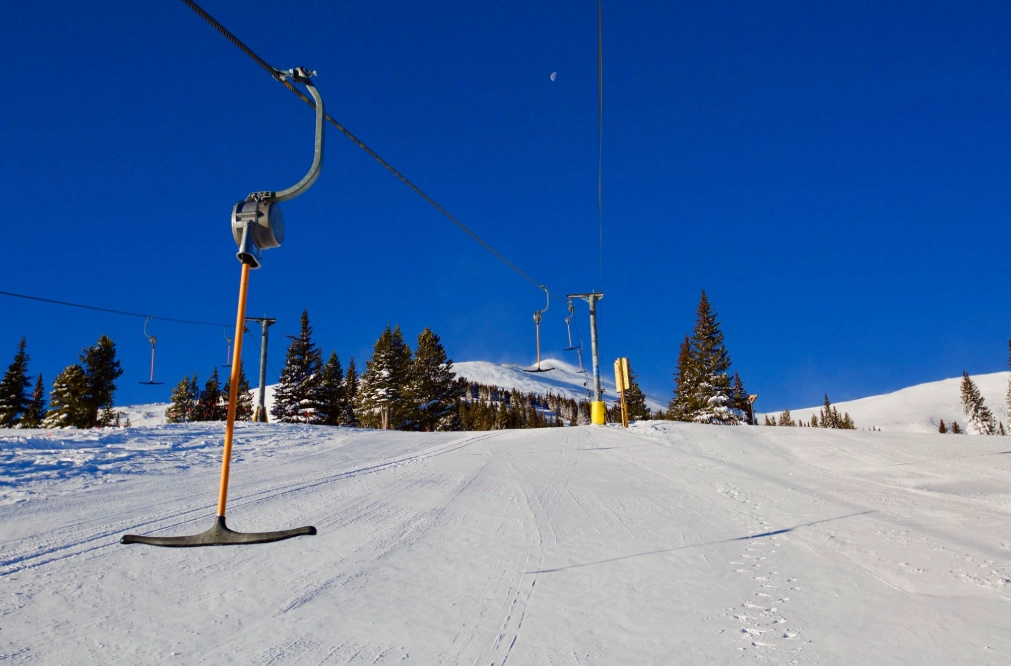
I've been skiing for over twenty years, from the icy pistes of the East Coast to the deep powder of Japan. I've seen countless skiers bail on epic terrain because they couldn't handle the drag lift that accessed it. The common advice—"just stand there"—is woefully incomplete. Let's fix that.
What You'll Learn
What Exactly Is a T-Bar Lift & Why It Matters
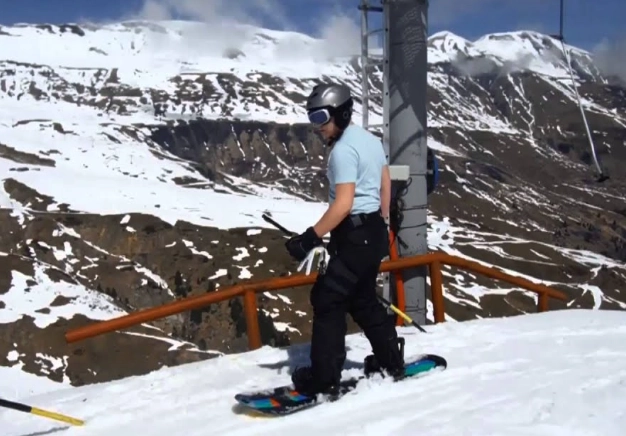
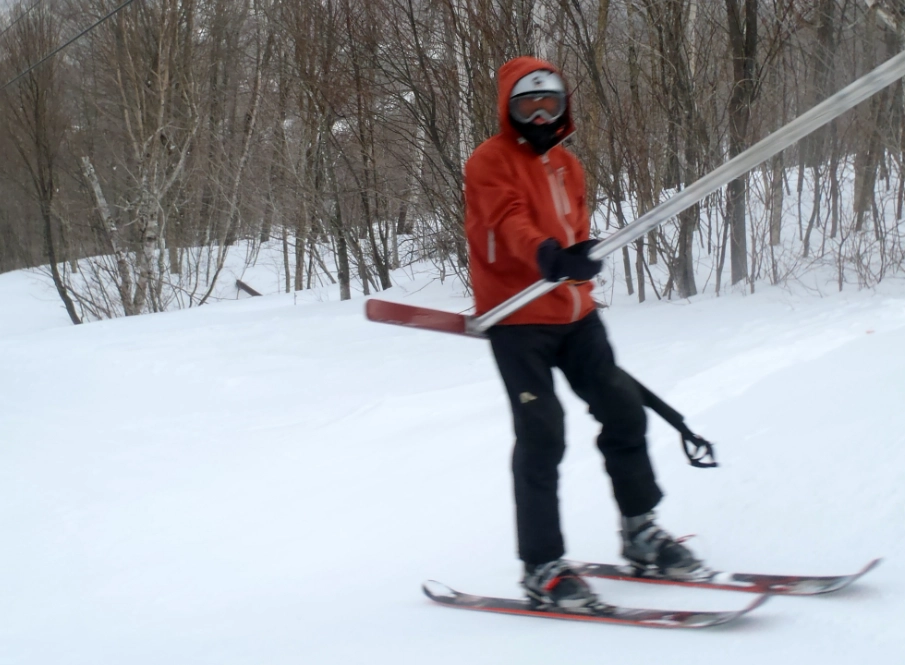
A T-bar lift, or drag lift, is a surface lift. Unlike a chairlift that carries you in the air, it drags you along the ground while you remain standing on your skis or snowboard. The "T" refers to the shape of the pulling device—a horizontal bar attached to a vertical pole, which is connected to a continuously moving cable overhead. You place the horizontal bar behind your rear, and it pulls you uphill.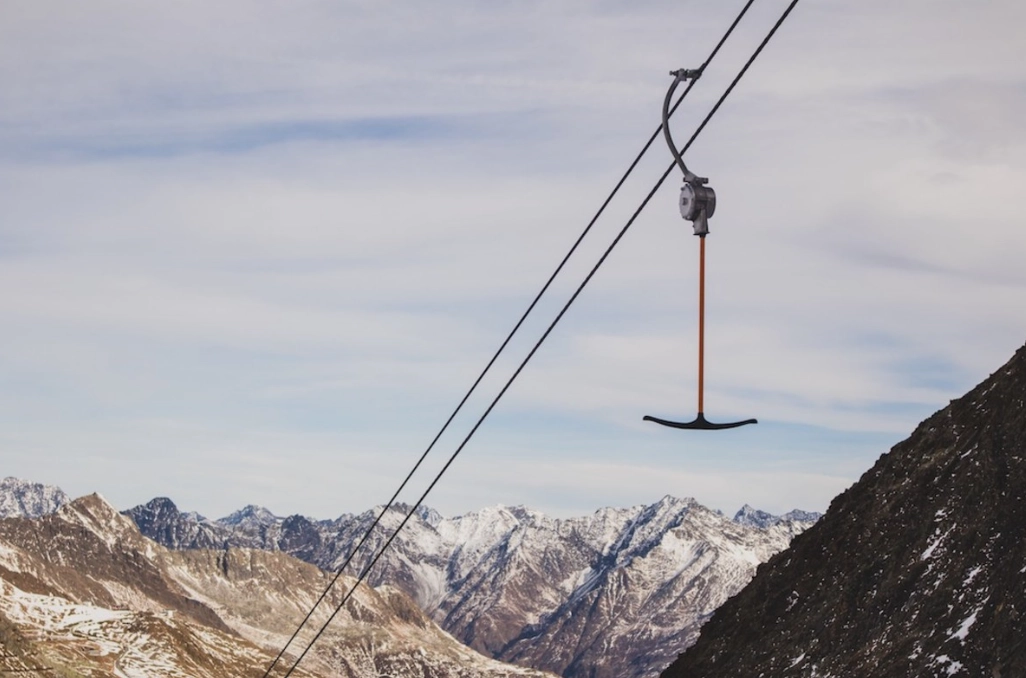
Why do resorts still use them? Cost and terrain. They are significantly cheaper to install and maintain than chairlifts. More importantly, they are resilient. High winds that shut down chairlifts often have little effect on a T-bar. This makes them indispensable for accessing high-alpine, above-treeline, and glacier terrain where the weather is fierce and the skiing is phenomenal. The International Ski Federation (FIS) notes their prevalence in competition venues for training slopes.
If you aspire to ski off-piste, hike-to terrain, or simply explore beyond the main resort hubs, you will encounter a T-bar. Treating it as a beginner's obstacle is a mistake that limits your entire ski career.
The Foolproof Step-by-Step T-Bar Technique
Let's break it down. The anxiety usually comes from the boarding process. It's a dance between you, the lift operator, and your partner (if you're riding double, which is common).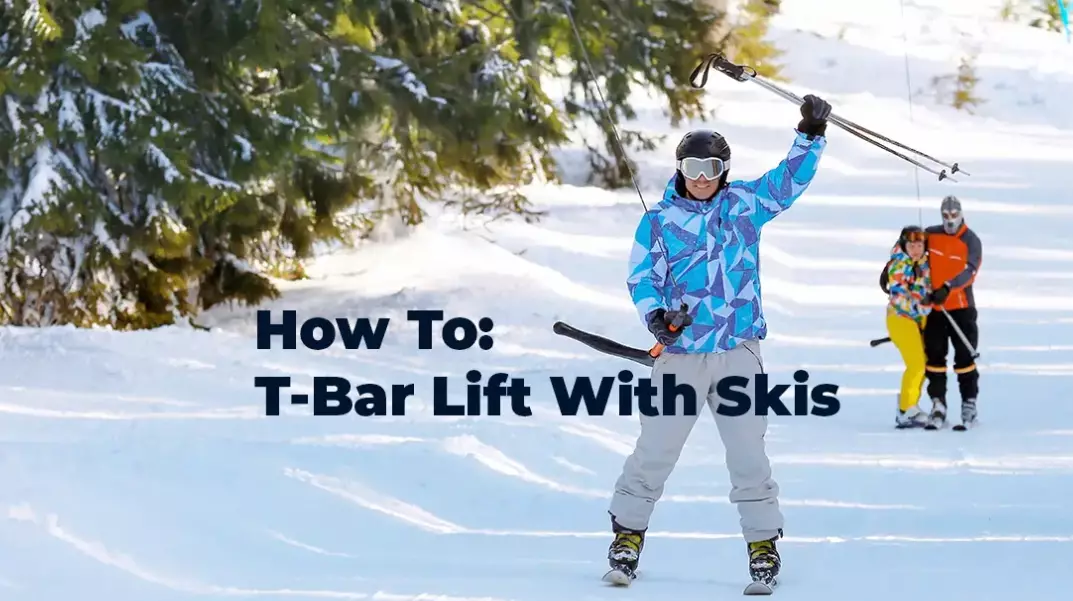
1. The Preparation & Queue
While waiting, loosen your boots a notch if they're painfully tight. You'll need ankle flex. Have your poles in one hand, ready to grab the T-bar with the other. Watch the people ahead of you. See where they stand, how they turn. Mentally rehearse.
2. The Boarding Zone: Don't Rush
When it's your turn, move to the clearly marked waiting spot. The attendant will swing the T-bar toward you. Do not lunge for it. Let it come to you. Grab the vertical pole firmly with your free hand. If you're with a partner, communicate. "Ready?" is a good start.
3. The Critical Moment: Sitting vs. Standing
This is where 90% of falls happen. As the bar makes contact, place the horizontal bar behind your thighs, not your rear. You are not sitting. You are leaning.
Look up the hill, not at your feet. Keep your skis in the groomed tracks, parallel and flat. The initial jerk is the hardest part. Stay forward.
4. The Ride & Dismount
Once moving, relax—but stay alert. If you start to veer, gentle pressure on one ski will correct it. Don't panic and make a sharp turn.
The dismount area is always marked. As you approach, gently steer out of the track. The bar will release its tension. Push it away behind you decisively and ski clear of the area immediately. The number one rookie move is stopping right in the unload zone, causing a pile-up.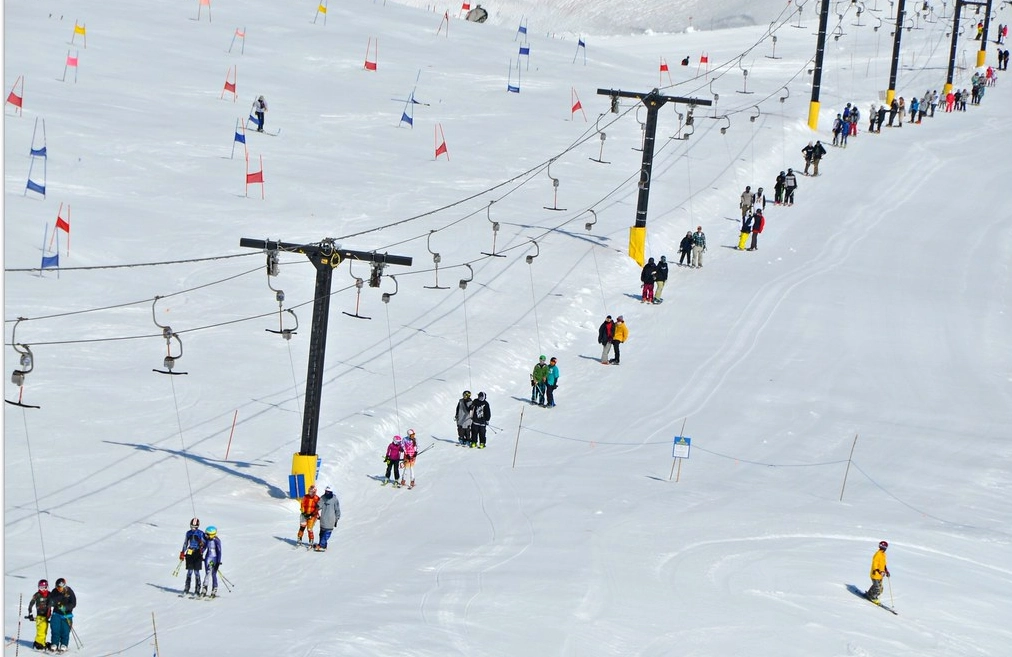
Where You'll Actually Find T-Bar Lifts (Hint: Not Just Bunny Slopes)
Let's bust the biggest myth. Yes, many learning areas have short, gentle T-bars. But their true domain is expert terrain.
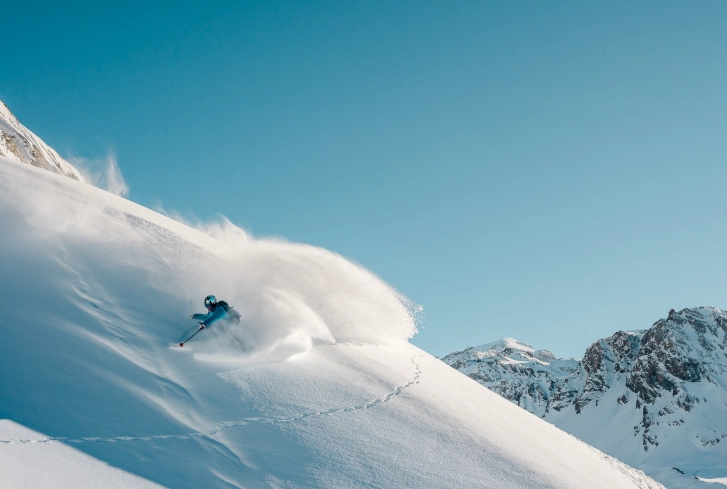
I remember a trip to the Alps, to a famous off-piste paradise. The only way to the summit ridge was a 15-minute T-bar ride into a biting wind. Everyone on that line was an expert, with fat powder skis and avalanche gear. There wasn't a beginner in sight. The lift accessed steep couloirs and endless powder fields. That's the reality.
You'll find them:
- On Glaciers: Like the T-bar servicing the Pisaillas glacier in Grands Montets, France. Exposed, essential, and leading to incredible high-mountain skiing.
- In Competition Venues: Training slopes for slalom and giant slalom often use T-bars for quick, repetitive laps.
- In Remote Areas: Backcountry lodges and cat-skiing operations use them as their primary uplift method due to their simplicity and reliability.
If you see a T-bar on a trail map leading to a black diamond or double diamond run, that's your signal. It's guarding the good stuff.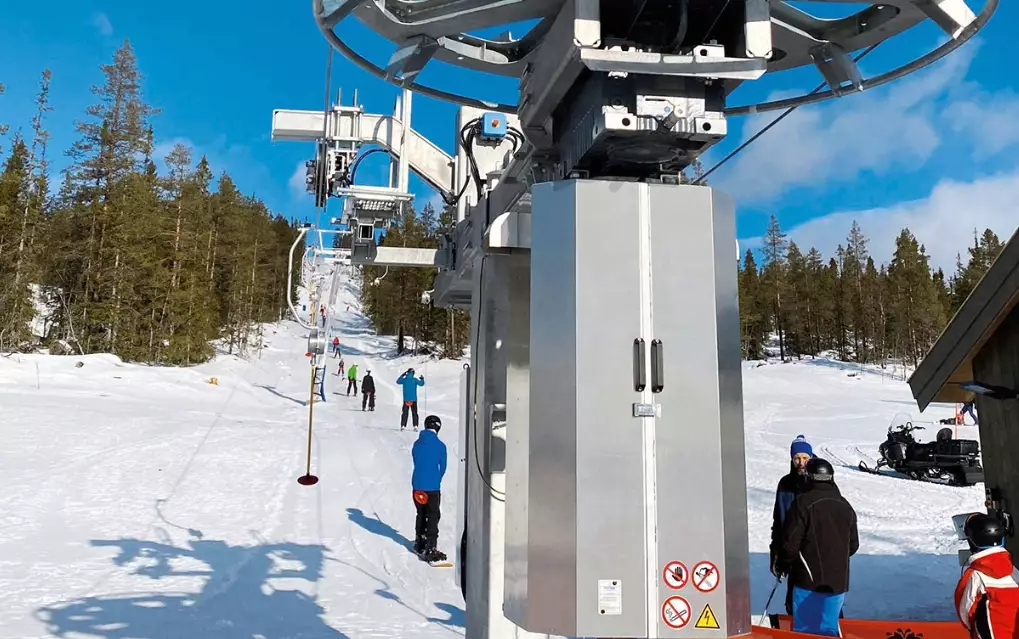
Expert Tips & The Mistakes Nobody Talks About
Beyond the basics, here are nuances that separate the proficient from the struggling.
The Solo Ride is Easier. Many T-bars are set up for two. But if you're struggling, ask the attendant if you can ride alone. It gives you more space to balance and is often less intimidating. Most will accommodate you, especially on quieter days.
Manage the Slack. Sometimes the cable has slack, causing a sudden, jerking re-acceleration. When you feel this about to happen, bend your knees more deeply to absorb the lurch. Don't stiffen up.
The Backpack Problem. A large, loose backpack can throw off your balance and prevent the T-bar from sitting properly. Wear it snugly, or consider carrying it in front during the ride (awkward, but sometimes necessary).
The Silent Partner. If riding double, you and your partner must move as one unit. A slight mismatch in weight or timing can throw you both. Communicate with small leans: "Bump on the left," or simply "leaning right."
The most subtle mistake I see? Skiers looking down at the bar or their skis. Your head is heavy. Looking down pulls your shoulders and weight backward, initiating a fall. Your gaze should be 20 meters up the track, planning your path.
T-Bar Alternatives: J-Bars, Platters, and Rope Tows
The T-bar is just one type of surface lift. Understanding its cousins helps.
- J-Bar or Button Lift (Platter/Poma): A single disc or "platter" on a pole that goes between your legs. The technique is similar—lean forward, don't sit. Often found on steeper beginner slopes.
- Rope Tow: A simple moving rope you grab with your hands (wear gloves!). Requires significant arm and core strength. Less common now, but a true test of old-school grit.
- Magic Carpet: A conveyor belt on the snow. No technique required, just stand. Exclusively for absolute beginners.
The fundamental principle across all drag lifts is the same: resist the pull by leaning into it, using your legs as suspension. Master the T-bar, and you can handle them all.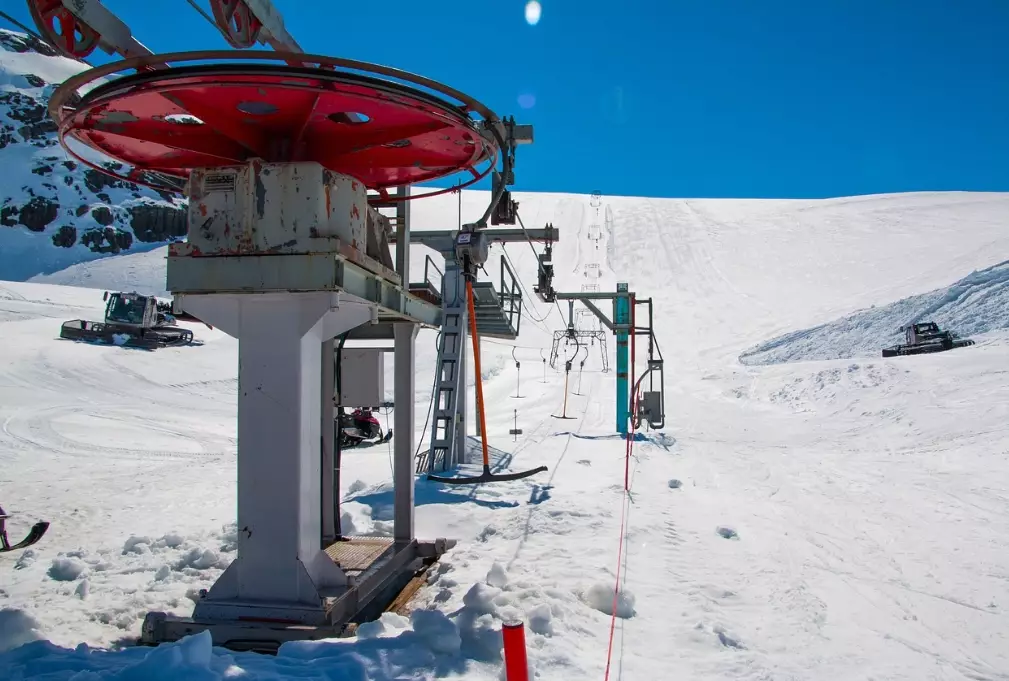
Your T-Bar Questions, Answered
 So next time you're on the mountain and see that T-bar track leading up to a rocky ridge, don't avoid it. See it for what it is: an invitation. It's asking if you have the fundamentals down, if you're ready for what's on the other side. With a little practice and the right mindset, you can answer with a confident yes. Your skiing will be richer for it.