Quick Guide to This Post
- Why Beginner Skis Are Different (It's Not Just Marketing)
- How to Actually Choose: Your Personal Checklist
- The Picks: A Curated List of the Best Skis for Beginners
- Rent vs. Buy: The Eternal Question for Beginners
- Your Questions, Answered (Stuff People Actually Search)
- Final Step: Pulling the Trigger & Getting Ready
Let's be honest, walking into a ski shop or scrolling through endless online listings for the first time is overwhelming. You see terms like "rocker," "camber," "turn radius," and a bunch of numbers that might as well be in another language. Everyone seems to have an opinion, and the salesperson might be pushing last year's model just to clear stock. How are you supposed to know what's actually good for you?
I've been teaching beginners for over a decade, and I've seen the full spectrum—from the person who bought the cheapest thing online and struggled miserably, to the one who was oversold a stiff, expert-level race ski they couldn't bend. The right ski doesn't just make learning easier; it makes it fun. The wrong one can turn a dream vacation into a frustrating battle.
This isn't about listing a bunch of skis and calling it a day. This is about giving you the why behind the what. By the end, you'll understand exactly what makes a ski good for a beginner and how to match that to your own goals. We'll cut through the marketing jargon and get to the stuff that actually matters when you're on the snow.
The Core Idea: The best skis for beginners aren't about being the fastest or most aggressive. They're about being the most forgiving, predictable, and easy to turn. Your first ski is a learning tool, not a statement piece.
Why Beginner Skis Are Different (It's Not Just Marketing)
You might wonder if "beginner skis" are just a gimmick to sell cheaper products. I can tell you they're absolutely not. The engineering priorities are completely flipped compared to advanced skis.
An expert ski is built for power, precision, and stability at high speeds. It expects the skier to be in command, driving the ski into turns. A beginner ski is built for... well, the opposite. It's designed to be helpful when you're not perfectly balanced, when your turns are a bit skidded, and when you just need the ski to do some of the work for you.
Think of it like driving. An expert ski is a manual sports car—incredible performance if you know how to handle it, but it will stall if you mess up the clutch. A beginner ski is an automatic sedan with traction control and anti-lock brakes—it's designed to smooth out your mistakes and keep you safe while you learn.
The main goals for any good beginner ski are:
- Forgiveness: It doesn't punish every little error in balance or stance.
- Easy Turn Initiation: It wants to turn when you ask it to, without needing a huge amount of force or perfect technique.
- Stability at Slow Speeds: It feels solid and predictable when you're cruising down the green circle, not twitchy or nervous.
- Lightweight & Soft Flex: Easier to swing around, less tiring on your legs.
The Magic of Rocker (And Why You Probably Want It)
If there's one piece of ski tech that revolutionized learning, it's rocker. Traditionally, skis had camber—the middle of the ski arched off the snow, with only the tip and tail touching. This is great for power and edge grip, but it also means the entire edge can engage at once, which can make skis feel "hooky" or hard to release from a turn for a new skier.
Rocker flips that. The tips (and often tails) curve upward, so the contact point with the snow starts further back. What does this feel like? It's like having built-in training wheels.
- It's much harder to catch an edge and face-plant.
- The ski pivots and initiates turns with minimal effort.
- It floats better in soft snow, which is a nice bonus.
Most of the best skis for beginners today feature some form of rocker in the tip, and many are "rocker-camber-rocker" hybrids. This gives you that easy turn initiation and forgiveness upfront, with a bit of camber underfoot for stability and energy when you press into the turn. It's the sweet spot.
How to Actually Choose: Your Personal Checklist
Okay, so you know the theory. But how do you apply it to your specific situation? Let's break down the decision into manageable chunks.
1. What's Your Skiing Goal & Style?
Not all beginners are the same. Your choice should hinge on what you see yourself doing most.
- The "Just Want to Cruise" Beginner: You're here for the views, the hot chocolate, and gentle runs. You want maximum stability and ease. Prioritize a softer, forgiving ski with pronounced rocker.
- The "I Want to Be Good Fast" Beginner: You're athletic, eager, and plan to ski multiple times a season. You might want a ski with a bit more backbone—a slightly stiffer flex or more camber underfoot—that you won't outgrow in three days.
- The "I Ski the East / Hardpack" Beginner: If your local mountain is more ice than powder, you need a ski with a focus on edge grip. Look for models that mention "all-conditions" or "hard snow performance," often with a bit more traditional camber or specific edge technology.
- The "Western / Powder Dreamer" Beginner: Even as a newbie, if you're in Utah or Colorado, you'll encounter soft snow. A ski with more rocker (both tip and tail) will make those powdery days less intimidating.
Be real with yourself. There's no shame in being in the first category. A ski that's too advanced will slow your progress, not speed it up.
2. The Numbers Game: Length, Width, and Turn Radius
This is where people get lost. Let's simplify.
Length: The old "chin to nose" rule is outdated. With modern rocker skis, beginners should generally go shorter. A good rule of thumb is to aim for a ski that stands somewhere between your chin and the top of your head. Shorter = easier to turn and control. Taller/heavier individuals might be at the top of that range; lighter/shorter folks at the bottom.
Width (Waist Width): This is the ski's width under your boot, measured in millimeters. For a true beginner sticking to groomed runs, a narrow waist (75mm-85mm) is ideal. It's easier to roll from edge to edge. If you think you'll venture into a bit of soft snow or want more versatility, an 85mm-95mm "all-mountain" width is a safe, do-everything choice for most beginners. Avoid the super-wide powder skis (100mm+); they're harder to maneuver on hard snow.
Turn Radius: This number (in meters) tells you how tightly the ski wants to turn. A lower number (12m-16m) means a short, quick-turn ski. A higher number (18m+) means longer, more drawn-out turns. For learning, a medium-short turn radius (14m-17m) is perfect. It encourages you to make the rounded, complete turns that are fundamental to good skiing.
Common Mistake Alert: Don't buy skis that are too long because you think you'll "grow into them." You'll struggle, develop bad habits, and have less fun. It's better to buy a proper beginner ski, master it, and sell it in a year or two to upgrade. The used market for good-condition beginner skis is always strong.
3. The Often-Forgotten Factor: Bindings and Boots
A quick but vital detour. The best skis for beginners in the world won't help if your boots don't fit or your bindings are set wrong.
Boots are King. I cannot stress this enough. Rent or buy boots from a professional boot fitter. A proper fit—snug but not painful, with your heel locked down—is the single most important piece of gear for control and comfort. Ill-fitting boots make skiing miserable. Resources from the Professional Ski Instructors of America & American Association of Snowboard Instructors (PSIA-AASI) often emphasize proper boot fitting as lesson #1.
Bindings Matter. Skis often come "system" or "package" skis with integrated bindings. This is fine for beginners. Just ensure the bindings are adjusted to your exact boot sole length (BSL) and your DIN (release setting) is set correctly based on your weight, height, age, and ability. This is a safety-critical step. A shop must do this. Bindings that are too tight won't release in a fall; too loose and they might pop off unexpectedly. They follow international standards (like ISO 9462) for a reason.
Pro Tip: When you buy skis, budget for a professional binding adjustment and mounting at a reputable ski shop. Don't try to DIY this. It's worth every penny for safety and performance.
The Picks: A Curated List of the Best Skis for Beginners
Based on years of seeing what works on the hill, talking to other instructors, and getting feedback from students, here are some standout models. This isn't an exhaustive list, but these are consistently reliable performers that fit the criteria we've discussed.
| Ski Model | Best For... | Key Features (The "Why") | A Small Caveat |
|---|---|---|---|
| Rossignol Experience 76 Basalt | The absolute first-timer. The "I want it to be easy" skier. | Extremely forgiving, light, with a pronounced tip rocker. It practically turns itself. The Basalt material adds just enough damping to feel stable. | You might outgrow its capabilities faster if you're a quick learner. It's very much a dedicated learner ski. |
| Elan Wingman 78 CTi | The beginner who wants a smooth, confidence-inspiring feel with room to progress. | Elan's "Amphibio" technology means the ski has rocker on the inside edge and camber on the outside. Sounds weird, but it creates an incredibly intuitive and stable platform that naturally guides you into turns. | The unique tech can feel a bit different at first, but most adapt to it quickly and love it. |
| Head V-Shape V6 | The sporty beginner or the one who skis mostly on hardpack/groomers. | A wider tip and tail with a narrow waist (true "V-Shape") makes edge engagement and turn initiation incredibly easy. It has great grip on firm snow. | The shape can feel a bit less traditional, and it might be less ideal in very deep, soft snow. |
| K2 Mindbender 85C | The "all-mountain curious" beginner. Someone who wants one ski to handle groomers and the occasional soft snow venture. | The 85mm waist is the sweet spot for versatility. It has K2's proven all-terrain rocker profile, is lightweight, and has a pleasant, predictable flex. A ski you can learn on and still enjoy for seasons after. | Slightly wider than a pure beginner carver, so edge-to-edge quickness is a tiny bit slower (but not noticeably so for a learner). |
| Volkl Flair 73 | Lightweight skiers, particularly women, who want a precise, easy-handling ski. | Built specifically with a lower weight range in mind. It's soft, torsionally rigid for good edge hold, and has a lightweight wood core. It feels agile and responsive without being demanding. | As the name implies, it's narrow (73mm). Best for dedicated groomer skiing. |
| Nordica Navigator 75 | Value and all-around performance. A fantastic "no-brainer" first ski. | Simple, effective design. Good tip rocker, a stable feel underfoot, and a reputation for durability. It does everything a beginner needs well, without any fuss or over-complication. Often a great price point. | It's not the flashiest or most technologically complex ski on the list, but sometimes that's a good thing. |
See how they all align with our principles? Rocker, softer flex, manageable turn radius. Different flavors for different goals, but the same core philosophy.
My personal go-to recommendation for a complete novice who just wants the easiest start is the Rossignol Experience 76. For someone who's a bit more ambitious or skis variable conditions, the K2 Mindbender 85C is incredibly hard to beat.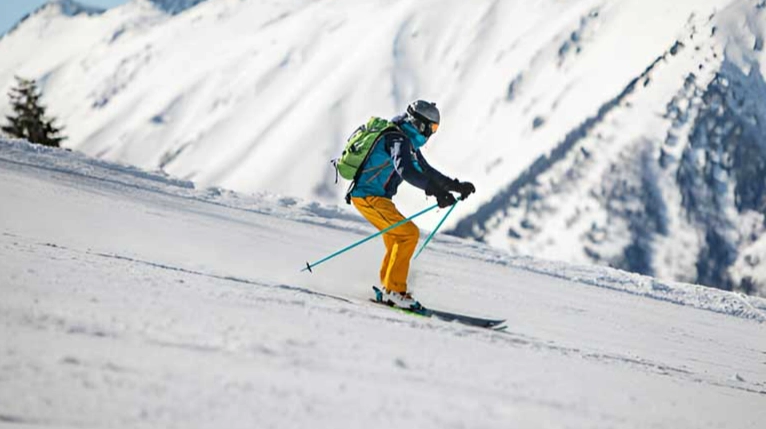
Rent vs. Buy: The Eternal Question for Beginners
This comes up every time. Here's my blunt take.
Rent if: You're skiing one week a year or less. You're still figuring out if you even like the sport. Rental technology is excellent now, and you can often demo higher-end beginner skis. It's hassle-free (no storage, maintenance, travel fees).
Buy if: You plan to ski 5+ days a season. You want consistency—the same feel underfoot every time you go, which massively accelerates learning. You're a gear person who enjoys having your own equipment. Financially, buying a package often pays for itself after about 7-10 rental days.
There's a hybrid option: Season Rentals. Many shops offer this. You get a new-ish, well-maintained ski/boot/pole package for the whole season for a flat fee. It's a fantastic middle ground, especially for kids who are growing.
Your Questions, Answered (Stuff People Actually Search)
Not necessarily. On groomed snow, narrower skis (75-85mm) are easier. They require less effort to tilt onto their edge. A very wide ski (>95mm) can feel like a plank—hard to maneuver and sluggish from edge to edge. Stick to the middle ground unless you know you'll be in deep powder regularly.
Yes, but be smart. Avoid skis older than 5-7 years. Technology has changed. Check the bases and edges for major damage. Most importantly, have the bindings checked and adjusted by a shop. Old bindings may no longer be indemnified (supported by manufacturers for safety), meaning no shop will touch them. That's a deal-breaker.
Boots. 100%. A great boot in a mediocre ski will feel better than a mediocre boot on a great ski. Your control and power come from the boot-ski connection. Invest your time and money in a proper boot fit first.
Many of the best skis for beginners are all-mountain skis, just on the softer, more forgiving end of the spectrum. Look for terms like "all-mountain easy" or "accessible all-mountain." Avoid stiff, charger-style all-mountain skis designed for experts.
It depends on your progression. For an average learner skiing 1-2 weeks a year, a good beginner ski could be perfect for 2-4 seasons. You'll know it's time to upgrade when the ski starts feeling overly soft, chattery, or like it's holding you back from making more dynamic turns. That's a good problem to have—it means you've graduated!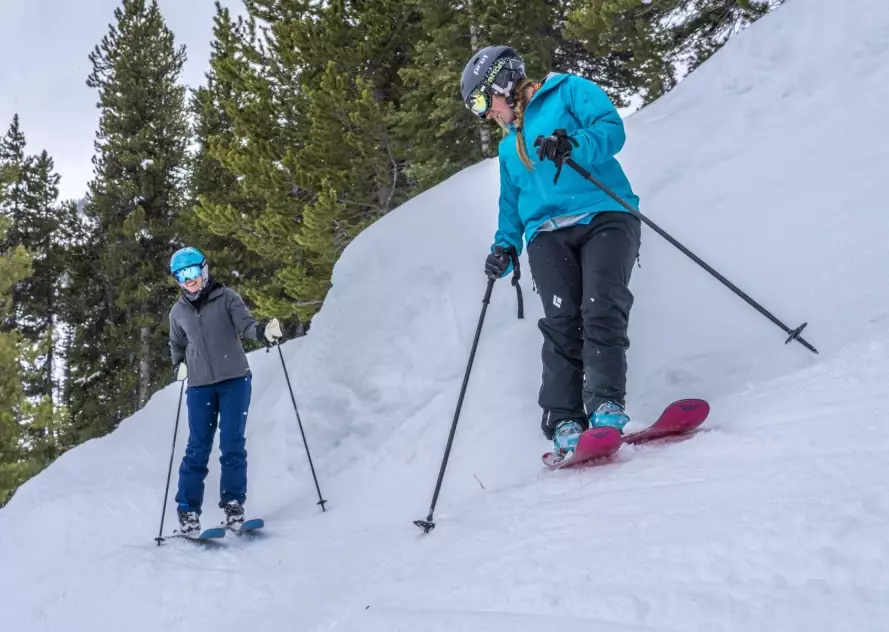
Final Step: Pulling the Trigger & Getting Ready
You've done the research. You have a shortlist. Now what?
- If possible, demo. Some shops let you demo beginner skis. Even trying two different models for a morning can give you invaluable feel.
- Buy from a reputable shop. Online is fine if you know your specs, but a good local shop provides fitting, mounting, and advice. They stand behind their products.
- Get the right poles. A simple rule: turn the pole upside down and grip it under the basket. Your forearm should be parallel to the ground. That's the right length.
- Don't forget maintenance. A fresh wax tune from a shop before your first use makes any ski perform better and protects the base. Learn to dry your skis off and store them somewhere cool and dry.
Finding the best skis for beginners is less about finding a mythical "#1" and more about finding the #1 ski for you. It's about matching a tool to your current ability and immediate goals. Ignore the hype around pro models. Embrace the technology designed to help you—rocker, soft flex, a friendly turn radius.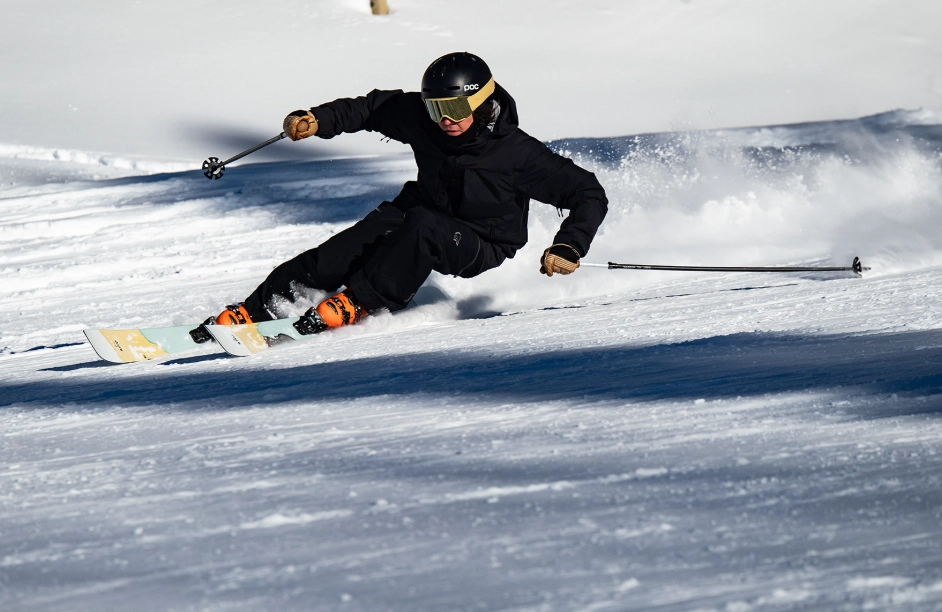
Remember, the mountain isn't going anywhere. Starting with the right equipment means your journey up the skill ladder will be faster, safer, and a whole lot more fun. Now you have the knowledge. Go use it.