Your Ski Layering Cheat Sheet
Layering for skiing isn't about piling on clothes—it's a strategic system to manage body temperature and moisture. Get it wrong, and you'll be either sweating buckets or freezing on the chairlift. I learned this the hard way years ago on a trip to Whistler, where I wore cotton thermals and shivered all day. Since then, I've fine-tuned my approach, and here's everything you need to know.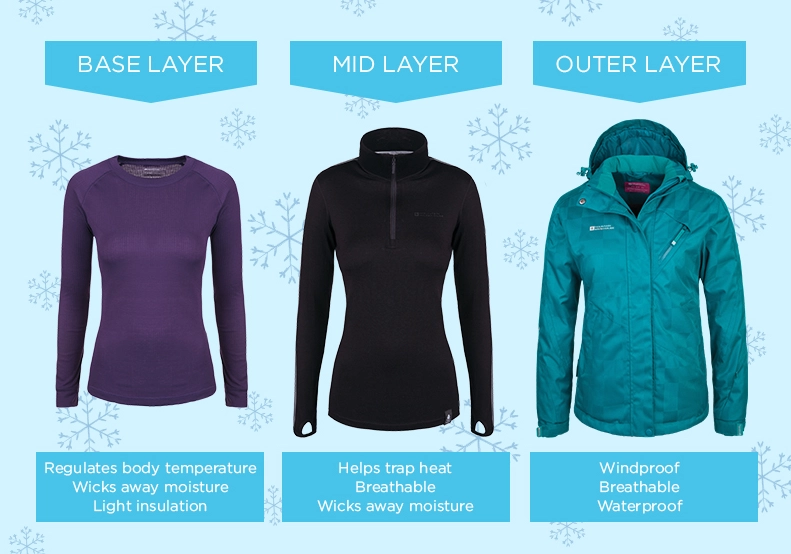
What Layering for Skiing Really Means
At its core, layering for skiing is about creating a microclimate around your body. You're not just dressing for the cold; you're dressing for activity that generates heat and sweat. The goal is to stay dry first, warm second. If moisture from sweat builds up, it cools you down fast—that's why skiers often feel colder after a few runs.
Think of it like this: skiing is a workout. You hike to lifts, carve turns, and maybe even fall. Your clothing needs to handle shifts from intense effort to rest periods. A good layering system adapts, letting you add or remove layers easily. It's not static; it's dynamic.
Here's a non-consensus point: many guides overemphasize warmth, but moisture management is 80% of the battle. I've seen experts from the Ski Industries America stress this in their apparel reports—focus on wicking and breathability, not just insulation.
The Three-Layer System Demystified
The classic three-layer system—base, mid, and outer—works because it's simple and effective. But each layer has a specific job, and messing up one ruins the whole setup.
Base Layer: Your Second Skin
This touches your skin directly. Its job is to wick sweat away to keep you dry. Materials matter most here. Merino wool is fantastic—it's naturally odor-resistant and regulates temperature well. Synthetic fabrics like polyester are cheaper and dry faster. Avoid cotton at all costs; it's like wearing a wet sponge.
I prefer merino for multi-day trips because it doesn't stink, but for intense skiing, synthetics can be better at moving moisture. Fit should be snug but not tight—think of it as a second skin.
Mid Layer: The Insulation Hero
This layer traps heat. Common choices are fleece, down, or synthetic insulation. Here's where beginners go wrong: they pick the warmest option, like a heavy down jacket, but down loses insulation when wet. For active skiing, fleece or synthetic fills (like PrimaLoft) breathe better and handle dampness.
My go-to is a grid fleece—it's lightweight, breathes easily, and you can layer it under a shell without bulk. On colder days, I add a thin synthetic puffer, but I avoid thick down unless I'm static.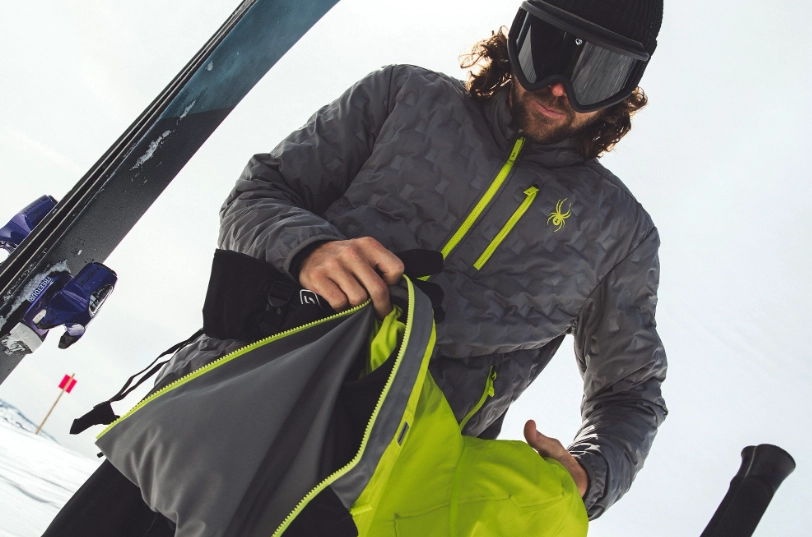
Outer Layer: Protection from the Elements
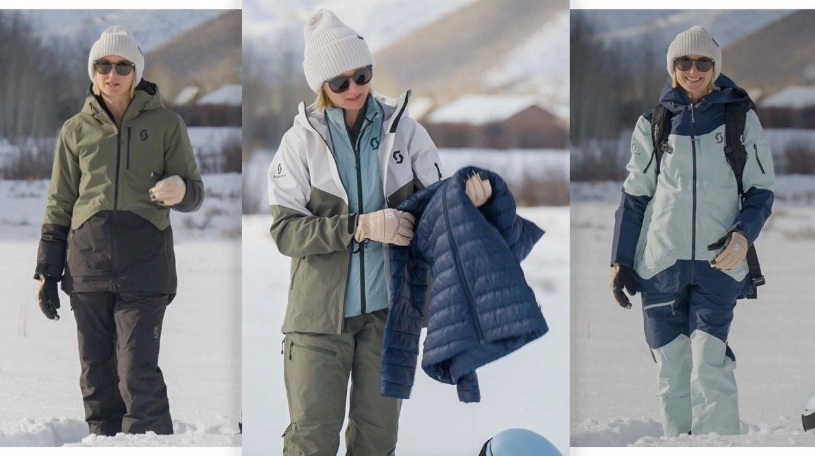
This is your shell—waterproof, windproof, and breathable. Key features: pit zips for ventilation, a powder skirt to keep snow out, and adjustable cuffs. Don't skimp here; a cheap shell will leave you wet and miserable. Look for ratings like 20k waterproofing and 15k breathability.
Brands like Arc'teryx or Patagonia make great shells, but even mid-range options from Outdoor Research work well. I once used a budget jacket—it soaked through in light snow, and I had to cut my day short.
| Layer | Key Function | Best Materials | Common Mistakes |
|---|---|---|---|
| Base | Wick moisture away | Merino wool, synthetic (polyester) | Using cotton, too loose fit |
| Mid | Insulate and breathe | Fleece, synthetic insulation | Over-insulating with down, ignoring breathability |
| Outer | Block wind and water | Gore-Tex, similar waterproof membranes | Skimping on features like pit zips |
Common Layering Mistakes You're Probably Making
After coaching new skiers, I've noticed patterns. One big error: wearing too many layers. It's tempting to bundle up, but excess layers restrict movement and trap heat, leading to sweat. Start with three and adjust—you can always add a vest or neck gaiter.
Another mistake: ignoring ventilation. Even on cold days, you'll heat up during runs. Use pit zips on your shell or unzip slightly to release heat. I see people sealed up tight, then complaining about dampness.
Also, focusing only on the torso. Your extremities matter—feet and hands get cold easily. Wear moisture-wicking socks (again, no cotton) and consider liner gloves under insulated ones. A cold core often starts with cold feet.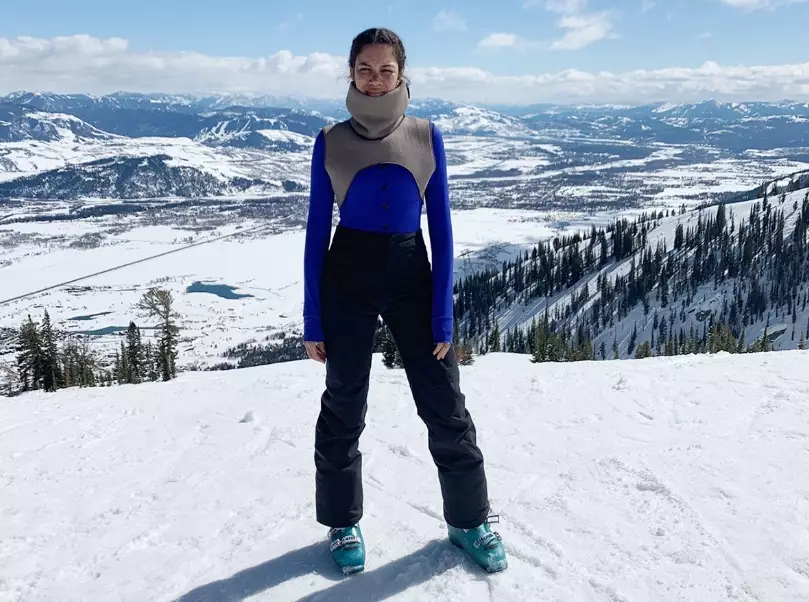
How to Choose the Right Materials
Material choice depends on conditions and personal preference. Let's break it down by temperature range.
For mild days (20°F to 32°F / -6°C to 0°C): A lightweight base, a thin fleece mid, and a breathable shell. You might not need heavy insulation. I've skied in this range with just a base and shell, adding a mid layer for lifts.
For cold days (below 20°F / -6°C): A merino base, a thicker fleece or synthetic puffer mid, and a robust shell. Consider adding a vest for core warmth. Don't forget accessories—a balaclava or heated gloves can save the day.
Wet or variable conditions: Prioritize synthetic materials—they dry faster than wool. A shell with high breathability is crucial. I recall a day in Utah with sleet; my synthetic layers kept me comfortable while friends in cotton blends were miserable.
Look for certifications like Bluesign for environmental standards, but that's a bonus. The key is testing fabrics yourself—some people sweat more and need higher wicking.
A Real-World Ski Day: Layering in Action
Let's walk through a typical ski day at a resort like Breckenridge. Morning temperature: 15°F (-9°C), sunny, with afternoon clouds.
Morning: I start with a merino wool base layer (long-sleeve top and bottoms). Over that, a grid fleece mid layer. Outer layer: a Gore-Tex shell with pit zips. On my feet, synthetic ski socks. I add a neck gaiter and lightweight gloves.
First runs: I'm active, so I open pit zips for ventilation. Mid-morning: the sun warms things up—I remove the neck gaiter and store it in my pocket.
Lunch break: I'm static, so I add a thin synthetic puffer under my shell for insulation. Afternoon: clouds roll in, and it gets colder—I keep the puffer on and close pit zips.
This adaptability is why layering works. It's not a fixed formula; it's about reading your body and the environment.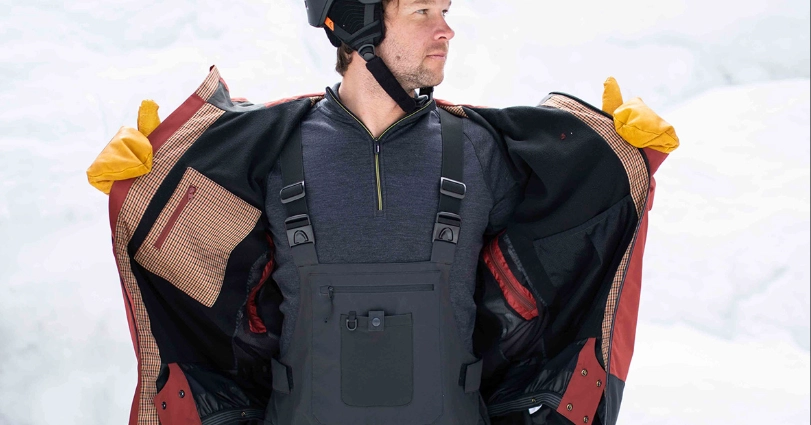
Frequently Asked Questions