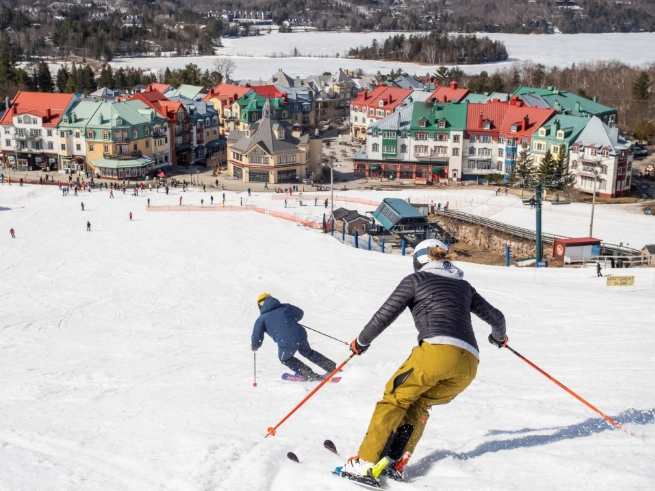
Let's get this out of the way: if you're picturing spring skiing as just skiing on tired, slushy snow with your jacket tied around your waist, you're missing the whole picture. The conditions from March through May create a completely different sport. It's about corn snow that carves like butter, navigating sun crust before lunch, and understanding that the mountain changes more in a single day than it does in a whole winter week. I've seen too many skilled winter skiers look completely lost in April because they didn't adjust their thinking.
Your Quick Spring Skiing Cheat Sheet
What Makes Spring Skiing Unique?
Forget everything you know about consistent cold. Spring skiing is governed by the freeze-thaw cycle. The mountain freezes solid overnight (if it's cold enough) and then thaws under the sun's heat during the day. This daily transformation is the single biggest factor. It affects snow stability, grip, speed, and even what time you should ski certain slopes.
The other huge shift is in objectives. Winter is about powder and tree lines. Spring is about aspect and elevation. South-facing slopes get sun first and thaw fastest. North-facing slopes hold colder, sometimes icier snow longer. Your entire day becomes a sun-chasing puzzle.
The Spring Mindset: You're not fighting the mountain for turns anymore. You're working with solar energy and temperature to find the perfect window. It's less aggressive, more tactical. The vibe is different too—more laid-back, with patio beers and sunburns becoming part of the ritual.
Mastering Spring Snow: From Corn to Slush
You'll hear skiers rave about "corn snow." It's the holy grail of spring conditions. But what is it, really? It's not just soft snow. True corn is formed when the overnight freeze creates a firm surface that then thaws just enough to release a layer of individual, rounded ice granules. It's supportable, edgeable, and makes a distinctive crunching sound under your skis. It skis like a dream.
But corn is a fleeting target. Miss the window and you get other, less friendly conditions.
The Spring Snow Lineup
| Snow Type | When & Where It Forms | How It Skis | Pro Tip |
|---|---|---|---|
| Corn Snow | Mid-morning to early afternoon on sun-exposed slopes that went through a solid freeze. | Supportive, fast, carveable. Provides excellent edge hold with minimal effort. | Start on east-facing slopes in the morning, follow the sun to south, then west-facing by afternoon. |
| Sun Crust / Frozen Granular | Early morning before the sun softens it, or on shaded aspects all day. | Hard, abrasive, sometimes icy. Skis chattery, requires firm pressure to hold an edge. | Wait for the sun to work its magic. If you must ski it, sharpen your edges and ski more directly fall-line. |
| Slush / Mashed Potatoes | Late afternoon on lower-elevation, sun-drenched slopes. Deepens as season progresses. | Slow, grabby, and exhausting. Skis sink in, making turning labor-intensive. | Wide skis help. Keep your speed up and plan your turns. This is when calling it a day is often the smart move. |
| Wet Slab Avalanche Debris | After a wet slide or avalanche, the debris re-freezes into cement-like blocks. | Extremely variable, jarring, and dangerous. Avoid at all costs. | This isn't a skiing surface. It's a hazard. Give slide paths a wide berth, especially on warm afternoons. |
A common mistake? Assuming all soft snow is good snow. That heavy, deep slush at 2 PM on a low runout is what leads to blown knees and frustration. Knowing when to quit is a skill.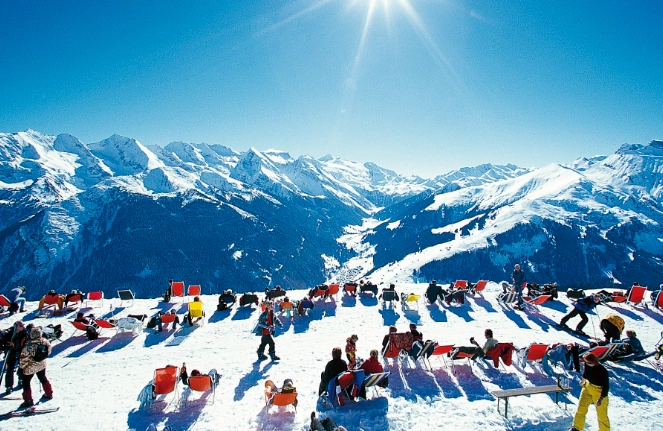
Gear Adjustments You Can't Ignore
Your winter setup will fight against you in spring. Here’s where to adapt.
Skis & Snowboards: Width matters more than you think. A ski in the 90-105mm underfoot range is ideal. It's wide enough to float in afternoon slush but narrow enough to not feel sluggish on firmer morning corn. Leave the 120mm+ powder boards at home. For wax, switch to a warmer-temperature wax. A dedicated spring wax (often red or yellow) is formulated for wet, granular snow and will prevent that awful "sticking" feeling in slush. A universal wax just won't cut it.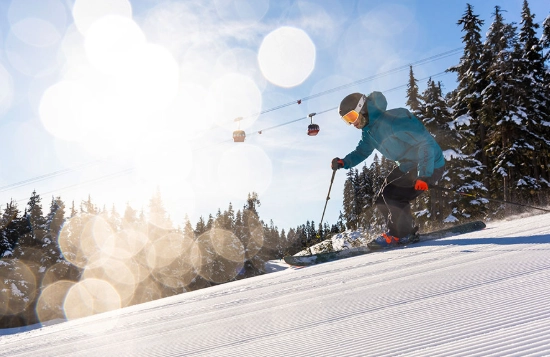
Clothing: This is the biggest wardrobe shift. Ditch the insulated bibs and heavy down jacket. You need a versatile, breathable layering system.
- Base Layer: Lightweight merino wool or synthetic. No heavy fleece.
- Mid Layer: A thin fleece or lightweight insulated vest at most.
- Outer Layer: A waterproof, breathable shell jacket and pants are essential. Pit zips are non-negotiable.
I pack a lightweight backpack to stash layers as I shed them. Sunglasses and high-SPF sunscreen (applied to your face, neck, and under your nose/goggle line) are mandatory gear, not accessories. I learned that the hard way with a goggle-shaped sunburn that lasted a week.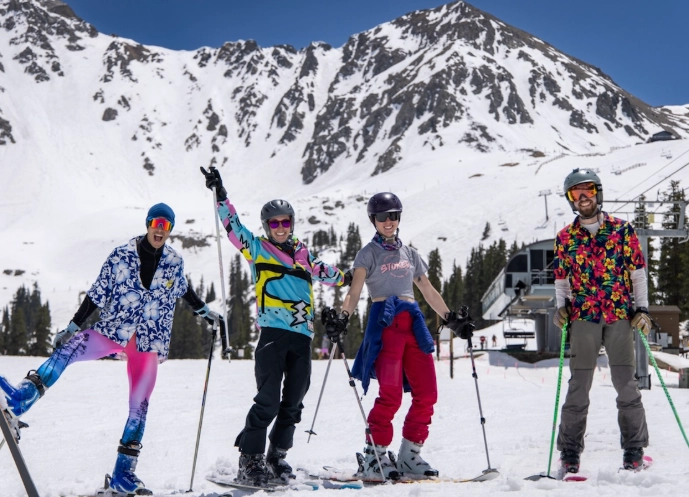
Goggle Warning: Bring two lenses. A low-light lens for cloudy mornings or shaded tree runs, and a dark, mirrored lens for the blinding afternoon sun. Trying to ski squint-eyed down a sunlit bowl is a fast track to a headache.
The Complete Strategy & Technique Shift
Your technique needs to adapt to the snow's consistency. In heavy slush, you need to press forward on your skis to keep the tips up and prevent them from diving. In corn, you can carve more traditionally, but with a smoother, less aggressive edge engagement—let the snow do the work.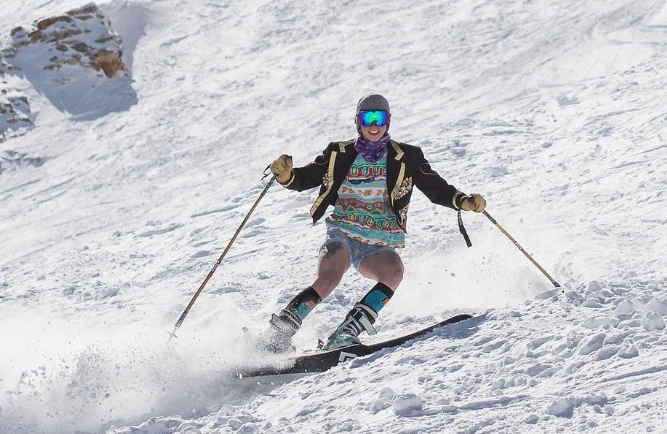
Timing is everything. A perfect spring day looks like this:
- 9:00 AM - 11:00 AM: Ski east-facing, intermediate-angle slopes. The sun has softened the crust but it's not slushy yet. This is often the corn sweet spot.
- 11:00 AM - 1:30 PM: Move to south-facing slopes. The sun is high, and the corn should be perfect. Hit your steep, expert terrain here when the snow is most supportive.
- 1:30 PM onwards: Follow the sun to west-facing slopes. Be vigilant. The line between perfect corn and miserable slush is thin. When the snow starts to feel slow and grabby, it's time to head to higher elevation or call it.
This "sun chase" is the core strategy. Resources like the National Weather Service mountain forecasts and resort webcams are invaluable for planning your aspect attack.
Spring-Specific Safety Considerations
Spring brings unique hazards. Wet slab avalanches are the primary concern once temperatures rise. They occur when water percolates through the snowpack, weakening bonds between layers. They are unpredictable and can be triggered remotely. If you're venturing into the backcountry, your winter avalanche education needs a spring update. Start your day early and be off of and out from under steep slopes by the time the sun has been baking them for a few hours. The American Avalanche Association provides critical resources on wet avalanche conditions.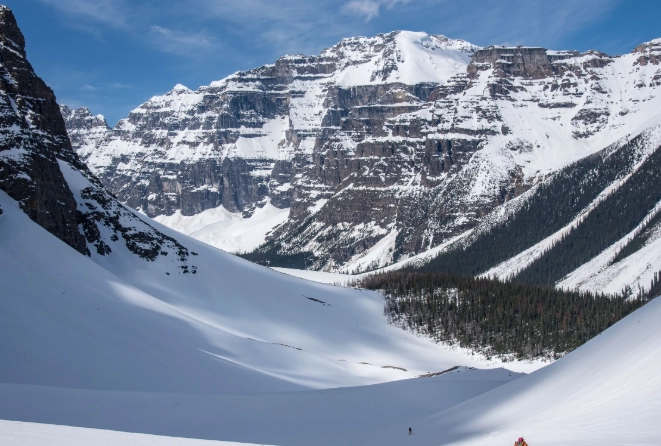
Other hazards include:
Crevasse exposure on glaciers as snow bridges weaken.
Falling through rotten snow ("punchey" snow) around rocks and trees.
Hypothermia from wet clothing combined with afternoon wind or storms.
The rule is simple: if it looks suspect, it probably is. Spring is not the time for heroic lines.
Your Spring Skiing Questions, Answered