Quick Navigation
- Why Button Lifts and Snowboards Are a Rocky Match
- The Anatomy of a Fail: Common Button Lift Snowboard Fail Scenarios
- The Step-by-Step: From Setup to Dismount
- Gear and Mindset: Your Secret Weapons
- Practicing Off the Mountain & Alternative Lifts
- Your Button Lift Snowboard Fail Questions, Answered
- Wrapping It Up: From Fail to Nail
Let's be honest. The button lift, that T-bar dragging you up the hill, is a rite of passage for snowboarders. And for many, that rite involves a spectacular, sometimes public, button lift snowboard fail. You're not alone. I've been there, sprawled in the snow while the lift operator sighs and the line behind me groans. It's humbling.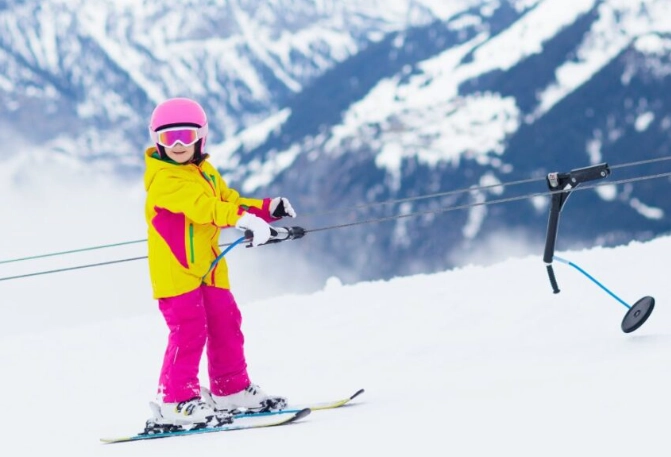
But here's the thing – mastering the button lift isn't some mystical skill. It's a combination of understanding a flawed system (it was designed for skiers, after all), some simple mechanics, and a bit of practiced technique. This guide won't just tell you "how to do it." We're going to dissect why the button lift snowboard fail happens so often, then build a strategy to make it a non-issue. Forget the anxiety. Let's turn that lift into your personal uphill conveyor belt.
Why Button Lifts and Snowboards Are a Rocky Match
Before we fix the problem, let's see why it exists. Skis point straight. Snowboards sit sideways. This fundamental difference is the root of most button lift misery for riders.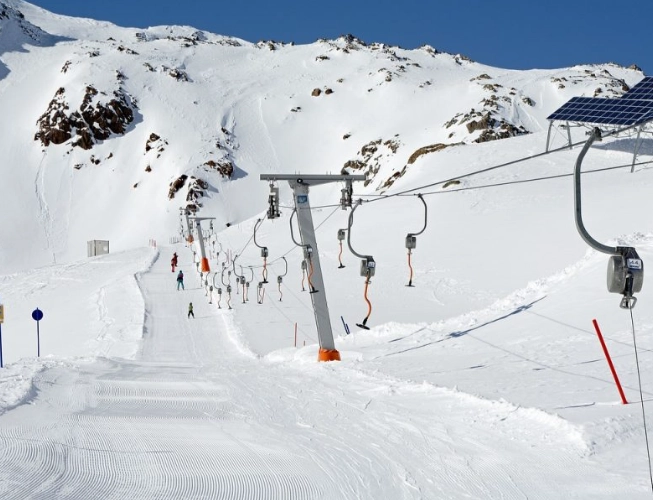
When you're on a T-bar or platter lift (the "button"), the pull force is directed straight up the hill along the cable line. A skier's two independent legs can absorb minor shifts and imbalances. A snowboarder is essentially one solid plank attached to both feet. Any sideways torque from the lift, any uneven pressure, gets transmitted directly to your hips and knees, wanting to twist the board. That's when you lose balance, get dragged, and the dreaded button lift snowboard fail unfolds.
Other factors pile on:
- Uneven Terrain: The track is rarely a perfect groomer. Bumps pull you off-axis.
- Partner Issues: Riding with a skier or another snowboarder of different weight/height changes the pull dynamics.
- Lift Design: Some are spring-loaded and jerky. Others have a slow, steady pull. You never know until you're on it.
The Anatomy of a Fail: Common Button Lift Snowboard Fail Scenarios
We've all seen the classics. Maybe you've starred in one.
| The Fail | What Happens | The Root Cause |
|---|---|---|
| The Toe-Side Topple | The board suddenly veers toeside, you catch an edge, and get yanked over face-first. | Too much weight on your front foot. The pull is ahead of your center of mass, pivoting the board. |
| The Heel-Side Sit-Down | You lean back, the board shoots out heelside, and you land squarely on your butt, still holding the bar. | Leaning back in panic (a natural reaction!). This puts weight on the tail, making the nose swing. |
| The Wobbly Wipeout | A series of increasing, uncontrolled oscillations until you're thrown off sideways. | Overcorrecting. You feel a small wobble, fight it with a big movement, and create a bigger wobble. It's a feedback loop of failure. |
| The Partner Drag-Down | One person falls and, due to a death grip on the bar, pulls their riding partner down too. | Not letting go. It's instinct to hold on, but it's a team sport. Sometimes you have to sacrifice the lift ride to save your friend. |
Recognizing which fail you're prone to is key. For me, it was always the toe-side topple. I'd get nervous, lean forward to "engage" with the lift, and promptly eat snow.
The Step-by-Step: From Setup to Dismount
Let's break it down into phases. This isn't just theory; it's a checklist to run through every time.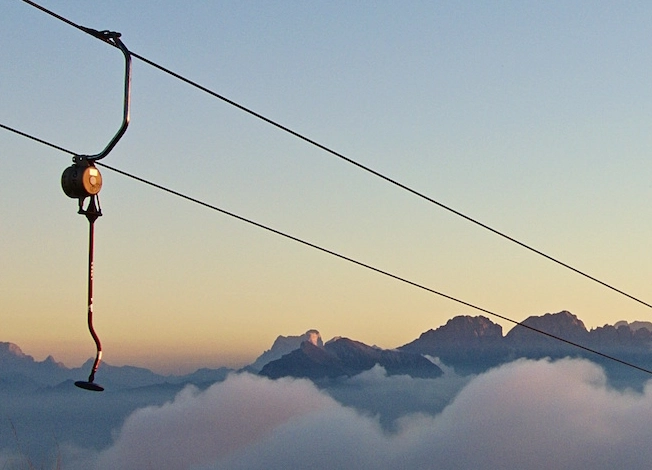
Phase 1: The Queue and Setup
Your success starts in line. Watch how the lift loads. See where people are placing the bar. Is it a single T-bar or a double? Plan your stance.
Stance is everything. You want a relaxed, neutral, athletic stance. Knees bent, back straight, head up. Imagine you're on a gentle cat track. Your weight should be 50/50 between both feet, or maybe 55% on your front foot if you must. Never 70/30.
Phase 2: The Hook-Up and Initial Pull
This is the critical moment. Place the bar or platter firmly behind your top thigh, right under your butt cheek. Not against the back of your knee—that's a leverage point for disaster. As the slack pulls out, don't brace rigidly. Let the lift start moving you. Your first two movements should be a slight forward pressure with your front knee and looking straight up the hill, not down at your board.
The initial jerk is where most button lift snowboard fails are born. Don't fight the pull. Accept it and guide it.
Phase 3: The Ride Up
You're moving. Good. Now, keep your board pointing directly along the track. Use your ankles and knees for micro-adjustments, not your hips. If you feel a wobble, relax. A tiny, gentle shift back to center is better than a hard correction. Grip the bar lightly. A white-knuckle grip tenses your whole body.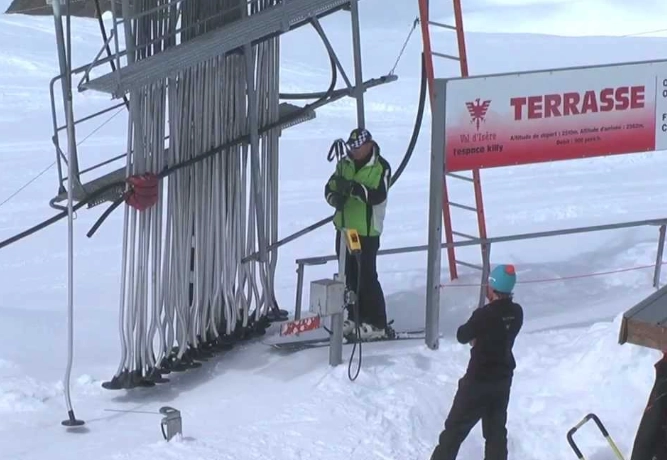
Talk to your partner if you have one. "Little bump on the left." A bit of communication keeps you both aligned and calm.
Phase 4: The Dismount (Where Fails Happen Part 2)
See the dismount area coming up. Mentally prepare. As you approach the crest, shift a tiny bit of weight to your back foot to unweight the nose. The moment you feel the pull lessen, gently guide the bar away from you with your hand—don't just let it fly back—and step/slide away from the track with confidence. Keep riding straight for a few meters before turning. So many people dismount successfully, then immediately catch an edge because they panic-turn.
Gear and Mindset: Your Secret Weapons
Technique is 80%. The rest is gear and your headspace.
Stance Width: A shoulder-width stance is generally best for stability. Too narrow and you're twitchy. Too wide and you can't make the subtle adjustments needed.
High-Back Forward Lean: Some riders swear by dialing down the forward lean on their rear high-back for lift days. It prevents your rear calf from engaging and pulling you heelside unintentionally. Try it.
The Mental Game: Anxiety tenses muscles. Tense muscles overreact. I used to get so nervous in the line that I'd be exhausted before I even grabbed the bar. Now, I take a deep breath and tell myself, "Just stand there and let it pull you." It sounds silly, but it works. You're not performing surgery. You're just standing on a board being pulled uphill.
Practicing Off the Mountain & Alternative Lifts
If you're truly struggling, find a small, beginner T-bar or a magic carpet lift at the end of the day and just ride it up and down repeatedly. No pressure. Just feel the pull.
Also, know your alternatives. Many resorts now have conveyor belt lifts (magic carpets) or gondolas servicing beginner and intermediate areas. The National Ski Areas Association (NSAA) emphasizes safety and accessibility, and many new developments are including more boarder-friendly lift options. Check the trail map. If a slope is serviced only by a long, old T-bar, maybe tackle that run after you've built more confidence elsewhere.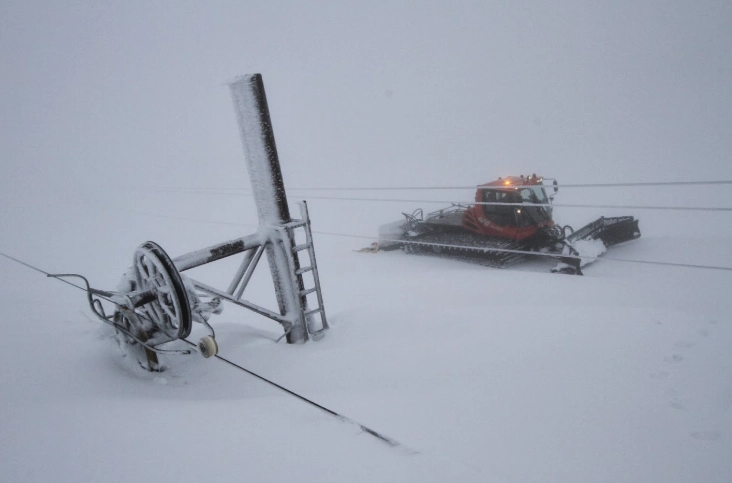
For a deep dive on lift mechanics and the physics of uphill transport, the International Society for Skiing Safety (ISSS) has published fascinating research, though it's quite technical. The takeaway is simple: the system has inherent instability for side-stance riders.
Your Button Lift Snowboard Fail Questions, Answered
Is it easier for skiers than snowboarders on a button lift?
Objectively, yes. The two-plank, forward-facing stance is inherently more stable for a linear pull. That's not an excuse for us, just a fact. It means we have to be better with our technique.
Should I go on a T-bar alone or with a partner?
If you're a beginner, go with a partner of similar size/weight. It's more stable. Experienced riders can go solo on single T-bars, but it requires more core tension to control the asymmetrical pull. I still prefer a partner—it's more social and less work.
What's the absolute worst thing I can do?
Panic and lean back. It's the universal signal for an impending button lift snowboard fail. It puts all the wrong forces on your board. If you're going to lean, lean slightly into the hill (forward).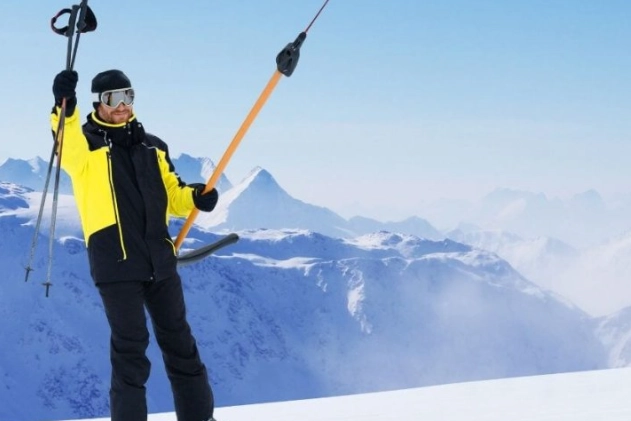
Are some button lifts worse than others?
Absolutely. Old, jerky lifts with a sudden start are the worst. Modern, slow-speed, detachable platter lifts are a dream. There's no way to know until you try, so always assume the first ride on a new lift is a scouting mission.
I'm embarrassed to try and fail in public. What should I do?
I get it. The feeling is terrible. But remember, every single person on that mountain has had their own version of a button lift snowboard fail. Most are just glad it's not them this time. Smile, wave, get out of the track, and try again. The only people who judge are jerks, and their opinion doesn't matter. The lift operators have seen it all a thousand times. They don't care. They just want you to be safe.
Wrapping It Up: From Fail to Nail
Conquering the button lift is a small victory that pays huge dividends. It opens up more of the mountain, reduces your time in lift lines (T-bars are often shorter), and gives you a real sense of accomplishment. That button lift snowboard fail moment isn't a sign you're a bad snowboarder. It's a sign you're learning on equipment that wasn't designed for you.
Focus on the basics: neutral stance, bar placement, looking ahead, and relaxing. Practice on easy lifts. Don't be afraid to let go if it's a lost cause. Soon, you won't even think about it. You'll be chatting with your lift partner, enjoying the view, and wondering why you ever found it so hard. And when you see someone else have their own button lift snowboard fail, maybe give them a nod. You've been there. Now you're not.