Quick Navigation
- What Are Adaptive Skiing Programs, Really?
- What Exactly Are Adaptive Skiing Programs?
- The Gear Locker: A Tour of Adaptive Skiing Equipment
- The Equipment That Makes It Possible
- Who Can Actually Benefit from These Programs?
- Finding the Right Adaptive Skiing Program
- The Cost Question
- What to Expect Your First Time
- Common Concerns and Real Answers
- The Psychological Benefits Nobody Talks About
- Making the Decision
Let's be honest, the first time you hear about adaptive skiing, it might sound like a niche thing. Maybe you picture something super technical, or only for Paralympians. I thought that too, a long time ago. Then I saw a guy with one leg carving turns down a black diamond like it was nothing. I mean, he was better than me. That's when it clicked—this isn't about limitations; it's about a different set of tools to unlock the same mountain.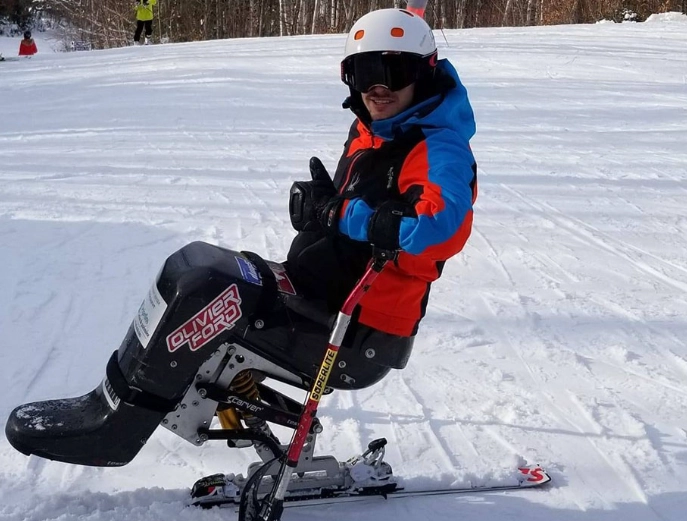
That's what I want to talk about today. Not in a dry, textbook way, but like we're figuring it out together. If you're here, you're probably curious. Maybe for yourself, maybe for a friend or family member. You're wondering, "Can I actually do this? What's it really like? Where do I even start?" Good questions. This guide is my attempt to answer them, to strip away the mystery and give you the straight talk on adaptive skiing programs.
We'll dig into the gear that makes it possible (some of it is seriously cool engineering), how to find a program that won't treat you like a checklist, and what a first lesson actually feels like. I'll even share some resorts that get it right, and a few things I wish I'd known sooner.
What Are Adaptive Skiing Programs, Really?
At its core, an adaptive skiing program is just a structured way to teach skiing to people whose bodies work differently. That's it. The goal is identical to any ski lesson: get you sliding down the snow safely, with control, and hopefully with a big grin on your face.
The "adaptive" part means the equipment and teaching methods adapt to you, not the other way around. It’s not one-size-fits-all. Think of it like this: everyone needs boots, bindings, and skis. For some, that might mean a sit-ski (also called a mono-ski or bi-ski). For others, it could be outriggers (which look like mini crutches with tiny skis on the bottom) instead of standard poles. For someone with a visual impairment, it might mean skiing with a guide.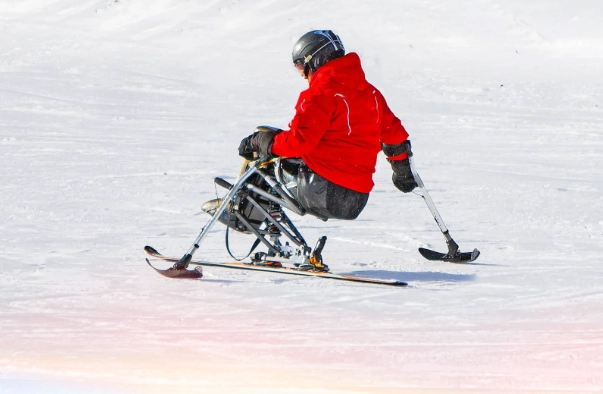
The philosophy behind a good program is simple: empowerment through sport. It's not about pity or a feel-good story. It's about problem-solving. How do we translate the fundamentals of balance, edging, and pressure to this individual's body and equipment? The best instructors are equal parts coach, engineer, and cheerleader.
You know what surprised me most? The community. Hanging around adaptive programs, you feel a different vibe. There's less ego, more genuine stoke for each other's progress. Maybe it's because everyone there has already overcome a hurdle just to get to the mountain, so the petty stuff falls away.
The Gear Locker: A Tour of Adaptive Skiing Equipment
This is where it gets fascinating. The technology has come so far. It's not just about making do; it's about creating high-performance tools for specific needs. Let's break down the main categories.
Sit-Skis (Mono-skis and Bi-sk .faq-question { color: #2c5530; font-weight: 600; margin-bottom: 10px; } .short-paragraph { margin-bottom: 10px; font-size: 1em; } .emphasis-block { background: linear-gradient(135deg, #4a7c59 0%, #2c5530 100%); color: white; padding: 25px; border-radius: 12px; margin: 30px 0; text-align: center; font-size: 1.2em; } .resource-link { color: #4a7c59; text-decoration: none; font-weight: 600; } .resource-link:hover { text-decoration: underline; } .critical-note { background-color: #ffe6e6; border: 1px solid #ff9999; padding: 15px; margin: 20px 0; border-radius: 6px; } @media (max-width: 768px) { .adaptive-skiing-guide { padding: 15px; } .equipment-table { font-size: 0.9em; } }
I remember the first time I saw someone with a physical disability skiing down a mountain. It was at Park City, and this guy was flying down the intermediate run on a sit-ski, big grin on his face, completely in control. That moment stuck with me. It made me realize how much I took my own ability to ski for granted.
Adaptive skiing programs have been around for decades, but many people still don't know they exist or assume they're only for elite athletes. Nothing could be further from the truth. These programs are about making skiing accessible to anyone who wants to experience the mountains, regardless of physical or cognitive challenges.
What Exactly Are Adaptive Skiing Programs?
At their core, adaptive skiing programs are specialized instruction and equipment systems designed to help people with disabilities hit the slopes. We're talking about everything from visual impairments and amputations to spinal cord injuries and developmental disabilities.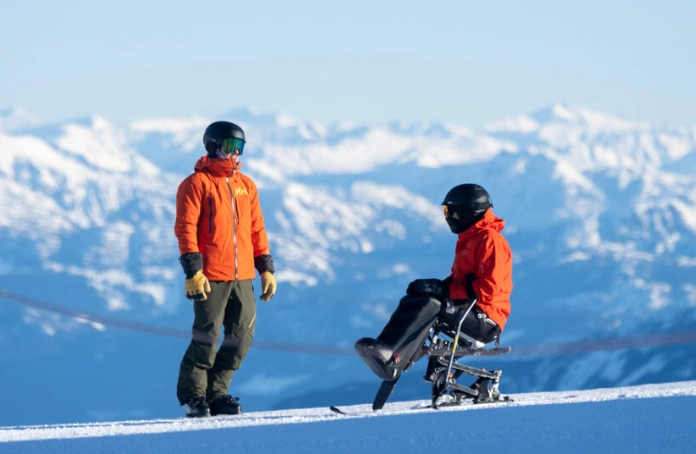
The beauty of these programs is how they've evolved. What started as makeshift solutions has become sophisticated, purpose-built equipment and teaching methods. The Disabled Sports USA organization has been instrumental in developing standards that make skiing safer and more accessible.
I've volunteered with a few different adaptive skiing programs over the years, and the one thing that always strikes me is the creativity involved. Instructors constantly adapt to each individual's needs rather than forcing people into predetermined boxes.
The Equipment That Makes It Possible
When people think about adaptive skiing, they often picture the sit-ski (also called a mono-ski or bi-ski). But the equipment options are way more diverse than most realize.
| Equipment Type | Best For | How It Works | Skill Level |
|---|---|---|---|
| Mono-ski | Lower body mobility issues | Seat mounted on single ski with shock absorber | Intermediate to advanced |
| Bi-ski | Beginners, higher level injuries | Wider base, more stability, often with outriggers | Beginner to intermediate |
| Three-track | Single leg amputees | Two skis on one foot with outriggers for balance | All levels |
| Four-track | Standing skiers needing stability | Two skis plus two outriggers (mini crutches with skis) | Beginner to advanced |
| Visual guide system | Visually impaired skiers | Instructor skis ahead with audio cues or tethers | All levels |
The equipment has come such a long way. I tried a bi-ski once just to understand what participants experience, and the engineering is incredible. The suspension systems absorb bumps that would have been brutal in early models.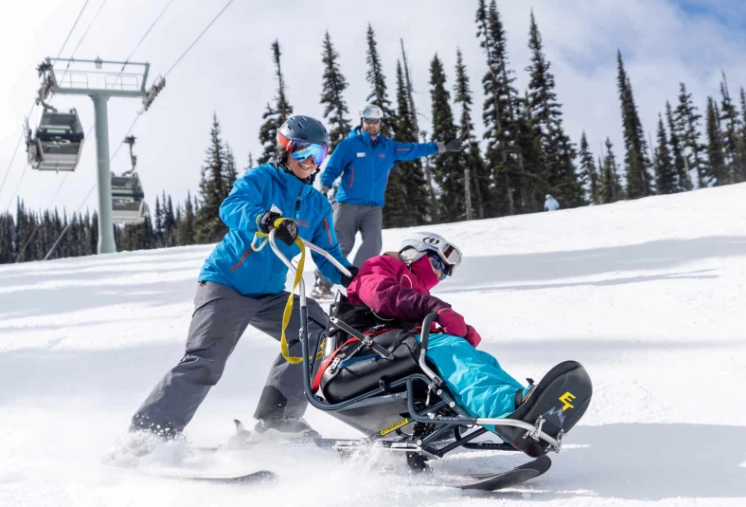
But here's the thing that surprised me most - the equipment is only part of the equation. The real magic happens in how instructors match the gear to the individual. A good program won't just hand you equipment; they'll assess what will work best for your specific situation.
Who Can Actually Benefit from These Programs?
This is where people often limit themselves unnecessarily. I've heard every excuse: "My disability is too severe," "I'm too old," "I've never skied before." The reality is that adaptive skiing programs serve an incredibly diverse range of participants.
Physical Disabilities
Spinal cord injuries, amputations, cerebral palsy, multiple sclerosis - you name it, there's probably an adaptive approach. The International Paralympic Committee has classification systems that show just how broad the spectrum is.
What many don't realize is that some conditions you might not think would work for skiing actually have great adaptations. I met a woman with muscular dystrophy who skis using a bi-ski with special seating support. She told me it's one of the few sports where she feels truly free.
Sensory Impairments
Blind and visually impaired skiers use guide systems where an instructor skis ahead giving verbal cues. The communication is incredibly precise - things like "gentle right turn in three, two, one..."
Deaf and hard-of-hearing skiers often use visual signals. The adaptations are surprisingly straightforward once you see them in action.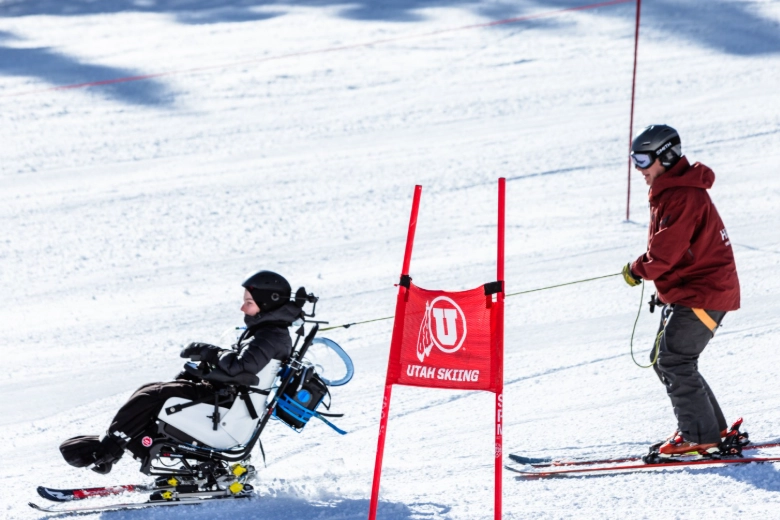
Cognitive and Developmental Conditions
This is where adaptive skiing programs really shine. Instructors use different teaching methods, more repetition, and clear, simple instructions. I've seen autistic children who struggle with team sports absolutely thrive on the mountain where they can focus on their own experience.
The structure of skiing - the chairlift routine, the predictable turns - actually appeals to many people with autism spectrum disorders.
Finding the Right Adaptive Skiing Program
This is where most people get stuck. How do you even begin to find these programs? The landscape is fragmented - some are run by resorts, others by non-profits, some by hospitals or rehabilitation centers.
What to Look For in a Quality Program
- Certified adaptive instructors (look for PSIA adaptive certification)
- Equipment maintenance records (ask about their maintenance schedule)
- Participant-to-instructor ratios (lower is usually better)
- Experience with your specific condition
- Clear safety protocols and emergency plans
- Transportation assistance if needed
- Financial assistance options
The Move United organization maintains a database of member programs across the country. It's a good starting point, but I always recommend calling programs directly. You can tell a lot by how they handle your questions.
Some questions I suggest asking: How long have your instructors been teaching adaptive skiing? What's your typical first-time lesson structure? What's your cancellation policy for weather or health issues?
Location matters more than you might think. I've found that programs at mountains with consistent snow conditions and good grooming tend to provide better beginner experiences. Icey conditions are challenging for any skier, but they're particularly tough when you're learning adaptive techniques.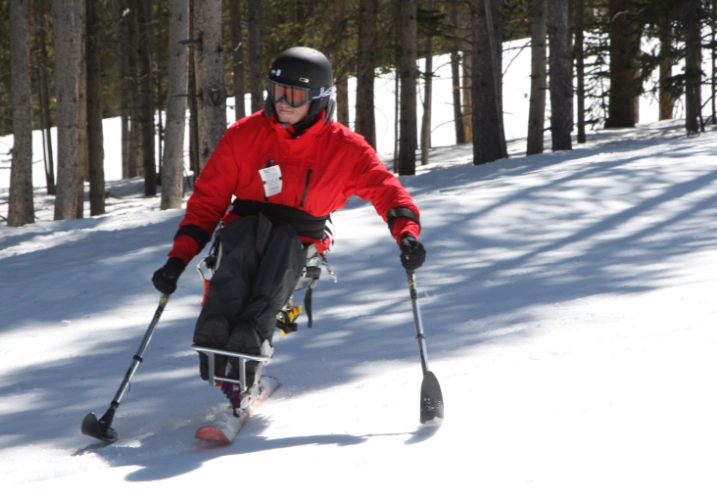
The Cost Question
Let's talk money because this stops a lot of people. Adaptive skiing isn't cheap - the equipment is expensive, instruction requires special training, and insurance costs are higher.
But here's what most people don't know: financial assistance is widely available. Many programs operate as non-profits with scholarship funds. I've never seen a quality program turn someone away solely because of money.
Typical costs range from $100-$300 for a half-day lesson including equipment. That sounds steep until you consider that a regular private lesson at a big resort can cost $500-700. The adaptive programs are often subsidized.
Veterans should definitely check with the VA and organizations like Team RWB - there are specific programs and funding sources for disabled veterans.
Some insurance companies will cover adaptive sports as part of rehabilitation. It's worth checking with your provider, though you'll likely need a doctor's referral.
What to Expect Your First Time
The unknown is scary. I get it. Having watched dozens of first-timers, here's how a typical first lesson usually goes.
You'll start with paperwork - more than a regular lesson because they need to understand your specific needs and limitations. Be brutally honest here. If something hurts or is difficult, say so. They're not judging; they're problem-solving.
The equipment fitting takes time. This isn't like renting regular skis where they just check your shoe size. They'll adjust seating positions, harness tightness, outrigger lengths - everything needs to be customized.
The first runs usually happen on the gentlest slope available. I've seen programs use magic carpets or even just flat areas for initial practice. The goal is building confidence, not impressing anyone.
What surprises most people is how quickly they progress. The learning curve is different, but many first-timers are making controlled turns by the end of their first lesson.
The best instructors I've seen spend as much time talking about fear and anxiety as they do about technique. They understand that the mental barriers are often bigger than the physical ones.
Common Concerns and Real Answers
Safer than regular skiing in many ways. The equipment is designed for stability, and instructors are trained in specific safety protocols. Injury rates in adaptive skiing are surprisingly low.
This is a legitimate concern that programs deal with regularly. They plan for accessible restrooms and build break times into lessons. Don't be embarrassed to discuss this during your initial planning.
Absolutely. Most programs encourage family participation. They can often arrange for family members to take lessons nearby or ski together once you're comfortable.
Mid-season conditions are ideal - not too icy, not too slushy. January through March typically offers the most consistent conditions for learning.
It varies by equipment. Sit-skiing requires good upper body strength. Four-track skiing is less demanding. Programs will match you with equipment that fits your fitness level.
The Psychological Benefits Nobody Talks About
We focus so much on the physical aspects that we miss the mental health benefits. I've seen people's entire outlook on their disability change after a successful day on the mountain.
There's something about conquering a mountain that changes your perspective on other challenges. If you can handle a black diamond run, maybe that job interview isn't so terrifying after all.
The community aspect is huge too. Adaptive skiing programs create networks of people who understand each other's challenges in ways that friends and family sometimes can't.
I've watched participants form lasting friendships through these programs. They ski together, share equipment tips, and support each other through the inevitable frustrations.
The confidence transfer is real.
People take the confidence they build on the slopes back into their daily lives. I've heard countless stories about people trying new things, pursuing education, or changing careers because skiing showed them they were capable of more than they thought.
Making the Decision
If you're considering adaptive skiing, my advice is simple: try it. The barriers feel bigger in your head than they are in reality.
Start by researching programs within a reasonable distance. Make some phone calls. Ask about trial sessions or introductory programs. Many offer discounted or free first lessons specifically because they know the hardest part is showing up.
Remember that every expert was once a beginner. The instructors I've worked with have more patience than you can imagine. They genuinely want you to succeed.
The adaptive skiing community is one of the most supportive I've encountered in any sport. There's a shared understanding that everyone is facing challenges, and everyone celebrates each other's victories.
Whether you're looking for recreation, rehabilitation, or just a new challenge, adaptive skiing programs offer a path to the mountains that many don't realize exists. The view from the top is worth the effort.