You've booked the trip. The mountain photos look incredible. But now, staring at the resort's ski school webpage, a wave of questions hits. Group or private? Half-day or full? What do you even wear? I've been teaching and taking ski lessons for over a decade, and I can tell you this: signing up for instruction is the single best decision a new skier can make. But picking the right lesson is what separates a breakthrough experience from a frustrating one. Let's cut through the marketing and get into what really matters.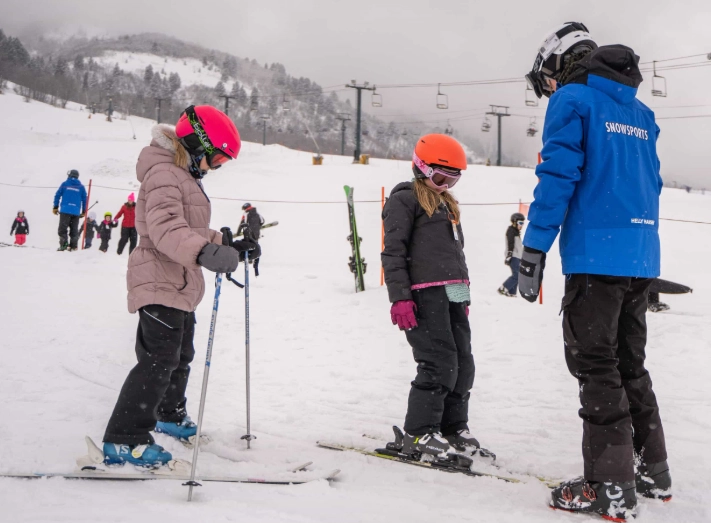
What You'll Find in This Guide
Why Bother with a Lesson? (Beyond the Obvious)
Everyone says "get a lesson to be safe." True, but that's just the start. A good instructor does more than stop you from crashing into trees.
They give you a movement vocabulary. Instead of just "bend your knees," you'll learn to pressure the front of your boot, rotate your femur, and manage your edge angle. These are the building blocks you'll use for the rest of your skiing life.
They provide immediate, tailored feedback. You can't see yourself ski. An instructor spots the micro-habit—like leaning back when you're scared—that's holding you back, and gives you a specific drill to fix it on the spot.
Perhaps the biggest undervalued benefit? Access. Instructors know the mountain's secret mellow zones, the best lunch spots away from crowds, and how to navigate the lift maze efficiently. They turn a vast, intimidating resort into a friendly playground.![best ski school [Resort Name]](/uploads/2026/02/05/449f2460ebb9dbf96e17399267bf129e.webp "best ski school [Resort Name]")
Here's a subtle mistake I see constantly: People practice their mistakes. Without guidance, you'll instinctively find a way to get down the hill that feels secure but is technically wrong—like a permanent, exhausting snowplow. You'll get better at being bad. A lesson breaks that cycle on day one.
How to Pick a Ski School: It's Not Just Location
Most major resorts have their own official ski school and often a few independent ones. Don't just click "book" on the first link.
Official Resort Schools: Think Vail Ski & Snowboard School, Whistler Blackcomb Snow School. Pros: Massive instructor pools, guaranteed meeting spots right on the mountain, well-structured lesson packages for all levels. Cons: Can feel a bit corporate, group lesson sizes might be at the maximum (often 8-10 people), and during peak times, you might get a less experienced instructor.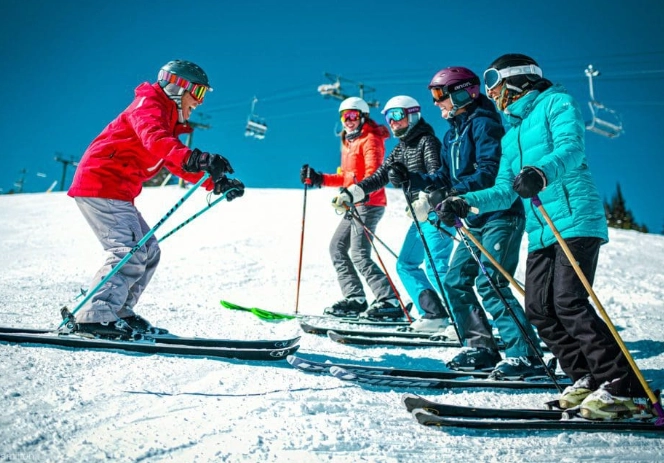
Independent Schools/Instructors: These are smaller operations or freelance instructors certified by bodies like PSIA-AASI (in the US) or BASI (in the UK/Europe). Pros: Often more personalized service, potentially smaller groups, more flexibility in meeting location and lesson plan. Cons: You need to vet their credentials carefully, meeting points might be less convenient, and they may not have access to all resort "ski school only" lift lines.
Your Vetting Checklist
Look for these specifics on their website:
Certification: It should be prominently displayed. PSIA Level 1, 2, or 3. BASI Level 1-4. This is non-negotiable for quality and insurance.
Instructor Bios: Do they highlight experience with adults, children, or specific disciplines (like moguls or off-piste)? Match their specialty to your needs.
Lesson Details: What's the maximum group size? A cap of 6 is vastly different from a cap of 10. Is rental equipment included or discounted? What's the refund policy for bad weather?
Private vs. Group Lessons: The Real Cost-Benefit Analysis
This is the big decision. Let's be brutally honest about what you're paying for.
| Factor | Private Lesson | Group Lesson (Adult Beginner) |
|---|---|---|
| Cost (Per Person) | High ($600-$800/day) | Low to Moderate ($150-$250/day) |
| Focus | 100% on you and your goals. It's a coaching session. | General curriculum for the group's average level. |
| Pace | Your pace. Stop when you want, skip what you know. | Group's pace. You might be bored or struggling to keep up. |
| Terrain Choice | Go anywhere your skill allows. Maximize fun. | Stays on specific beginner learning areas. |
| Best For | Quick skill jumps, overcoming fear, families wanting to stay together, serious technical focus. | Social learners, budget-conscious skiers, getting the fundamentals in a structured way. |
| The Hidden Truth | The value isn't just instruction; it's efficiency. You'll progress 3-5x faster. | The social aspect is a real pro. Laughing with others who are also struggling is a great morale booster. |
My non-consensus advice? If you can possibly swing it, book a 2-3 hour private lesson on your FIRST morning. Get those foundational skills and safety habits locked in correctly. Then, you can join group lessons for the rest of the week with confidence, or just practice on your own. That initial investment pays dividends for your entire holiday.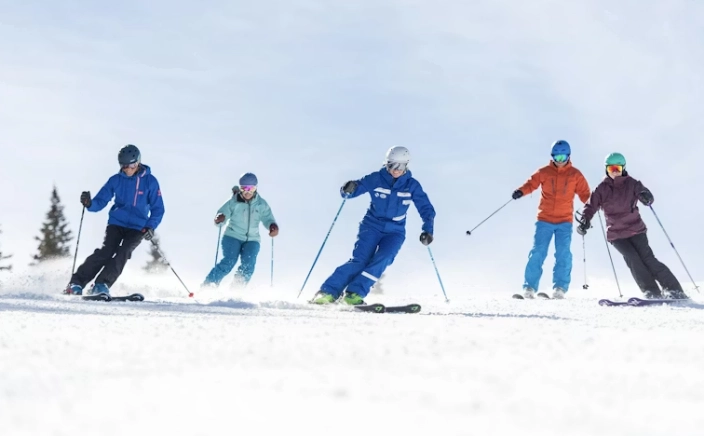
Your First Lesson: A Minute-by-Minute Rundown
Nervous about the unknown? Here's what typically happens at a well-run resort beginner lesson.
9:00 AM - Meet & Gear Up: You'll check in at the ski school desk. Have your booking confirmation and ID ready. They'll often provide a lift pass for the beginner area and help you get rental skis, boots, and poles if you haven't already. This is chaotic. Arrive 45 minutes early.
9:30 AM - Group Formation: Instructors will call out groups, usually by level. "First time ever!" "Skied once before!" Be honest. They'll do a quick visual assessment—how you carry your skis, your balance in boots—to finalize groups.
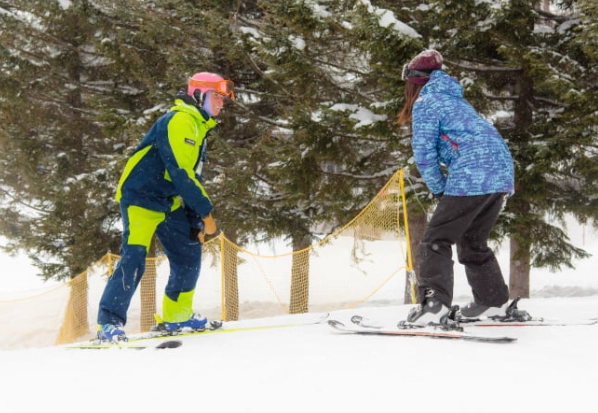
9:45 AM - The Magic Carpet Zone: You'll walk or take a shuttle to a flat, fenced-off beginner area with a "magic carpet" (a conveyor belt lift). The first 30 minutes is all about getting used to the equipment: putting skis on and off, shuffling, and learning to fall safely (you will fall).
10:30 AM - The Pizza Wedge (Snowplough): This is the fundamental braking and turning shape. You'll practice on a barely-there slope. The goal isn't to go fast, but to feel the edges of your skis biting into the snow.
12:00 PM - First Lift Ride & Run: If the group is progressing well, the instructor will take you on the beginner chairlift. They'll give precise instructions on how to load and unload. Then, you'll link your first controlled turns down a real, gentle green run. This is the moment it clicks for most people.
1:00 PM - Lesson End or Lunch Break: Half-day lessons often end here. Full-day lessons break for lunch (usually not included) and resume for more practice and refinement.![best ski school [Resort Name]](/uploads/2026/02/05/23efb488c041fd2c7e24c29039ab8d02.webp "best ski school [Resort Name]")
Making It Real: A Family Case Study in Chamonix
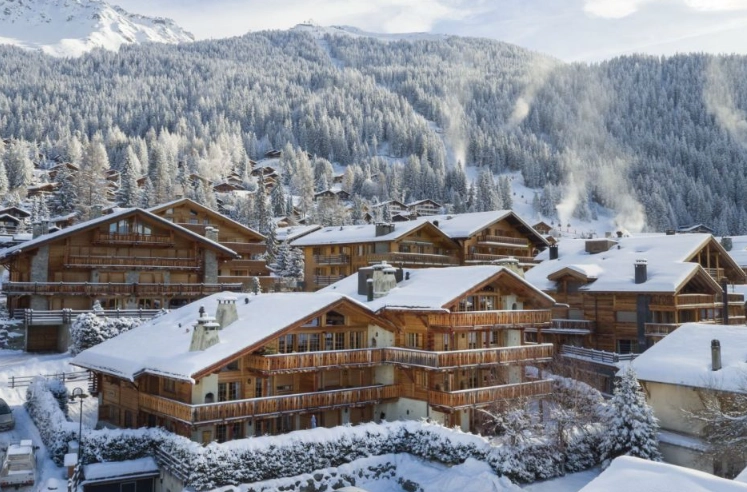
Let's apply this to a real scenario. The Smith family is going to Chamonix, France. Parents (40s, never skied), two kids (8 and 10).
Their Plan: They booked through the ESF Chamonix (the dominant official school). For the kids: 6 full days in the "Piou-Piou"/"Ourson" group lessons (9am-4:30pm with lunch included). This is a no-brainer—kids learn best with peers, and it gives parents free time.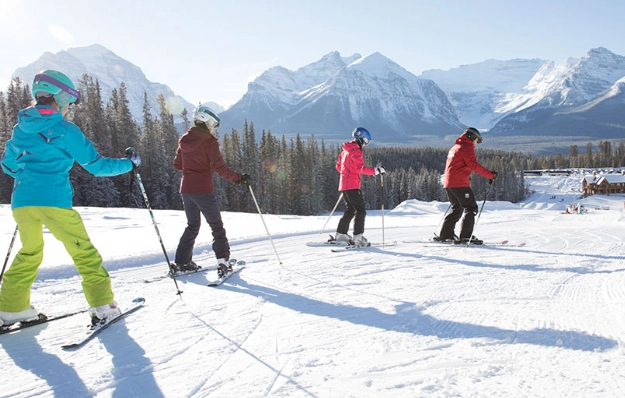
For the adults: They splurged on a 3-hour private lesson on Day 1 for just the two of them. Cost: ~€300. Their goal was to learn the basics safely and get comfortable enough to practice on the easy slopes near the kids' area. For Days 2-4, they joined an adult beginner group lesson. By Day 5, they were confident enough to ski a long, easy green run ("La Piste des Planards") together as a family.
What they learned the hard way: Book the kids' lessons months in advance, especially for February. The adult group lesson meeting point was a 15-minute walk from their hotel—they didn't factor in that slog in clunky ski boots. Next time, they'd pick a hotel nearer the main beginner hub at Le Savoy.
Answers to the Questions You're Afraid to Ask
![best ski school [Resort Name]](/uploads/2026/02/05/910f9fb78348cb39eccf884c122d0e2d.webp "best ski school [Resort Name]")