Jump Straight to What Matters
Backcountry skiing isn't just skiing—it's freedom. You leave the crowded lifts behind and earn your turns in silent, untouched snow. But let's be real: it's also risky. I've been doing this for over a decade, and I've seen too many close calls. This guide cuts through the fluff. I'll show you exactly what gear to buy, how to plan a trip without overwhelm, and the safety habits that keep you alive.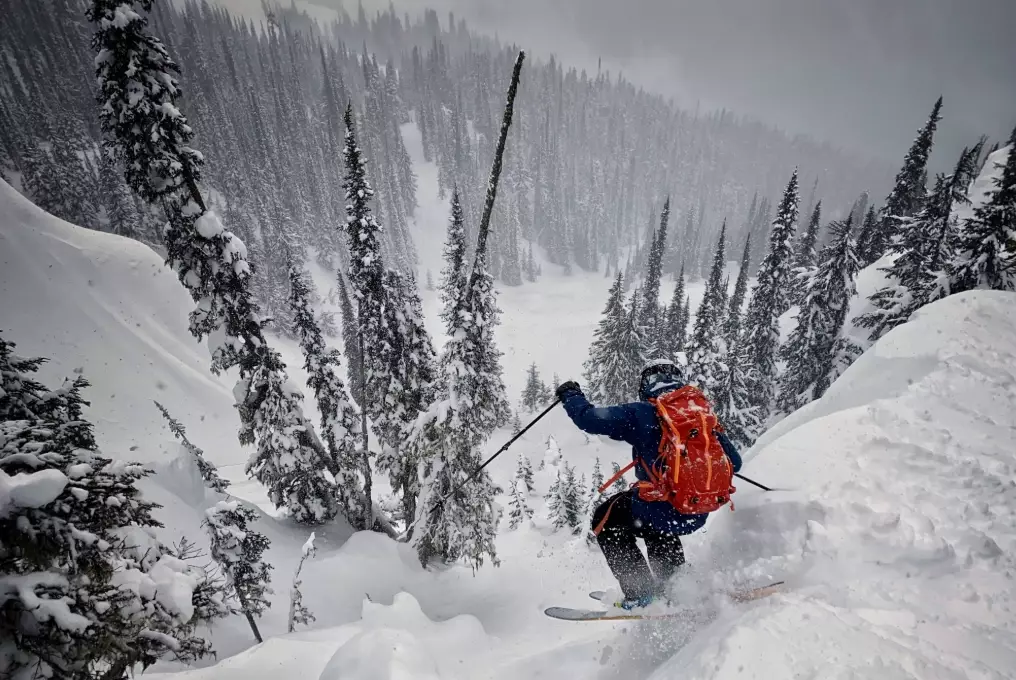
What Backcountry Skiing Really Means
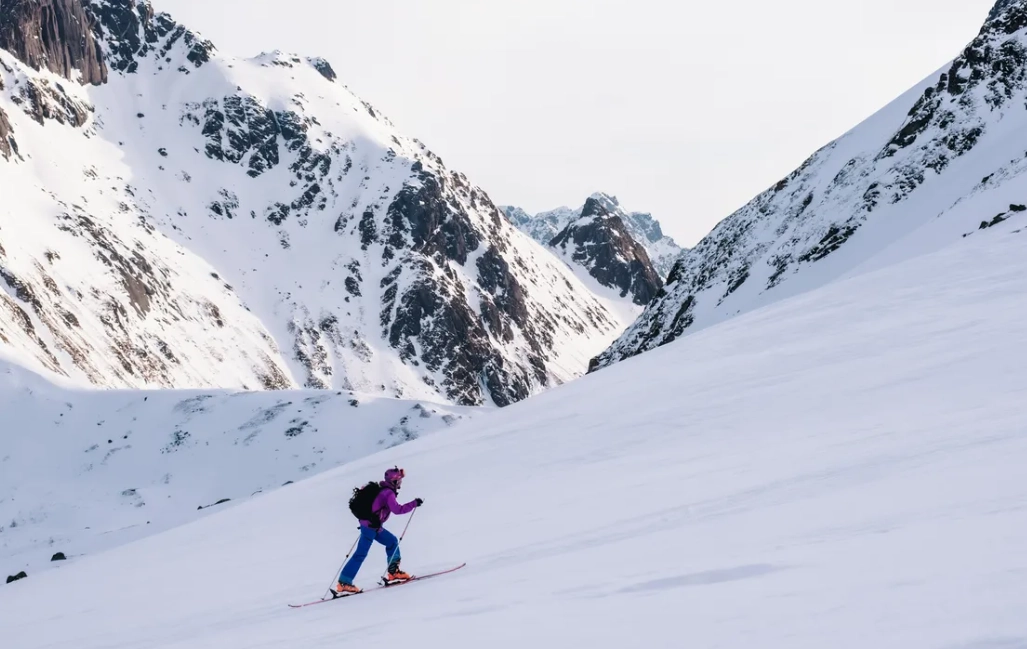
Forget the resorts. Backcountry skiing, or off-piste skiing, means skiing in unpatrolled, natural terrain outside ski area boundaries. You hike up using skins on your skis, then ski down. It's physically demanding and requires self-reliance. No ski patrol to bail you out. The reward? Lines of fresh powder that feel like your own private playground.
I started back in 2015, drawn by the peace of the mountains. But my first outing? A disaster. I borrowed a friend's heavy resort skis, struggled uphill for hours, and barely enjoyed the descent. Lesson learned: gear matters, but mindset matters more. You need respect for the mountains.
The Gear You Can't Ski Without
Don't just grab what's in your garage. Backcountry gear is specialized. Here's the breakdown from my experience.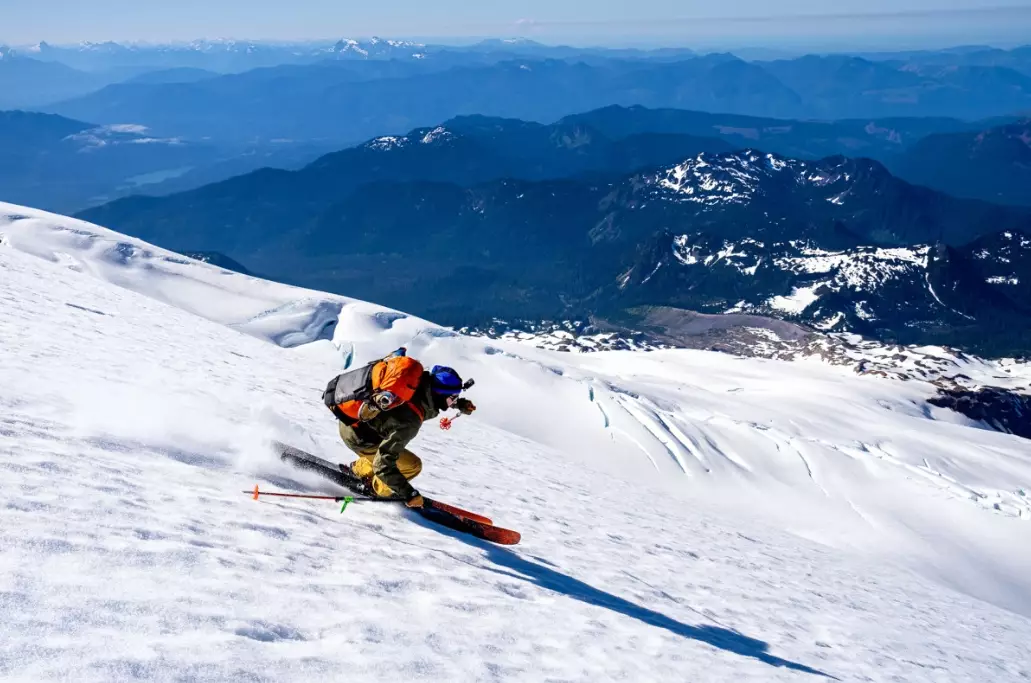
Skis, Bindings, and Boots: The Foundation
Your resort setup won't cut it. Backcountry skis are lighter—think 1,500 to 2,000 grams per ski—for efficient climbing. Bindings like the Marker Kingpin or Salomon Shift allow your heel to lift for hiking but lock down for descents. Boots need a walk mode; my go-to is the Scarpa Maestrale RS. They're stiff enough for control but flexible for comfort.
A common mistake? Buying overly wide skis because "powder is king." For beginners, a waist width of 95-105mm offers versatility in mixed conditions. I skied on 115mm skis once in crusty snow, and it was like steering a boat.
The Lifesavers: Avalanche Safety Gear
This isn't optional. You need three things: an avalanche transceiver (beacon), a probe, and a shovel. Practice with them monthly—I've met skiers who own gear but can't use it fast. The BCA Tracker S is a reliable beacon, around $300. Probes should be at least 240cm long; shovels need metal blades. Store them in your pack's dedicated pocket, not buried under lunch.
| Gear Category | Key Features | Price Range | My Top Pick (2024) |
|---|---|---|---|
| Backcountry Skis | Lightweight, rocker-camber profile, 95-105mm waist | $600 - $1,200 | Blizzard Zero G 95 |
| Touring Bindings | Tech bindings for weight, hybrid for resort crossover | $400 - $700 | Atomic Backland |
| Avalanche Beacon | Three-antenna, easy interface | $250 - $400 | Ortovox Diract Voice |
| Touring Backpack | 30-40L, separate safety gear compartment | $150 - $300 | Dakine Poacher RAS 32L |
Don't skimp on the backpack. A cheap one might lack hip belts or tear when you need it most. I learned that after a strap snapped during a long hike.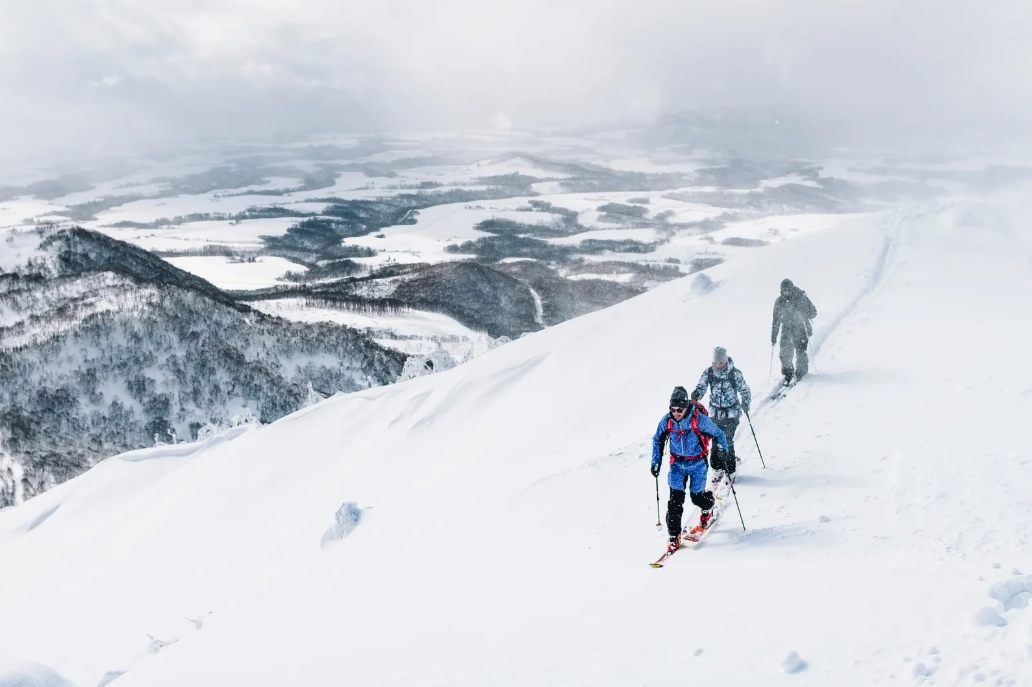
Planning Your First Trip Step-by-Step
Start small. Your goal isn't to conquer a peak; it's to come back safely. Here's how I plan a beginner-friendly day.
Choosing a Destination
Pick low-angle slopes (under 30 degrees) with easy access. In North America, places like Rogers Pass in British Columbia or Berthoud Pass in Colorado have well-documented routes. Check guidebooks like "Backcountry Skiing Canada" or apps like Fatmap. I often recommend the Wasatch Range near Salt Lake City—it has mellow terrain and reliable snow, but check avalanche forecasts religiously.
Logistics: Park at trailheads early (by 7 AM) to avoid afternoon instability. Permits might be needed; for example, in Glacier National Park, you need a backcountry permit. Costs range from $5 to $20 per day.
Reading Conditions Like a Pro
Weather and snowpack dictate everything. Use resources like the Northwest Avalanche Center for forecasts. Look for recent snowfall, wind direction (wind-loaded slopes are dangerous), and temperature trends. A warm day after a cold snap? That can create unstable layers.
I once ignored a "Considerable" avalanche rating because the sun was out. Big mistake—we triggered a small slide on a seemingly benign slope. Now, I always cross-reference multiple sources, including local ski forums for on-ground reports.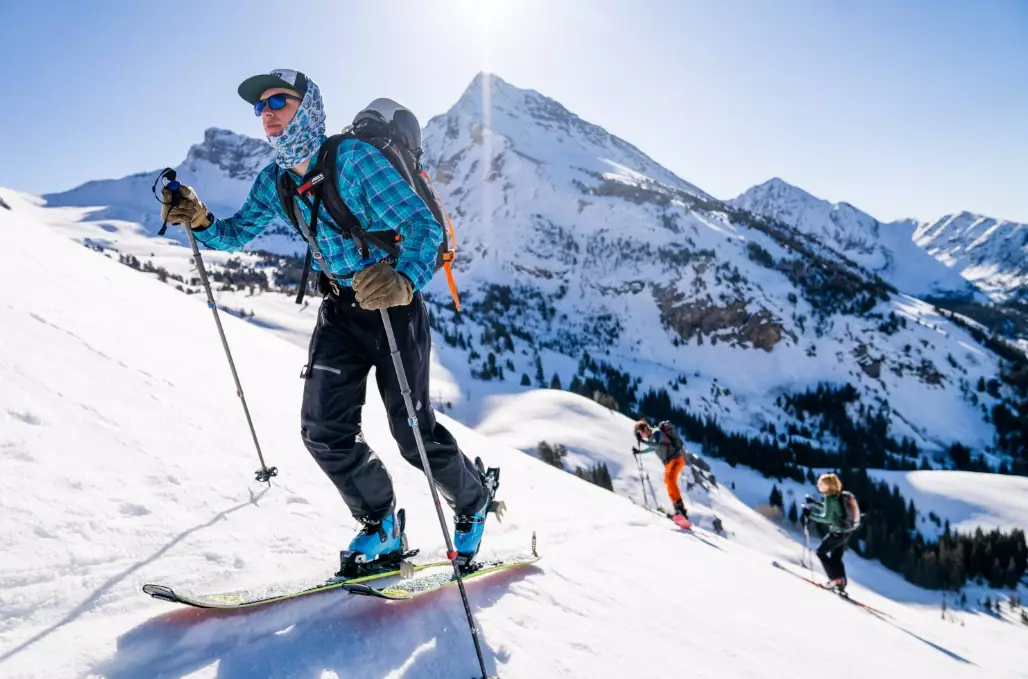
Staying Safe: Avalanche Smarts
This is where most articles gloss over. Avalanche safety isn't just gear; it's a mindset.
Formal Training: Non-Negotiable
Take an AIARE Level 1 course. It's about $600 for three days, but it teaches you to assess terrain, perform snowpack tests, and make group decisions. I've seen untrained skiers misinterpret stability—like assuming trees mean safety, but tree wells can be traps.
After my course, I started noticing subtle signs: hollow sounds underfoot indicating depth hoar, or recent avalanche debris on adjacent slopes. These clues save lives.
Essential Skills Beyond the Course
- Companion Rescue: Practice beacon searches with your partners monthly. Time yourself; aim for under 5 minutes to locate a buried beacon.
- Terrain Management: Identify avalanche paths, convex rolls, and safe zones. Use tools like the Avalanche Terrain Exposure Scale (ATES) to rate routes.
- Communication: Discuss turn-back points before starting. I've turned around more times than I've summited—and never regretted it.
Refer to the American Institute for Avalanche Research and Education (AIARE) for updated curriculum; their materials are industry gold.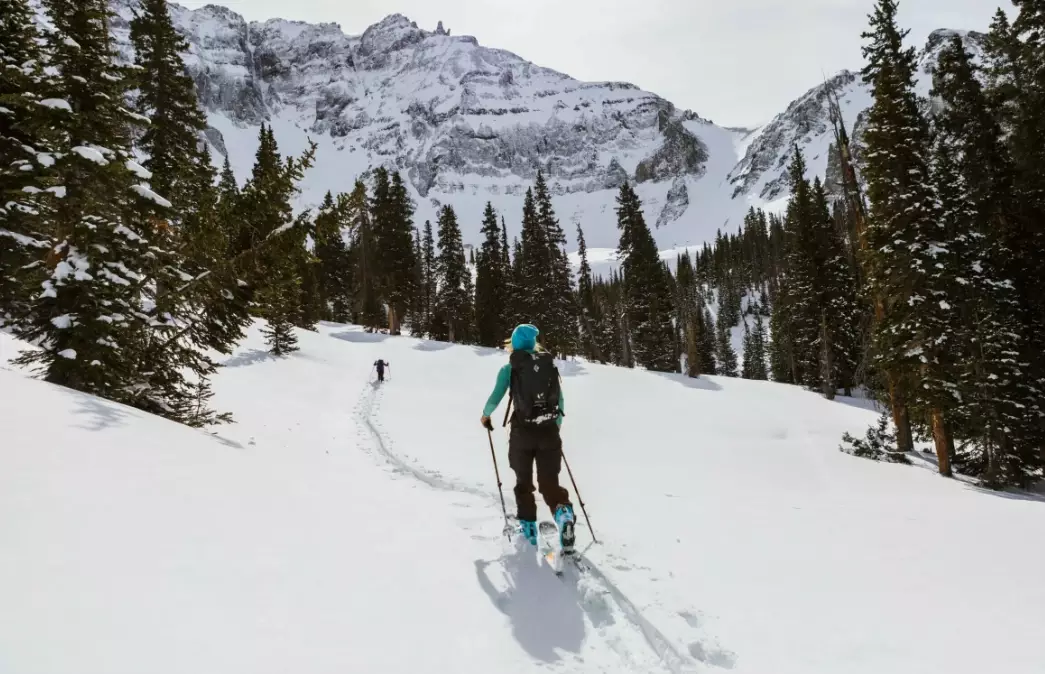
Mistakes I've Seen and Made
We all mess up. Here's what to avoid, based on my own blunders.
Overestimating Fitness: Backcountry skiing is 80% uphill. I once planned a 2,000-foot climb for my first trip and bonked halfway. Start with 500-foot gains. Build endurance with hiking or ski touring in gentle areas.
Ignoring Nutrition and Hydration: Carry more water than you think—I use a hydration bladder with an insulated tube. Eat snacks every hour; energy bars freeze, so keep them in an inner pocket.
Skipping the Shakedown: Test new gear close to home. I took brand-new boots on a remote trip and got blisters that ruined the day. Now, I do a local hike-ski to break everything in.
Group Think: Don't let peer pressure push you into risky terrain. Speak up if something feels off. I stayed silent once on a steep slope and felt my heart pound the whole way down—never again.
Your Burning Questions Answered
 What's the one piece of backcountry gear most beginners overlook?
 Backcountry skiing changes you. It's not just about the powder; it's about learning your limits and respecting nature. Start slow, gear up right, and always prioritize safety. The mountains aren't going anywhere—make sure you come back to ski them again.