Let's get straight to the point: your insulated ski jacket is the single most important piece of gear for comfort and survival on the mountain. It's not just a shell; it's your mobile climate control system. But here's the kicker most buying guides won't tell you—choosing the right one isn't about finding the "warmest" jacket. It's about matching a complex set of features to your specific skiing style, the weather you'll face, and even how you sweat. Get it wrong, and you're either a shivering ice cube by lunch or a sweaty, clammy mess after your first run. I learned this the hard way on a -20°C day in Whistler with a jacket that was supposedly "ultra-warm" but breathed like a plastic bag.
What's Inside This Guide
Why Insulation is Non-Negotiable for Skiing
You might see seasoned skiers with just a shell and layers. That works if you're racing or skiing in mild conditions and are hyper-aware of your body temperature. For the vast majority of us—from weekend warriors to week-long vacationers—a dedicated insulated jacket removes the guesswork. It provides consistent warmth without requiring you to constantly add or remove mid-layers. The insulation acts as a buffer, trapping your body heat in a stable air pocket. Think of it as having a built-in, perfectly fitted sweater that won't ride up or get soggy.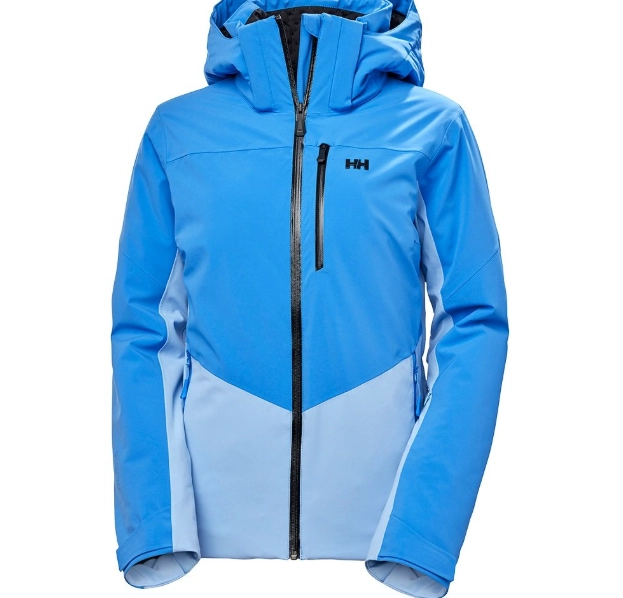
The real value shows up on chairlift rides, in long lift lines, or during sudden weather shifts. When the wind whips across the ridge, that insulation is what keeps the cold from biting straight through to your core. A shell alone, even with a fleece underneath, often can't match that level of immediate, wind-stopping protection.
How Insulation Works: It's Not Just About Thickness
Here's where most people get tripped up. They see a number like "80g insulation" and think "higher is warmer." That's only half the story. The warmth comes from loft—the ability of the insulation to trap air. Two main types dominate the market, and your choice fundamentally changes how the jacket performs and feels.
Down Insulation: The Gold Standard for Dry Cold
Down, the fluffy undercoating from ducks or geese, has the best warmth-to-weight ratio. It's incredibly packable and provides superior loft. But it has one critical flaw: it loses all insulating power when wet. Modern down is often treated with a water-resistant coating (like DownTek or Nikwax Hydrophobic Down), which helps, but if you're a heavy sweater or ski in consistently wet, slushy conditions, it's a risk.
Best for: Cold, dry climates (think interior BC, Colorado, the Alps on clear days), skiers who run cold, and those who prioritize packability for travel.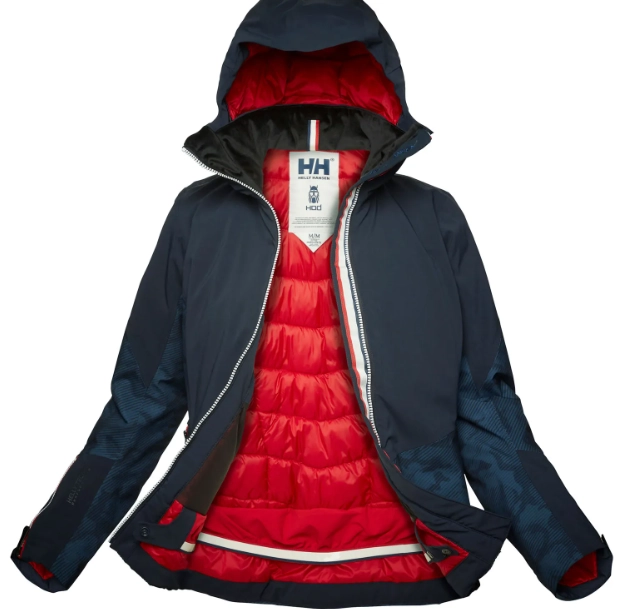
Synthetic Insulation: The Reliable All-Rounder
Materials like PrimaLoft, Thermore, or Coreloft are engineered polyester fibers designed to mimic down's loft. Their huge advantage? They retain about 90% of their warmth even when soaking wet. They dry faster, are generally more affordable, and are hypoallergenic. The trade-off is they are slightly heavier and less packable for the same warmth level, and they can lose loft over many years of compression.
Best for: Coastal or variable climates (Pacific Northwest, Japan), beginners who might spend time sitting in the snow, heavy sweaters, and anyone who values consistent performance in all conditions.
| Feature | Down Insulation | Synthetic Insulation |
|---|---|---|
| Warmth When Dry | Excellent (best warmth/weight) | Very Good |
| Warmth When Wet | Poor (collapses) | Good (retains most warmth) |
| Drying Time | Slow | Fast |
| Packability | Excellent | Good |
| Durability (Long-term Loft) | Excellent if cared for | Good (can degrade with compression) |
| Cost | Typically Higher | Typically More Affordable |
| Ideal User | Cold, dry climate skier, weight-conscious | All-condition, damp climate, or value-conscious skier |
The Critical Role of Waterproofing and Breathability
Insulation is useless if it gets wet from the outside in. Every quality ski jacket has a waterproof and breathable membrane (like Gore-Tex, HyVent, or DryVent). The numbers matter: look for a waterproof rating of at least 15,000mm and a breathability rating of at least 10,000g/m²/24hrs. For stormy conditions or deep powder days, aim for 20,000mm+.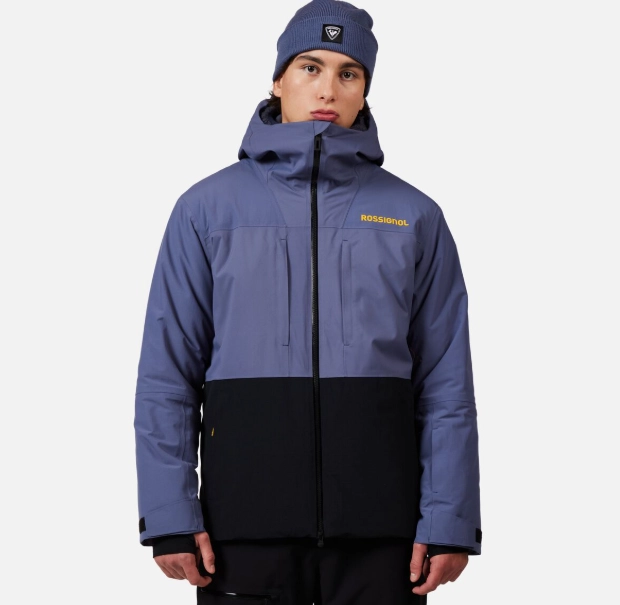
But what does "breathable" really mean on a cold day? It's the membrane's ability to let your sweat vapor escape. A common mistake is buying a jacket that's too warm for your activity level, causing you to sweat excessively and overwhelming the breathability. This is why pairing insulation level with your effort is key.
Don't forget the DWR (Durable Water Repellent) coating on the outer fabric. This causes water to bead up and roll off. It wears out with time and washing. When water stops beading and starts soaking in (the fabric "wets out"), it's time to re-treat it with a spray-on or wash-in product—it's easy and revives performance instantly.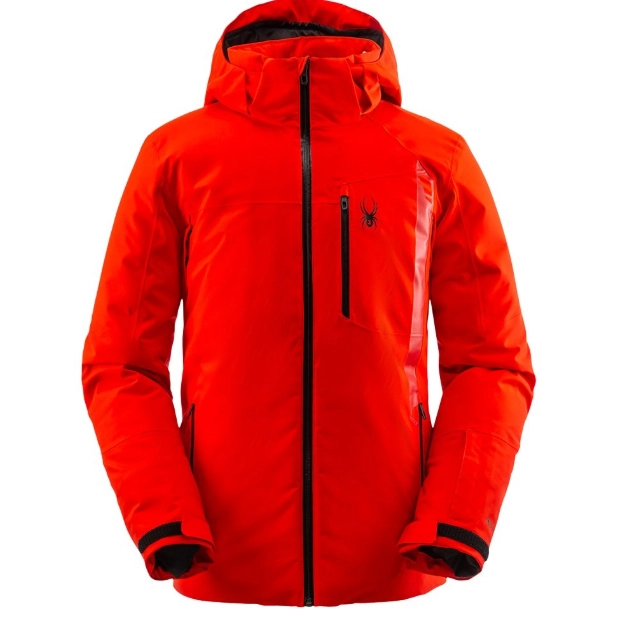
Getting the Fit and Features Right
Fit is functional, not just fashionable. A ski jacket should allow for a full range of motion without being baggy. Here’s how to check:
- Raise your arms overhead. The waist shouldn't ride up to expose your back or mid-layer.
- Mimic a skiing stance. Bend forward. There should be no tightness across the shoulders or back.
- Consider layering. Try it on over a mid-weight fleece or your favorite ski sweater. There should be room without excessive bulk.
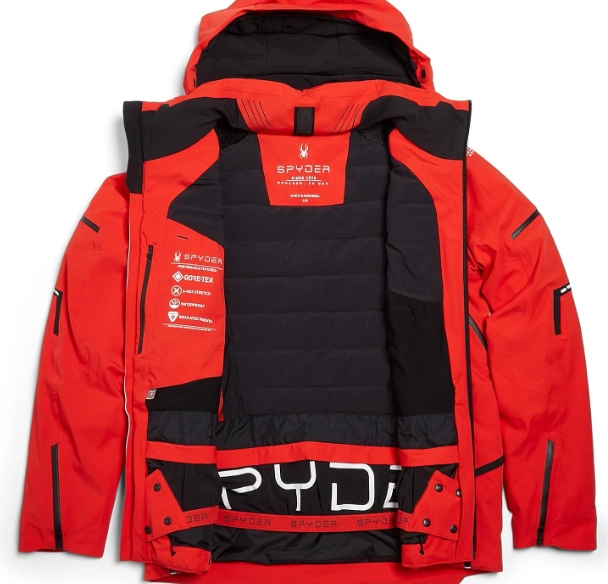
Features are where the magic happens. A long list doesn't mean better. Focus on these essentials:
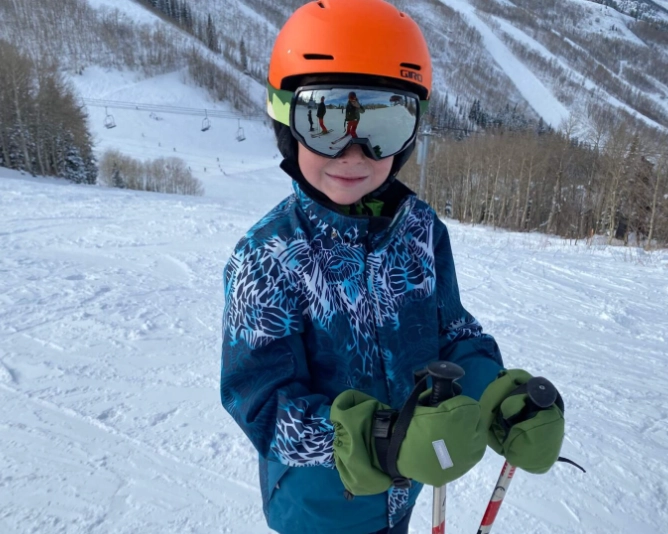
The Hood: It must fit over your helmet. Look for a stiffened peak to keep snow off your goggles and adjustable tabs to cinch it snugly.
Pockets: You need more than you think. A secure, waterproof zippered pocket for your phone and pass (chest pockets are ideal as they stay dry when falling). Handwarmer pockets with soft lining. An internal dump pocket for goggles or a hat is a luxury you'll quickly depend on.
Venting: This is your temperature control. Underarm zippers (pit zips) are non-negotiable. They let you dump heat fast without removing layers or opening the main zip to a blizzard.
Powder Skirt: A removable, elasticated skirt that snaps inside to keep snow out during a tumble. Make sure it interfaces well with your ski pants.
Cuffs: Adjustable, lined cuffs that seal over your gloves without gaping.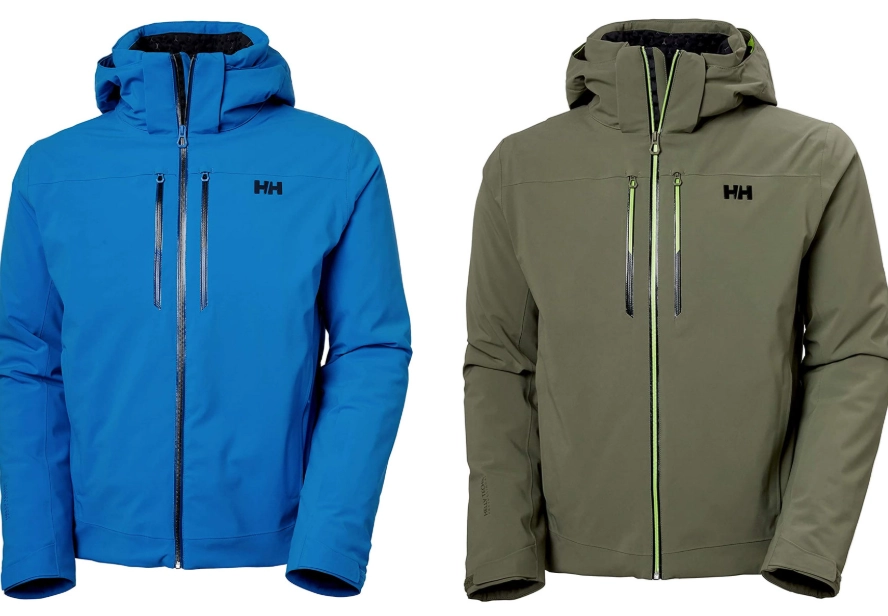
Care and Maintenance (It's Easier Than You Think)
Neglect kills performance. You don't need special services.
First, always check the care label. Generally, use a front-loading washer (no agitator) on a gentle cycle with a technical fabric cleaner (like Nikwax Tech Wash). Avoid regular detergent and fabric softener—they clog the membrane's pores. Tumble dry on low heat. This is crucial! The heat reactivates the DWR coating. A jacket fresh out of a proper wash and dry often beads water better than when it was new.
Store your jacket hanging in a closet, not crammed in its stuff sack for months. Compressing synthetic insulation long-term can reduce its loft.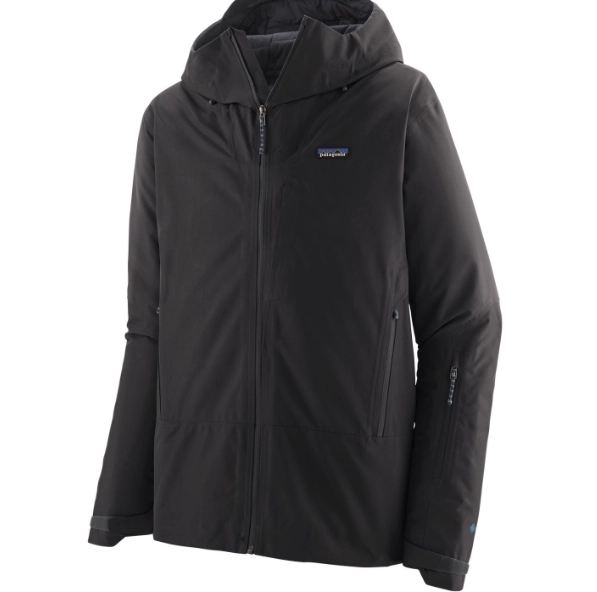
Your Insulated Ski Jacket Questions, Answered
Can I use a regular winter coat for skiing?
You can, but you'll likely be uncomfortable and risk hypothermia if conditions turn. Regular coats lack the critical combination of high waterproofing, dedicated snow-sport features (like a helmet-compatible hood and powder skirt), and breathability needed for active winter sports. They often soak through quickly and restrict movement.
How do I know if the insulation level (e.g., 60g, 80g, 100g) is right for me?
Match it to your climate and activity. For most resort skiing in moderate cold (say -5°C to -10°C), 60-80g is ample, especially if you run warm or ski aggressively. For very cold climates (-15°C and below) or if you run very cold, look at 100g+ or layered systems. Remember, you can always add a thin fleece underneath for extra warmth, but you can't remove built-in insulation if you're overheating.
My jacket is wetted out—water soaks in instead of beading. Is it ruined?
Almost certainly not. The DWR coating has worn off, but the waterproof membrane underneath is likely intact. Wash it with a technical cleaner to strip oils and dirt, then tumble dry on low heat to reactivate any remaining DWR. If it still wets out, apply a new DWR treatment (spray-on or wash-in). It's a routine maintenance step, not a sign of failure.
Is a 3-in-1 jacket a good buy for skiing?
They're convenient as an all-in-one solution, especially for variable weather. However, the outer shell and inner liner are often lower quality than dedicated, separate pieces. The fit can be compromised, and the insulation isn't as tailored. For serious skiers, buying a dedicated insulated jacket and a separate shell offers more versatility and higher performance. For casual skiers or those on a tight budget, a good 3-in-1 can work.
What's one feature most people overlook but is incredibly useful?
A goggle wipe cloth built into the end of a sleeve or in a chest pocket. It seems trivial until you're on a chairlift in falling snow with foggy lenses. It's a tiny detail that shows the brand understands the actual on-hill experience. The other is a dedicated, insulated chin guard behind the main zipper—it prevents cold metal from touching your skin.
Choosing your insulated ski jacket isn't about finding the one with the most hype or the highest price tag. It's a personal equation of climate, how you move on the mountain, and what feels right when you zip it up. Ignore the marketing that just shouts "warmest." Think about breathability, fit, and reliable waterproofing. Get those fundamentals right, and you've bought more than a piece of gear—you've bought confidence for every run, in every condition. Now go enjoy the snow.