In This Guide
- Why Bother with the Snowplough? It's More Than Just Stopping
- Building Your Snowplough Stance: From the Feet Up
- Putting It Into Motion: Stopping and Your First Snowplough Turn
- Fixing Common Snowplough Problems (The "Why Can't I...?" Section)
- From Wedge to Linked Turns: Your Progression Plan
- Gear and Terrain: Setting Yourself Up for Success
- Final Thoughts: Patience and Practice
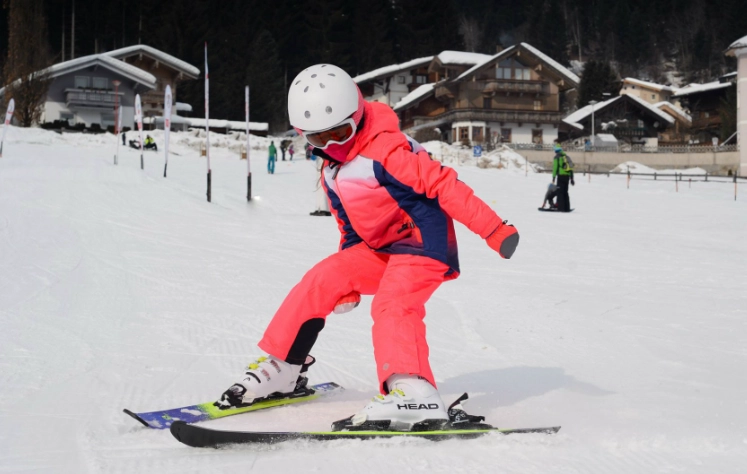
Let's be honest. Your first day on skis is equal parts thrilling and terrifying. The scenery is amazing, the air is crisp, and then you point your skis down even the gentlest slope and suddenly feel like you're on a runaway train. Your brain screams "STOP!" but your feet have other ideas. Sound familiar? If it does, you're not alone. Every single skier, from Olympic champions to your instructor, started right where you are. And the first tool they learned to control that feeling was the snowplough.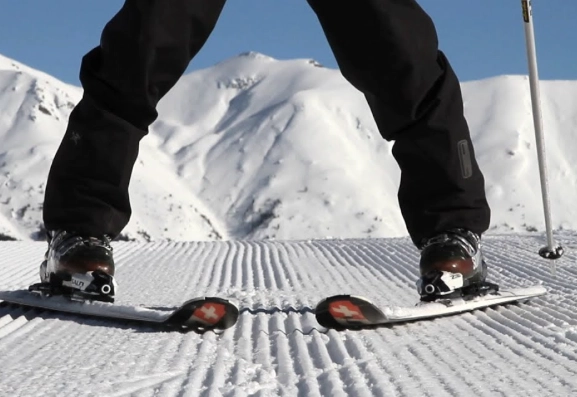
I remember my own first lesson. The instructor kept saying "make a pizza slice!" and I just couldn't get my knees to do what my brain was telling them. My skis kept crossing, and I spent more time on my backside than on my feet. It was frustrating. But once it clicked? It was like discovering a superpower. The snowplough ski position isn't just a beginner trick—it's the foundation of control. It's your emergency brake, your steering wheel, and your confidence booster all in one.
This article isn't going to throw complex physics at you. Instead, we're going to walk through the snowplough ski technique step-by-step, tackle the common problems everyone faces (I've made all these mistakes myself), and give you a clear path from shaky first attempts to linking your first smooth turns. Why should you trust me? I've taught this to hundreds of beginners over the seasons, and I've seen every possible variation of the "struggling wedge." More importantly, I remember what it feels like from the learner's side.
Why Bother with the Snowplough? It's More Than Just Stopping
You might wonder why you can't just jump to parallel skiing. I get it. Parallel turns look cool. But trying to run before you can walk on skis is a fast track to a bad time (and maybe a sore body). The snowplough is your training wheels. It teaches your muscles and your mind the essential feelings of edge control, balance, and pressure management.
Think of it this way: the snowplough turn is your gateway drug to the whole skiing experience. Master this, and you unlock the mountain. The International Ski Instructors Association (ISIA), the global body for ski instruction, lists the wedge turn as the primary building block in their teaching progression. You can see their framework for skill development on their official website. They don't start with fancy moves; they start with a solid, controllable wedge.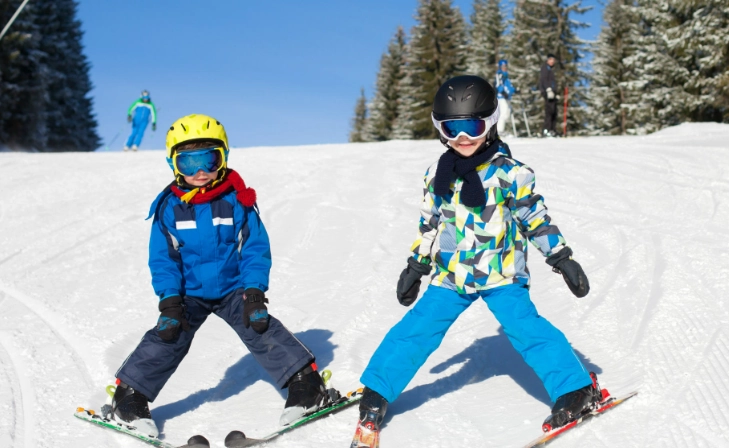
Here’s what mastering the snowplough gives you:
- Speed Control: This is the big one. Fear on skis almost always comes from feeling out of control. A reliable snowplough is your "off" switch.
- Directional Control: You learn to steer by shifting your weight, which is the core principle of all skiing.
- Balance Development: It forces you to find a centered, athletic stance over your skis.
- Confidence: Knowing you can stop at any time is the single biggest confidence builder for a new skier.
So, let's get into the nuts and bolts.
Building Your Snowplough Stance: From the Feet Up
Getting into the right position is everything. A good snowplough feels stable and strong. A bad one feels wobbly and exhausting. We'll break it down piece by piece.
Footwork and Stance: The Foundation
Forget about the slope for a minute. Let's just get the shape right on a flat, gentle area.
- Start Neutral: Stand with your skis parallel, about hip-width apart. Bend your ankles, knees, and hips slightly. Imagine you're about to jump sideways—that's the athletic "ready" position.
- Create the 'V': Now, gently push your heels out to the sides. Your ski tips should stay roughly where they are, or move slightly closer together. Your tails swing wide. You're not trying to make a perfect triangle—just a clear, wide V-shape.
- Find the Edge: As you push your heels out, roll your ankles and knees inward slightly. This engages the inside edges of your skis. This is the magic part. The edges biting into the snow are what create the braking force. If your skis are flat on the snow, you'll just slide.
What does this feel like? It should feel like you're slightly bow-legged, with pressure on the big-toe side of your feet inside your boots. If your knees are hurting, you're probably twisting them inward too much. The movement comes from the hips and ankles, not a knee twist.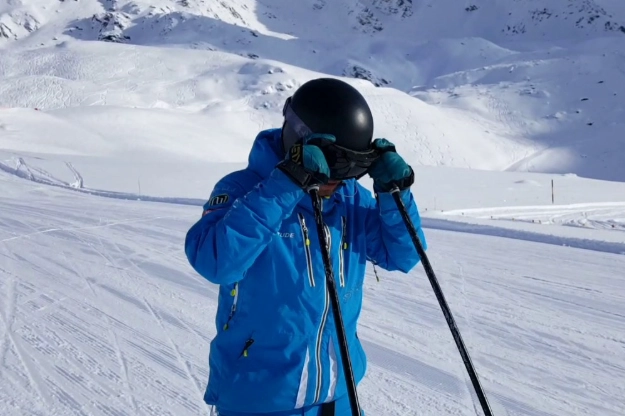
Upper Body: Don't Overcomplicate It
Your upper body's main job is to stay calm and face downhill. A huge mistake I see all the time is people turning their shoulders to look where they want to go. Your skis follow your hips and knees. If your shoulders are twisted, your whole body gets out of whack.
Keep your hands forward and visible, like you're holding a tray. This naturally keeps your weight forward, which is crucial. Leaning back is the enemy—it puts you in the passenger seat, and you lose all control over your ski edges.
Putting It Into Motion: Stopping and Your First Snowplough Turn
Okay, you've got the stance on flat ground. Now let's add a tiny bit of slope. Find the most gentle beginner hill you can. I'm talking "green circle" territory, where you can barely tell it's sloped.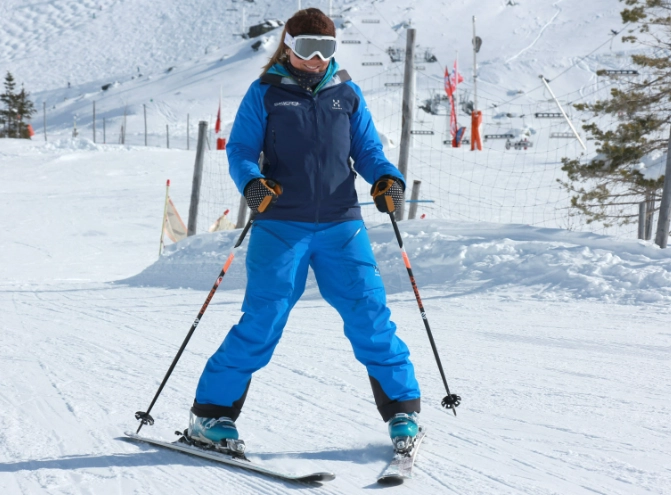
Controlling Speed and Stopping
Point your skis straight down the fall line (the path a ball would roll). You'll start to slide.
- Gradually form your wedge. As you feel yourself moving, push those heels out and roll onto your edges. Don't snap into it—ease into the position.
- Feel the brake. As your wedge widens and your edges bite, you should feel yourself slowing down. To stop completely, just widen the wedge a little more and press your edges into the snow a little harder.
Practice this: glide, make a wedge to slow, then let the skis come parallel again to glide. Do this over and over. It's the rhythm of skiing: glide, control, glide, control.
This is where the magic happens. That feeling of commanding your own speed.
How to Make a Snowplough Turn
Turning is simply an extension of slowing down. You don't turn by steering with your feet like a bike. You turn by putting more weight on one ski than the other.
- Start gliding in a medium snowplough.
- To turn right, push a little more weight onto your left ski. Really press down with that left foot, feeling the inside edge engage.
- Your right ski will naturally become lighter. Because your left ski is biting more, it will start to pull you around to the right.
- Look where you want to go (with your eyes, not your shoulders!). Your body will follow.
- To come out of the turn and straighten up, ease the pressure back so it's equal on both feet.
To turn left, do the opposite: put more weight on your right ski. It's that simple in theory. In practice, it takes coordination. A lot of people think they're putting weight on one foot, but they're not committing. You have to really trust that edged ski.
Now, let's talk about what goes wrong. Because it will.
Fixing Common Snowplough Problems (The "Why Can't I...?" Section)
Everyone hits these roadblocks. Identifying them is half the battle.
| Problem & Symptom | Likely Cause | The Quick Fix |
|---|---|---|
| "My skis keep crossing!" The tips crash into each other, and you trip. | You're focusing on pulling the tips together instead of pushing the tails apart. Knees and thighs are rotating inward too aggressively. | On flat ground, practice pushing only your heels out. Keep your knees pointing in the same direction as your ski tips. Think "heels apart, knees forward." |
| "I can't turn, I just go straight!" You shift your weight but nothing happens. | You're leaning your whole body into the turn, or you're not committing to the pressure. Your skis might also be too flat (not on edge). | Keep your upper body facing downhill. Isolate the movement to your lower body. Before you try on a slope, on flat snow, get in a wedge and practice lifting one ski completely off the snow. Feel that total commitment of weight to the other foot. That's the feeling you need. |
| "My legs are on fire!" Muscle burn in the thighs after a short time. | You're in a static, tense position, holding the wedge with brute muscle force. You're also probably leaning back, putting strain on your quads. | Skiing should use dynamic movement, not static holding. Let your legs be springs. Focus on staying forward over your boots. Practice making your wedge bigger and smaller as you glide to remind your muscles to move, not lock. |
| "I pick up too much speed in my turn!" You start turning but accelerate around the corner. | You're letting your wedge collapse. As you pressure the outside ski, you're allowing the inside (light) ski to drift back to parallel. | Consciously maintain the V-shape with both skis throughout the entire turn. The inside ski should still be on its inside edge, just with less pressure. Think of it as a "guiding ski" that maintains the wedge shape. |
See? You're not broken. These are universal issues. The table above covers about 90% of the frustrations I hear in a beginner lesson. Work on one fix at a time.
From Wedge to Linked Turns: Your Progression Plan
You shouldn't stay in a snowplough forever. The goal is to use it as a stepping stone to more efficient, parallel skiing. Here's a natural progression I use with students. Don't rush it. Spend a whole day (or several) on each step until it feels comfortable.
Step 1: The Basic Wedge and Stop
Master controlling your speed and coming to a complete stop from a straight run on a very gentle slope. Goal: Stop confidently anywhere.
Step 2: Single Snowplough Turns
Practice turning from a straight run all the way across the slope until you stop. Make a big, wide, comfortable turn. Do ten to the right, then ten to the left. Goal: Understand weight transfer.
Step 3: Linked Wedge Turns (The "Fall Line" Challenge)
This is the big leap. Instead of turning across the hill to stop, you link turns together through the fall line. You go right, then immediately left, then right again, making a S-shaped path down the mountain.
The key here is the transition. As you finish one turn, you gradually shift your weight to the new outside ski to start the next turn. Your wedge never fully disappears; it just gets smaller in the transition and then widens again as you complete the next turn. This is what people mean when they talk about snowplough skiing as a complete skill—the ability to rhythmically link turns to descend in control.
Step 4: Shrinking the Wedge
As your balance and edge control improve, your linked turns will naturally become more fluid. Your wedge will get smaller and smaller during the transition between turns. The inside ski will start to match the angle of the outside ski earlier and earlier. This is the beginning of the parallel turn. Don't force it. Let it happen naturally as you gain confidence and skill.
This progression isn't a race. I've seen athletic people breeze through it in a day, and others take a whole season to feel good in Step 3. Both are perfectly fine. Skiing is for fun, not for stress.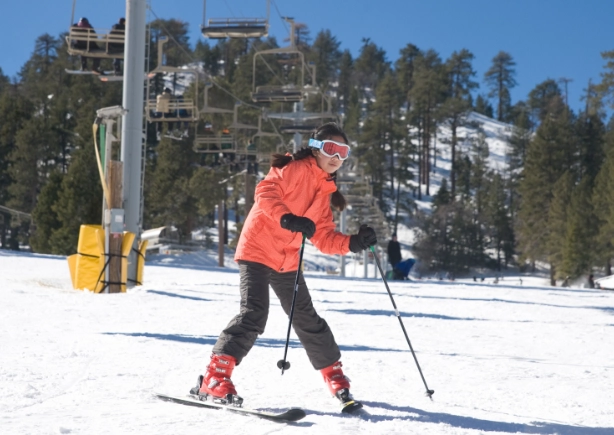
Gear and Terrain: Setting Yourself Up for Success
Your equipment and where you practice matter more than you think.
Ski Length & Type: As a beginner, you want shorter skis. They are easier to pivot and control. Most rental shops will set you up correctly if you tell them you're a first-timer. Modern "shape skis" with a pronounced sidecut (an hourglass shape) are fantastic—they literally want to turn when you put them on edge.
Boots: This is critical. Your boots are your control center. They must be snug—not painfully tight, but with no heel lift when you lean forward. A loose boot means you can't precisely transfer movement to your ski. Buckle them properly! This is the number one gear mistake beginners make.
Terrain: Practice on a designated beginner slope (green circle). These are graded not just for gradient but also for being wide, smooth, and not too crowded. Avoid the temptation to follow friends onto a steeper blue run until your wedge turns are absolutely automatic. A slope that's too steep will trigger panic, which ruins technique.
For authoritative information on slope grading and safety, the National Ski Patrol (NSP) website is an excellent resource. They are the professionals who ensure mountain safety.
Final Thoughts: Patience and Practice
The snowplough ski technique is the most important thing you'll learn as a new skier. It might feel awkward at first. It might not look as cool as the skiers whizzing past you. Ignore that. They all started here.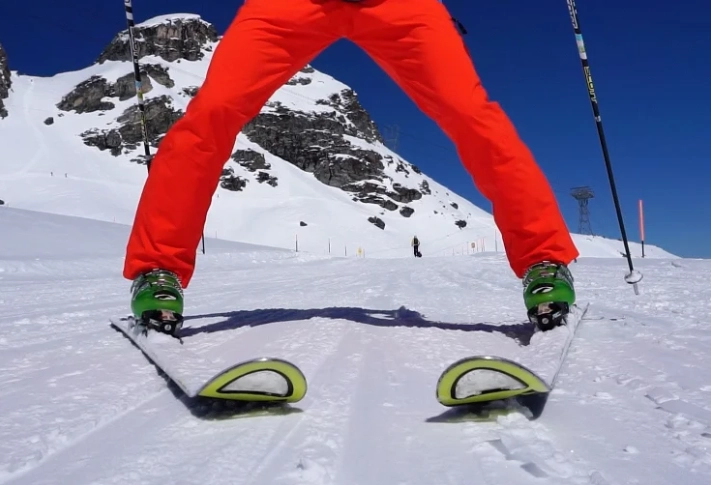
Focus on the feeling of control. Celebrate the small wins: the first time you stop exactly where you meant to, the first linked turn that actually feels linked, the moment you realize you're not thinking about your feet anymore because you're just enjoying the ride down.
That's the goal.
Skiing is a journey of incremental skills. The snowplough is your first, and most crucial, step. Master it, build on it, and the whole mountain will open up for you. Now go get some snow under those edges.