You just spent a small fortune on your ski setup. The last thing you want is to walk out of the lodge after a hot chocolate break and find an empty spot where your skis were. It happens more than you think. I've seen the panic, the frustration. A stolen ski day isn't just an inconvenience; it's a financial hit and a mood killer. But here's the straight truth: most ski theft is a crime of opportunity, and you can eliminate that opportunity with a few smart habits and the right gear. This isn't about paranoia; it's about practical security so you can relax and enjoy the mountain.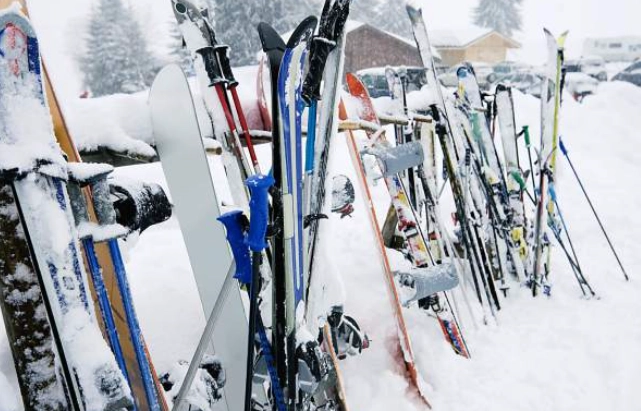
What You'll Learn in This Guide
Why Your Ski Gear Is a Prime Target for Thieves
Let's be clear. Thieves aren't master criminals plotting elaborate heists. They're looking for the quickest, easiest score. A high-end pair of skis or a snowboard can be resold for hundreds of dollars with zero effort. The environment is perfect for them: crowded racks, distracted people in bulky gear, and a general atmosphere of trust. Everyone's focused on having fun, not on security. Resorts like Vail and Whistler have great patrols, but they can't watch every rack. The responsibility, ultimately, falls on you.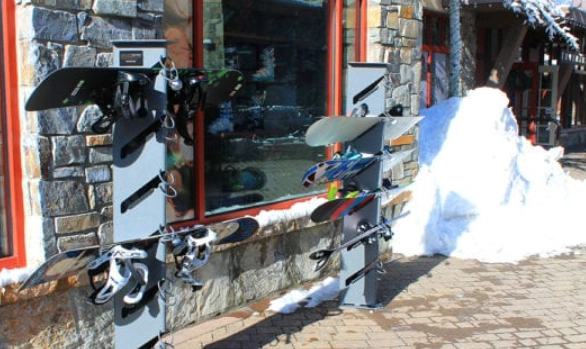
I remember a season working at a Colorado resort where we'd see a handful of theft reports every week, almost always from the racks closest to the main base lodge bars. Convenience for you is convenience for them.
Your 5-Point Prevention Playbook (By Location)
Security isn't one-size-fits-all. Your strategy changes depending on where you are on the mountain.
1. At the Ski Rack (Your Primary Defense Zone)
This is ground zero. Never, ever just click in and walk away.
Always use a lock. I don't care if it's "just for five minutes." That's all it takes. Use a cable lock threaded through the frame of both skis or the snowboard, then around the rack. If you have poles, loop the strap through the cable too. A simple deterrent is often enough.
Mix and match. This is an old-school trick that works. Don't put both of your skis in the same rack slot. Put the left ski in one slot and the right ski in another a few feet away, locking them together through the rack. A thief would have to cut two locks or dismantle the rack to get a usable pair.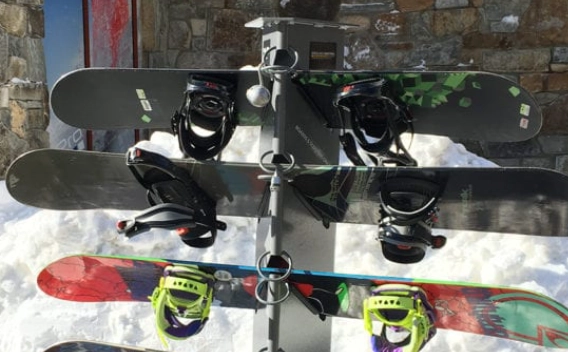
2. On the Chairlift & In Lift Lines
You'd be surprised. I've heard stories of people having a pole casually plucked from their hand in a crowded lift maze. Keep your gear close. In lift lines, keep your skis vertical and in front of you, not dragging behind where you can't see them.
3. At the Lodge or Restaurant Deck
This is a major hotspot, especially for long, leisurely lunches. You're inside, relaxed, and your gear is outside unattended for an hour or more.
If you're sitting on a deck where you can see your skis, that's better, but not foolproof. Still use a lock. If you're going inside where you lose sight of them, locking is non-negotiable. Some upscale restaurants in Aspen or Deer Valley even have valet ski check—use it if available.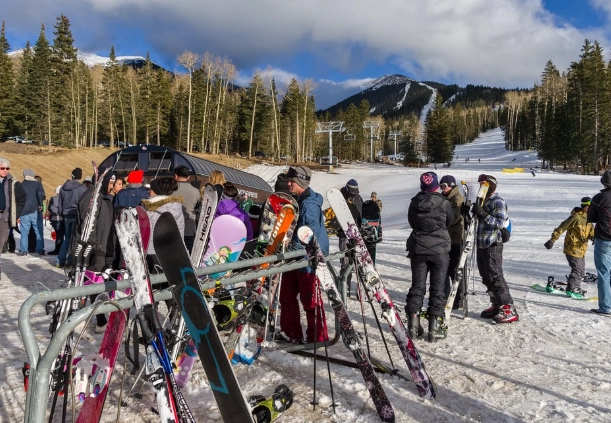
4. In Your Vehicle
Parking lots are a goldmine for thieves. Never leave skis, boards, or boots visible in your car. Not in the trunk if it's hatchback and people can see in. Put them in the trunk of a sedan out of sight before you get to the resort parking lot. If you have a truck with a locked, hard-shell cap, that's a good option. Roof boxes are generally secure but make sure the locks are robust.
5. At Your Accommodation
Don't leave gear on a balcony or in an unlocked ground-floor ski locker. Use the locked storage provided by the hotel or condo. If you're in an Airbnb, ask the host about secure storage before you book.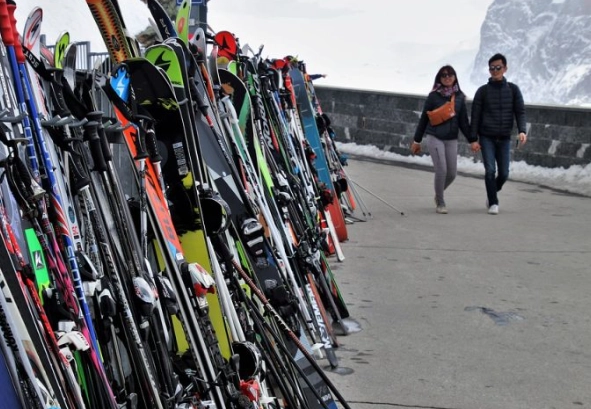
How to Choose the Right Ski Lock: A Practical Breakdown
Not all locks are created equal. The "best" lock is the one you'll actually use every time. Here’s a look at the main types.
| Lock Type | How It Works | Best For | What to Watch For |
|---|---|---|---|
| Cable Lock (Combination) | A flexible steel cable with a combination dial. Threads through skis/board and rack. | Most skiers. Easy, fast, no key to lose. Great for quick stops. | Cheap cables can be cut with bolt cutters. Look for a thick, sheathed cable (6-8mm+). |
| Cable Lock (Keyed) | Same as above, but uses a key. | Those who prefer a key or want a slight deterrent upgrade. | You must keep the key accessible (zipper pocket!). Losing it is a hassle. |
| U-Lock / D-Lock | A rigid, hardened steel shackle. Offers the highest physical security. | High-risk areas, expensive gear, or overnight storage. | Bulky to carry. Can be harder to fit on some ski rack designs. |
| Integrated Brake Lock | A simple latch that connects the ski brakes, preventing the ski from sliding. | A minimal, better-than-nothing deterrent. Often built into ski straps. | Does not attach your gear to a rack. Someone can still pick up and walk away with your skis. |
My personal go-to is a thick combination cable lock. It lives permanently in my jacket pocket. The convenience means I never have an excuse not to use it. Brands like Kryptonite or Master Lock make solid options. For ultimate security, pair a short cable lock with a small U-lock.
The 3 Most Common Mistakes Even Experienced Skiers Make
After a decade on the slopes, you see patterns. These are the subtle errors that lead to most "I can't believe it happened to me" stories.
1. The "Pole Problem." Everyone locks their skis, but they leave their $200 poles leaning against the rack, held only by the strap looped over a ski tip. A thief can snap that strap and be gone in a second. Always thread your pole straps through your cable lock or use a separate small lock for them.
2. Trusting the "Temporary Hold." You ask a stranger or a shop attendant, "Can you watch my skis for a minute?" They always say yes. They also get distracted immediately. Never do this. If you must leave them unattended, even briefly, lock them. Period.
3. Ignoring the Obscure Spot. People think hiding skis behind a dumpster or at a faraway, empty rack is safer. It's the opposite. It gives a thief privacy and time to work. A crowded, well-lit rack near a main door is often safer because there are constant witnesses.
Your Ski Theft Questions, Answered
Look, skiing is about freedom and joy. The shadow of theft shouldn't take away from that. A little bit of strategy—a lock in your pocket, a habit of using it, and an awareness of your surroundings—buys you immense peace of mind. Now go lock those sticks and enjoy the fresh tracks.