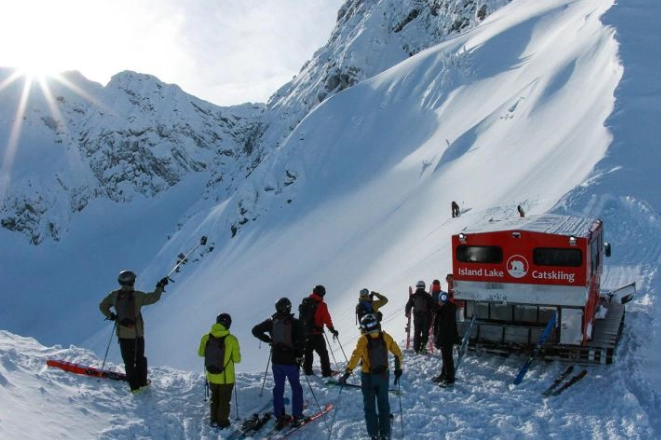
So you're standing at the top of a mountain, looking down a perfectly groomed blue run. It's fun, it's fast, it's... predictable. Then you glance to the side, into the trees or across an untouched bowl of deep snow. That's the off-piste. The call of the wild. It's where the Instagram shots come from, but also where things get real, fast. Choosing between piste and off-piste skiing isn't just about skill—it's about understanding two completely different sports with different rules, risks, and rewards. I've spent over a decade guiding people in both worlds, and the biggest mistake I see? Skiers treating off-piste like it's just an ungroomed version of the piste. It's not. Let's break it down so you can make smart, safe choices out there.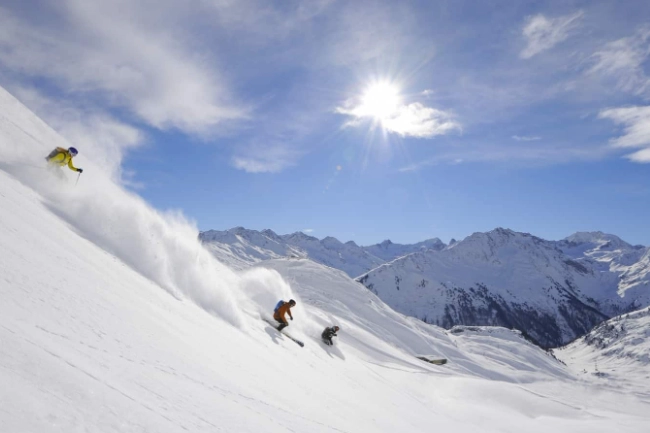
Your Quick Terrain Guide
What Are We Actually Talking About?
First, let's get the definitions crystal clear, because people mess this up all the time.
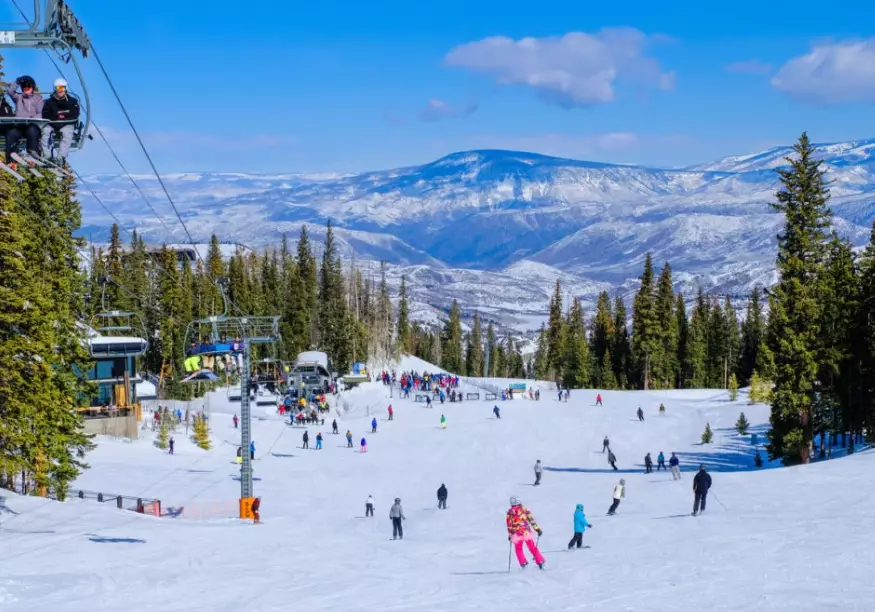
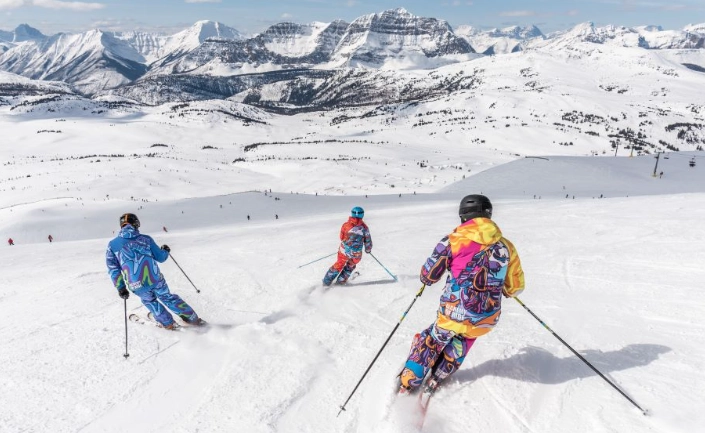
Piste Skiing (On-Piste): This is skiing on marked, groomed, and patrolled ski runs within a resort's boundary. Think of it as the highway system of the mountain. The snow is mechanically packed and smoothed (groomed) by snowcats, the runs are clearly signposted by color (green, blue, red, black indicating difficulty), and they are regularly monitored by the resort's ski patrol. Your lift ticket covers you here. It's controlled, predictable, and designed for recreational skiing.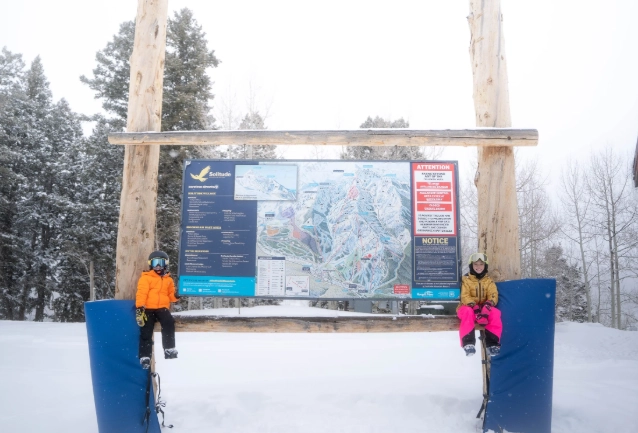
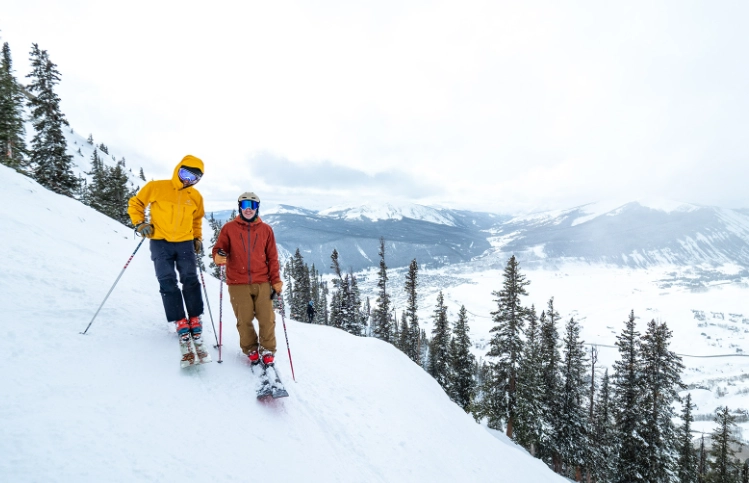
Off-Piste Skiing: This means skiing on un-groomed, natural snow, outside of the marked and prepared runs. The key here is outside the marked runs. It can be the powder field just next to a piste (often called "side-country" or "off-piste within resort boundaries") or deep in the backcountry, miles from any lift. The snow is in its natural state—powder, crust, wind slab, you name it. There are no signs, no grooming, and crucially, avalanche control is typically not performed by the resort patrol once you leave the marked area.
Then there's Backcountry Skiing (Tourning): A subset of off-piste. This specifically involves using climbing skins and touring bindings to hike up mountains under your own power, far from any ski lifts, to then ski down untouched terrain. It's the purest and most demanding form of off-piste.
A Crucial Distinction Many Miss
"Off-piste" and "out-of-bounds" are not always the same. In European resorts like Chamonix or Verbier, huge amounts of off-piste terrain are accessible by lift but are not patrolled or controlled for avalanches. In many North American resorts, stepping "out-of-bounds" often means leaving the resort's responsibility entirely, sometimes through a gate. Always, always check the local resort policy and hazard board. Assuming you're safe because you took a lift up is a classic and dangerous error.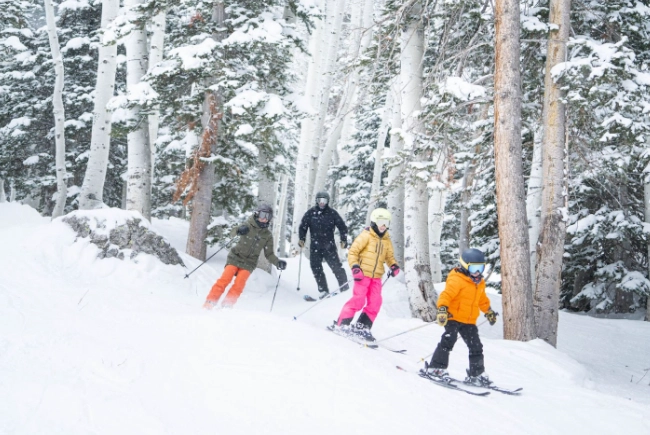
The 5 Pillars of Difference
This isn't just about snow. It's about the entire experience. Here’s the core breakdown that matters when you're planning your day.
| Aspect | Piste Skiing | Off-Piste Skiing |
|---|---|---|
| Terrain & Snow | Predictable, groomed surface. Consistent difficulty as signposted. Man-made or groomed snow. | Unpredictable, natural snow (powder, crud, crust). Hidden obstacles (rocks, stumps, creeks). Variable pitch and features. |
| Navigation & Wayfinding | Follow the colored signs and the map. Easy to find your way back to lifts/lodges. | Requires mountain knowledge, map reading, GPS skills. Easy to get lost or end up in a terrain trap (a gully you can't ski out of). |
| Safety Infrastructure | Patrolled. Avalanche controlled (on-piste). Quick access to ski patrol and first aid. | Not patrolled. Self-rescue only. Avalanche risk is your responsibility. No marked hazards. |
| Required Skill Set | Solid turning, stopping, and speed control on hardpack. Fitness for repeated descents. | Advanced powder skiing technique, fall-line skiing, tree navigation, variable snow management. Plus avalanche education (AST 1/AAI Level 1 minimum). |
| Mindset & Objective | Recreation, fun, social, improving technique on a reliable surface. | Adventure, exploration, connection with nature. Requires constant risk assessment and decision-making. |
See the shift? Piste skiing is a leisure activity with managed risk. Off-piste skiing is a mountain sport where you are the primary risk manager.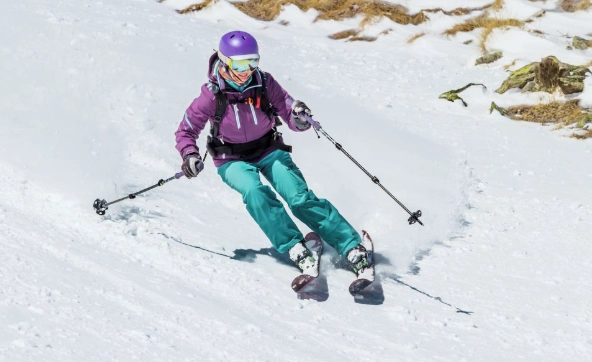
How to Choose: A Realistic Flowchart for Your Day
Forget vague advice. Use this mental checklist before you point your skis off the side of the run.
Step 1: The Avalanche Bulletin Check. This is non-negotiable. Before you even have breakfast, check the local avalanche forecast (e.g., from Avalanche Canada or the European Avalanche Warning Services). Is the danger rating Considerable (3) or above? If yes, your off-piste plans should be shelved or drastically scaled back to very simple, low-angle terrain. A common trap is thinking "I'll just go a little way in." Slopes don't care about your intentions.
Step 2: The Gear Audit. Do you have the full safety kit (transceiver, probe, shovel) and does everyone in your group know how to use it? Not just "I watched a video," but have you practiced a multiple-burial search this season? If not, stay on-piste.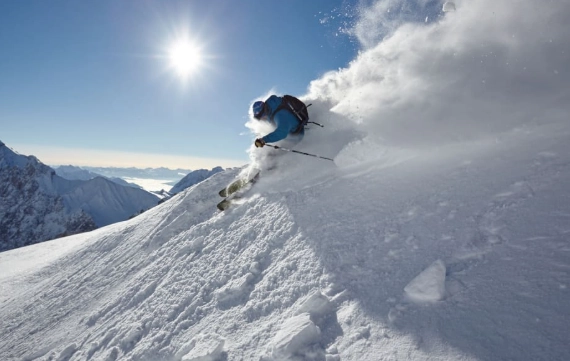
Step 3: The Group Factor. Are you with people you trust, with similar or better skill and knowledge levels? Or are you with a mixed-ability group where peer pressure might push someone into terrain they can't handle? The weakest member sets the group's limit.
Step 4: The Energy & Conditions Reality Check. It's 2 PM, you're tired, and the sun has turned that beautiful powder into heavy, sticky cement. Pushing for one more off-piste run now is when most minor injuries and poor decisions happen. Switching back to the piste isn't a failure; it's smart mountain sense.
My personal rule? If there's hesitation or debate on any of these points, we ski the piste and have a brilliant, safe day. The mountains aren't going anywhere.
The Gear Divide: What You Really Need
The gear difference is massive, and renting the wrong stuff can ruin your day or put you in danger.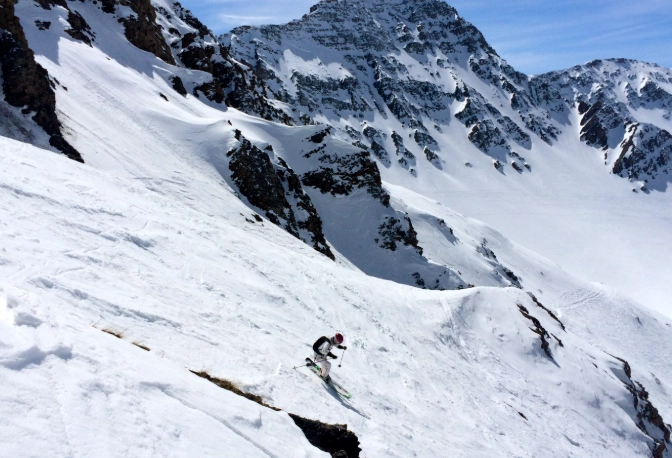
Piste Skiing Gear
- Skis: Carving skis or all-mountain skis with camber. They're designed to grip on hard snow. Widths typically 70mm-90mm underfoot.
- Boots: Comfort and performance fit for hardpack turns. Stiffness matched to your aggressiveness.
- Clothing: Standard ski jacket and pants. Focus on warmth and weather resistance.
- Extras: Helmet (essential), goggles, poles. That's your core kit.
Off-Piste Skiing Gear (The Mandatory Extras)
- Skis: Wider, often 95mm-115mm+ underfoot, with rocker in the tip and tail. This helps them float in powder and handle variable snow. Much harder to turn on icy pistes, though.
- Safety Trilogy (ABSOLUTELY NON-NEGOTIABLE):
- Avalanche Transceiver (Beacon): Must be a modern digital 3-antenna model. Practice with it.
- Avalanche Probe: A collapsible pole to locate a buried victim. Not a tent pole.
- Avalanche Shovel: A metal, sturdy shovel with an extendable handle. Plastic shovels break.
- Backpack (Airbag Optional but Recommended): A dedicated pack (20L-35L) to carry your safety gear, water, layers, and repair kit. An avalanche airbag backpack can significantly increase survival chances.
- Clothing: More layering options. You'll work harder hiking or skiing powder. A shell jacket and pants are often better than a bulky insulated suit.
The Rental Trap: Many shops rent "off-piste packages" with skis and safety gear. This is great, but never assume the rental staff have given you a beacon tutorial. You must take a course (like the AIARE Level 1 or its regional equivalent) to understand how to use this lifesaving equipment properly. Renting a beacon without training is like renting a parachute without knowing how to pull the ripcord.
Safety: The Non-Negotiable Kit & Knowledge
We've touched on it, but this deserves its own spotlight. Off-piste safety isn't a checkbox; it's a system.
1. Education Before Recreation: An avalanche safety course is your entry ticket. It teaches you how to read the bulletin, identify terrain traps (like convex slopes, gullies, and areas below cornices), perform a companion rescue, and make go/no-go decisions. The International Ski Instructors Association (ISIA) and national alpine clubs consistently stress this as the first step.
2. The Essential Pre-Ride Ritual:
- Beacon Check: Every person, every time you enter off-piste terrain. Transmitters on send, receivers on receive. No exceptions.
- Plan & Communicate: "We're skiing this bowl, regrouping at that tree island. If we get separated, we meet back at the lift."
- Ride One at a Time: In exposed avalanche terrain, only one person should be on the slope at a time. The others watch from a safe spot (an "island of safety").
3. Know Your Limits (The Ego Check): The most dangerous piece of equipment is the one between your ears. Just because you see tracks doesn't mean it's safe. Just because you're a strong piste skier doesn't mean you're a competent off-piste skier. They use different muscles and techniques. Fatigue leads to poor technique, which leads to falls in dangerous places.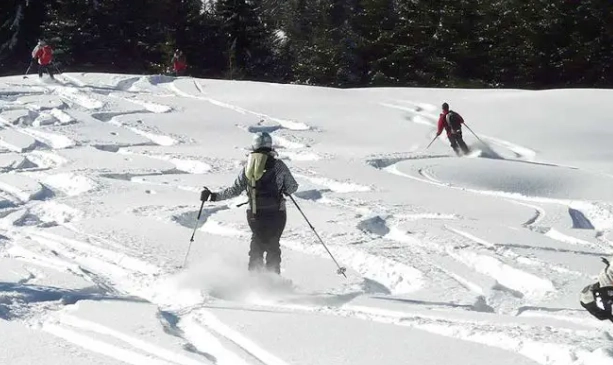
The Real Cost Comparison
Let's talk money, because off-piste isn't just a skill jump; it's a financial one.
Piste Skiing Day Cost: Lift ticket ($100-$200), standard ski rental ($40-$60/day), maybe a lesson. Your main investment is the lift access.
Off-Piste Skiing Day Cost (Start-Up):
- Avalanche Course: $300 - $600 (one-time, but the most important cost).
- Safety Gear (Beacon, Probe, Shovel): $400 - $1000+ for reliable gear.
- Airbag Backpack: $600 - $1200 (optional but highly recommended).
- Off-Piste Ski Rental: $60 - $90/day.
- Guide Service (The Smartest Investment for Beginners): $300 - $600 per person for a day. They provide terrain knowledge, safety, and instruction.
See the gap? Getting into off-piste has a significant upfront cost for education and equipment. Trying to shortcut this is the definition of false economy. A guided day is often the perfect and safest introduction—you learn while you ride in managed terrain.