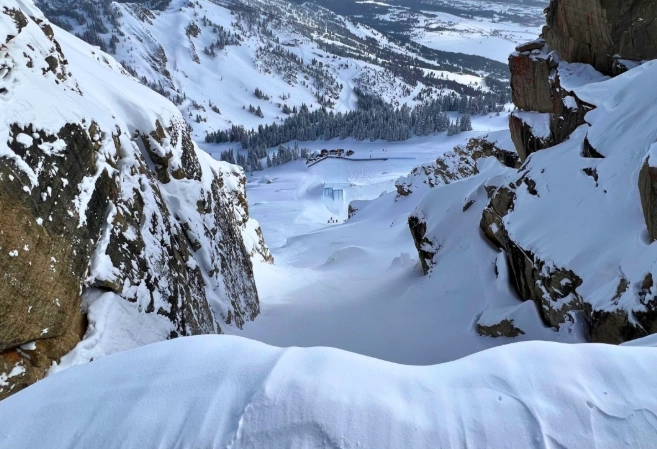
You stare up at the untouched slope above the resort boundary, a quiet line of powder beckoning. That's the pull of ski touring. It's not just skiing; it's earning your turns, finding silence in the mountains, and accessing snow that feels like it's yours alone. If the idea of backcountry skiing for beginners feels intimidating—all that gear, avalanche talk, the sheer unknown—that's normal. I felt the same way over a decade ago. But here's the truth: starting ski touring is less about being an expert mountaineer and more about smart preparation and respecting a simple set of rules. This guide strips away the mystique and gives you the actionable steps to plan a safe, enjoyable first tour.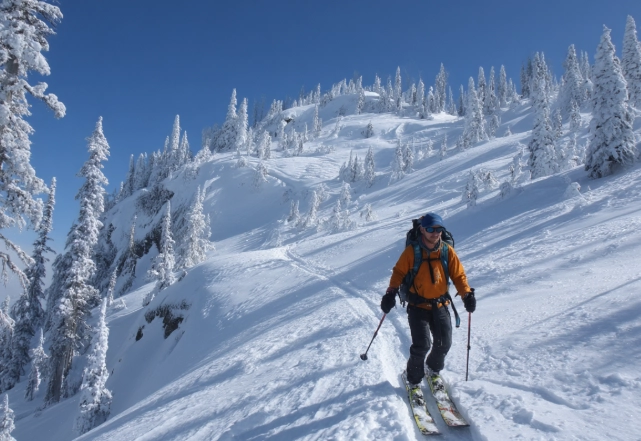
What You'll Find in This Guide
Why Start Ski Touring? Beyond the Powder Dream
Sure, the dream of deep powder is a big draw. But the real rewards of ski touring for beginners often sneak up on you. It's the workout that feels purposeful—climbing a mountain under your own power. It's the complete silence you only find away from ski lifts. It's the problem-solving: reading a map, assessing a slope, working as a team.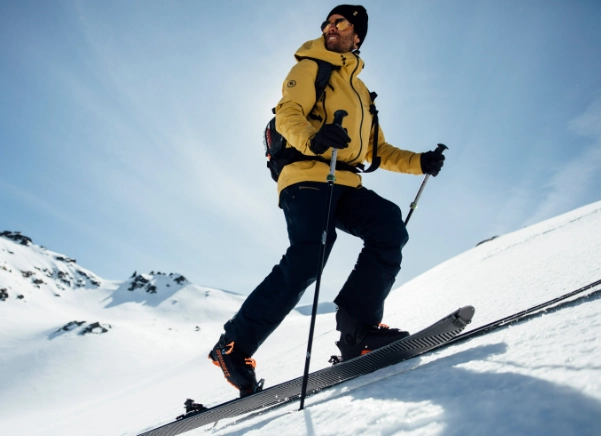
Think of it as hiking, but with a fantastic downhill reward. You control the pace. You pick the route. It's freedom, packaged in cold air and burning thighs.
But let's be clear: this freedom comes with responsibility. The backcountry has no ski patrol, no marked trails, no groomed slopes. That's why the next sections are crucial.
How to Choose Your First Ski Touring Gear (Without Going Broke)
Gear is the biggest initial hurdle. You need equipment that climbs uphill efficiently and skis downhill competently. The good news? You don't need the lightest, most expensive kit to start. Durability and ease of use matter more.
Here’s a breakdown of the absolute essentials for your first backcountry skiing setup: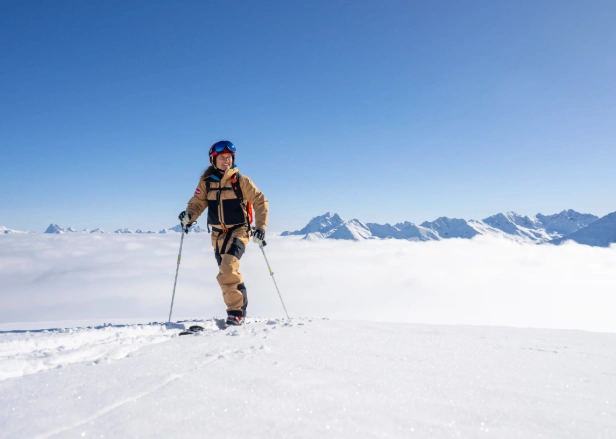
| Gear Category | Beginner-Friendly Choices & Why | Approx. Cost (USD) |
|---|---|---|
| Ski Touring Skis | Look for "all-mountain" touring skis, 90-100mm underfoot. They're stable for downhill and wide enough for soft snow. Avoid ultra-light race skis—they're twitchy for new skiers. | $500 - $800 (new) |
| Touring Bindings | Hybrid bindings (like the Salomon/Atomic Shift, Marker Duke PT) are perfect. They ski like a resort binding but have a walk mode. Pure pin bindings are lighter but less forgiving. | $400 - $600 |
| Touring Boots | This is where you should try on multiple pairs. Fit is king. Look for a boot with a decent range of motion (around 50-60°) and a walk mode. Don't sacrifice downhill performance for a few grams of weight. | $500 - $800 |
| Climbing Skins | They attach to the base of your skis to provide grip for the ascent. Get them trimmed perfectly for your skis at a shop. Synthetic mohair/nylon blends are a great all-rounder. | $150 - $250 |
| Avalanche Safety Kit | Non-negotiable. Transceiver, probe, shovel. Buy new, and know how to use them. This isn't gear to cheap out on. More on this below. | $400 - $600 (for the set) |
| Poles | Adjustable poles are a must. You'll want them longer for climbing, shorter for descending. | $80 - $150 |
My advice? Rent first. Many specialty shops offer complete ski touring for beginners rental packages. It lets you try the sport and understand what you like before dropping $2,000. I rented for my first full season, and it was the best decision I made.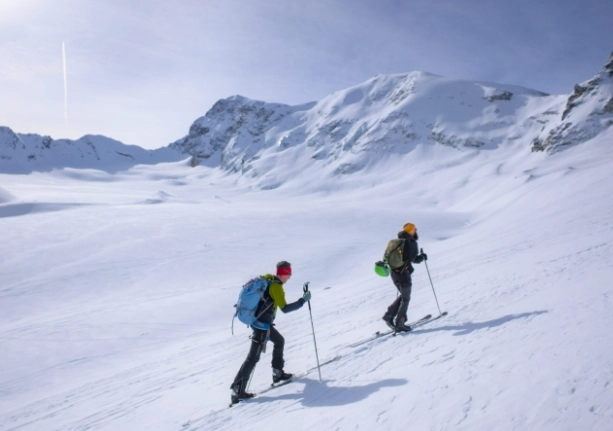
The Backpack & Layers: What You'll Wear and Carry
You'll need a backpack (25-35 liters) designed for ski touring, with straps for skis and a dedicated pocket for your avalanche probe. For clothing, think in layers. You'll heat up on the climb and cool down fast on the descent.
Base Layer: Merino wool or synthetic. Avoid cotton—it traps sweat and makes you cold.
Mid Layer: A light fleece or insulated jacket you can vent easily.
Shell Layer: A waterproof, breathable jacket and pants. This is your shield against wind and snow.
Pack extra: a warm puffy jacket for breaks, gloves, a hat, sunglasses, and ski goggles. Always carry more food and water than you think you'll need. A liter of water is a good starting point.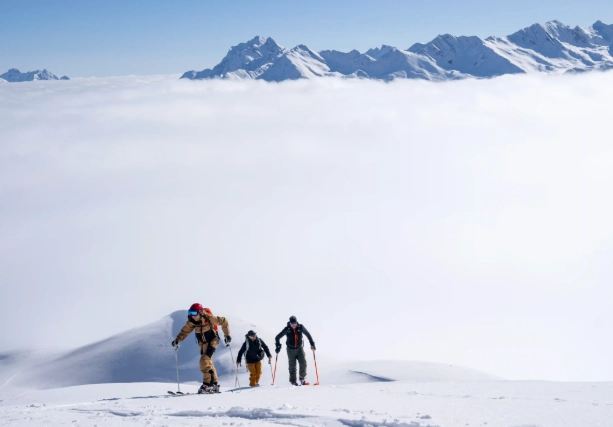
The Non-Negotiables: Avalanche Safety for Beginners
This is the most important part of the guide. Avalanche terrain is complex, and this is no substitute for formal education. Consider this your pre-course reading.
For beginner ski touring, your safety strategy rests on three pillars:
1. Get Educated. Take an Avalanche Skills Training (AST) 1 course. In the US, look for courses from the American Institute for Avalanche Research and Education (AIARE). This course teaches you how to read avalanche forecasts, identify dangerous terrain, and perform companion rescue. It's the single best investment you can make.
2. Get the Gear and Practice. Your transceiver, probe, and shovel are useless if you don't know how to use them quickly under stress. Practice with your partners in a park before you go. Time yourself. A buried companion has minutes, not hours.
3. Get the Forecast and Pick Terrain Accordingly. Always check the regional avalanche forecast (like from your local avalanche center) the night before and the morning of your tour. For your first dozen trips, stick to simple terrain.
Planning Your First Tour: A Real-World Example
Let's make this concrete. Imagine you're in Colorado, you've taken your AST 1, and you want to plan a safe first day.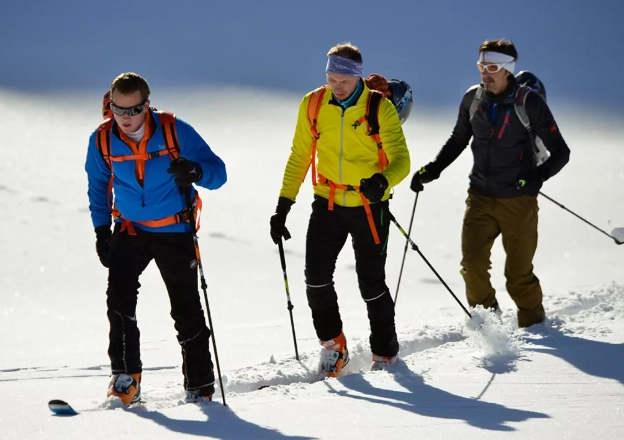
Step 1: The Forecast. You check the Colorado Avalanche Information Center (CAIC) forecast for the Front Range zone. It says "Moderate" danger at treeline. You note the primary concern is wind-loaded slopes on northerly aspects.
Step 2: Choose a Objective. You pick a known beginner-friendly tour: the Butler Gulch trail near Berthoud Pass. It's popular, has a gentle ascent route through trees, and the final bowl is often below 30 degrees. You confirm the aspect is mostly east-facing, not the problematic north aspect mentioned in the forecast.
Step 3: Gear & Team. You pack all the essentials from the table above. You're going with two friends who also have their gear and training. You agree to meet at the trailhead at 8:00 AM.
Step 4: The Tour Day. You do a transceiver check in the parking lot. You discuss the plan: climb the established skin track, take a break at the top of the trees, assess the open bowl, and only ski it if everyone feels good about the conditions. You'll descend the same way you came up.
Step 5: On the Move. You climb, taking breaks. You're working hard, but it feels good. At the top of the trees, you look at the bowl. The snow looks consistent, no cracking or collapsing. You stick to the skier's right where it's mellower. The run down is 400 feet of blissful, quiet powder. You're hooked.
That's the template: forecast, simple objective, trusted partners, constant communication.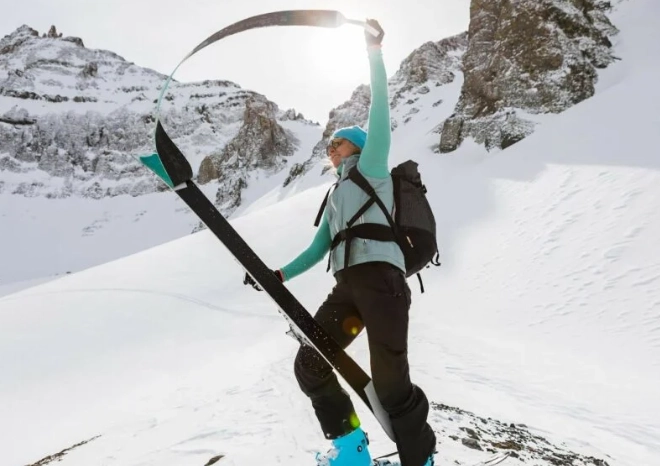
3 Beginner Mistakes Even Smart People Make
I've made these. My partners have made these. Learn from us.
1. Overdressing for the Uphill. You start cold in the parking lot, so you layer up. Ten minutes into the climb, you're a sweaty mess. That moisture will freeze on the descent. Start cold. You should feel slightly chilly for the first 5-10 minutes of climbing. Unzip vents early and often.
2. Ignoring Transitions. The switch from climb mode to ski mode takes practice. Fumbling with frozen bindings, stuffing wet skins into your jacket (protip: put them *inside* your jacket against your base layer to keep them warm and pliable), and getting organized eats time and warmth. Rehearse the sequence at home.
3. "Summit Fever" on a Timeline. You told your partner you'd be back by 2 PM. It's 1:30, and you're not at the top yet. The instinct is to rush. This is when you cut corners, skip checks, and make poor decisions. Your turn-around time should be a hard rule, not a suggestion. The mountain will be there another day.
Your Ski Touring Questions, Answered
The path into the backcountry starts with a single step—or rather, a single skin track. It's a sport that rewards humility, preparation, and respect for the mountains. Get the training, get the right beginner ski touring gear, start small, and you'll unlock a lifetime of adventure. See you out there.