Quick Navigation
So you're searching for "what is a tow rope called?" Maybe your car's stuck in a muddy ditch after a surprise downpour, or you're just getting your off-road kit together and realized the jargon is a mess. I've been there. You walk into an auto shop or browse online, and you're hit with a dozen names: tow strap, recovery strap, kinetic rope, snatch strap, tow rope... is there even a difference?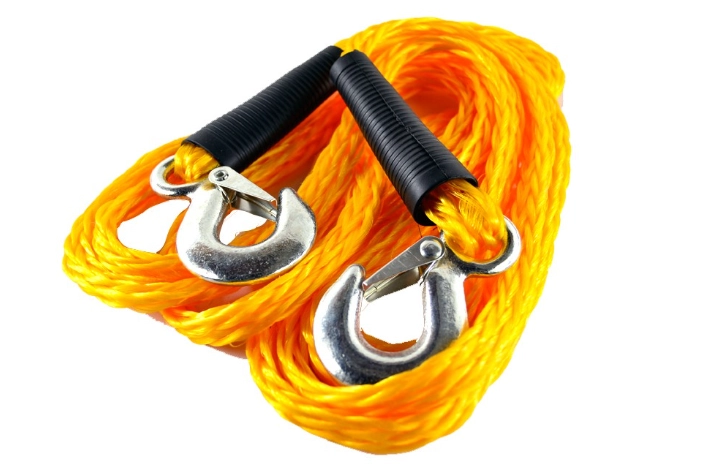
Let's cut through the noise right away. Most people casually call it a tow rope. But that's the generic, catch-all term, like calling every tissue a Kleenex. In the serious world of vehicle recovery and towing, the specific name matters—a lot. Using the wrong one isn't just about semantics; it can be dangerous, damaging, or just plain useless for your situation.
The short, direct answer? It's most accurately called a tow strap or a recovery strap. But which one you need depends entirely on what you're trying to do. A "tow strap" is generally for simple, slow, straight-line pulls. A "recovery strap" (often called a kinetic or snatch strap) is a stretchy tool for yanking a vehicle out of being stuck. They are not the same thing.
I learned this the hard way years ago. I bought a cheap, flat yellow strap with metal hooks because it was sold as a "tow rope." Tried to use it to help a friend whose truck was bogged in soft sand. The pull was too sharp, the strap had no give, and one of those stupid hooks snapped off like a pretzel, flying back dangerously. We got lucky. That day taught me that knowing what a tow rope is really called is step zero.
Why Are There So Many Different Names?
It's not just to confuse you, I promise. The different names for what we loosely call a tow rope point to different designs, materials, and intended uses. It's the difference between a butter knife and a chef's knife. Both cut, but you wouldn't use one to fillet a fish.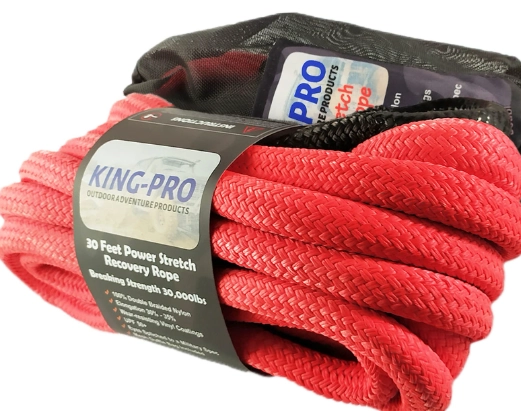
The naming chaos comes from a mix of marketing, legacy terms, and real engineering distinctions. Some brands might call their product a "recovery tow rope" to cover all bases in search results. It's frustrating. My advice? Ignore the flashy marketing name on the package and look at the specs and construction. That will tell you what it truly is.
Breaking Down the "What is a tow rope called?" Family Tree
Let's get specific. Here’s your no-nonsense guide to the main members of the tow rope family. This table should clear things up.
| What It's Commonly Called | Key Material & Design | Primary Use Case | Biggest Pro | Biggest Con / Danger |
|---|---|---|---|---|
| Tow Strap (The Basic One) | Flat polyester or nylon webbing, often with reinforced loops (no metal hooks). | Flat-towing a disabled vehicle on a paved road. Slow, controlled, straight-line pulls. | Strong, affordable, good for planned towing. | No stretch. A jerky pull can shock-load and break it or damage vehicles. |
| Recovery Strap / Kinetic Rope / Snatch Strap (The Stretchy Savior) | Round or tubular nylon/polyester, specifically woven to stretch 15-30%. Always has loops, never hooks. | Recovering a stuck vehicle (mud, sand, snow). Uses kinetic energy from a moving recovery vehicle. | The stretch creates a smooth, powerful pulling force that pops vehicles free. | Misuse (like using for straight towing) reduces its life. Requires proper technique. |
| "Tow Rope" with Metal Hooks (The Hardware Store Special) | Often cheap nylon or polypropylene with metal J-hooks or grab hooks on the ends. | Light-duty tasks, moving logs, maybe pulling a lawn tractor. Often marketed for cars but... | Inexpensive and readily available. | DANGEROUS for vehicle recovery. Hooks can become lethal projectiles if they fail. |
| Tree Saver Strap | Wide, flat polyester strap, typically 2-3 inches wide. | Wrapping around a tree to attach a winch cable or recovery strap, distributing force to protect the tree. | Protects anchor points (trees, other vehicles). Essential for ethical off-roading. | Not a pulling tool itself. It's an accessory used *with* a recovery system. |
See the pattern? The core divide is between the non-stretchy tow strap and the elastic recovery strap. If you only remember two names from this whole article, make it those two.
How to Actually Choose the Right One (Forget the Name, Check This)
Okay, so you know what a tow rope is called now. But how do you pick the right one off the shelf? Don't just grab the one with the coolest packaging. Think about these factors, in this order.
1. What's Your Actual Need? (Be Honest)
This is the biggest filter. Are you a suburban driver who just wants a "just-in-case" tool for the trunk to help someone with a dead battery on a flat road? Or are you a weekend off-roader who plays in mud pits?
- For pavement-only, light-duty assistance: A basic, rated tow strap (20-30 feet long) is likely sufficient. It's for slow, gentle pulls to a nearby shop.
- For getting unstuck from soft terrain: You need a kinetic recovery strap. Its stretch is its superpower.
- For serious off-road/overlanding: You'll want both a recovery strap and a tree saver, and you'll be looking at higher weight ratings.
2. Breaking Strength & Working Load Limit (The Numbers Game)
This is where eyes glaze over, but stick with me. You'll see two numbers:
- Breaking Strength (BS) or Minimum Breaking Strength (MBS): The force at which the strap will snap. It's the ultimate limit.
- Working Load Limit (WLL): The maximum force you should safely apply during normal use. It's usually 1/3 or 1/4 of the Breaking Strength.
Here's my rule of thumb, which has never steered me wrong: Your strap's Breaking Strength should be at least 2-3 times the GROSS VEHICLE WEIGHT (GVWR) of the heavier vehicle in the recovery. Not the curb weight—the GVWR. You can find your GVWR on the driver's side door jamb sticker. For a typical mid-size SUV (GVWR ~6,000 lbs), look for a strap with a BS of 20,000 lbs or more. It seems like overkill, but shock loads from tires gripping suddenly can multiply force incredibly.
3. Material and Build Quality
Polyester is king for recovery gear. It's strong, has low stretch (for tow straps) or controlled elasticity (for recovery straps), and is resistant to UV and water. Nylon is strong but stretches more and absorbs water, which can weaken it. Polypropylene is the cheap stuff—avoid it for anything serious.
Look for tightly woven fabric, clean, double-stitched or bar-tacked loops, and reinforced wear sleeves on the loops. A good strap feels substantial, not flimsy.
4. Length Matters More Than You Think
Too short, and you're forcing the recovery vehicle to get dangerously close to the stuck vehicle or obstacle. Too long, and you lose control and efficiency. For most passenger vehicle recoveries, a length between 20 and 30 feet is the sweet spot. It gives a safe stand-off distance and, for kinetic straps, enough room to build momentum.
Pro Tip: A shorter strap creates a sharper, more direct pull. A longer strap allows for a smoother, more gradual application of force. For kinetic recoveries, that run-up space is part of the tool's function.
The Right (and Wrong) Way to Use Your "Tow Rope"
Buying the right tool is half the battle. Using it wrong can still ruin your day. Let's talk procedure.
Safe Recovery Steps (The Cliff Notes Version)
- Inspect Everything: Check the strap for cuts, frays, or abrasions. Check both vehicles' recovery points (never hook to a bumper, axle, or tie-down!). Use proper D-rings/shackles on rated recovery points.
- Clear the Zone: Everyone not directly involved stands back—way back. I mean at least 1.5 times the strap length away. No spectators.
- Connect Safely: Attach the strap's loops to the D-rings/shackles on both vehicles. Ensure there are no twists. Lay a heavy blanket or recovery damper over the strap midpoint if you have one (it helps dampen a snap).
- Communicate Clearly: Use hand signals or radios. Both drivers must know the plan.
- The Pull: For a tow strap: Take up slack slowly and pull steadily. For a kinetic recovery strap: The recovery vehicle drives forward slowly until the strap is slightly taut, then applies steady throttle to use the strap's stretch. No violent jerks!
- Disconnect: Once free, carefully remove the strap. Don't just drive off and let it drop.
Common Mistakes That Answer "What is a tow rope called?" with a Bang
- Using a Tow Strap for a Kinetic Recovery: This is shock-loading. The sudden force can break the strap, damage mounts, or injure someone. It answers the "what is a tow rope called?" question with "a broken one."
- Double-Looping or Knotting the Strap: This weakens the material dramatically at the knot point. Use the right length strap or proper extension.
- Exceeding the Angle: Trying to pull at a sharp side angle puts immense stress on the vehicle's recovery point and the strap. Aim for as straight a line as possible.
- Ignoring Wear and Tear: UV exposure, dirt, and abrasion weaken straps over time. If it looks worn, retire it. It's cheaper than a repair bill.
Seriously, it matters.
Your Burning Questions, Answered (FAQ)
Wrapping It Up: So, What *Should* You Call It?
After all this, you're the expert now. When someone asks you, "what is a tow rope called?" you can give them the real answer.
For your everyday car trunk, for helping a friend off the side of a paved road, you probably want a simple, rated tow strap. Keep it clean, check its loops, and know its limits.
If your adventures take you off the beaten path, where "stuck" is a real possibility, invest in a quality kinetic recovery strap. Learn how to use it properly, pair it with a tree saver and soft shackles, and practice the basics.
The name isn't just a label. It's a description of the tool's soul—its purpose, its design, its capability. Knowing the difference between a tow strap and a recovery strap is the first step in being prepared, not just having gear. It's the difference between yanking on a chain and executing a safe recovery.
My final thought? Skip the cheap, hook-ended "tow rope" from the bargain bin. Save up for a properly rated strap from a reputable brand. It's a one-time purchase for a tool that could save you thousands in tow truck fees—or worse. When you're stuck, miles from help, that's not the time to wonder if you bought the right thing. Now you know exactly what to look for.
Hope this clears up the confusion. Go get the right gear, and stay safe out there.