Let's be honest. Knowing when to replace your skis feels like a mystery. You love them, they've seen countless runs, but lately, something feels off. They don't carve like they used to, or they chatter on hard snow. Is it you, or is it the skis? Throwing away a perfectly good-looking pair feels wasteful, but skiing on dead planks is frustrating and can even be unsafe.
I've been there. I once held onto a pair of all-mountain skis for eight seasons, convincing myself the "detuning" was just character. It wasn't. I was fighting the equipment every turn. The moment I switched to new skis, it was like someone turned the volume down on the mountain – everything was smoother, quieter, more controlled.
This guide cuts through the noise. We're not talking about arbitrary year counts. We're talking about the physical, undeniable signs that your skis are asking for retirement. By the end, you'll have a clear checklist to diagnose your own gear.
What's Inside
The 5 Physical Signs Your Skis Are Worn Out
Forget the calendar. Look at the skis themselves. These are the concrete, visual checks any skier can do in their garage.
1. The Base is Beyond "Character"
A few superficial scratches are normal – think of them as beauty marks. The problem starts when you see deep gouges that expose the core material (usually a lighter color like tan or white). Run your fingernail across a deep scratch. If it catches significantly, that's a problem.
Here's a subtle one most people miss: base burn. Look at the area under the binding, especially the heel piece. Is the base material there a different, often whiter or greyish, color compared to the rest of the ski? That's dried-out, oxidized base material from repeated friction and heat. It won't hold wax, making that critical pressure zone slow and draggy.
2. Edge Integrity is Gone
Edges wear down from tuning and contact with... everything. Take a credit card and place it perpendicular to the edge. Is there a noticeable gap between the card and the edge steel? If the edge is visibly rounded over or recessed, its useful life is ending.
Check for edge separation. Look closely where the metal edge meets the sidewall of the ski. Do you see a hairline crack or gap? Even a tiny separation lets water in, which freezes, expands, and makes the problem worse. This is a major red flag.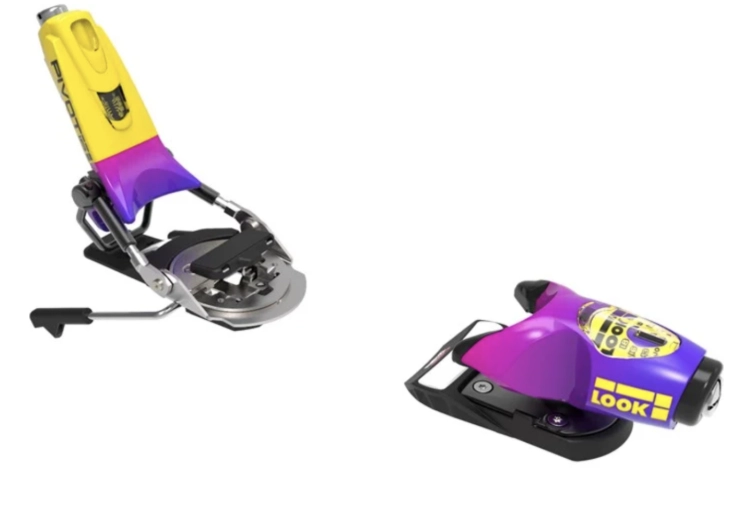
3. The Camber Profile is Pancake Flat
Lay your skis flat on the floor, base-to-base. Press them together at the center of the shovel and the tail. A healthy ski will have a pronounced camber arch in the middle – a gap of an inch or more is typical for all-mountain skis.
Now do the same with your old skis. Is that gap nearly gone? A flattened camber means the ski has lost its pop and energy. It won't rebound out of turns, making skiing feel sluggish. This is often the death knell for a performance ski.
4. Delamination and Structural Failure
This is the non-negotiable sign. Look for any place where the layers of the ski are peeling apart. It often starts at the tip, tail, or along the sidewall as a bubbled-up section. If you tap it, it might sound hollow. This is a safety issue. A delaminated ski has lost its torsional rigidity and can fail catastrophically.
5. Too Many Mounts
Every time you drill a hole for a binding, you weaken the ski's core. Most modern skis can handle 2-3 mounts if the new holes are properly spaced from the old ones. But if you're looking at a patchwork of old holes under your bindings, or if you're considering a mount within 1cm of an existing hole, the ski's structural integrity is compromised. It's time to move on.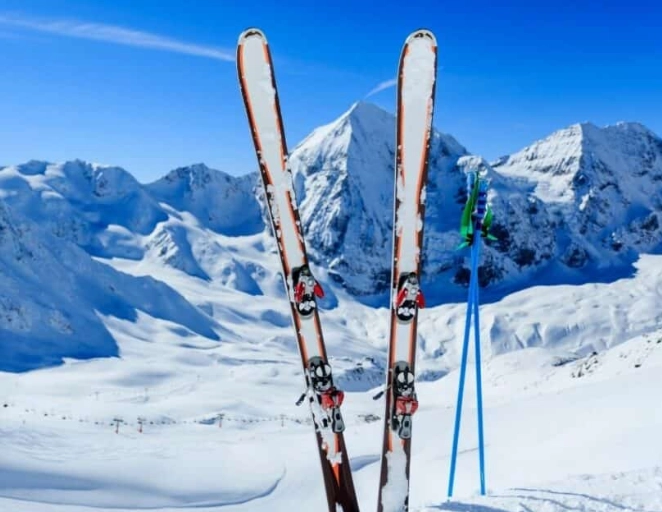
Performance Clues You Shouldn't Ignore
Sometimes the skis look okay, but they just don't feel right. Your body is the best diagnostic tool.
They're "hooky" or unpredictable. Instead of a smooth, round turn initiation, the skis seem to grab or jerk you into the turn. This is often a sign of inconsistent edge sharpness or a warped base.
Excessive chatter on hard snow or ice. All skis vibrate a bit, but if yours feel like they're buzzing uncontrollably, refusing to grip, the ski's damping capabilities are shot. The materials inside are fatigued.
They feel "dead." This is the hardest to describe but easiest to recognize once you've felt it. You put energy in at the top of the turn, and nothing comes back. No rebound, no liveliness. It's like skiing on two damp pieces of wood. That's a combination of lost camber and fatigued materials.
You're working way harder. You finish a run exhausted, while your friends on newer gear seem fresh. Worn skis don't track well, require more steering input, and don't support you efficiently.
Ski Lifespan: What's the Real Timeline?
"How many days do skis last?" is the wrong question. It's like asking how many miles a car lasts. A Toyota Corolla driven gently on highways will outlast a rally car. It depends entirely on ski type, skiing style, maintenance, and terrain.
This table gives a realistic range based on my experience and industry chatter (sources like Blister Gear Review often discuss longevity in their deep dives).
| Ski Type & Skier Profile | Realistic Lifespan (Ski Days) | Why? |
|---|---|---|
| Expert All-Mountain Skier Aggressive, varied terrain, 20-30 days/year |
80 - 120 days | High forces, hard snow, park hits, and frequent sharpening wear edges and materials fast. |
| Intermediate Cruiser Groomers, moderate pace, 10-15 days/year |
150 - 250+ days | Lower forces, softer snow contact, less aggressive tuning. The skis die from old age (dried out materials) before they're ridden into the ground. |
| Powder / Big Mountain Skis Used only in soft snow |
Very long (200+ days) | Minimal hard surface contact preserves bases and edges. Lifespan is limited by technology changes more than wear. |
| Frontside Carving Skis On hard snow and ice exclusively |
100 - 150 days | Constant edge engagement and tuning removes metal quickly. Bases get hard from abrasion. |
See? A weekend warrior's skis can last a decade, while a ski bum's daily drivers might be toast in two seasons. The key is to monitor the signs above, not the date of purchase.
The Big Decision: Can You Repair It or Must You Replace It?
Not every problem means new skis. Here’s a quick guide to triage your pair.
Repair It:
- Dried-out bases: A professional hot wax and stone grind can often revive them.
- Dull or slightly worn edges: A full tuning (base grind, edge sharpening) works wonders.
- A few deep core shots: A shop can clean and fill them with P-Tex. It's cosmetic and functional.
- Minor top sheet chips: Epoxy fixes these. It's purely cosmetic.
Replace It:
- Major delamination or core damage: Unrepairable. The ski is structurally unsound.
- Flattened camber on a performance ski: You can't put the spring back in the coil.
- Severe edge separation along most of the ski: The repair is costly and temporary.
- You have multiple major signs from Section 1: At some point, you're throwing good money after bad. A $100 tune on a $150 pair of dead skis is a poor investment.
Think of it this way: repairs address surface wear. Replacement is needed for structural or fundamental performance failure.
Your Burning Questions Answered
My skis slip on ice even after a tune. Replace?
Can I just remount bindings on heavily used skis?
Do rental skis have a shorter lifespan?
How does ski construction affect longevity?
Is it worth buying used skis?