In This Guide
- So, How Does a Gondola Actually Work?
- Gondola vs. Chairlift: What's the Real Difference?
- Why Resorts Are Investing Heavily in Gondola Systems
- Top Ski Resorts Known for Their Gondola Networks
- Riding a Gondola: A Quick Etiquette and Tips Guide
- The Future is Cabriolet and Hybrid
- Your Gondola Questions, Answered
- Wrapping It Up: Is the Gondola King?
Let's be honest. After a long drive to the mountains, the last thing you want is a cold, windy, twenty-minute ride up a rickety old chairlift. Your fingers are freezing, your skis feel heavy, and you just want to get to the good snow. That's where the gondola ski lift comes in. It's not just a lift; it's a game-changer. A warm, comfortable cabin that whisks you from the base to the summit, often in half the time, while you sip your coffee and take in the views. But what exactly makes a gondola different? How do they work? And are they really worth the hype (and sometimes, the extra ticket cost)?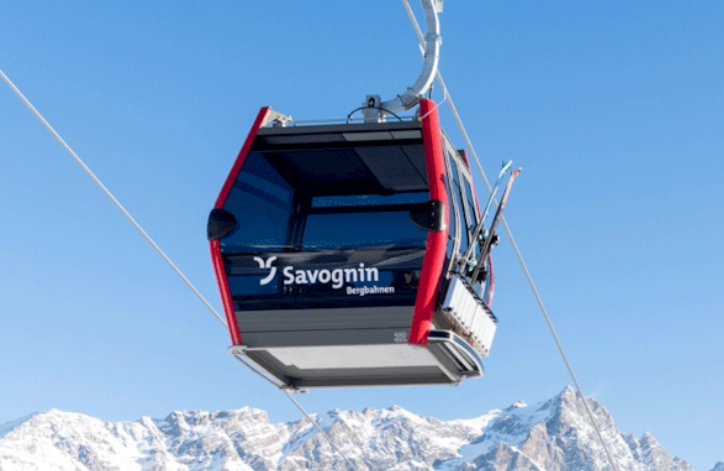
I remember my first time on a major gondola system out in Colorado. It was a blustery day, the kind where the chairlifts were swaying alarmingly. We ducked into the enclosed gondola cabin, the door hissed shut, and the noise of the wind vanished. As we glided silently over the treetops, watching skiers below battling the elements, I had one thought: this is the way to ski. It felt less like transit and more like an experience itself.
So, How Does a Gondola Actually Work?
It seems like magic, but it's really clever engineering. The principle is similar to a clothesline, just on a massive, motorized scale. A thick, looped steel cable—the haul rope—is strung between a drive terminal (usually at the top) and a return terminal (at the bottom). A powerful electric motor at the drive terminal turns a large bullwheel, which pulls the cable along its path.
The enclosed cabins are attached to this moving cable via a grip. This isn't a simple clamp; it's a sophisticated piece of machinery that allows the cabin to detach from the main high-speed cable when it enters the station. This is the key to the system's efficiency. Inside the station, the cabin slows down on a separate track, allowing you to get on and off safely and easily, just like a slow-moving conveyor belt. Once loaded, the grip re-attaches to the speeding main cable and you're launched up the mountain.
This detachable technology is what separates modern high-speed gondolas from their older, fixed-grip cousins. It allows for faster line speeds (up to 6 meters per second or about 13 mph) and, crucially, a slower, safer boarding process. The National Ski Areas Association (NSAA) provides extensive safety guidelines and statistics on all lift operations, which are worth reviewing if you're curious about the rigorous standards in place.
Why does this matter to you, the skier?
It means shorter wait times. A detachable gondola can move over 3,000 people per hour. It means you don't have to be an Olympic athlete to load your skis and get on without falling over. And it means you can carry a backpack, hold a hot chocolate, or even change a glove without dropping it hundreds of feet.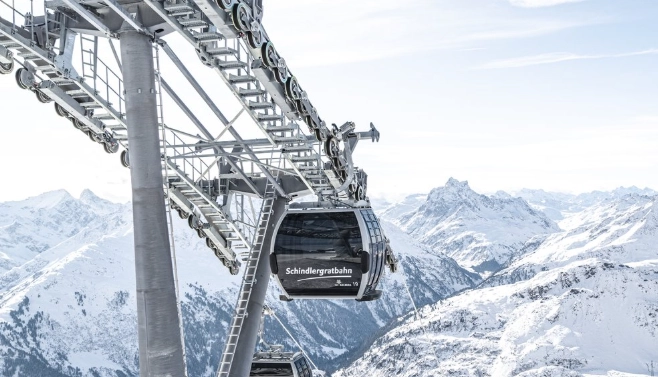
Gondola vs. Chairlift: What's the Real Difference?
It's the classic mountain transport debate. Here’s the breakdown, no marketing fluff.
| Feature | Gondola Ski Lift | Chairlift |
|---|---|---|
| Rider Experience | Enclosed, sheltered from wind, snow, and cold. Social, face-to-face seating. | Open-air, exposed to the elements. Side-by-side seating. |
| Speed & Capacity | Very high capacity (3,000+ pph). Fast line speed. Efficient loading. | Varies widely. High-speed six-packs are fast, but overall capacity is usually lower. |
| Accessibility | Excellent. Easy for beginners, families with small kids, and anyone with gear. | Can be challenging for beginners. Requires some balance to load/unload. |
| Scenic Value | Panoramic, through windows. A calm, observation-style ride. | Immersive, 360-degree. You feel the wind and hear the sounds of the mountain. |
| Typical Use | Main base-to-summit transport, accessing distant peaks, bad weather days. | Distributing skiers across the mid-mountain, accessing specific trails. |
| The Downside | Can feel impersonal, like a bus. Can get warm on sunny days. Longer walk to slopes from summit station. | Cold and wet in storms. Wind holds are more common. Less space for gear. |
My personal take? On a perfect bluebird day, I sometimes miss the quiet solitude of a chairlift. But on probably 70% of ski days—when it's snowing, windy, or just brutally cold—the gondola is an absolute blessing. It extends your ski day. You're not exhausted and frozen after two lifts.
Why Resorts Are Investing Heavily in Gondola Systems
It's not just about comfort. From a resort's perspective, a new gondola is a massive capital investment that solves multiple problems.
First, it's a **people mover**. It efficiently solves the morning bottleneck at the base area, funneling huge numbers of skiers to key terrain quickly. This spreads people out across the mountain, reducing lift lines elsewhere and making the whole experience feel less crowded.
Second, it's **weather-proof**. When high winds force chairlifts to go on "wind hold," a gondola can often keep running. Its enclosed cabins are less susceptible to wind sway, and the detachable grips are more stable. This keeps the mountain open and guests happy on days that would otherwise be a write-off. The U.S. Forest Service, which manages much of the land ski resorts operate on, often reviews these projects for their year-round utility and environmental impact.
Third, it's a **year-round asset**. Modern gondolas aren't just for winter. In summer, they become scenic sightseeing rides, transporting hikers, mountain bikers, and tourists. This dual-season use is a huge financial driver, making the multi-million dollar price tag easier to justify.
But they're not perfect. The biggest complaint I hear? The summit experience. Often, you get off the gondola and face a 5-10 minute walk or traverse in your ski boots to get to the prime beginner or intermediate terrain. It can be a slog, especially with kids. Resorts that get this right build the station right at the heart of the trail network.
Top Ski Resorts Known for Their Gondola Networks
Some places have truly integrated the gondola into their identity. It's not just a lift; it's the centerpiece.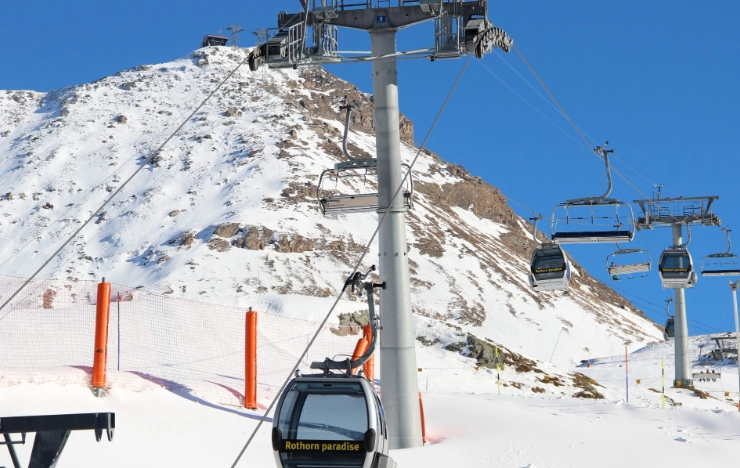
Whistler Blackcomb, Canada
The Peak 2 Peak Gondola is legendary. It connects the two mountains, Whistler and Blackcomb, with a breathtaking, unsupported span. It's not just transport; it's an engineering marvel and a tourist attraction. But more importantly, their village gondolas (the Whistler Village Gondola and the Blackcomb Gondola) are the primary arteries to the alpine. You start your day in the village and are delivered to a world of high-alpine terrain. It's seamless.
Vail, Colorado, USA
Vail's Eagle Bahn Gondola out of Lionshead and the Vail Village Gondola are iconic. They are the quintessential comfortable, high-speed ride to the mid-mountain adventure hub. What Vail does brilliantly is use the gondola to create a sense of arrival and separation. You leave the bustling village behind and ascend into the serene, snowy world above.
Palisades Tahoe, California, USA
The transformation of Squaw Valley to Palisades included a massive gondola investment. The Base to Base Gondola now links the Palisades and Alpine Meadows areas. This is a game-changer for skiers, allowing easy exploration of two massive mountains on one ticket without needing a car or shuttle. It's a perfect example of a gondola solving a geographic problem.
Matterhorn Glacier Paradise, Zermatt, Switzerland
This one is less about skiing efficiency and more about pure, jaw-dropping access. A series of gondolas take you from Zermatt village all the way up to the highest cable car station in Europe. The views of the Matterhorn are uninterrupted and sublime. It's a reminder that sometimes, the journey is the main event.
On the flip side, I've been to some smaller resorts where a new gondola felt... out of place. It was too big, too expensive, and created a weird imbalance where one lift was world-class and the rest were slow, fixed-grip doubles from the 1970s. The vibe felt off.
Riding a Gondola: A Quick Etiquette and Tips Guide
It seems straightforward, but a few unwritten rules make it better for everyone.
- Merge Efficiently: The loading conveyor is usually marked for lanes. Fill all spaces. Don't leave a giant gap in front of you.
- Manage Your Gear: Skis and snowboards go in the external holders before you get in the cabin. Don't drag them inside—it damages the floor and is a tripping hazard.
- The Backpack Question: Take it off and hold it or put it on the floor. A bulky pack on your back takes up a whole extra person's worth of space.
- Respect the Space: It's a shared cabin. If you're in a small group, be prepared to share with others, especially on busy days. It's a great way to meet people and get trail tips!
- Don't Slam the Door: The doors are usually automatic or gently closed by the attendant. Let them do their job.
The Future is Cabriolet and Hybrid
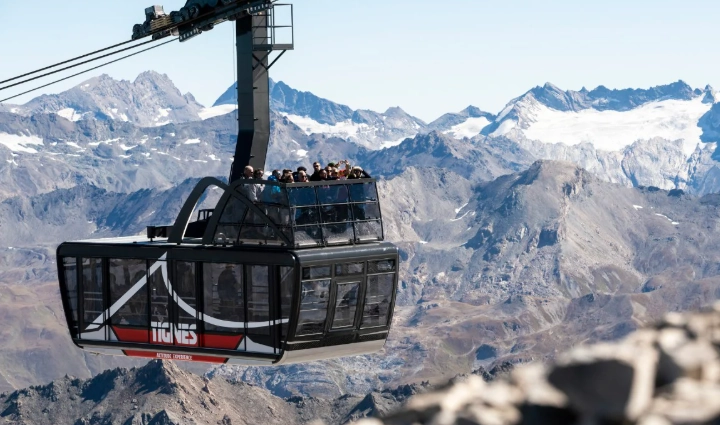
Gondola technology isn't standing still. The next big thing is the **Cabriolet** or open-air gondola. Think of it as a hybrid: it has the detachable, high-capacity efficiency of a gondola, but the cabins have no windows or just a roof. It's for fair-weather climates or where the priority is sheer throughput and a more "outdoor" feel without the loading difficulty of a chair.
Another trend is the **Chondola** – a mix of chairs and gondola cabins on the same line. Usually, it's a gondola cabin every few chairs. This is a smart, flexible solution. On a nice day, take the chair. If it starts snowing or you have a cold toddler, wait a minute for the next enclosed cabin. It gives skiers a choice without needing two separate lift lines.
What's driving this? Sustainability. Electric-powered gondolas have a smaller carbon footprint per passenger than fleets of shuttle buses. Resorts like Crested Butte have published data on how their new lifts reduce vehicle traffic. It's a powerful argument as the industry looks to the future.
Your Gondola Questions, Answered
Wrapping It Up: Is the Gondola King?
The gondola ski lift isn't a passing trend. It's a fundamental evolution in how we access mountains. It prioritizes comfort, capacity, and accessibility. For families, beginners, or anyone who values starting their day warm and ready to ski, it's invaluable. For resorts, it's a critical tool for managing crowds and generating revenue beyond winter.
But it hasn't killed the chairlift. There's still a pure, simple joy to a quiet chairlift ride on a sunny morning. The best mountains understand this. They use the gondola as their main highway—reliable, efficient, and all-weather. Then, they use a network of chairlifts as the local roads, giving you intimate access to every nook and cranny of the terrain.
You might choose your resort based on them. I know I have. After a decade of skiing, that warm, quiet ride to the top never gets old. It’s the calm before the storm of carving turns, and honestly, it’s a part of the adventure I’ve grown to love just as much.