Let's be honest, most people think the ski season ends in March. They pack away their gear, mourn the loss of winter, and start watching mountain bike videos. That's their first mistake. For those in the know, spring skiing isn't a consolation prize—it's the secret season. The crowds vanish, the sun shines, lift tickets get cheaper, and the snow transforms into something magical called corn. But it's a different game. You can't just show up with your mid-winter mindset and expect to have a good time. I learned that the hard way, years ago, showing up to a slushy mess at noon wearing my heaviest baselayers. I was sweating, my skis were dragging, and I was miserable by lunch. It took a few seasons to figure it out. Now, it's my favorite time to be on the mountain. This guide is everything I wish I'd known back then.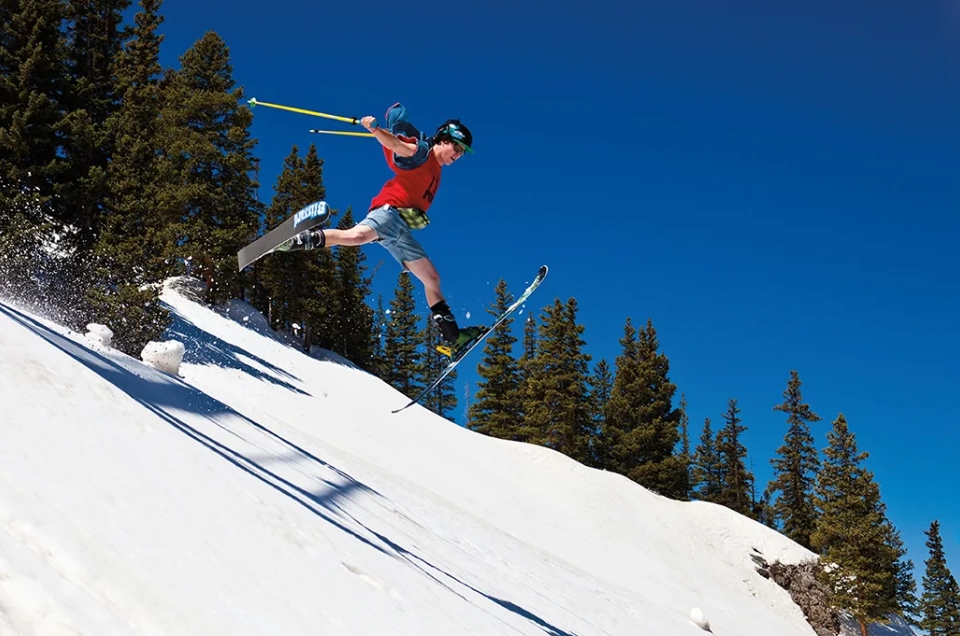
What's Inside This Guide
The Science of Spring Snow: From Corn to Slush
Forget powder. Spring is all about corn. Corn snow isn't the slushy garbage at the bottom of a soda cup. When it's good, it's a dream—small, round, loose granules that your skis carve through with a satisfying crunch. It forms through a perfect freeze-thaw cycle. A cold night freezes the snow surface solid. The morning sun then gently thaws the top millimeter, creating that perfect, carvable layer. It's predictable, fast, and incredibly fun.
The problem is the timeline. That perfect corn window is fleeting. It usually happens between 10 AM and 1 PM, depending on the aspect and elevation. Miss it, and you're either on an ice rink (too early) or in a wet, heavy slog (too late). This is the central rhythm of spring skiing. Your entire day revolves around chasing that perfect texture. The National Ski Areas Association often discusses snow science in their educational resources, and understanding this cycle is the first step to mastering late-season conditions.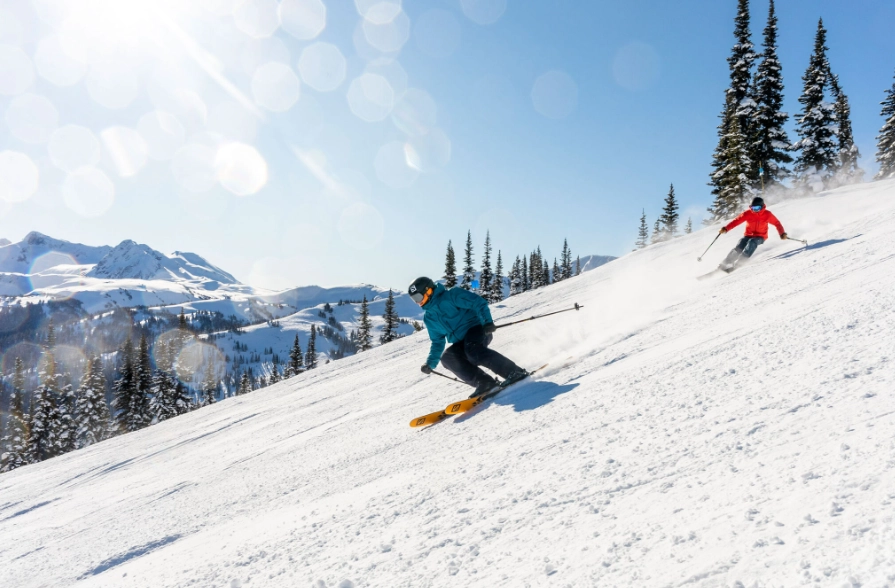
What to Pack (and What to Leave Behind)
Your winter kit will overheat you. Spring skiing is an exercise in layering and sun protection. Here’s the breakdown:
The Layering System That Actually Works
- Baselayer: Ditch the heavyweight merino. Go for a lightweight, moisture-wicking top. Synthetic or very light wool is perfect.
- Mid-layer: A thin fleece or a lightweight insulated vest. You'll likely shed this by 11 AM and stash it in your backpack.
- Outer Shell: A waterproof, breathable shell jacket is non-negotiable. No insulated ski jackets. You need ventilation zips everywhere—pit zips are a lifesaver. Ski pants should also be shell-only.
- The Backpack Essential: A thin, packable windbreaker or softshell. This is for the chairlift ride up when the wind hits your sweaty shirt.
Accessories Are Everything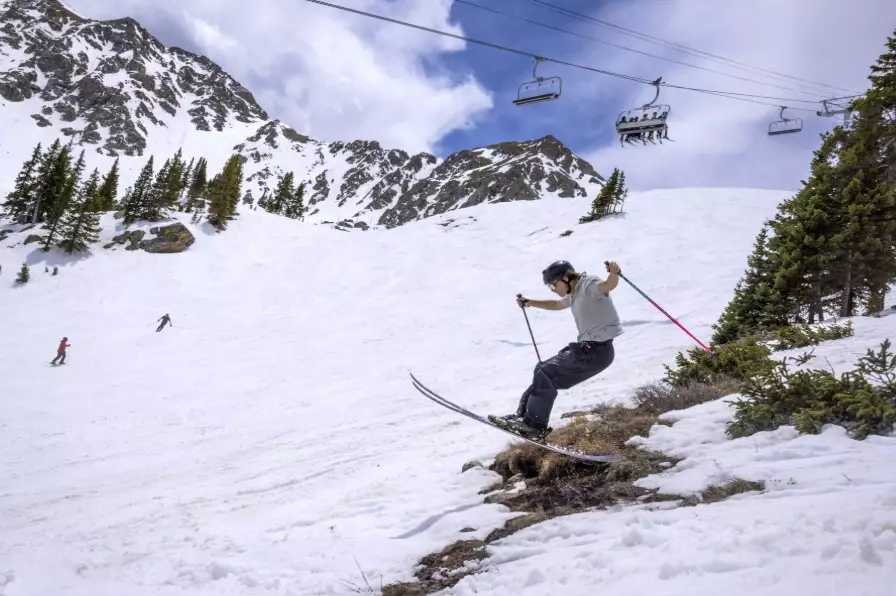
This is where people mess up. You need two sets of eyewear: low-light lenses for the morning (rose or yellow) and dark, polarized sunglasses for the blinding afternoon sun. A lightweight neck gaiter (a Buff) protects your neck from sunburn. And sunscreen? Don't even think about skipping it. SPF 50, mineral-based, applied to every exposed spot at breakfast, and re-applied at lunch. The sun reflecting off the snow is no joke. I still have a weird tan line from 2018 to prove it.
How to Master Spring Skiing Techniques
The technique shift is subtle but critical. On hard morning snow, ski it like you would any groomer—edges engaged, body forward. But as it softens, you need to adapt.
Weight Distribution: In heavy, wet snow, you need to be more centered or even slightly back on your skis to keep the tips from diving. Let the skis come to you a bit more.
Turn Shape: Wider, more rounded turns are your friend. Sharp, short turns require more energy and can hook unpredictably in variable snow.
Reading the Snow: Look for color changes. Shiny spots are ice. Dark, wet areas are slush pits. Aim for the uniform, matte-looking snow—that's your corn. If you hit a slush patch, keep your speed steady and don't panic-turn.
The biggest mistake I see? Skiers trying to force their winter aggressive style onto a soft, forgiving spring slope. It's exhausting. Spring skiing should feel fluid and effortless. If you're fighting the mountain, you're doing it wrong.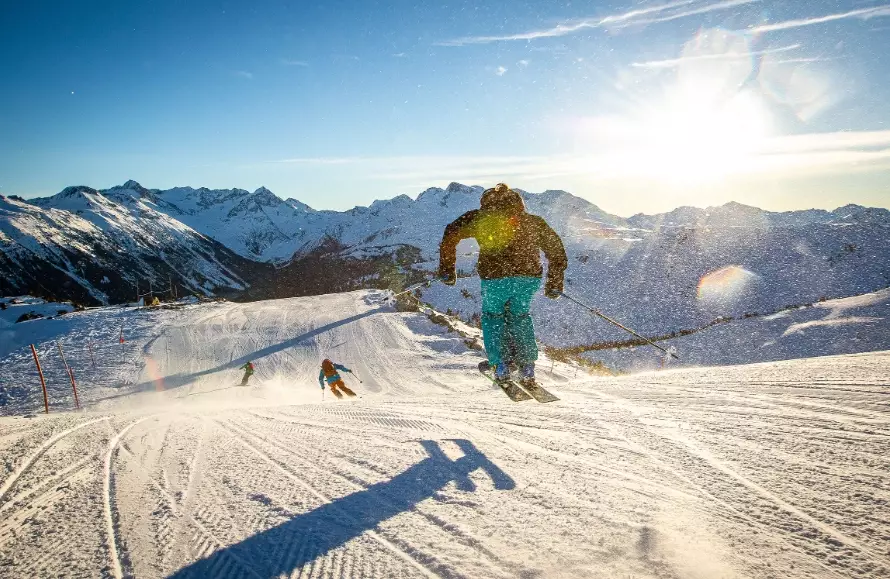
Top Spring Skiing Destinations in North America & Europe
Not all resorts are created equal for spring. You need high elevation, north-facing terrain to hold snow, and a good base. Here are the champions.
| Resort | Region | Spring Edge | Typical Closing* |
|---|---|---|---|
| Arapahoe Basin | Colorado, USA | Legendary for late season. Base over 10,500 ft. East Wall terrain holds snow forever. | Early June |
| Mammoth Mountain | California, USA | Sierra cement holds up. Massive elevation. Often open into July. | July 4th or later |
| Whistler Blackcomb | BC, Canada | Glacier skiing on Blackcomb, massive vertical. Great spring events. | Late May |
| Snowbird | Utah, USA | High alpine, steep north faces. Minimal sun exposure on key runs keeps snow firm. | Mid-May |
| Stubai Glacier | Tirol, Austria | It's a glacier. Guaranteed snow year-round. Pure, high-altitude spring laps. | Year-round |
| Val Thorens | French Alps | Highest resort in Europe. Huge, interconnected area stays skiable long after lower villages melt. | Early May |
*Always check the resort's official website for current season dates and conditions.
My personal favorite? Arapahoe Basin in late May. There's nothing like skiing steep couloirs in a t-shirt, then grilling burgers in the beach (their famous parking lot tailgate scene). The vibe is unbeatable.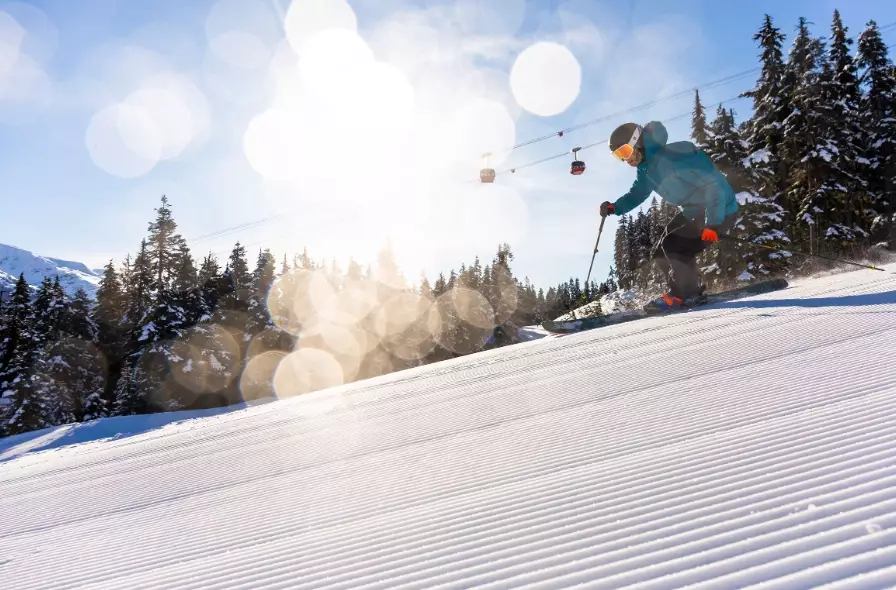
A Sample Spring Ski Day Itinerary
This is how a perfect day flows. Let's assume you're at a big mountain resort like Whistler.
8:30 AM: Boot up. Wear your light layers. Pack your vest, extra gloves, windbreaker, sunscreen, and water in a small backpack.
9:00 AM: On the first gondola. Head to a south-facing intermediate run (like Franz's on Whistler). The snow will be firm but softening. Make crisp, carving turns.
10:30 AM - 1:00 PM: The golden hours. You should be finding perfect corn. Move across the mountain, following the sun. This is when you ski hard.
1:00 PM: Lunch. A long, relaxed patio lunch is a sacred spring ritual. Eat, drink water, reapply sunscreen. Watch the slopes turn to mashed potatoes below.
2:30 PM: Post-lunch options. Either (a) Seek out high, north-facing chutes that are just coming into prime condition, or (b) Call it a day and enjoy the apres-sun. Seriously, option B is valid. Four good spring hours are better than six miserable ones.
4:00 PM: Apres on a sunny deck. This is the reward.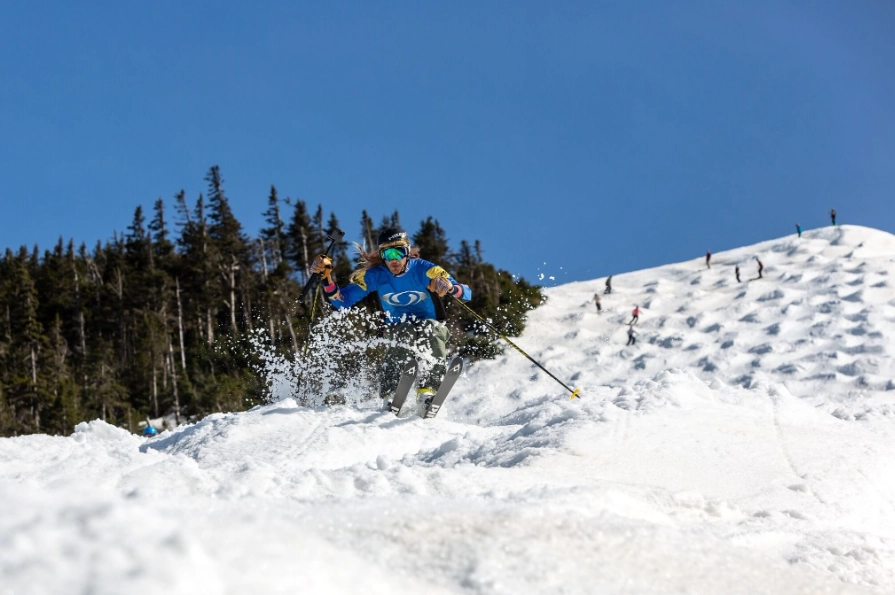
Your Spring Skiing Questions, Answered
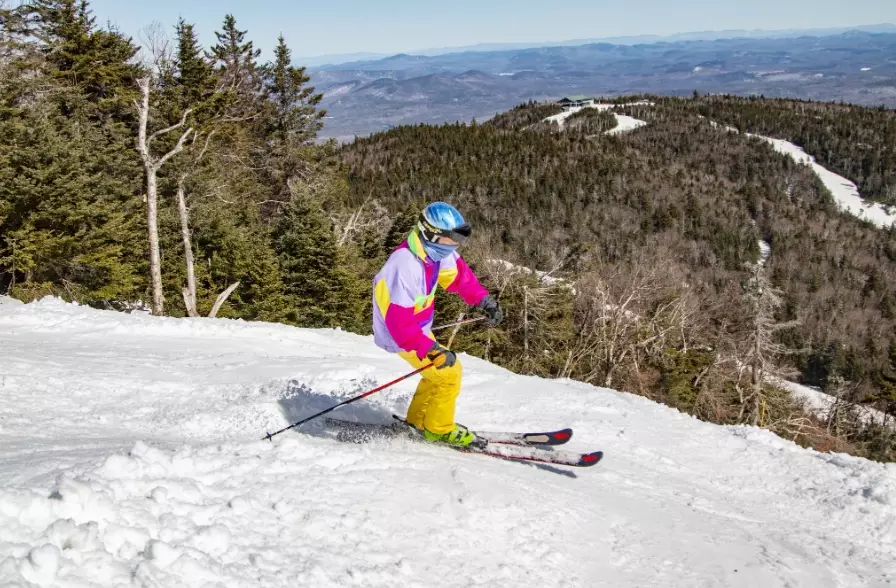 Spring skiing flips the script. It trades blizzard days for bluebird ones, heavy layers for light shells, and crowded slopes for empty ones. It demands a different strategy, but the payoff is immense. You get to experience the mountains in a whole new light—quite literally. So, tune your skis, pack your sunscreen, and get ready for the best-kept secret of the ski year. See you on the patio.