Quick Guide to Biathlon Rules
So you're watching the Winter Olympics or a World Cup event, and you see these athletes gliding on skis one moment, then coming to a complete stop, heart pounding, to shoot at tiny targets. That's biathlon. It's gripping stuff—a pure test of physical endurance and mental calm under extreme pressure. But if you're new to it, the biathlon rules can seem like a secret code. Why do they ski in loops? What happens when they miss a shot? How on earth do they steady their breathing enough to hit a target the size of a grape after racing flat out?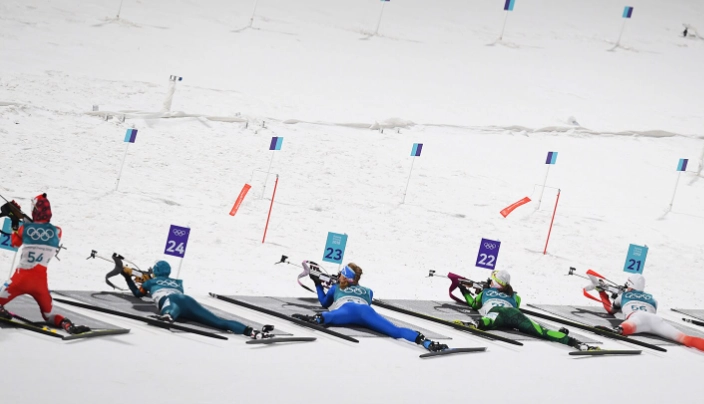
I remember the first time I tried to understand it. Frankly, I was lost. The commentators threw around terms like "penalty loop" and "prone shooting" without really explaining the why behind it all. It felt needlessly complicated. But once you crack the code, it transforms from a confusing mix of sports into one of the most strategically fascinating and dramatic events out there. This guide is here to do just that—crack the code for you. We'll walk through every major rule, not just what they are, but the logic behind them. By the end, you'll not only get it, you'll appreciate the brutal genius of the sport.
The Playing Field and Basic Flow
Let's start with the basics of how a race unfolds. Every biathlon competition takes place on a specially designed venue that has two key areas: the skiing course and the shooting range. They're integrated so that athletes ski multiple loops, coming into the range to shoot at designated points in the race. The standard loop length varies, but it's usually between 2km and 4km for World Cup events. The courses are hilly and challenging, designed to test every aspect of skiing technique and fitness.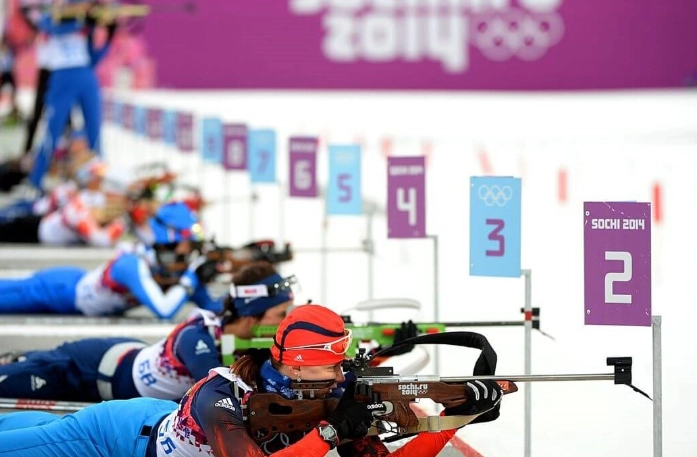
The sequence is almost always: Ski a loop -> Enter the shooting range -> Shoot five shots at five targets -> Ski another loop -> Shoot again -> Repeat until the race distance is complete. The number of shooting bouts depends on the race format, which we'll get into next. The transition from skiing to shooting is where the magic—and the misery—happens. An athlete's heart rate can be near its maximum as they ski into the range. They have maybe 20-30 seconds to slam their skis into a rack, grab their rifle, assume a shooting position, control their breathing, and fire. It's an insane physical and mental shift.
Breaking Down the Different Race Formats
This is where things get specific. Biathlon isn't just one race; it's a collection of formats, each with its own subtle twist on the core biathlon rules. Knowing which one you're watching is half the battle. They dictate the start order, the number of times athletes shoot, and how penalties work.
| Race Format | Distance (Men/Women) | Start Style | Shooting Stages (Order) | Key Rule Twist |
|---|---|---|---|---|
| Individual | 20km / 15km | Interval Start (30 sec-1 min apart) | 4 (Prone, Standing, Prone, Standing) | One-minute penalty per miss added to total time. The ultimate test of precision. |
| Sprint | 10km / 7.5km | Interval Start | 2 (Prone, then Standing) | Missed target = penalty loop (150m). Fast and furious. |
| Pursuit | 12.5km / 10km | Handicap Start (based on Sprint results) | 4 (Prone, Prone, Standing, Standing) | Start times based on previous finish. Head-to-head racing! Penalty loop per miss. |
| Mass Start | 15km / 12.5km | All start together | 4 (Prone, Prone, Standing, Standing) | Only top-ranked athletes. Chaos and strategy at the start. Penalty loop per miss. |
| Relay | 4 x 7.5km / 4 x 6km | Team mass start | 2 per athlete (Prone, Standing) | Each athlete has 3 spare rounds per shooting. Misses after that = penalty loop. |
| Single Mixed Relay | 2 x 6km + 2 x 7.5km | Team mass start | 2 per leg (Prone, Standing) | One woman, one man. Fast exchanges and spare round rules apply. |
You see how the biathlon competition rules change the character of the race? The Individual is a lonely, grinding battle against the clock and your own nerves, where a single missed shot costs you a huge chunk of time. The Mass Start, on the other hand, is pure theatre—elbows flying at the start, packs forming on the track, and the pressure of seeing your rivals right next to you on the shooting mat.
The Pursuit is personally my favorite to watch. It creates a narrative. The winner of the Sprint starts first, and everyone else chases based on how far behind they were. You get incredible come-from-behind stories and heartbreaking meltdowns. It connects the events into a weekend-long story, which is pretty cool.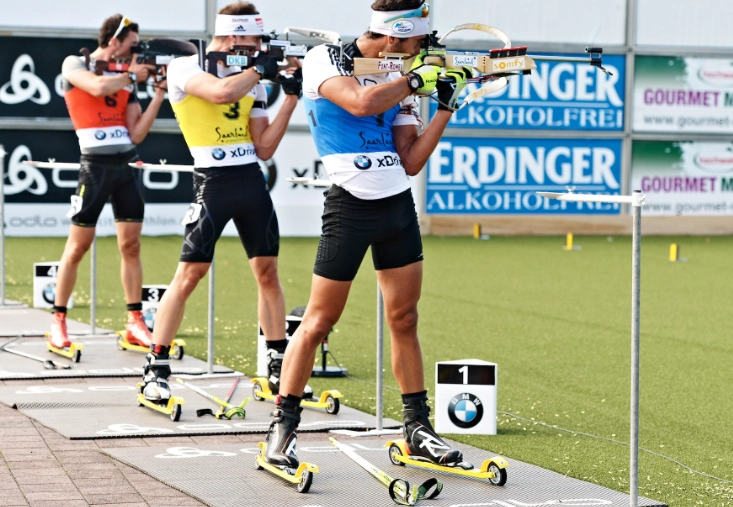
The Heart of the Matter: Shooting Rules and Procedures
Alright, let's get to the range. This is the defining element, and the biathlon shooting rules are precise. Everything is designed for fairness and to test that core skill under fatigue.
Targets and Distances
This is non-negotiable and universal. The shooting distance is always 50 meters. That's about half the length of an Olympic swimming pool. The targets are electronic, and when hit, a white disk (or sometimes a black panel) flips to show a hit. A miss leaves the target black.
- Prone Shooting Target: A 45mm diameter circle. That's roughly the size of a large grapefruit, or a CD if you remember those. It seems big, but at 50 meters, through iron sights, with your heart hammering, it feels microscopic.
- Standing Shooting Target: A 115mm diameter circle. About the size of a large dinner plate. It's bigger, but standing is a much less stable position, making it arguably harder. The contrast in target size is a key part of the biathlon rules—it balances the difficulty of the two positions.
Shooting Positions: Prone vs. Standing
The order is always prone first, then standing, within a single shooting bout. This makes sense physically—prone is more stable and slightly easier to manage a racing heart, so you do it first when you're more fatigued from the ski.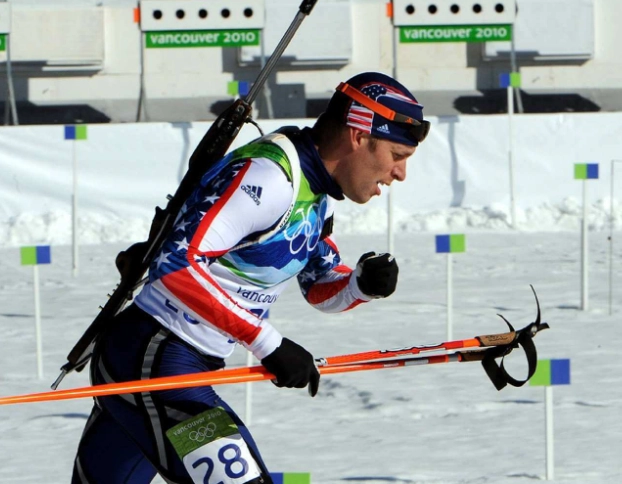
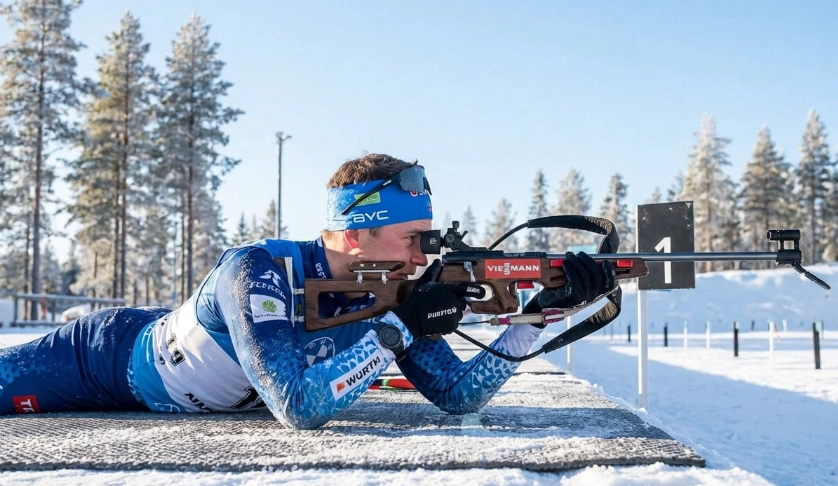
Prone Position Rules: The athlete must be lying on their stomach. The rifle is supported by both hands and the shoulder. Most use a sling for extra stability. The body must be generally in line with the firing direction. Officials watch to ensure no part of the body or equipment is providing artificial support (like propping an elbow on a ski).
Standing Position Rules: The athlete is upright. The rifle is held in both hands and shouldered. The elbows cannot be supported by the body or clothing in a way that creates an artificial rest. This is the real test of core stability and nerve control. You'll see athletes sway slightly, then freeze just as they squeeze the trigger.
The Infamous Penalty Loop and Time Penalties
This is the most visible consequence of missing a shot and a central pillar of biathlon rules and penalties. In most formats (Sprint, Pursuit, Mass Start, Relay), for every target left black, the athlete must immediately ski a 150-meter penalty loop. It's a short, punishing loop right next to the shooting range, usually on a steep little hill. It takes roughly 20-30 seconds for a top athlete.
Think about that. You miss one shot. You have to get up from your mat, rack your rifle, put your skis back on, and ski an extra 150 meters while your rivals who hit all their targets are already speeding away on the main course. Miss two shots? That's two loops. It's a devastatingly effective penalty that immediately impacts the race visually.
The Gear: What's Allowed and What's Not
The equipment rules are strict to keep the focus on athletic skill and to maintain a level playing field. The governing body, the International Biathlon Union (IBU), has a detailed rulebook covering every spec.
The Rifle: This is the most regulated piece. It must be a .22 caliber rimfire rifle (small bore). Minimum trigger pull weight is 500 grams (about 1.1 lbs) to prevent hair-trigger accidents. No optical sights are allowed—only iron sights. The rifle and magazine must weigh at least 3.5 kg (7.7 lbs). Athletes carry it on their backs in a special harness while skiing. They aren't allowed to leave it at the range; it's with them for the whole race. The rule is you must carry it, not just drag it behind you! Magazine capacity is typically five rounds, matching the five targets, plus spare rounds are allowed in relays.
Skis, Boots, and Poles: These are similar to cross-country skiing gear, specifically for the "skating" technique used in biathlon. There are minimum ski length rules based on athlete height. The waxing of skis is a huge, technical part of the sport—teams have wax technicians who are like secret weapons. The rules don't restrict wax types, so it's a constant technological arms race against snow conditions.
Ammunition: Standard .22 Long Rifle ammunition. Athletes carry it in a small belt or container. In relays, they also carry three extra spare rounds per shooting stage, which they can manually load if they miss with their first five.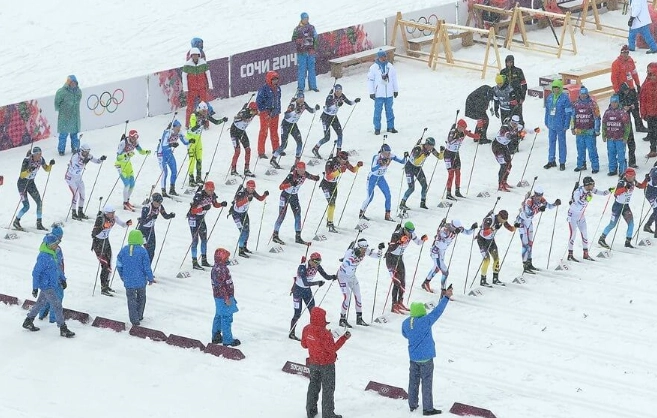
Rules You Might Not Think About (But Matter a Lot)
Beyond the obvious, there are layers of biathlon regulations that govern conduct and safety.
Range Safety and Conduct: This is paramount. The rifle muzzle must always be pointed downrange. Athletes cannot load a round until they are on their shooting mat and ready to fire. After finishing shooting, they must visibly clear their rifle (open the bolt) before standing up. You'll see them do this quick motion every time. Any unsafe handling can lead to disqualification. The range officials are strict, and rightly so.
Course Conduct and Overtaking: The classic cross-country skiing "track" rules apply. On prepared classic tracks (if present), the athlete in front has the right of way. In free skating lanes, there are etiquette rules for overtaking—the overtaking athlete should call out which side they are passing on ("Track left!"). Deliberate obstruction is a no-go.
The "Flower Ceremony" and Protests: After a race, the top finishers do a small ceremony. But the results aren't official until after a protest period. Teams can protest if they believe a rule was broken (e.g., an unsafe rifle clearance, a missed penalty loop). The jury reviews video and makes a final call, sometimes adjusting times or issuing DSQs (disqualifications). It adds a layer of post-race tension.
Common Questions About Biathlon Rules (FAQs)
Watching a Race Like a Pro
Now that you know the biathlon rules, how do you apply it while watching? Here’s my approach.
First, identify the race format. Is it a Mass Start? Then watch the first corner for chaos. Is it a Pursuit? Look at the time gaps on the graphics—see who's catching whom.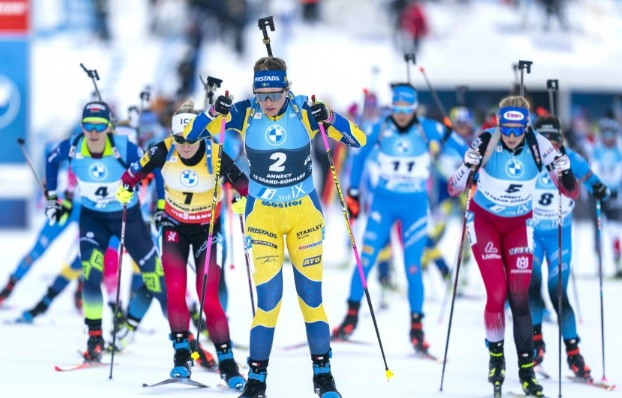
On the shooting range, don't just watch the targets. Watch the athlete's face and body language as they approach. Are they breathing heavily, struggling to control it? Listen to the cadence of their shots. A steady *click…click…click* is good. Long pauses or frantic shooting often spells trouble. Watch what they do immediately after the last shot. A smooth, fast transition to skiing can gain seconds. A fumble with the rifle or skis can lose them.
Keep an eye on the penalty loop exit. An athlete coming out of the loop will merge back into the main trail. See who they merge in with. Did they lose a lead? Are they now in a pack? That's where the race often changes.
Finally, remember the mental game. Biathlon is a sport of disaster management. Almost no one has a perfect day. The champion is often the one who makes a mistake (a miss or two), stays calm, doesn't panic, and uses their skiing strength to limit the damage. The meltdowns happen when one miss leads to frustration, which leads to rushing, which leads to two or three more misses. It's a psychological thriller on snow.
So next time you tune in, you won't just see skiing and shooting. You'll see a high-stakes balancing act governed by a set of elegant, brutal, and utterly logical biathlon rules. You'll see the stories unfold in the time gaps, the penalty loops, and the tense silence of the shooting range. And honestly, that's when the sport goes from interesting to absolutely addictive.