Your Ski Adventure Map
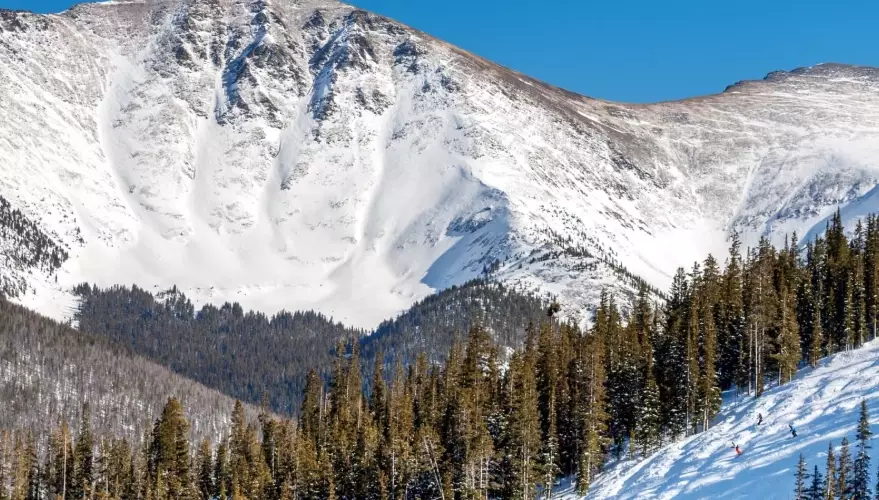
So you want to hit the slopes. Not just any slopes, but the big ones, the famous ski mountains you see in magazines and dream about. But here's the thing—picking one isn't as easy as just pointing at a map. I've been there, staring at a list of world-class resorts, completely overwhelmed. Is Whistler better than Zermatt? Should you chase powder in Japan or go for the classic Alpine charm? The hype around these places is real, but the reality can be very different depending on what you're looking for.
This isn't just another "top 10" list. We're going to dig into what actually makes these famous ski mountains tick. The terrain, the snow quality (and reliability), the overall vibe, the cost, and the stuff nobody really talks about until you get there. My goal is to give you the insider perspective you need to match a mountain to your own style, skill level, and budget. Because a bad fit can turn a dream trip into a frustrating week, trust me.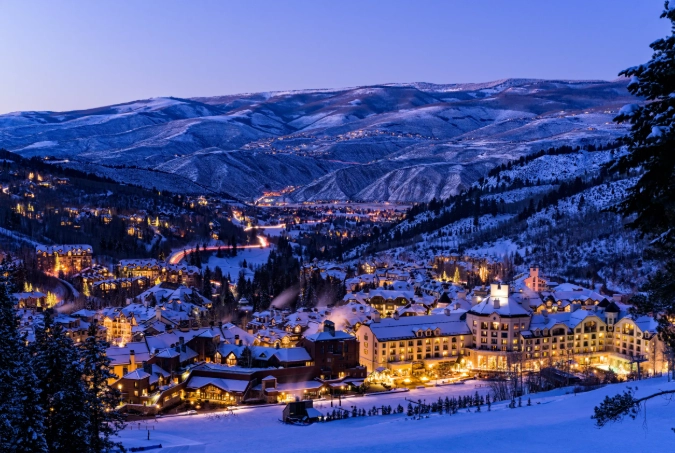
What Makes a Ski Mountain "Famous" Anyway?
Before we dive in, let's clear something up. Fame in the skiing world doesn't come from just one thing. It's a mix. Some mountains are legendary for their sheer size and variety, like the mega-resorts in North America. Others are famous for their challenging, heart-in-your-mouth terrain that attracts expert skiers and mountaineers from across the globe—think Chamonix or Jackson Hole. Then there's the fame that comes from consistently perfect snow, the kind of light, dry powder that creates cult followings, like in the mountains of Hokkaido, Japan.
But it's not all about the skiing. Part of what makes these destinations famous ski mountains is the complete package. The postcard-perfect village at the base, the history, the aprés-ski scene that can be as important as the skiing itself. Places like St. Anton or Aspen have built reputations that go far beyond their ski maps. The key is to figure out which type of fame matters most to you.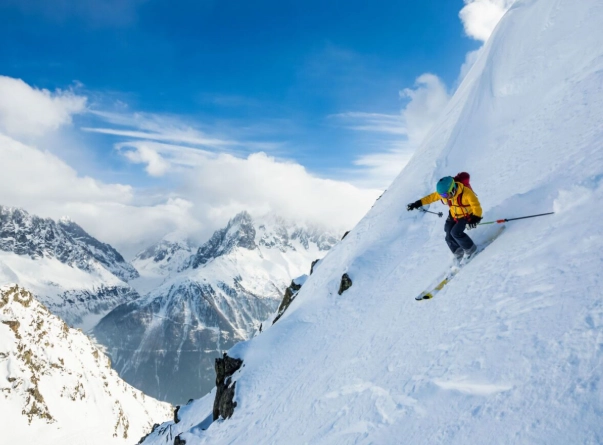
The World's Top Tier: A Deep Dive into Legendary Resorts
Let's get into the meat of it. Here’s a breakdown of some of the most famous ski mountains on the planet, not just ranked, but explained. What are they good at? Who are they for? And what are the potential downsides you should know before you book?
Whistler Blackcomb, Canada
This is the giant. The sheer scale of Whistler Blackcomb is almost hard to comprehend until you're there. Two massive mountains linked by the Peak 2 Peak gondola, offering over 8,100 acres of skiable terrain. It's a place where you can ski for a week and still find new corners.
Terrain & Snow: It has everything. Long, groomed cruisers, epic alpine bowls, steep chutes, and tree skiing for days. The snow is generally reliable, being on the coastal range, but it can be wetter and heavier compared to the dry interior powder of the Rockies. When it dumps, it's incredible. When it rains at the base… well, you head higher up.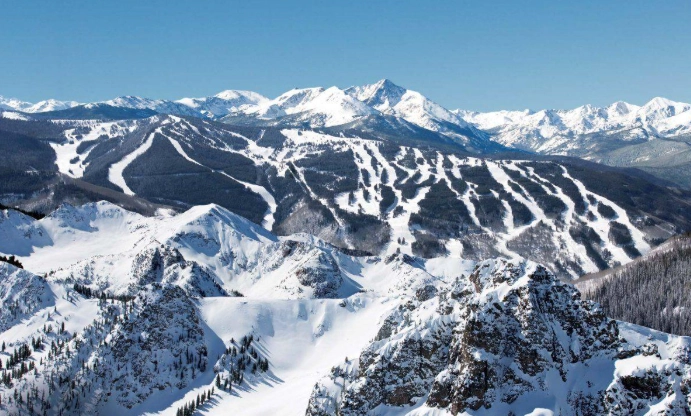
The Vibe: Whistler Village is a bustling, purpose-built town. It's vibrant, international, and has an incredible aprés-ski and dining scene. It feels like a major event is always happening.
Who It's For: Groups with mixed abilities, intermediates looking to explore endlessly, experts who want massive terrain, and anyone who wants a lively, all-in-one resort experience off the slopes.
The Catch: It can be brutally crowded. Lift lines on a powder day or during holidays are no joke. The weather is less predictable than interior ranges, with a higher chance of rain at the village level. And it's not cheap—Canada in general has gotten expensive for skiing.
Chamonix-Mont-Blanc, France
Chamonix isn't just a ski resort; it's a mountaineering Mecca. Nestled in the shadow of Western Europe's highest peak, Mont Blanc, the vibe here is pure alpine adrenaline. This is one of the most famous ski mountains for experts and off-piste enthusiasts.
Terrain & Snow: Don't come here for perfectly groomed corduroy. Come here for the Vallée Blanche, a 20km off-piste glacier run that requires a guide but is an unforgettable experience. Come for the steep, technical couloirs of Grands Montets. The snow can be variable, but the glacial terrain means you can often find good skiing even when other Alps resorts are struggling.
The Vibe: The town of Chamonix is a real, working alpine town with history oozing from its buildings. It's cosmopolitan, athletic, and has a no-nonsense, hardcore ski feel. The aprés-ski is more about sharing stories in a pub than dancing on tables.
Who It's For: Strong intermediate to expert skiers and riders, especially those interested in off-piste, ski touring, and mountaineering. People who want a real town atmosphere, not a manufactured village.
The Catch: The ski area is not interconnected like a mega-resort. You take buses or drive between different sectors (Brevent, Flegere, Grands Montets, Les Houches). It's not ideal for beginners. The legendary terrain demands respect—avalanche danger is real, and hiring a guide for the big lines is not a suggestion, it's a necessity. The official Chamonix website is a great resource for understanding the layout.
Zermatt, Switzerland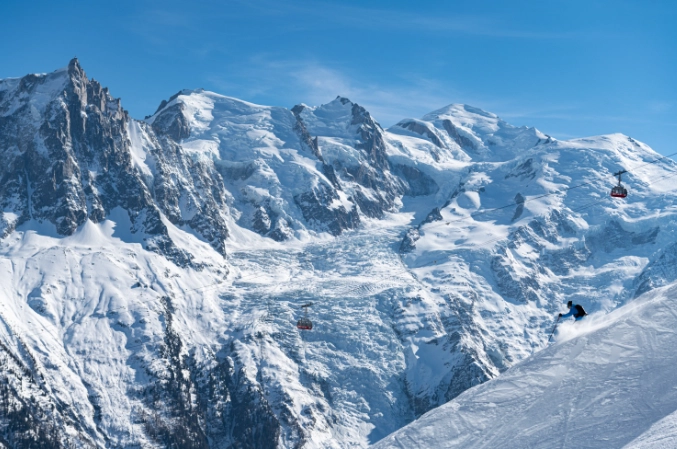
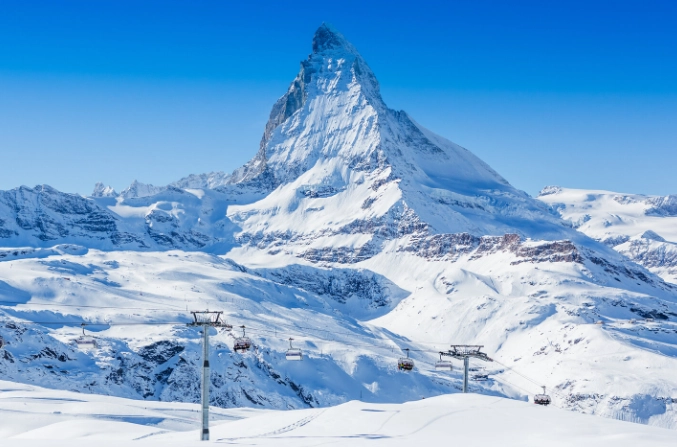
Zermatt is the postcard. The iconic Matterhorn looming over a car-free, charming village creates an atmosphere that's hard to beat. It's one of the most famous ski mountains for a luxurious, high-Alpine experience.
Terrain & Snow: High altitude means generally good snow reliability across a vast area that connects into Cervinia, Italy. You can literally ski between two countries. The terrain is vast and varied, with plenty for intermediates and experts, including some fantastic open glacier skiing.
The Vibe: Upscale, polished, and incredibly scenic. It's car-free, so you get around by electric taxi or horse-drawn carriage. The dining is world-class, and the whole place feels like a special occasion.
Who It's For: Skiers who prioritize scenery and a charming village atmosphere, those looking for a high-altitude snow guarantee, families (it's very safe and car-free), and anyone wanting to combine skiing with fine dining and luxury.
The Catch: It is famously, eye-wateringly expensive. Probably the most expensive major resort in the Alps. The car-free aspect is charming but can make logistics with luggage a bit more complicated. The connection to Cervinia is amazing, but be mindful of your pass and passport!
Niseko United, Japan
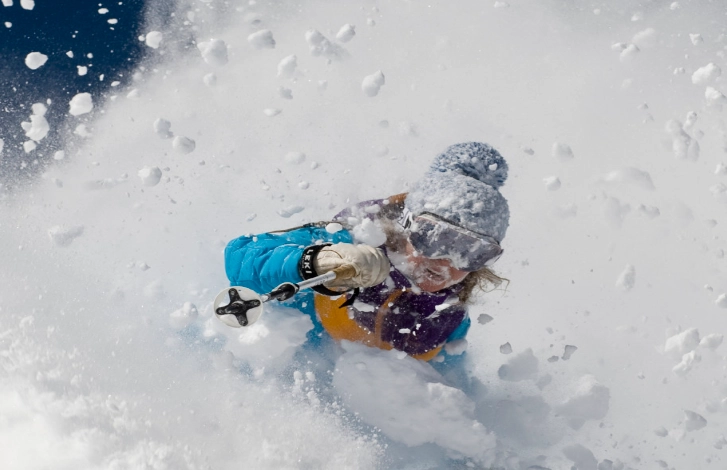
Fame for Niseko comes from one thing above all else: powder. The snow that falls on this region of Hokkaido is legendary for being incredibly light, dry, and abundant. It's a pilgrimage site for powder hounds from around the world.
Terrain & Snow: Let's be honest, you're here for the snow. The terrain across the four interconnected resorts (Grand Hirafu, Hanazono, Niseko Village, Annupuri) is fun and varied, with great tree skiing (which is rare and often off-limits in the Alps). It's not the steepest or most challenging mountain, but when it's snowing, you won't care.
The Vibe: A unique blend of Japanese culture and an international ski-bum vibe. The main hub, Hirafu, has a buzzing feel with great restaurants (amazing ramen!) and bars. The onsen (hot spring) culture is a perfect way to end a day.
Who It's For: Powder seekers of all levels, especially those who love tree skiing. Intermediates will have a blast. It's also fantastic for families and first-timers due to the gentle lower slopes and excellent ski schools.
The Catch: The weather. When it's good, it's the best in the world. But Niseko is on the coast and can be subject to high winds, white-outs, and even rain during warmer periods. Visibility can be a real challenge. It's also a long and often expensive trip for North Americans and Europeans.
Jackson Hole Mountain Resort, USA
Jackson Hole has a reputation. It's the mountain that American expert skiers talk about with a mix of reverence and fear. The iconic Corbet's Couloir is just the poster child for a mountain packed with steep, technical, and unforgiving terrain.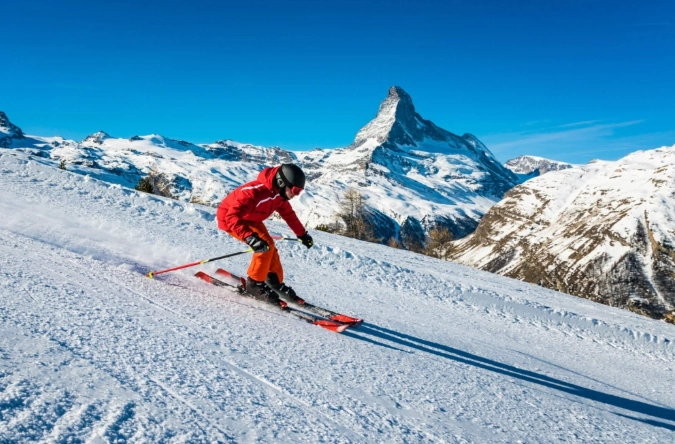
Terrain & Snow: This is a mountain for confident skiers. The expert terrain—the chutes, the cliffs, the bumps—is world-class. But what's often overlooked is that it has plenty of fantastic intermediate cruising terrain off the Casper and Après Vous chairs. The snow is typically the glorious dry powder of the Rocky Mountains.
The Vibe: The town of Jackson is a real Western town with a cool, laid-back but athletic vibe. It feels authentic, not a theme park. Teton Village at the base is more resort-focused. The aprés-ski at the Mangy Moose is legendary.
Who It's For: Advanced and expert skiers looking for a challenge. Strong intermediates who are ready to step up their game. Wildlife enthusiasts (Grand Teton National Park is next door!).
The Catch: The intimidation factor is real. The mountain looks and feels big and steep. It can be brutal for true beginners. It's remote and can be expensive to get to. Like any Rocky Mountain resort, snow conditions can vary, and early/late season coverage can be tricky on the steep stuff.
To understand the scale and conservation ethos of the area, the National Park Service page for Grand Teton provides great context.
Aspen Snowmass, USA
Aspen is synonymous with luxury and celebrity, but that often overshadows the fact that it's home to four incredible mountains (Aspen Mountain, Aspen Highlands, Buttermilk, Snowmass) on one lift ticket. It's a collection of famous ski mountains in one destination.
Terrain & Snow: Each mountain has a distinct personality. Aspen Mountain (Ajax) is steep, right in town, and expert-friendly. Highlands has the infamous Highland Bowl hike-to terrain. Buttermilk is a beginner/intermediate and terrain park paradise. Snowmass is the giant family-friendly mountain with a bit of everything. The Colorado snow is generally excellent.
The Vibe: Aspen town is glitzy, expensive, and full of world-class shopping and dining. Snowmass Village is more relaxed and family-oriented. You can choose your vibe based on where you stay.
Who It's For: Groups or families with diverse skill levels. Experts who want challenging, in-bounds terrain. Anyone who wants a high-end, full-service vacation with incredible off-slope amenities.
The Catch: The cost. Everything in Aspen is premium-priced. The "see and be seen" atmosphere isn't for everyone. Ajax mountain is not beginner-friendly at all.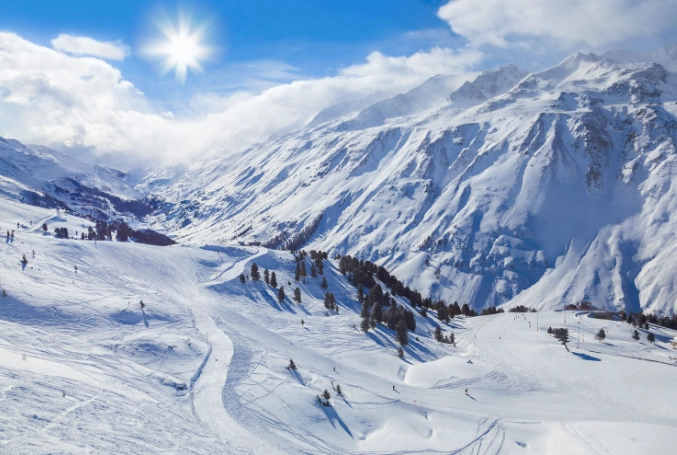
Let's put some of this key data side-by-side to make comparisons easier.
| Mountain / Resort | Location | Key Elevation (Base/Top) | Skiable Area | Best For | Biggest Drawback |
|---|---|---|---|---|---|
| Whistler Blackcomb | British Columbia, Canada | 2,140 ft / 7,494 ft (653m / 2,284m) | 8,171 acres | Size, Variety, Village Life | Crowds, Unpredictable Coastal Weather |
| Chamonix | French Alps, France | Varies by sector (~3,280 ft / ~12,605 ft) | ~27,000 acres (linked valleys) | Experts, Off-Piste, Alpine Tradition | Fragmented Layout, Not for Beginners |
| Zermatt | Swiss Alps, Switzerland | 5,249 ft / 12,740 ft (1,620m / 3,883m) | ~13,000 acres (with Cervinia) | Scenery, Snow Reliability, Luxury | Extreme Cost |
| Niseko United | Hokkaido, Japan | ~984 ft / 3,937 ft (300m / 1,200m) | ~2,191 acres | Powder Snow, Tree Skiing, Culture | Weather (Wind, White-outs), Long Travel |
| Jackson Hole | Wyoming, USA | 6,311 ft / 10,450 ft (1,924m / 3,185m) | 2,500 acres | Expert Terrain, Steep & Deep, Western Vibe | Intimidating for Less Confident Skiers |
| Aspen Snowmass | Colorado, USA | 8,104 ft / 12,510 ft (Snowmass) (2,470m / 3,813m) | 5,517 acres (4 mountains combined) | Terrain Diversity, Luxury Amenities | Overall Expense, Glitzy Vibe |
How to Choose Your Famous Ski Mountain: The Decision Matrix
Okay, you've seen the highlights. Now, how do you pick? Throwing a dart is one method, but a better one is to ask yourself a few key questions.
1. What's Your Skill Level & Ambition?
This is the most important filter.
- Beginners/Families with Newbies: Prioritize mountains with excellent, dedicated beginner areas, good ski schools, and gentle progression terrain. Niseko, Whistler (specific zones), Snowmass, and Zermatt are fantastic. Avoid Chamonix and Jackson Hole as primary choices.
- Intermediates: You have the most options! Look for resorts with vast networks of blue and red runs. Whistler, the Sella Ronda in the Dolomites, most major Austrian resorts like SkiWelt, and Park City are paradise. You want variety and mileage.
- Advanced/Experts: Your filter is challenge and off-piste access. Jackson Hole, Chamonix, Aspen Highlands, Revelstoke, and the back bowls of Vail should be on your shortlist. Research the guide culture and avalanche safety infrastructure.
2. What's Your Budget (Realistically)?
Be honest with yourself. The cost difference between Switzerland and Austria, or between Aspen and a lesser-known Colorado resort, can be thousands. Factor in:
- Lift Tickets: Shockingly expensive in North America, often more reasonable in Europe (outside Switzerland).
- Accommodation: On-mountain vs. nearby town? Luxury hotel vs. condo?
- Food & Drink: Eating on the mountain every day adds up fast. Does your accommodation have a kitchen?
- Travel: Flights, transfers, car rental.
3. What Do You Want Off the Slopes?
Are you a ski-til-you-drop person, or do you want a charming village to explore, great shopping, spas, and nightlife? A party crew will love St. Anton or Whistler Village. A foodie might pick Zermatt or Courchevel. A family wanting a quiet, self-contained base might prefer Beaver Creek or Sun Peaks.
4. How Important is Snow Reliability?
If you're booking months in advance for a specific week, this matters. High-altitude resorts and glaciers (like Zermatt, Tignes/Val d'Isère, Hintertux) offer the best insurance. Coastal or lower-altitude resorts (like some in the Pacific Northwest or the Alps in a warm winter) carry more risk. Check historical snow data, not just the marketing photos.
5. Crowd Tolerance & Logistics
Do you mind lift lines? If not, go wherever. If you do, consider:
- Shoulder seasons (late November, early December, April).
- Less famous but equally good neighboring resorts.
- Resorts with modern, high-capacity lift systems.
Also, how easy is it to get there? A resort requiring multiple flights, a long train ride, and a bus might eat up two days of your trip.
The perfect famous ski mountain for you is the one that matches your expectations with reality. Don't go to Jackson Hole to learn, and don't go to a small family hill expecting a wild aprés-ski scene. Match the mountain to the moment you're in.
Frequently Asked Questions (The Stuff You Actually Search)
Final Thoughts: It's About the Experience, Not Just the Name
Choosing among the world's famous ski mountains is a fantastic problem to have. Each one offers a distinct flavor of winter magic. The key is to look past the glossy marketing and understand the core personality of the place.
Are you looking for a challenge that will test your limits, or a relaxed cruise with breathtaking views? A non-stop party or a quiet retreat? A cultural immersion or a familiar home-away-from-home feel?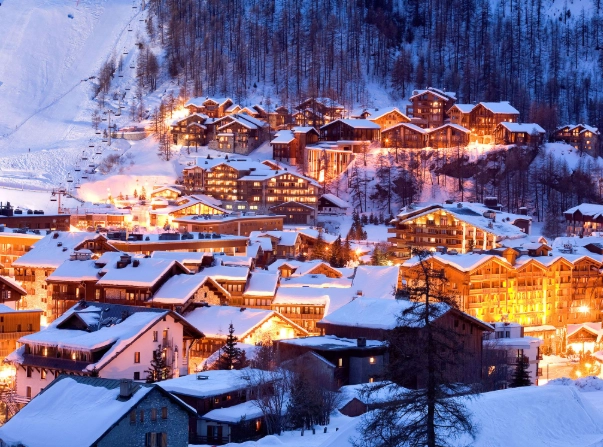
Do your homework. Read recent trip reports, not just the official brochures. Look at the trail maps carefully. Be realistic about your budget and skill level. And remember, sometimes the mountain right next to the most famous one can offer an equally amazing, if not better, experience without the hype and the price tag.
The mountains aren't going anywhere. Pick one that calls to you, plan smartly, and go make some memories. The shared stories of conquering a new run, laughing through a face shot of powder, or simply soaking in the alpine air at the end of the day—that's the real fame these places have earned.