You see the sign at the top of the lift: a green circle. It promises an easy, gentle slope back to the lodge. For a first-time skier, that green circle is a beacon of safety. But here's something most articles won't tell you: not all green runs are created equal, and misunderstanding that simple symbol is the number one reason new skiers have a miserable—or even scary—first day. The meaning of a green circle run goes far beyond "easy." It's a system, a language, and your key to unlocking a lifetime of fun on the mountain.
I learned this the hard way. My first "green" run at a large Western resort felt like a steep, icy nightmare littered with fearless kids zipping past me. I spent more time on my backside than my skis and almost quit right there. The problem wasn't me; it was my understanding of the rating. That day taught me that green circle runs meaning is about context, not just a flat guarantee.
What's Inside This Guide
The Universal Ski Trail Difficulty System Explained
In North America, we use a shape-and-color code. It's not a government standard, but it's followed by nearly every ski area from Vermont to British Columbia. The system is relative to that specific resort's terrain. A green at a challenging mountain like Snowbird might feel like a blue at a smaller, mellower hill.
| Symbol | Name | What It Really Means | Typical Gradient |
|---|---|---|---|
| ● Green Circle | Beginner / Easy | Wide, groomed, gentle slopes. Perfect for first-timers and practicing basic turns. The "learning highway." | 6% to 25% grade (very gentle to mild) |
| ◆ Blue Square | Intermediate | More pitch than greens, may have varied terrain and narrower sections. Requires confident linked turns. | 25% to 40% grade |
| ◆ Black Diamond | Advanced | Steep, may be ungroomed, with moguls, trees, or other challenges. For expert skiers only. | 40%+ grade |
| ◆◆ Double Black Diamond | Expert | Extremely steep, often with cliffs, tight trees, and variable snow. Highest risk terrain. | Extreme, often 50%+ |
Remember, a resort's easiest run is a green, but its hardest green might border on a low-level blue elsewhere. Always check the trail map for specifics like grooming status (a groomed green is smoother than an ungroomed one). The National Ski Areas Association provides a good overview of the intent behind these ratings, emphasizing they are for comparison within a single area.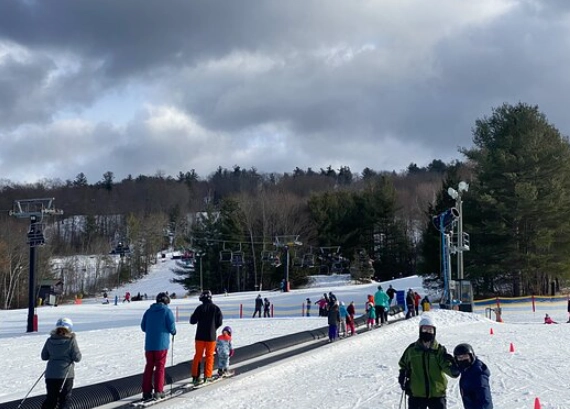
Pro Tip: Don't just look for the green circle. Look for the trail's name on the map. Names like "Easy Street," "Beginner's Luck," or "Meadow" are dead giveaways for the absolute gentlest slopes. Names like "Canyon Run" or "Glacier Trail" might still be green, but could be longer, narrower, or have more rolling terrain.
How to Actually Choose the Right Green Circle Run for You
Picking your first run isn't guesswork. Follow this checklist before you get on the lift.
1. Consult the Trail Map Like a Pro: Don't just glance. Find the green runs connected to the beginner lift (usually a slow-moving carpet, magic carpet, or chairlift marked clearly). See if they loop back to the same lift—this is a "learning area" and is your safest bet.
2. Ask a Specific Question: Find a ski instructor or mountain host (often in a distinctive jacket). Don't ask "Where are the green runs?" Ask this instead: "I'm brand new today. Which green run off the [name of beginner lift] is the absolute widest and most gentle for my very first run?" This gets you the expert local knowledge.
3. Assess the Visual from the Lift: As you ride up, watch the trails below. Look for the one with the most beginners, the slowest traffic, and the widest path. That's your target.
The One Thing Ski Schools Know That You Don't
Ski schools almost never start on the steepest part of a green run. They start on the flattest section, often near the bottom or on a specially fenced-off area. Your goal for run #1 isn't to go top-to-bottom. It's to find a manageable, gentle pitch where you can practice the wedge (pizza) and getting used to your edges. If the top looks intimidating, ski halfway down from the lift mid-station or just practice on the beginner slope by the lodge.
How to Confidently Ski Your First Green Circle Run
You've picked your run. Now, let's ski it. This is the sequence I teach friends.
Step 1: The Safety Stop. When you get off the lift, move away from the crowd and find a safe spot to put your skis on. Look uphill before merging onto the trail. This isn't a highway, but the same rule applies: yield to skiers below and ahead of you.
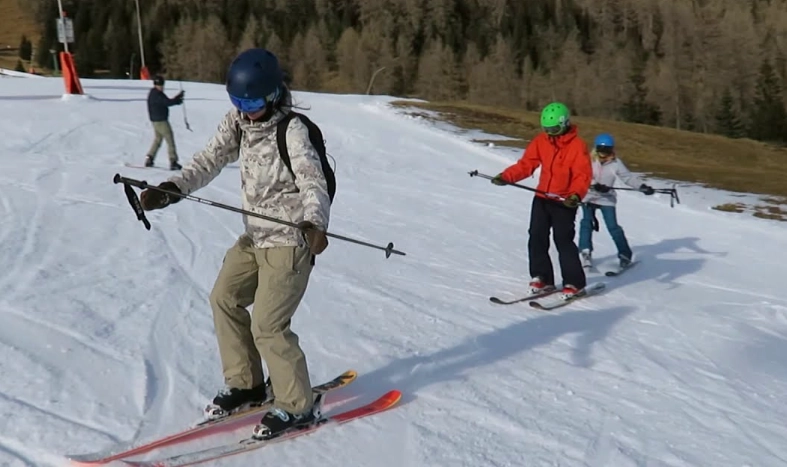
Step 2: The Side-Slip Test. Don't point your skis downhill right away. Point them across the hill. Let them slide sideways a little (a sideslip). This gets you used to the edge of your ski biting into the snow. Feel the control. This 30-second drill builds more confidence than anything else.
Step 3: The Wedge Turn Rhythm. Make your first goal to link just two turns. Form a wide, stable wedge (pizza slice). Gently press on your right foot to go left, left foot to go right. Look where you want to go, not at your ski tips. Finish each turn by pointing your skis across the hill again to control speed. One turn, stop. Next turn, stop. String two together. Celebrate.
The entire run might take you 30 minutes. That's fine. Speed is not the objective. Control is.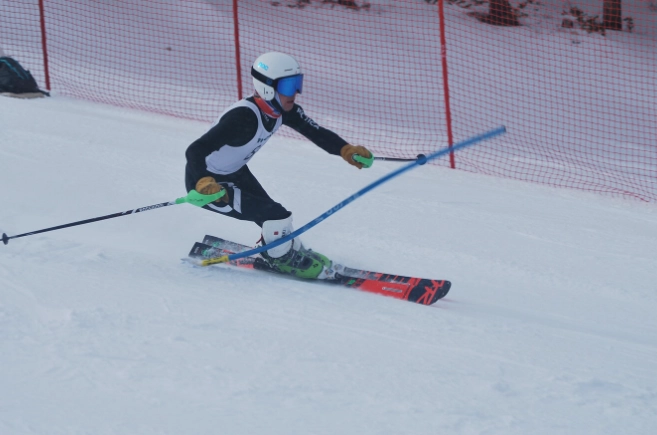
What Are the Common Mistakes on Green Circle Runs?
Here’s where that "10 years of experience" perspective comes in. I see these every weekend.
Mistake 1: Assuming It's a Straight Line. Greens often have rolls, subtle dips, and cat tracks (flat connecting paths). New skiers panic when they pick up a little speed on a roll. Expect it. Make a turn to control it. It's part of the design.
Mistake 2: The Death Grip Pole Carry. You don't steer with your poles. Hold them correctly: straps on your wrists, grips in front of you like you're holding bike handlebars. If you're clutching them like weapons, you're tensing your whole upper body.
Mistake 3: Letting Peer Pressure Win. Your friend says, "This green is easy, let's try that blue!" If you're still thinking hard about every turn on the green, you're not ready. The jump from green to blue is the biggest technical leap in skiing. A solid blue run requires you to make parallel turns, not just wedges. Stick on greens until your wedge turns are automatic and you can control your speed on every part of the run.
A Real-World Example: Green Runs at Jackson Hole
Let's get concrete. Jackson Hole Mountain Resort in Wyoming is famous for terrifying expert terrain. But they have fantastic, well-designed green runs. Looking at their trail map is a masterclass in ski trail difficulty ratings.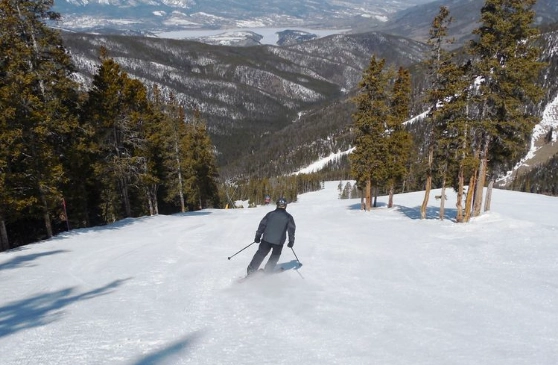
The Teewinot Chair (Area: Après Vous Mountain)
- Run Name: Easy Does It and Juniper Ridge.
- What Makes it Ideal: These are dedicated, wide, meticulously groomed beginner trails. They have their own dedicated slow-speed lift. They are protected from faster skiers cutting through. This is the gold standard for a learning zone.
- My Take: This is where every first-timer at Jackson should start, not the more famous Cache Creek area which has narrower green cat tracks that can intimidate beginners.
The Sweetwater Gondola (Area: Casper Bowl)
- Run Name: Molly's Run.
- What Makes it Different: This is a long, scenic green that winds down from higher up the mountain. It's a true "adventure" for a confident beginner. It's wider than a cat track but has more terrain variation than the Teewinot greens.
- My Take: This is the perfect "graduation" green run. Try it after you've mastered the Teewinot area. It builds mileage and confidence with beautiful views. Check the grooming report—it's best when freshly groomed.
You can apply this analytical approach to any resort. Find the dedicated learning area first, then the longer scenic green runs.
Your Green Run Questions, Answered
So, the green circle runs meaning boils down to this: it's your invitation, your practice ground, and your foundation. Respect it as a system, not just a label. Choose your first run wisely, focus on control over distance, and you'll build the skills—and the stoke—that turn a nervous first day into a lifelong passion. Now get out there and make some turns.