Guide to the Phases
- The Foundation: It All Starts Before the Jump
- Phase One: The In-Run – Where the Flight is Programmed
- Phase Two: The Take-Off – The Make-or-Break Millisecond
- Phase Three: The Flight – Becoming a Human Glider
- Phase Four: The Landing – The Graceful Return to Earth
- Putting It All Together: The Chain Reaction
- Beyond the Basics: Common Questions Answered
- Final Thoughts: The Beauty of the Four Phases
If you've ever watched ski jumping, it looks like pure magic. One second an athlete is crouched on a icy track, the next they're flying through the air like a bird, landing smoothly what feels like a football field away. It seems effortless, but I can tell you from trying (and failing miserably) on a small hill once, it's anything but. The grace hides an insane amount of physics, precision, and technique broken down into distinct phases.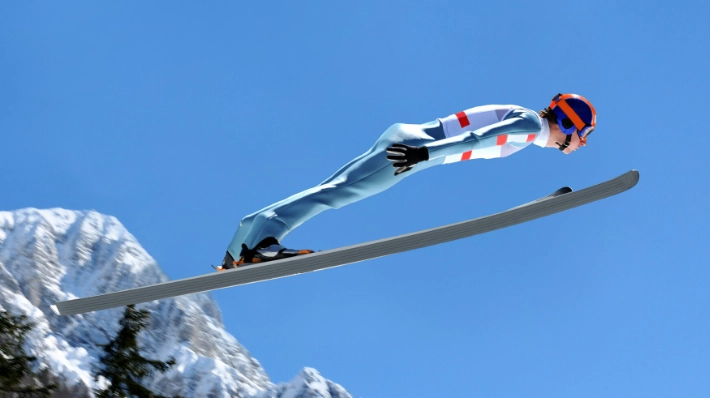
That's the core question we're tackling today: what are the four main phases of ski jumping? It's not just academic. Understanding these phases—the in-run, the take-off, the flight, and the landing—is how you go from seeing a blur of motion to appreciating the sheer skill on display. It's the difference between watching and seeing.
Let's break it down, phase by phase. We'll get into the nitty-gritty of what happens, the common mistakes that cost jumpers precious meters (and style points), and even some of the science behind the soar. I'll throw in some observations from watching countless events, where the smallest hiccup in one phase ruins everything that follows.
The Foundation: It All Starts Before the Jump
Before we dive into the four phases themselves, context matters. Ski jumping isn't a series of disconnected moves. It's a continuous chain, where each phase sets up the next. A poor in-run posture destroys any chance of a powerful take-off. A bad take-off angle makes a stable flight impossible. You get the idea. It's a domino effect of athletic precision.
The equipment is part of this foundation, too. Those long, wide skis aren't for show—they're wings. The ski jumping suit is designed for aerodynamics, not just warmth. The boots are hinged to allow that dramatic forward lean. Ignoring this setup is like talking about a race car's lap time without mentioning the engine.
Everything is connected. Remember that.
Phase One: The In-Run – Where the Flight is Programmed
The Goal and The Stance
This is the launch track, the steep, icy chute that propels the jumper towards the take-off table. The goal here isn't just to go fast—it's to achieve maximum speed while establishing an aerodynamic and balanced position that can be smoothly converted into the take-off. It's about storing potential energy, both in the skis' momentum and the athlete's coiled body.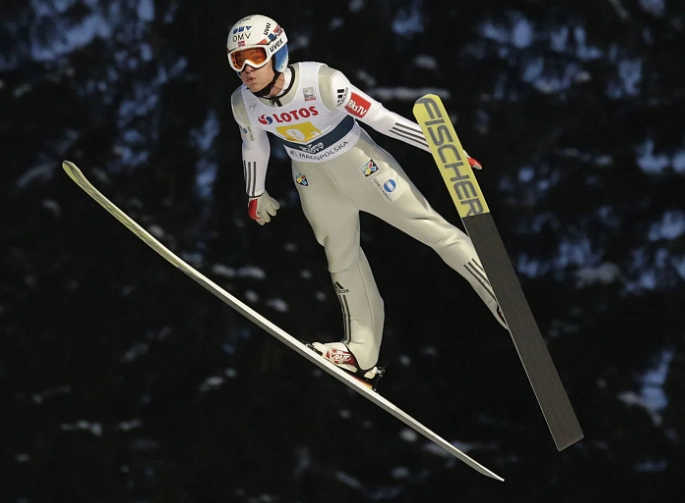
Jumpers adopt a deep, low crouch. The torso is nearly parallel to the skis, head up looking down the track. Arms are back, hands usually around the hips or behind. The idea is to minimize air resistance. It looks uncomfortable, and it is. Holding that tuck for the entire in-run, which can last several seconds on large hills, is a brutal test of quad and core strength.
Aerodynamics 101: In this phase, the jumper is essentially a human bullet. The low profile reduces the frontal area, drastically cutting drag. Even a slight head lift or a change in arm position can create turbulence and sap speed. At the end of a 90-meter hill in-run, they're traveling at around 60 mph (95 km/h). Every fraction of a mph lost here is a meter lost in the air.
Common Pitfalls in the In-Run
This is where nerves show. A wobbly, unstable tuck means inconsistent pressure on the skis, which can lead to a slight skid or vibration. That's death for speed. I've seen jumpers who look shaky in the track, and you just know their jump is compromised before they even leave the hill.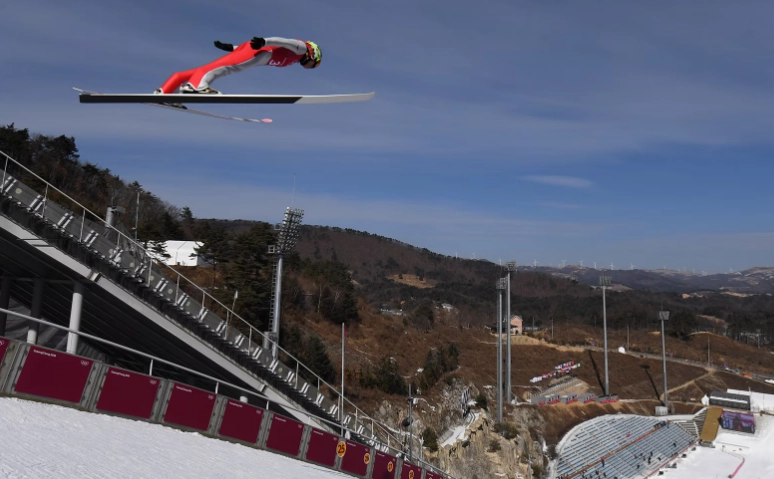
Another subtle error is being too rigid. The body needs to be a shock absorber for the bumps and vibrations of the track. Locking up the knees and ankles means any irregularity gets transmitted through the whole body, upsetting balance. It's a tense calm, not a frozen statue.
Wind is the wild card. A headwind reduces speed, a tailwind increases it but can destabilize. This is where experience and feel are irreplaceable. You can't just robotically hold a position; you have to actively manage it against the elements.
Phase Two: The Take-Off – The Make-or-Break Millisecond
If I had to pick the single most critical moment in ski jumping, this is it. The take-off is the explosive transition from sliding projectile to flying object. It happens in a blink, at the very edge of the take-off table (the "knoll").
This is where competitions are won and lost.
The Mechanics of Explosion
As the jumper's skis reach the end of the table, they execute a powerful, upward-and-forward extension of the legs, hips, and ankles. It's not a jump up in the classic sense. It's more of a rapid, forceful uncoiling of the body from the in-run tuck. The arms swing forward and upward to aid momentum. The timing is everything—too early and you lose platform; too late and you're just falling off the hill.
The desired outcome is an optimal flight trajectory. Too steep and you'll climb then stall. Too shallow and you'll never achieve height and distance. The perfect take-off generates a smooth, parabolic curve.
The Big Mistake: The most common error amateurs (and struggling pros) make is "jumping for height." They think they need to leap upwards. This creates a vertical impulse that kills forward momentum and leads to a steep, short flight path. The best jumpers look like they're being pushed forward off the hill, not jumping up from it.
What Does a Good Take-Off Feel Like?
I've spoken to coaches who say a perfect take-off feels like a sudden, effortless release. The energy from the in-run flows through the legs and out, converting horizontal speed into an ideal flight angle. There's a sensation of the hill dropping away beneath you, not of you laboriously leaving it. When you see a jumper look suddenly light and loose right at the take-off, you're witnessing this mastery.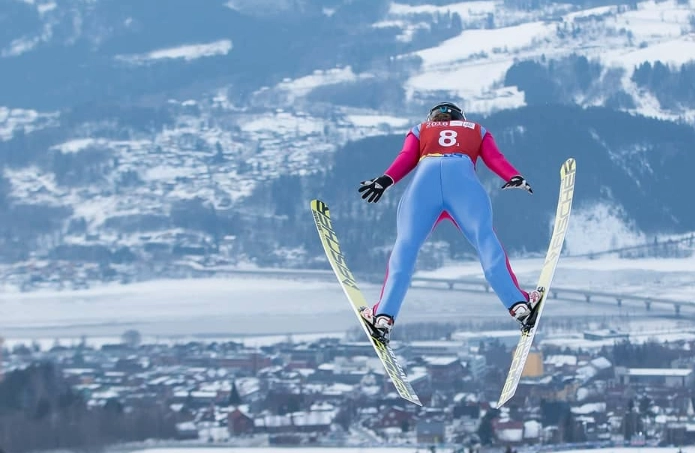
Phase Three: The Flight – Becoming a Human Glider
This is the iconic part, the silent soar that captures everyone's imagination. Once airborne, the jumper's job is to maximize lift and minimize drag to cover as much horizontal distance as possible before gravity wins. This is where the "V-style" revolutionized the sport.
Mastering the V-Style
Gone are the days of parallel skis. Modern jumpers immediately form a wide "V" shape with their skis after take-off, with the tips splayed far apart. The body lies down onto an imaginary cushion of air, with the chest close to the skis. This posture does two incredible things:
- It turns the jumper and skis into a single, large wing-like surface, generating significantly more lift.
- It allows for precise, subtle steering and balance adjustments by minute movements of the skis, feet, and upper body.
It looks serene, but it's a battle of micro-adjustments. The jumper is constantly reading the air pressure, feeling for gusts, and making tiny corrections to maintain optimal attitude.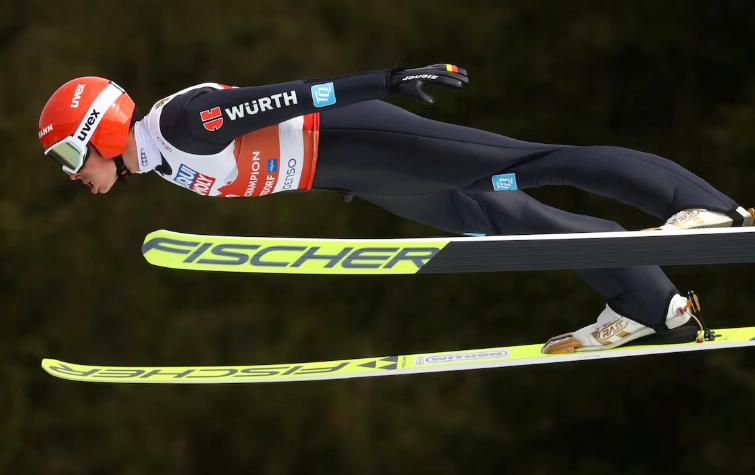
| Flight Phase Element | Purpose & Effect | Common Error |
|---|---|---|
| V-Style Width | Maximizes lift surface area. Wider V = more lift, but harder to control. | Skis too narrow (reduced lift) or uneven (causes rotation). |
| Body Position (Attack Angle) | Angle between torso and skis. Fine-tunes lift/drag balance. | Body too high (increased drag) or too low (stalls lift). |
| Arm Position | Airs for balance and minor steering. Usually back along the body. | Flailing arms create drag and disrupt stability. |
| Head Position | Look down the landing hill. Head up disrupts spine alignment. | Looking at the ground or sky ruins body line. |
The Invisible Fight: Stability vs. Distance
There's a constant trade-off. The most aggressive, flat position gives the most distance but is the least stable. A more conservative, higher position is stable but costs meters. Jumpers choose their aggression based on wind conditions, their feel that day, and the competition situation. Sometimes, a safe, stable jump that gets a good distance is better than a max-distance attempt that ends in a crash or a wild, style-point-killing landing.
Wind plays its biggest role here. A sudden headwind can provide extra lift; a tailwind can cause a jumper to "pancake" and drop. The best flight technicians, like the legendary Janne Ahonen or Ryoyu Kobayashi, seem to have a sixth sense for the air, riding it like a surfer on a wave.
Watching this phase from the side of the hill is hypnotic. The silence is broken only by the rush of wind. You can almost see them thinking, adjusting, feeling. It's the purest part of the sport, a mix of art and physics happening 10 meters off the ground.
Phase Four: The Landing – The Graceful Return to Earth
All that flight must end, and how it ends is crucial for safety and for points. The landing isn't just about stopping; it's a scored element (style points) and the critical deceleration phase.
The Telemark Landing
The signature move. As the jumper descends towards the steeply sloped landing hill (the "out-run"), they prepare for impact. The ideal is the Telemark landing: one ski ahead of the other, knees deeply bent, torso upright, and arms out to the sides for balance. The front knee is bent at about a 90-degree angle, the back leg more extended. It's a stable, shock-absorbing stance that looks elegant and controlled.
Why Telemark? History and function. It's a stable, four-point contact system (two ski tips, two feet) that prevents the skis from crossing or slipping out on impact. It also demonstrates control, which impresses the judges.
The Physics of Stopping
The landing hill isn't flat by accident. Its steep slope (around 38 degrees at the point of impact) allows the jumper to match the hill's angle, reducing the relative impact force. They don't so much "hit" the ground as they merge with it. The deep knee bend absorbs the remaining energy. Then, they simply ride down the rest of the out-run, standing up gradually as the slope decreases, using air resistance and snow friction to slow down.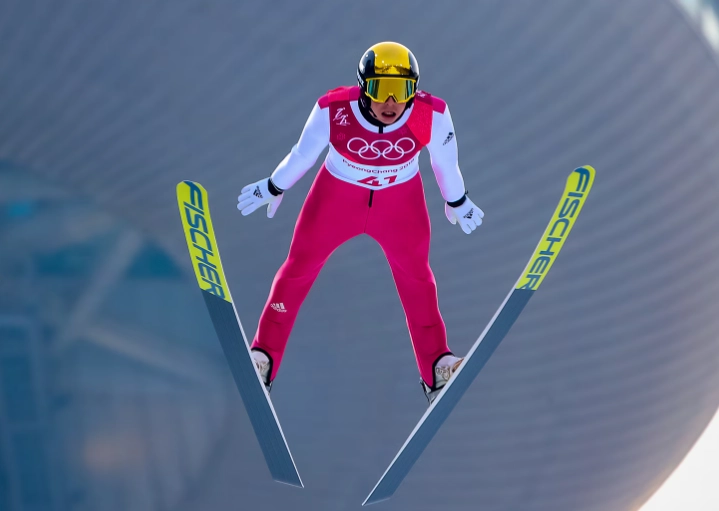
Judging Note: Judges award up to 20 style points per judge (typically five judges), and the landing is a huge part of that. A flawless Telemark with no wobble, a steady ride-out, and a confident finish earns top marks. A shaky landing, a step ("foot touch"), or worst, a fall, decimates the score. You can have a monster distance, but a botched landing can drop you from the podium.
A fall here, after a beautiful flight, is heartbreaking to watch. All that work, undone in a split second of imbalance. It underscores how the four phases of ski jumping are a complete package. You're not done until you've stopped safely.
Putting It All Together: The Chain Reaction
So, when someone asks, "what are the four main phases of ski jumping?" you now know it's a story with four chapters, each dependent on the last.
A flawless in-run sets the table for a powerful take-off. A perfectly timed take-off enables a stable, far-reaching flight. A controlled flight allows for a prepared and graceful landing. Break any link, and the chain fails. That's why consistency is so prized in this sport. It's not about one magical jump; it's about repeating this complex, high-stakes sequence jump after jump, competition after competition.
It looks simple. It is profoundly not.
Beyond the Basics: Common Questions Answered
Let's tackle some of the other things people wonder after they learn what the four main phases of ski jumping are.
They don't, not precisely. They have a "feel" based on speed, take-off sensation, and flight feedback. Coaches at the side give visual signals (like moving along a board) to indicate if they're on a long or short trajectory, which can inform minor flight adjustments. The hill is marked with distance lines (K-point, hill size), so they know roughly where they are relative to the target.
The K-point (Kritisch Punkt, or critical point) is the hill's target landing zone. On a K-90 hill, it's 90 meters from the take-off. Jumping to the K-point earns a baseline of 60 distance points. Go beyond, you get extra points; come up short, you lose points. The Hill Size (HS) is a newer metric indicating the approximate furthest safe landing point. The International Ski Federation (FIS) governs these specifications and the sport's rules, ensuring standardization across venues.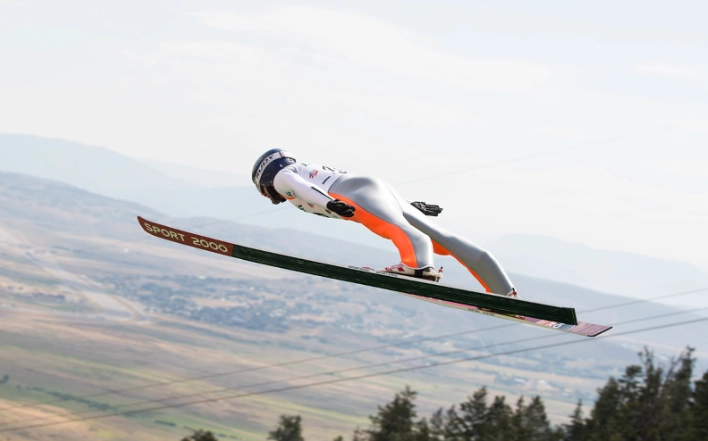
I asked a former junior jumper this once. He laughed. "The first time, terrifying. Your brain screams that you're doing everything wrong. After thousands of jumps, it's about focus, not fear. The fear is in the preparation—waxing, wind checks. The jump itself is just executing the plan." The danger is real, which is why safety, technique, and hill conditions are paramount. The FIS and national bodies have extensive safety protocols.
You don't start on a K-120. It begins on tiny plastic or snow hills, learning the in-run tuck and a basic take-off for a hop of a few meters. Mastering the landing posture is lesson number one. It's a gradual, coached progression over years. Most elite jumpers start as young kids. For a fascinating look at technique progression and training methods, the U.S. Ski & Snowboard website has resources, though the heart of the sport remains in traditional European nations like Norway, Germany, Austria, and Poland.
Final Thoughts: The Beauty of the Four Phases
Understanding what are the four main phases of ski jumping transforms how you watch. You stop seeing a single jump and start seeing a narrative. You'll notice the jumper who looks rock-solid in the in-run, the one whose take-off pop looks just a fraction late, the flier who is subtly working the air, and the lander who sticks the Telemark like it's nothing.
It elevates the sport from a spectacle to a technical masterpiece. Each phase is a puzzle piece. When they all snap together perfectly, it's one of the most beautiful things in all of sports. And when they don't, you can usually pinpoint exactly why.
Next time you watch, look for the chain. The in-run, the take-off, the flight, the landing. See how they flow. You'll gain a whole new respect for the athletes who make it look so easy, phase after perfect phase.