Explore the Guide
- The Heart of the Matter: How Biathlon Actually Works (The Rules)
- The Stage Where Dreams Are Made: Major Competitions
- Beyond Watching: What If You Want to Try Biathlon?
- Answering the Questions You're Probably Asking
- The Nuts and Bolts: Race Formats Demystified
- Wrapping This Up: Your Next Step into the Biathlon World
I remember the first time I saw a biathlon race on TV. Honestly, I was confused. One minute, an athlete was gliding silently on skis, looking almost peaceful. The next minute, they were lying on their stomach, heart pounding, trying to hit a tiny target 50 meters away. The contrast was wild. It looked incredibly hard, and maybe a bit crazy. But it was also fascinating. That mix of endurance and precision, of calm and intense focus – it hooked me. Maybe you've had a similar moment, watching the Winter Olympics or a Biathlon World Cup event and wondering, "How does this even work?"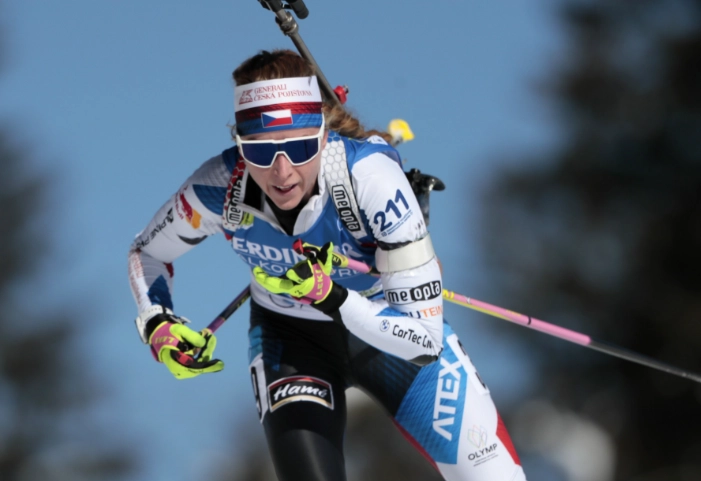
Well, you're in the right place. This isn't a dry, textbook explanation. Think of this as a chat with someone who fell down the rabbit hole of the biathlon world and wants to share what they've learned. We'll talk about the rules, the big races, the gear, and even how a regular person might dip their toes into this unique sport. Forget the jargon for a minute. Let's just get into it.
The Heart of the Matter: How Biathlon Actually Works (The Rules)
If you're going to follow any sport, you need to know the basic goals and penalties. Biathlon's rules are surprisingly straightforward once you get past the initial "wait, why?" factor.
Every race involves skiing a certain distance, broken up by shooting stages. The skiing part is classic cross-country technique – it's a full-body cardio grind. The shooting part is where things get tense. Athletes carry a small-bore rifle (a .22 caliber) on their back while skiing. When they reach the range, they must shoot at five targets from either a prone (lying down) or standing position.
Here’s the crucial bit: those targets are small. The black aiming disc is about the size of a grapefruit (45mm for prone, 115mm for standing). From 50 meters away, that's a seriously tough shot, especially when your heart is racing at near-maximum capacity. Miss a target? That's where the penalty comes in.
Penalty Systems: Loops vs. Time
This is a key piece of biathlon strategy. There are two main penalty systems, and which one is used depends on the race format.
- Penalty Loops: This is the most common one you'll see in Biathlon World Cup events. For every target missed, the athlete must immediately ski a 150-meter penalty loop, which typically adds about 20-30 seconds to their time. It's a visual, immediate punishment. You can literally see a racer's mistake costing them positions as they divert off the main track.
- Time Penalty: In the Individual race (one of the classic formats), each missed target adds one minute to the athlete's total finish time. This is a massive penalty. Missing two shots can essentially take you out of contention. It places a huge premium on accuracy over raw speed.
Which system is "better"? Fans argue about it. Penalty loops are more dramatic for TV – you see the consequence unfold in real-time. The time penalty feels more pure, a straight mathematical equation of speed versus precision. I lean towards liking the penalty loops for the spectacle, but you can't deny the nerve-wracking tension of the one-minute add-on.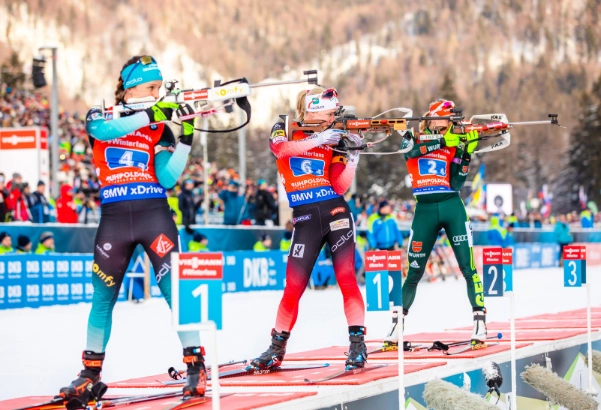
The Stage Where Dreams Are Made: Major Competitions
The biathlon world calendar revolves around a few pinnacle events. Knowing these is key to understanding the sport's rhythm and what the athletes are fighting for.
The Biathlon World Cup: The Grueling Season-Long Grind
This is the bread and butter. Think of it like the Premier League or Formula 1 circuit for biathlon. It's a series of about 20-25 race weekends, typically starting in late November in Northern Europe and running through March. Athletes accumulate points across multiple races (sprints, pursuits, individuals, mass starts) to win the overall Crystal Globe trophy.
The sheer travel and constant performance required make this the ultimate test of consistency. You might win an Olympic gold, but winning the overall World Cup is arguably a harder, more comprehensive achievement. The International Biathlon Union (IBU) manages this entire circuit, and their website (biathlonworld.com) is the official hub for schedules, results, and athlete profiles. It's a fantastic resource if you want to dive into current standings.
The Winter Olympics: The Global Spotlight
Every four years, biathlon gets its moment in the global Olympic spotlight. For many athletes, this is the pinnacle. The pressure is immense, and the audience is vast. The Olympic program includes individual, sprint, pursuit, mass start, and relay events for both men and women. The history of biathlon at the Games is rich, with nations like Norway, Germany, France, and Russia (under various flags) traditionally dominating. The International Olympic Committee's page on biathlon (olympics.com) is a great place to explore past champions and iconic moments.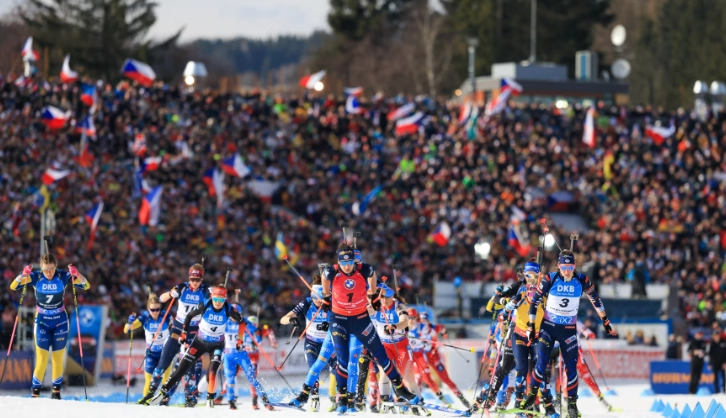
World Championships: The Annual Crown
Held in non-Olympic years (and sometimes in Olympic years too, but separately), the Biathlon World Championships award the iconic rainbow stripes to the winner in each discipline. Winning a World Championship gold medal is a career-defining feat. The atmosphere is intense, focused purely on biathlon, without the distraction of other Olympic sports.
So, what's the hierarchy? It's subjective. An Olympic gold has unmatched public recognition. A World Championship gold earns you eternal respect within the biathlon world. But the World Cup overall title proves you were the best, week in and week out, for an entire season. Most greats want to win all three.
Beyond Watching: What If You Want to Try Biathlon?
This is where most guides stop. They explain the sport but don't tell you how to cross from fan to participant. The idea of trying biathlon can seem impossible – it's a niche winter sport that requires specific, expensive gear and access to a shooting range on skis. But it's more accessible than you might think, especially in North America and Europe where clubs are growing.
I'll be honest, the barrier to entry is higher than joining a local soccer league. But let's break down the steps, because the biathlon world is actually quite welcoming to newcomers.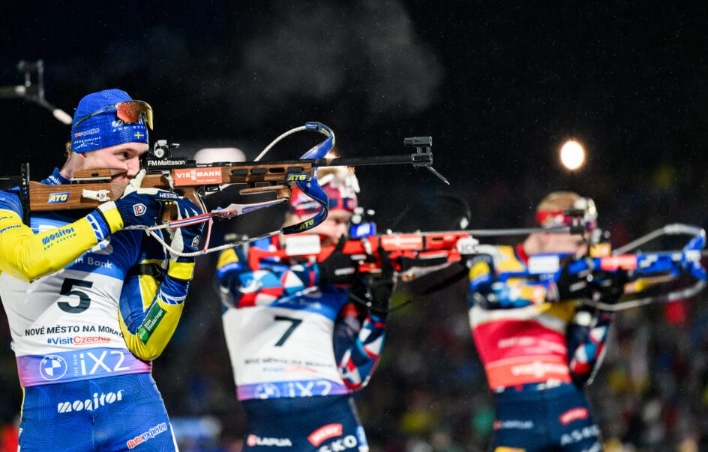
Step 1: Master the Foundation (Skiing)
You don't need to be an Olympian, but you need to be competent on cross-country skis. Classic technique is what's used in biathlon. Find a local Nordic center, take some lessons, and get comfortable gliding, kicking, and going up hills. Good news: this part is relatively easy to find and start. Bad news: it's a fantastic workout that will humble you quickly. My first time on proper Nordic skis, I spent more time on my backside than moving forward.
Step 2: Find a Club or Intro Program
This is the most important step. Search for "biathlon club" or "Nordic combined club" near you. In the United States, the United States Biathlon Association (usbiathlon.org) has a club finder and resources for getting started. In Canada, Biathlon Canada is the go-to. These organizations often run "Try Biathlon" days where they provide the rifles, ammunition, and basic safety instruction.
These intro sessions usually use laser rifles or air rifles at first, which removes the cost and licensing complexity of real firearms. You'll learn the safety protocols (paramount!), the basic shooting positions, and how to transition from skiing to shooting. The vibe at these events is almost always supportive and encouraging. Everyone remembers their first wobbly attempt.
Step 3: Gear Up (Slowly and Smartly)
Okay, the elephant in the room: the gear list looks intimidating and expensive. But you don't need the top-tier stuff to begin. Here’s a realistic priority list for a beginner.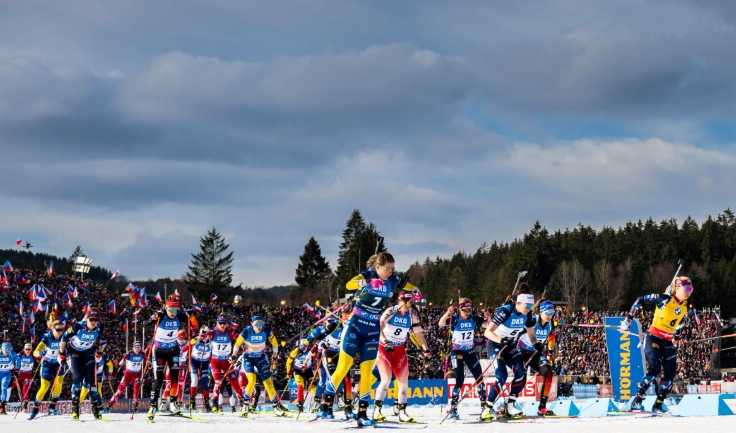
| Gear Item | Beginner Priority | Notes & Real Talk |
|---|---|---|
| Cross-Country Skis, Boots, Poles | HIGH (Essential) | Rent first! See if you like it. Classic skis are what you need. Don't buy racing skis; get a sturdy recreational pair. |
| Rifle & Accessories | LOW (Club Provides) | Do NOT buy a rifle first. Clubs have loaners. The legalities (especially in the US) are complex. Use club gear for your first year or two. |
| Shooting Mat & Glove | MEDIUM | A cheap gardening knee pad works for a prone mat initially. A simple, tight-fitting glove for your trigger hand helps. |
| Apparel | MEDIUM | Layers are key. You need warm, moisture-wicking base layers, a good mid-layer, and a windproof shell. Ski-specific clothing is best but not required day one. |
| Eye & Ear Protection | HIGH (Safety First) | Non-negotiable. Basic shooting glasses and earplugs/muffs are cheap and vital. The club will insist on this. |
The cost fear is real. A competition-level biathlon rifle (like an Anschütz) can cost more than a used car. But remember, the biathlon world for beginners is not about that. It's about using club equipment, getting the feel, and seeing if the unique challenge speaks to you. I know several people who trained and competed for years using a club rifle.
Answering the Questions You're Probably Asking
When you start exploring the biathlon world, certain questions pop up again and again. Here are my straight-shooting answers.
The Nuts and Bolts: Race Formats Demystified
If you tune into a Biathlon World Cup broadcast, you'll hear them talk about Sprints, Pursuits, and Mass Starts. What's the difference? It's not just distance.
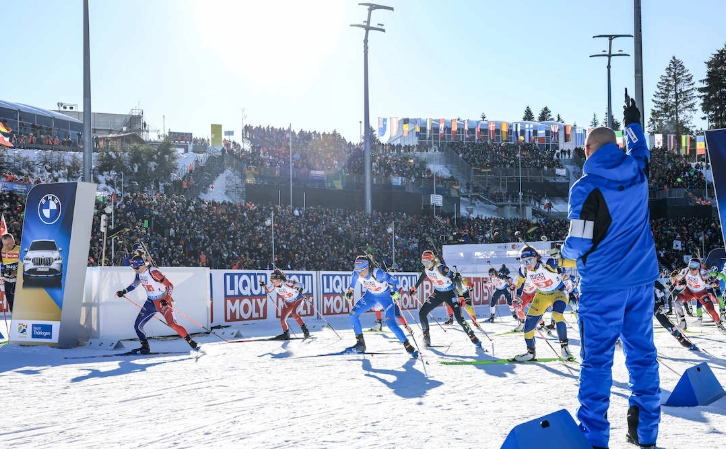
- Sprint: The basic building block. Men ski 10km, women 7.5km, with two shooting stages (one prone, one standing). Each miss equals a penalty loop. Your finishing time in the Sprint determines your starting position in the next day's Pursuit race.
- Pursuit: A chase race. The winner of the Sprint starts first. Everyone else starts behind them, based on how many seconds they finished behind the Sprint winner. Men ski 12.5km, women 10km, with four shooting stages (two prone, two standing). First across the line wins. It creates incredible drama as athletes hunt each other down.
- Individual: The oldest, purest test. Longest distance (20km men, 15km women), four shooting stages. The twist? One-minute time penalty per miss, no penalty loops. This format heavily rewards accuracy. A single miss can be catastrophic.
- Mass Start: The most chaotic and exciting for spectators. The top 30 athletes all start at the same time. Men ski 15km, women 12.5km, with four shootings. It's a packed, tactical battle from the first second, with shooting under immense pressure as rivals come and go from the range.
- Relay: Team event. Each team has four athletes, each skiing a leg (usually 6-7.5km) with two shootings. Here's the key: for each shooting stage, you have 8 bullets to hit 5 targets. If you still have misses after using your 5 magazine bullets, you must load single spare rounds (by hand) until you hit all 5 or run out of spares. Each remaining miss is a penalty loop. The team tactics and the potential for dramatic comebacks are unmatched.
See? Each format changes the strategy. The Sprint is about clean shooting and raw speed. The Individual is a sniper's game. The Mass Start is a gladiatorial brawl. This variety is a huge part of what makes following the biathlon world so engaging week after week.
Wrapping This Up: Your Next Step into the Biathlon World
Look, biathlon isn't going to become as big as football. And that's okay. Its appeal is in its niche brilliance, its unique cocktail of skills, and the incredible athletes who master them. Whether you're just a curious fan wanting to understand the Olympic coverage better, or someone with a spark of "maybe I could try that," the door is open.
The best way to become a fan? Pick a Biathlon World Cup weekend this winter and watch. The IBU's YouTube channel often has highlights and even full races. Pick an athlete or a country to follow. Notice the shooting percentages, watch how they manage the range. It'll click.
And if you have that urge to try it… Google "try biathlon near me.
Email that local club. I promise you, the people there remember what it was like to be the new person, staring at a target that suddenly looked miles away, with legs that felt like jelly. They'll help you take the first step. The biathlon world, for all its intensity at the top, is built on a foundation of shared passion for a wonderfully weird and wonderful sport. See you on the track… or at least, cheering from the couch.