Your Ski Season Cheat Sheet
Let's cut to the chase. The best time to ski isn't a single date on the calendar. It's a sweet spot where good snow, manageable crowds, and decent prices overlap. After skiing for over a decade across three continents, I've seen too many people get this wrong. They chase the hype of peak season and end up battling lift lines on icy slopes. Here's the truth: the ideal time depends on what you value most—pristine powder, empty runs, or budget-friendly deals. In this guide, I'll break down the factors that matter, share regional insights, and give you practical steps to plan your perfect trip.
What Really Determines the "Best" Time to Ski?
Most blogs will tell you January or February. That's lazy advice. Snow conditions vary wildly year to year, and crowd levels can turn a dream vacation into a nightmare. To find your best time, you need to weigh three things: snow quality, crowd density, and cost.
Snow Quality: It's Not Just About Depth
Beginners think more snow is always better. Not true. I've skied in March with a 200-inch base that was hard as concrete because of freeze-thaw cycles. What matters is consistency. Early season snow (November-December) is often thin and man-made, but it can be great for grooming. Mid-season (January-February) tends to have colder temps, which preserve powder, but it's also when storms can dump too much snow, causing avalanche risks. Late season (March-April) brings warmer days and corn snow—perfect for cruising but terrible for deep powder. Check historical data from sources like the National Oceanic and Atmospheric Administration for trends, but remember, weather is unpredictable.
Crowd Levels: Why Avoiding Holidays Isn't Enough
Everyone knows to skip Christmas and New Year's. But what about President's Day weekend in the U.S. or half-term breaks in Europe? These are less obvious crowd magnets. I once went to Whistler in late January, thinking it'd be quiet, only to find it packed with Australian school groups. Research local school calendars and events. Mid-week skiing is always better, but even then, some months are inherently busier. February, for instance, sees a surge from Valentine's Day promotions.
Pro tip: Crowds aren't just about lift lines. They affect everything—parking, restaurant wait times, and even the vibe on the slopes. If you hate queues, consider shoulder seasons like early December or late March.
A Month-by-Month Breakdown for Smart Skiers
Here's a quick table to visualize the trade-offs. This is based on averages for major Northern Hemisphere resorts (Alps, North America). Southern Hemisphere seasons flip to June-September.
| Month | Snow Conditions | Crowd Level | Average Price | Best For |
|---|---|---|---|---|
| November | Variable, often man-made | Low | Budget | Early birds, park skiing |
| December | Improving, but can be thin | High around holidays | Peak (holidays) | Festive atmosphere |
| January | Cold, good powder potential | Moderate to high | High | Powder hounds |
| February | Peak snow depth | Very high | Very high | Reliable conditions |
| March | Warmer, corn snow forms | Moderate | Moderate | Sunny days, families |
| April | Spring skiing, variable | Low | Budget | Deals, late-season trips |
Now, let's dive deeper. March is my personal favorite. The snow is usually soft, the days are longer, and you can often find last-minute deals. But it's a gamble—if spring comes early, lower elevations can get slushy. I remember a trip to Colorado in March where we had perfect corn snow every morning, but by 2 PM, it turned to mush. Plan for early lifts.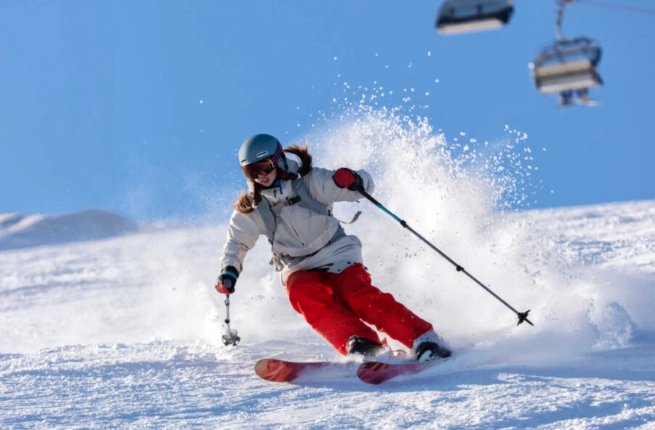
Top Ski Destinations and Their Prime Windows
This is where most guides fall short. They treat all ski areas the same. But geography changes everything. Here's a breakdown for popular regions.
The Alps: December to April, But Watch Out for Crowds
The Alps span multiple countries, so conditions vary. In general, January offers the coldest, driest powder, especially in high-altitude resorts like Val Thorens or St. Anton. However, European school breaks in February make it insanely crowded. A non-consensus view: late March to early April can be magical in the Alps. The snowpack is deep, crowds thin out, and you get sunny terraces for apres-ski. Check resort elevations—higher ones like Zermatt hold snow better into April.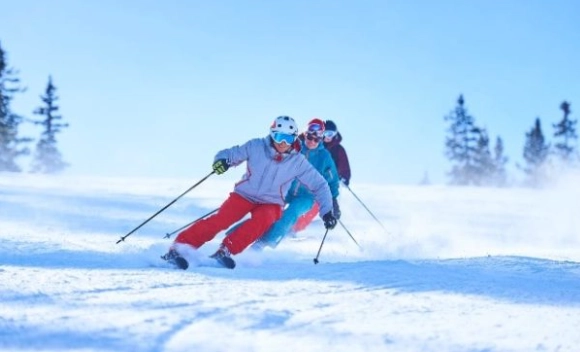
North America: From Thanksgiving to Easter, With Regional Twists
In the Western U.S. and Canada (think Whistler, Tahoe, Utah), the season runs November to April. The sweet spot is often late January to early February for powder, but it's peak pricing. I've found better value in early December, if you're willing to risk lower snow coverage. For the East Coast (Vermont, Quebec), January and February are coldest with the most reliable snow, but March brings warmer temps and fewer storms. Don't overlook the Midwest—places like Michigan can have great conditions in February, but it's brutally cold.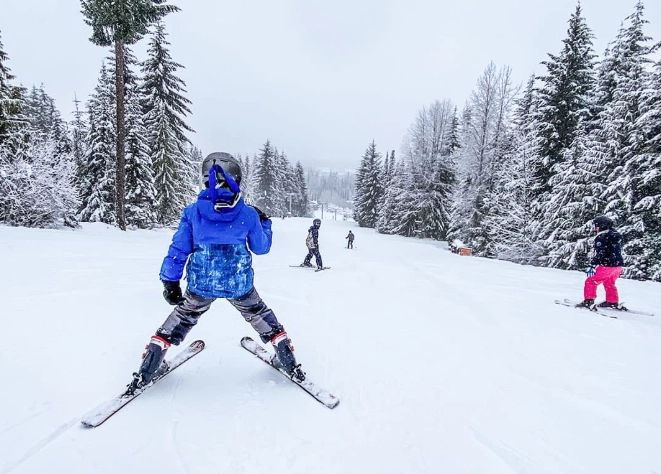
Japan: The Legendary January Powder
Japan's ski season is December to March, with January being prime for the famous deep powder in Hokkaido (e.g., Niseko). But here's a tip few mention: February sees more consistent snowfall, but also more tourists from Asia. If you want to avoid the crowds, consider early March. The snow is still excellent, and you might catch the tail end of the season with fewer people. I skied Hakkoda in March once and had untouched lines all day.
How to Plan Your Trip Like a Pro
Knowing the theory is one thing. Putting it into practice is another. Here's a step-by-step approach I use.
Step 1: Define your priorities. Are you after deep powder, empty slopes, or low cost? Rank them. For example, if powder is top, target January in high-altitude resorts. If budget is key, look at November or April.
Step 2: Pick your region based on time. If you're locked into a holiday period like Christmas, accept that crowds will be high. Choose a resort with extensive terrain to spread people out, like Park City or Les Trois Vallées.
Step 3: Monitor snow reports and forecasts. Don't just rely on historical data. Use tools like OpenSnow for daily updates. I start checking 2-3 weeks out. If a resort is having a bad snow year, be ready to pivot—maybe switch from the Sierra Nevada to the Rockies.
Step 4: Book flexibly. Airlines and hotels often have cancellation policies. I always book refundable rates when possible. For lodging, look for condos or Airbnb near the base—it saves time and hassle.
Step 5: Pack for variability. Even in peak season, weather can change. Bring layers, and don't forget sunscreen for spring skiing. A common mistake is overpacking heavy gear for March; it's often warmer than you think.
Personal anecdote: Last year, I planned a trip to Utah for mid-February, but the forecast showed a warm spell. I switched to British Columbia last-minute and scored fresh powder. Flexibility is your best friend.
FAQ: Ski Timing Questions You Were Afraid to Ask
Ultimately, the best time to ski is when it aligns with your goals. Use this guide as a starting point, stay flexible, and don't be afraid to explore off-peak times. Happy skiing!