Key Sections to Explore
It hits you the first time you watch biathlon on TV. The sheer absurdity of it. These athletes are skiing their hearts out, lungs burning, and then they have to stop, calm everything down, and shoot a tiny target 50 meters away. It's madness. Beautiful, precise madness. And the tool at the center of this chaos? The biathlon rifle. It's not a hunting rifle. It's not a target rifle. It's this weird, wonderful hybrid built for one of the most unique sports on earth.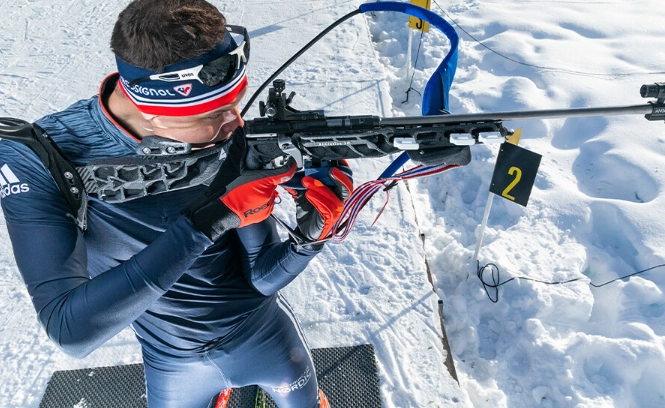
I remember the first time I held one. It felt... wrong, in a way. The balance was all in the back, the strap system was confusing, and the thought of carrying it while skiing seemed like a joke. But then you learn. You see how every single curve, every weight adjustment, every tiny feature is there for a reason. That's what we're going to dig into today. Not just the specs you can find anywhere, but the why behind them. The feel. The quirks. The stuff that actually matters when you're choosing one, using one, or even just trying to understand what makes these guns tick.
What the Heck Even Is a Biathlon Rifle? The Core DNA
At its heart, a modern biathlon rifle is a .22 Long Rifle caliber, bolt-action, five-shot repeating rifle. But that description is like calling a Formula 1 car "a vehicle with four wheels." It misses the point entirely.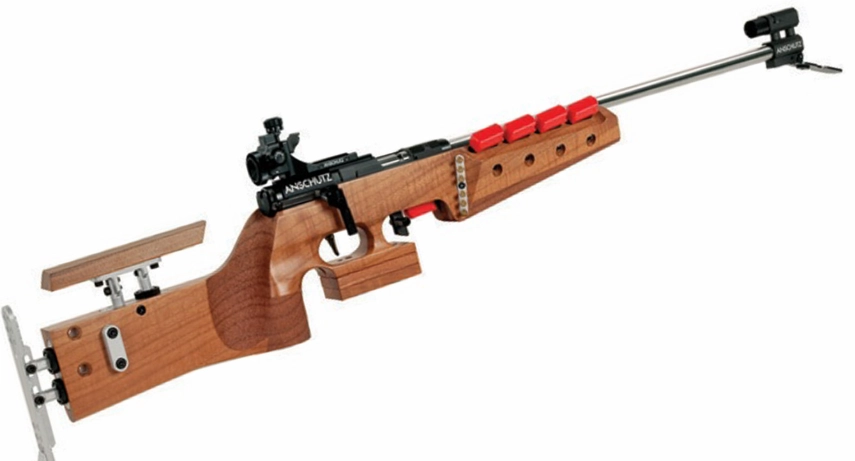
The whole design philosophy is a contradiction: maximum precision meets maximum portability. You need a gun that shoots like a laser beam, but you also have to carry it on your back for 20 kilometers, in the cold, after your heart is pounding at 180 beats per minute. Every single design choice flows from this conflict.
Let's break down the non-negotiables, the things that make a biathlon rifle look so distinct from anything else on the range.
It's All in the Carry: Stocks, Straps, and Balance
This is the first thing you notice. The stock isn't designed for a perfect cheek weld on a bench rest. It's designed to be carried. The butt plate is often offset or has special cutouts to sit comfortably against your back. The balance point is shifted way back towards the shooter, near the trigger guard. Why? So when it's on your back, the muzzle doesn't constantly try to drag you down into the snow. It feels weird when you first shoulder it for a shot—almost like it wants to tip backwards—but that's the trade-off.
The carrying harness is a piece of genius. It's not a sling; it's a harness. It distributes the weight (and a biathlon rifle isn't light, usually between 3.5kg and 4.5kg / 7.7-10 lbs) across your shoulders and chest. A quick-release mechanism lets you shrug it off and into shooting position in one fluid motion. If you've ever fumbled with a traditional sling, you'll appreciate this engineering.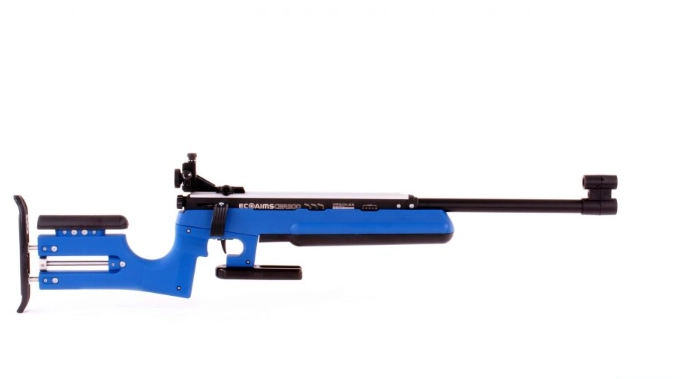
The Irons vs. Diopter Sight Debate (And Why It Matters)
Here's a fun bit of trivia: biathlon is one of the few precision shooting sports at the Olympic level where optical scopes are completely banned. Everything is done with iron sights. But we're not talking about the simple notch-and-post sights on an old hunting rifle.
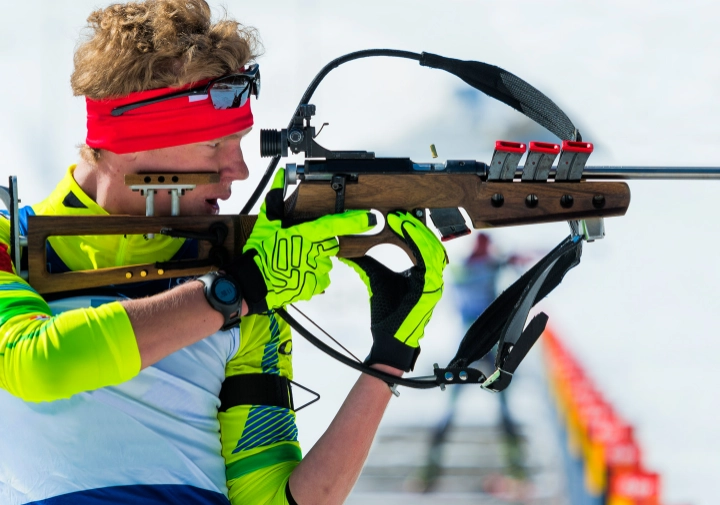
Biathlon rifles use a system called a diopter sight. Think of it as a precision peephole. You look through a tiny aperture (the diopter) at the rear, which naturally centers your eye, and you align a front globe sight that contains a ring. The target sits in the middle of that ring. It's incredibly fast to acquire and, with practice, remarkably accurate. The diopter sight is a huge part of why shooters can go from heart-pounding ski mode to precise shooting mode so quickly. It forgives minor eye misalignment in a way traditional open sights never could.
Some entry-level or training rifles might have simpler open sights, but for serious competition, the diopter is king. The rules from the International Biathlon Union (IBU) are very clear on sight specifications, ensuring a level playing field.
The Magazine Quirk: Why Five Rounds?
You shoot five shots per stage. So the rifle holds... five rounds. Simple, right? But the magazine design is another nod to speed and reliability in the cold. Magazines are detachable but are often designed to be loaded singly with stripper clips or by hand for reliability. The bolt action is typically butter-smooth, allowing for rapid cycling without breaking your shooting position. The focus is on flawless function at -15°C (5°F), not on high-capacity. Frost and snow are the real enemies here, not paper targets.
The Big Names: Who Makes These Things?
This market isn't crowded. It's a niche within a niche. You have a couple of giants, a few passionate specialists, and that's about it.
| Brand | Country | The Reputation / Vibe | What Shooters Say |
|---|---|---|---|
| Anschütz | Germany | The gold standard. The "Mercedes" of biathlon rifles. Dominates World Cup and Olympic podiums. | Flawless engineering, exceptional triggers, incredible out-of-the-box accuracy. You pay for the name, but it often delivers. |
| Izhmash (Biathlon-7 series) | Russia | The rugged, reliable workhorse. Historically the other major player. | Built like tanks. Can handle brutal conditions. Triggers and feel can be a bit more "agricultural" than Anschütz, but they are proven winners. |
| Fortner | Germany | The innovative outsider. Known for the straight-pull, toggle-lock bolt action. | Super fast bolt cycle. Unique feel. Loved by some for its speed, considered an acquired taste by traditionalists. |
| Walther | Germany | High-quality alternative. Makes excellent precision firearms and has strong biathlon offerings. | Great craftsmanship, often a bit more "modern" in styling and ergonomics. A solid choice if you want top-tier without the most common brand. |
| Other (Krico, etc.) | Various | Smaller producers or custom builders. | Often where you find interesting custom features or more affordable entry points. Can be a gamble without trying first. |
Look, if you go to a major biathlon event, you'll see a sea of Anschütz rifles. There's a reason for that. Their consistency and performance under pressure are legendary. But that doesn't mean the others are bad. An Izhmash Biathlon-7 has won more than its share of medals. The Fortner's straight-pull action is a genuine innovation that can shave precious tenths of a second off a shooting stage.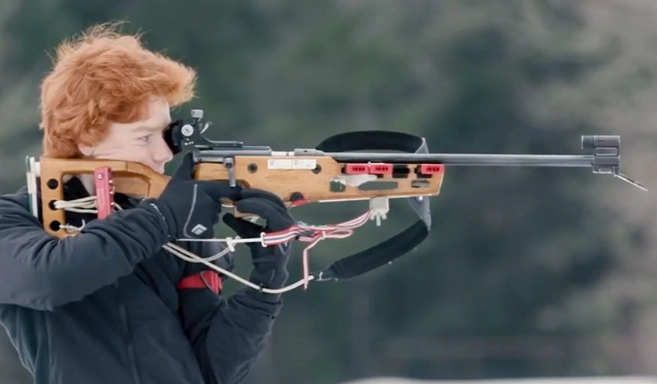
My two cents? If money and access were no object, I'd probably start with an Anschütz for that proven track record. But I have a real soft spot for the mechanical uniqueness of the Fortner. The Izhmash feels like the dependable truck that never lets you down, even if the interior isn't as plush.
Choosing Your Biathlon Rifle: It's More Than Just a Brand
Okay, so you're sold on the sport and you need a rifle. Walking up and buying the most expensive Anschütz model might not be the right move. Here's what you should actually think about, in rough order of importance.
- Your Budget (Be Brutally Honest): This includes the rifle, sights, harness, case, and a mountain of .22 LR ammo for practice. Don't blow it all on the gun and have nothing left for the essentials.
- Fit and Feel: This is paramount. Can you reach the diopter sight comfortably? Does the length of pull fit your arm? Does the rifle come up to your shoulder naturally from the carry position? If possible, try before you buy. A rifle that doesn't fit you is a nightmare.
- Action Type (Bolt vs. Straight-Pull): The traditional bolt action is the standard for a reason. It's simple, robust, and precise. The straight-pull (like Fortner's) is faster but has a different manual of arms. Which feels more intuitive to you?
- Trigger: A biathlon rifle's trigger is its soul. You want it crisp, clean, and adjustable. A gritty or creepy trigger will destroy your accuracy when you're under physical stress. Test it.
- Condition (New vs. Used): The used market is active. A well-maintained used rifle from a reputable brand can be a fantastic deal. But inspect it carefully, especially the bore and the bolt face. Look for signs of corrosion or neglect.
The Unsexy Truth: Maintenance and Care
This is where dreams of Olympic glory meet the reality of cleaning rods and lubricants. A biathlon rifle lives a hard life. It gets wet, cold, covered in snow, swung around, and then expected to perform with micron-level precision.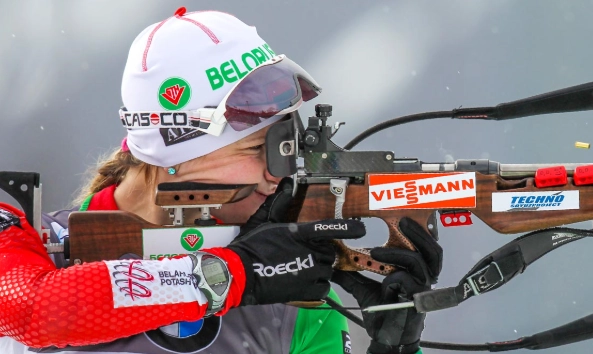
Neglect maintenance, and you will have problems. Guaranteed.
Here’s a bare-minimum routine after a day on the snow:
- Dry It Off Completely: Wipe down every external surface with a dry cloth. Pay attention to the bolt, the magazine well, and the sights. Any moisture will turn to rust.
- Bore Cleaning: You must clean the barrel. .22 LR ammo is notoriously dirty. Use a quality solvent, patches, and a rod. Do it from the chamber end if possible to protect the crown (the critical edge of the muzzle). A dirty bore will kill accuracy fast.
- Bolt and Action: Wipe down the bolt. A very light application of a cold-weather specific gun oil (like Break-Free CLP) on the friction points is good. DO NOT overlubricate. Excess oil attracts powder residue and grit, forming a grinding paste. In the cold, thick oils can gum up and freeze.
- Storage: Store it in a dry, temperate place. A silicone-treated gun sock inside a hard case is a good combo.
I learned the hard way about using the wrong lube. I used a standard gun oil during early winter practice. The first cold day hit, and the bolt action felt like I was grinding sand. It was sluggish and awful. Switching to a dedicated, thin, cold-weather lubricant made a world of difference.
Answering the Questions You're Actually Asking (FAQs)
Wrapping It Up: More Than Just a Gun
After all this, you start to see it not as a rifle, but as a partner in the sport. It's an extension of the athlete. Every gram, every angle, every click of the diopter sight is a calculated part of the performance. Choosing your first real biathlon rifle is a big step. It's committing to the grind of the sport—the skiing, the shooting, the freezing mornings on the range.
Don't get too lost in the specs and the brand wars. Find the tool that feels right when you're tired and your hands are cold. Find the one that becomes a natural part of the motion from ski to shoot. Because that's what it's all about—the seamless, impossible dance between sheer physical exertion and absolute stillness. And the rifle is your ticket into that dance.
Start by connecting with a local club if you can. Try different guns. Feel the difference. The right one will speak to you. Then, the real work—and the real fun—begins.