You typed "how much does a ski helmet cost" into Google. You want a number. Fine, here it is: a new ski helmet will set you back anywhere from $50 to well over $300. But that answer is useless. Throwing out a range that wide is like saying a car costs between $5,000 and $500,000. It's technically true but doesn't help you decide.
The real question isn't just about the price tag. It's about what you're actually buying for that money, and more importantly, what you need. Are you a weekend warrior hitting the local hill three times a season, or are you chasing powder in the backcountry every chance you get? Your answer changes everything.
I've been skiing for over a decade, worked in a ski shop, and have seen the good, the bad, and the dangerously ugly when it comes to helmet choices. I've also watched friends waste money on features they didn't need and others skimp in areas that mattered. Let's cut through the marketing and break down what you're paying for.
What's Inside This Guide
- The Quick Price Overview (A Simple Table)
- The Budget Tier ($50 - $100): What You Actually Get
- The Sweet Spot ($100 - $200): Where Most Skiers Should Look
- The Premium End ($200+): Is It Worth It For You?
- What's Driving the Price? The 6 Key Factors
- How to Choose: Matching Your Budget to Your Needs
- Your Ski Helmet Cost Questions, Answered
Ski Helmet Price Ranges at a Glance
Before we dive deep, here's a snapshot. This table shows you the landscape. Think of it as the menu before you order.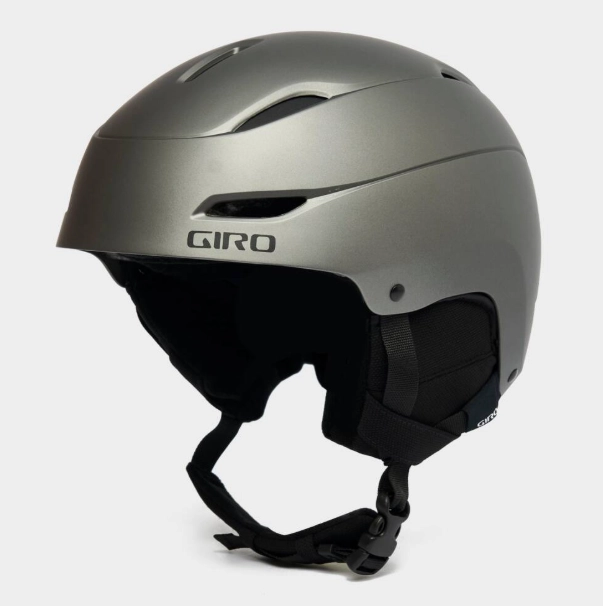
| Price Tier | Typical Price Range | Who It's For | Key Characteristics | Pros & Cons |
|---|---|---|---|---|
| Budget / Entry-Level | $50 - $100 | First-time buyers, casual skiers, parents buying for growing kids. | Basic safety certification (CE/ ASTM). Minimal features. Often fixed, non-adjustable fit. Simple venting. | Pro: Low cost. Con: Less comfort, fewer features, may feel bulky. |
| Mid-Range / Value | $100 - $200 | The vast majority of recreational and intermediate skiers. The best value zone. | Advanced safety tech (like MIPS). Better fit systems (dial-adjust). Improved ventilation controls. Lighter materials. | Pro: Optimal balance of safety, comfort, and price. Con: Can lack ultra-premium materials or niche features. |
| Premium / High-Performance | $200 - $350+ | Advanced/Expert skiers, frequent riders, those wanting top comfort & integration. | Lightest weight (carbon). Best ventilation. Integrated audio compatibility. Superior fit and finish. Often hybrid (ski/ bike) designs. | Pro: Peak performance, comfort, and integration. Con: High cost. Diminishing returns for casual users. |
The Budget Tier: $50 - $100
Let's talk about the sub-$100 helmets. I see a lot of them on the mountain, especially on rental fleets and beginners.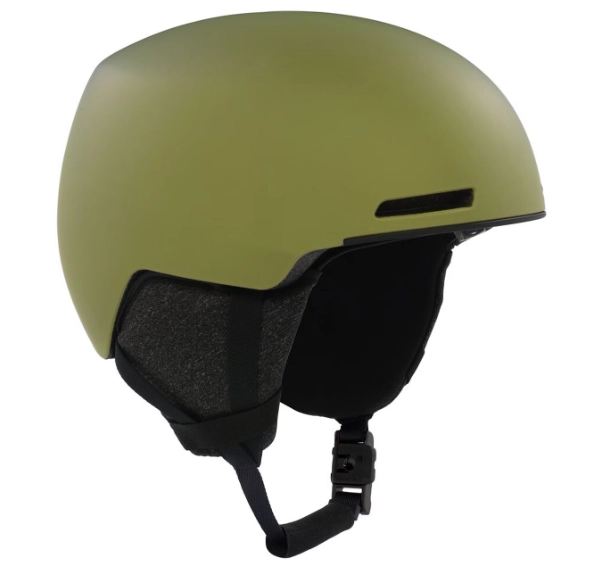
At this price, you're getting a piece of plastic and foam that meets the bare minimum safety standards. It will protect your head in a basic impact, which is infinitely better than wearing a beanie. Brands like Outdoor Master or basic models from Giro and Smith live here.
What you're sacrificing:
- Fit: The adjustment is often just straps or a simple padding system. It might feel like a bucket on your head—secure, but not custom. If you have an odd head shape, good luck.
- Ventilation: Vents are usually fixed. You're cold on the lift and hot on the run. There's no easy way to manage it.
- Weight: They use more basic materials, so they tend to be heavier. After a long day, your neck knows the difference.
My take: If you're trying skiing for the first time and aren't sure you'll stick with it, or if you need a helmet for a kid who outgrows gear every year, this tier makes sense. But if you ski more than a few days a season, the jump to the next tier is the single most cost-effective upgrade you can make for your on-hill comfort.
The Sweet Spot: $100 - $200
This is where the magic happens for most people. If I could point every skier to one price bracket, it's here. For $150, you can get a helmet that feels like it was designed this century.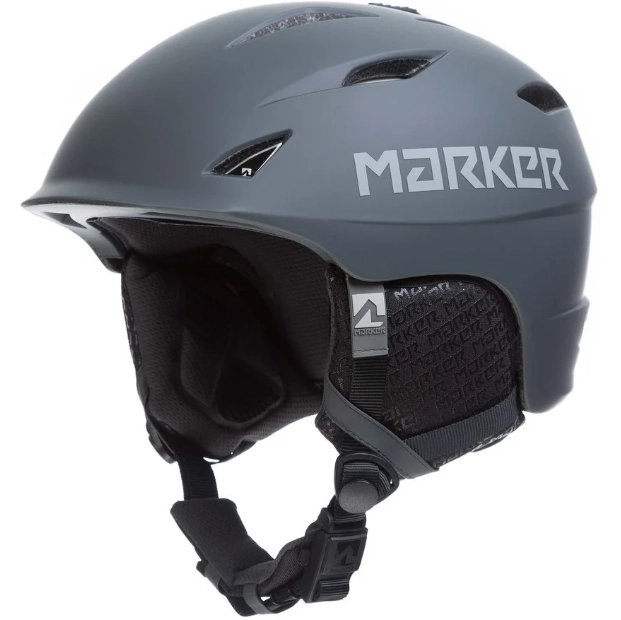
The biggest game-changer in this range is the inclusion of MIPS (Multi-directional Impact Protection System). It's a thin, low-friction layer inside the helmet designed to reduce rotational forces on your brain during an angled impact. Is it a must-have? Organizations like the Ski Helmet Lab (an independent testing initiative) consistently show its benefits. For me, after seeing the data, it's a non-negotiable for any new helmet purchase.
You also get:
- A Boa® or similar dial-fit system: One twist and the whole helmet cinches evenly around your head. The difference in stability and comfort is night and day.
- Actual vent controls: Sliders you can open and close with gloves on. This seems trivial until you're sweating on a spring ski day.
- Better liner materials: Antimicrobial, moisture-wicking fabrics that don't smell like a locker room after a season.
Popular models in this zone include the Smith Maze MIPS (around $130), the Giro Ledge MIPS (around $120), and the POC Obex SPIN (using a similar rotational protection tech, around $180). This is the workhorse tier.
The Premium End: $200 and Up
Welcome to the land of carbon fiber, ultra-lightweight construction, and seamless integration. Helmets here, like the Smith Vantage or POC Fornix, often feel like you're wearing nothing at all.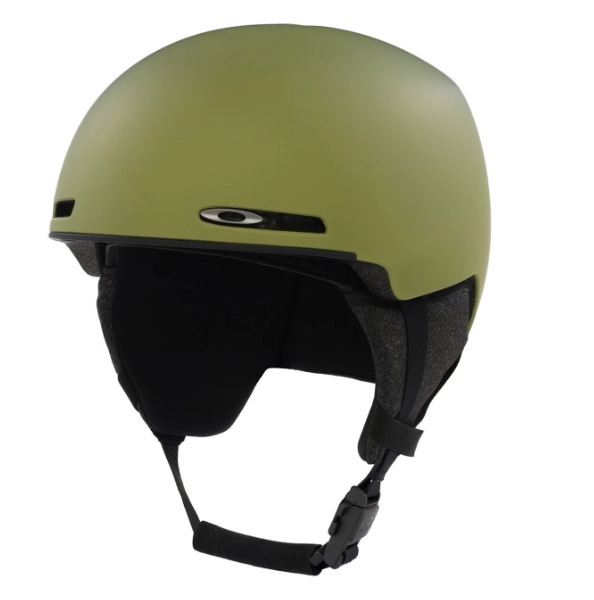
What are you paying for?
- Weight Reduction: Shaving grams off your head reduces fatigue dramatically over a multi-day trip or long ski tour.
- Advanced Materials: Carbon fiber, Koroyd (a honeycomb-like material that crushes on impact), and other composites offer superior strength-to-weight ratios.
- Superior Venting Systems: More vents, better placed, with more intuitive controls. Some even have "airflow channels" inside.
- Perfect Integration: These helmets are designed from the ground up to work with the brand's own goggles, creating a seamless, gap-free seal (the "no-gap" integration). They also have dedicated, sleek pockets for audio system speakers from brands like Odio or Outdoor Tech.
Is it worth $300? If you ski 30+ days a year, tour in the backcountry, or are simply a gear enthusiast who appreciates top-tier engineering, absolutely. The comfort and performance are tangible. For the average two-week-a-year vacation skier? The law of diminishing returns hits hard. The $150 helmet will provide 90% of the protection and 80% of the comfort.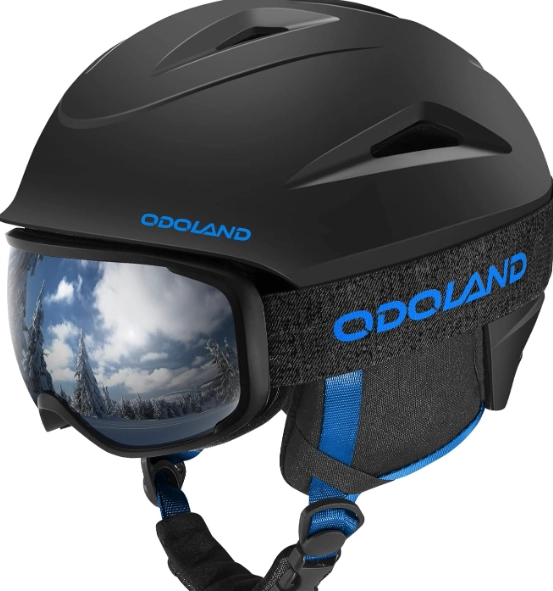
What's Actually Driving the Cost? 6 Key Factors
Understanding this helps you decide where to spend and where to save.
1. Safety Technology
MIPS, SPIN (POC's technology), or similar rotational protection systems add $20-$40 to the cost. It's the single most impactful safety upgrade beyond basic certification.
2. Materials & Construction
In-mold construction (where the foam is bonded to the shell) is lighter and more expensive than hardshell construction (a shell glued onto foam). Carbon fiber is the premium choice for weight.
3. Ventilation System
More vents with mechanical controls cost more to design and manufacture. Fixed vents are cheap.
4. Fit Adjustment System
A simple elastic strap is cheap. A precision dial system with multiple points of adjustment is not.
5. Audio & Goggle Integration
Built-in channels for audio speaker pockets and specific goggle compatibility require more complex design.
6. Brand & Marketing
Let's be real. You pay a premium for brands like POC, Smith, or Oakley. Part of that is R&D and quality, part is marketing. Lesser-known brands can offer similar tech at a lower price, but resale value and widespread售后 support might differ.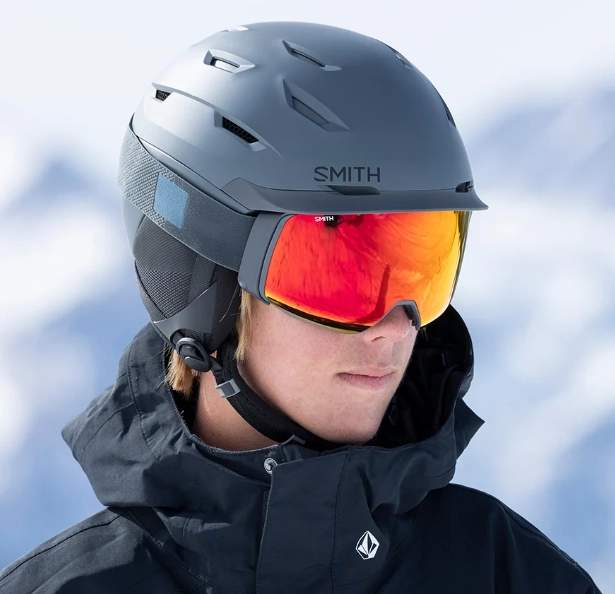
A Common Mistake I See: People buy the flashiest, most expensive helmet but never adjust the fit dial. A $50 helmet that fits perfectly is safer than a $300 helmet that's loose. The number one rule, regardless of budget, is try it on. If you can't try it on, measure your head and check the brand's sizing chart meticulously.
How to Choose: Matching Your Budget to Your Skiing
Let's make this actionable. Ask yourself these questions:
- How often do you ski? 1-5 days/year → Strongly consider the $100-$200 tier. 5+ days/year → Invest in the mid-to-high end of that tier or consider premium.
- What's your skiing style? Stick to groomers? A solid mid-range helmet is perfect. Park rat, mogul fanatic, or backcountry explorer? The added safety and lightweight comfort of a premium helmet is justified.
- Do you run hot or cold? If you overheat easily, prioritize a helmet with excellent, adjustable ventilation, which pushes you toward the mid-range and up.
- Do you use ski audio? If yes, factor in the cost of the audio system ($50-$100) and get a helmet with dedicated, non-hacky integration for it.
My personal strategy? I own two helmets. A premium one (Smith Vantage) for most of my skiing, and an older mid-range model that's now my loaner helmet for friends or my backup. I got 8 solid seasons out of my previous mid-range helmet before retiring it.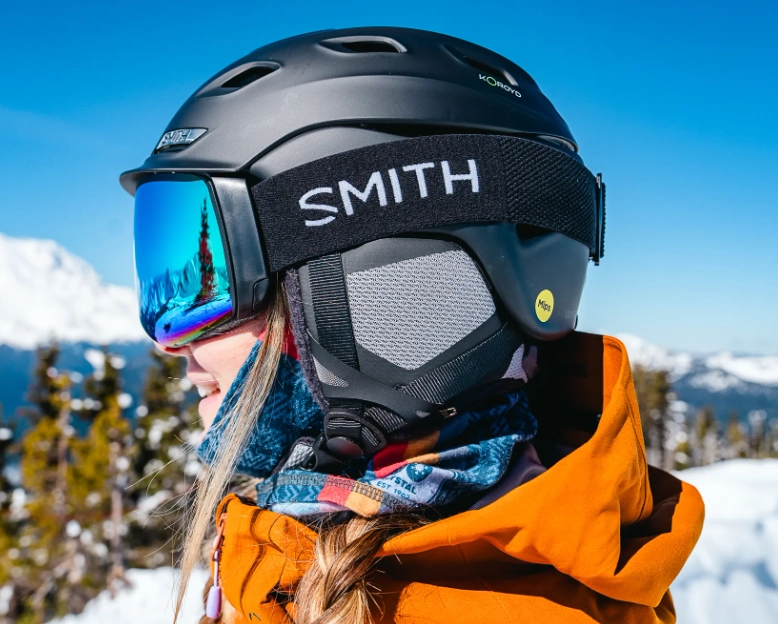
Your Ski Helmet Cost Questions, Answered
Is a cheap ski helmet from Amazon or a big-box store safe?
Check the certification label inside. It must have CE EN 1077 or ASTM F2040. If it does, it meets baseline safety standards. The bigger issue is fit and comfort. A poorly fitting cheap helmet can shift in a crash, reducing its effectiveness. I'd be wary of no-name brands under $40.
I see MIPS everywhere now. Is it really worth the extra money compared to a non-MIPS helmet?
The research on reducing rotational force is compelling. Think of it this way: most real-world impacts aren't straight up and down; they're angled. MIPS addresses that. For a $30-$40 upsell, it's one of the most valuable additions to helmet safety in recent years. If your budget allows, get it.
How long does a ski helmet last, and when should I replace it, regardless of cost?
Manufacturers generally recommend replacement every 3-5 years, due to material degradation from sweat, UV exposure, and temperature cycles. You must replace it after any significant impact, even if there's no visible damage. The foam is designed to crush once. A hidden crack makes it useless next time. This is where a cheaper helmet can be a false economy if you take a spill early in its life.
Can I buy a ski helmet online without trying it on?
You can, but it's risky. Head shapes vary wildly (round oval, intermediate oval, long oval). Brands have different fits. Smith tends to be more round, Giro more long-oval. If you must buy online, order from a retailer with a fantastic return policy. Measure your head circumference precisely and cross-reference with the brand's specific size chart, not a generic one.
What's the one feature I shouldn't compromise on, even on a tight budget?
Fit. Not features, not looks, not brand. A helmet that sits snugly, doesn't rock front-to-back or side-to-side, and feels evenly pressured around your entire head is the foundation of safety. Every other feature is secondary to this. A basic, perfectly fitting $70 helmet will protect you better than an ill-fitting $250 one.