In This Article
- The Core Issue: It's About History, Not Ability
- The Historical Timeline: Playing Catch-Up From the Start
- The Olympic Hurdle: It's a Numbers Game (A Brutal One)
- Where Does the Sport Stand Now? The Current Landscape
- The Athlete Perspective: Fighting for a Dream
- What About Milan-Cortina 2026? The Burning Question
- Common Questions & Misconceptions
- Looking Beyond 2026: The Future of the Sport
You're watching the Winter Olympics, captivated by the sheer madness of Nordic combined. The ski jumping, the breathless cross-country race – it's a spectacle. Then it hits you. Wait, where are the women? You scan the schedule, check the results. Nothing. It's a men-only club. That question forms in your mind, the same one thousands of fans have asked: Why is women's Nordic combined not in the Olympics? It's not a simple oversight; it's a story woven from history, logistics, politics, and a sport playing a long, frustrating game of catch-up.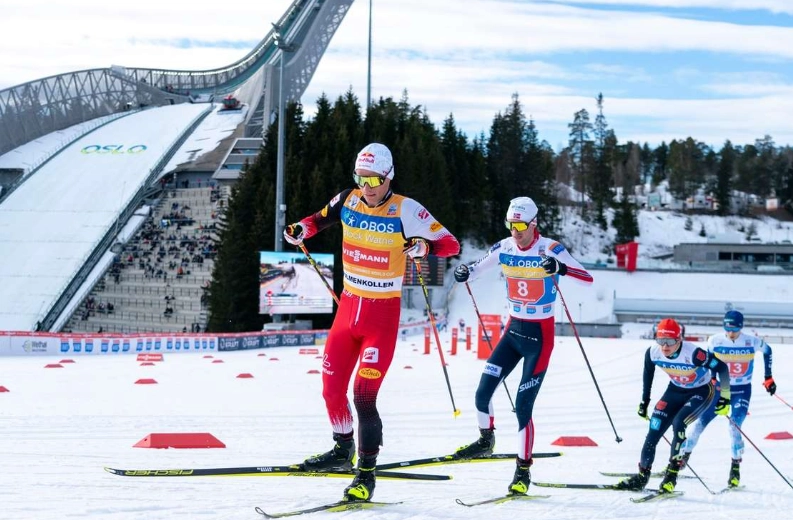
I got hooked on this question during the Beijing 2022 Games. I saw the incredible drama in the men's event and went looking for the women's competition, only to find a glaring absence. It felt off, especially in an era where we see women competing in virtually every other sport. So I started digging. Talking to coaches, reading old FIS documents, following athlete advocacy groups. What I found was a complex puzzle, far from a single-villain narrative.
The Core Issue: It's About History, Not Ability
Let's squash one myth right away. It's not because women can't do it. Female athletes have been competing in Nordic combined internationally for years. The first official FIS Women's Nordic Combined World Cup season kicked off in the winter of 2020/2021. They jump, they ski, they push their limits just like the men. The barrier is institutional, not physical.
The Short Answer? A vicious cycle of late development, Olympic gatekeeping rules, and the brutal math of the Olympic program. The International Olympic Committee (IOC) has strict criteria for adding new events, focusing on global participation and competitive depth. For decades, women's Nordic combined didn't have the numbers to meet that bar, and without the Olympic dream, attracting those numbers was incredibly hard.
It's a classic chicken-and-egg scenario. No Olympics meant less funding and visibility for national federations to develop women's programs. With underdeveloped programs, the global participation numbers stayed low. And with low numbers, the IOC would say, "See? There's not enough interest." Breaking that loop has been the central battle.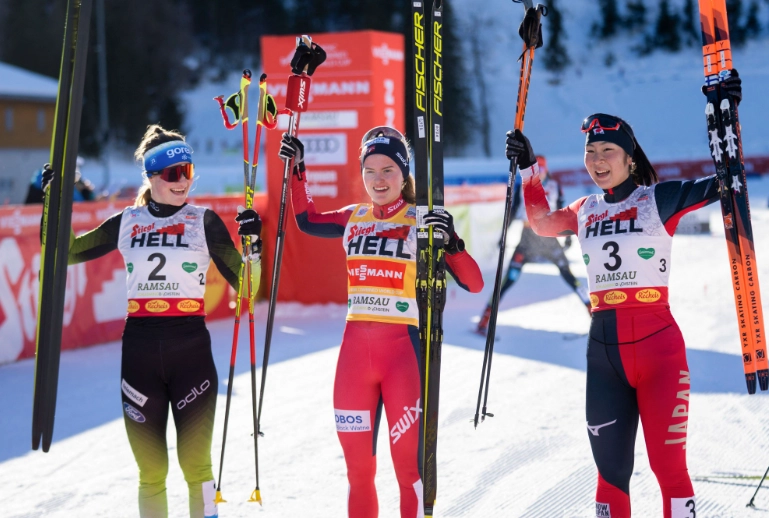
The Historical Timeline: Playing Catch-Up From the Start
To understand the present, you have to look back. Nordic combined for men has been in the Winter Olympics since the very first Games in Chamonix 1924. It's a staple. Women's participation in winter sports, broadly, took much longer to be recognized.
- 1990s-2000s: While women's ski jumping fought its own famous battle for inclusion (finally succeeding in 2014), Nordic combined for women was barely on the radar as an organized discipline. Development was sporadic, centered in a handful of traditional Nordic countries.
- 2010s: Momentum slowly built. The first international competitions for junior women appeared. But progress was glacial compared to other sports. I've read interviews with pioneers from this era who funded their own travel to compete because their federations had zero budget for a women's team.
- 2018: A key moment. The IOC, facing pressure for gender equity, added more women's events for Beijing 2022. Women's Nordic combined was considered but left out. The official reason cited by the IOC was "the need to further develop the women's discipline and increase the number of athletes and participating National Olympic Committees (NOCs)." A blow, but it put the sport on the official agenda.
- 2020: The inaugural World Cup season launched, a massive step for legitimacy and creating a consistent competitive pathway.
So when people ask why women's Nordic combined is not in the Olympics, a huge part of the answer is sheer historical tardiness. The sport's governing body, the International Ski and Snowboard Federation (FIS), was late to the party in pushing it seriously. You can find their historical event calendars and see the disparity plain as day. The men's World Cup has decades of history; the women's has just a few seasons.
The Olympic Hurdle: It's a Numbers Game (A Brutal One)
The IOC doesn't just add events because they seem like a good idea. There's a formal process with clear benchmarks. For a new event, especially one requiring new athlete quotas, the bar is high. The IOC looks at things like: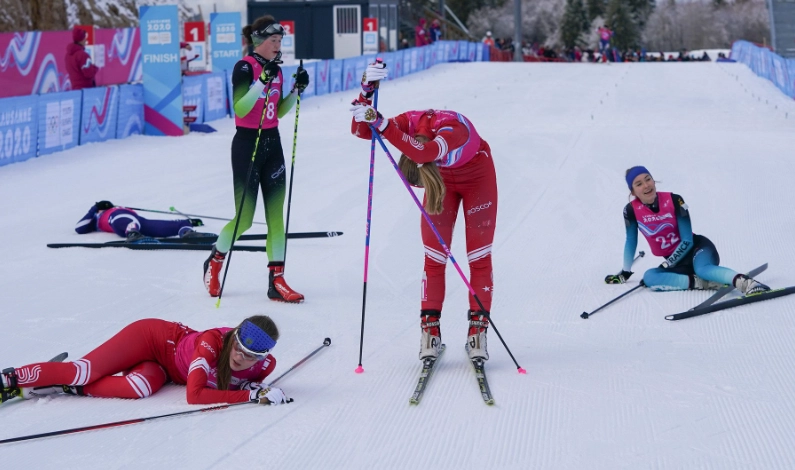
Global Participation: How many countries are actively competing at an elite level? For decades, women's Nordic combined was dominated by Norway, Germany, Austria, and maybe Japan. The IOC typically wants a minimum of 12-15 NOCs with competitive athletes to ensure a truly global Olympic field.
Competitive Depth: Is it a two-horse race, or is there a pool of athletes who can realistically challenge for medals? A deep field makes for exciting, unpredictable Games.
Technical Readiness & Safety: The sport must have a proven track record of safe and fair competition at the international level.
For a long time, women's Nordic combined struggled to tick these boxes. The World Cup starting in 2020 was the critical move to start building the case. But it takes time. An athlete can't be developed overnight. Building junior pipelines in new countries takes years.
Here's a frustrating part of the puzzle: the Olympic program has a ceiling. There's pressure to limit the total number of athletes for cost and complexity. Adding a new event often means cutting another or adjusting quotas elsewhere. This creates internal politics within FIS and the Olympic movement. Why would a federation support adding women's Nordic combined if it might mean losing a few spots for their men's alpine skiers? It's a brutal, realpolitik aspect of the reason why women's Nordic combined is not in the Olympics.
Where Does the Sport Stand Now? The Current Landscape
Okay, so history was against it. What about now? Is change coming? The picture is finally starting to brighten, though not as fast as the athletes would like.
The FIS Women's Nordic Combined World Cup is established. We have a Women's World Championship event (introduced in 2021). The talent pool is growing. Athletes like Norway's Gyda Westvold Hansen (a dominant force) and the USA's Annika Malacinski are becoming stars within the sport. But the geographical spread is still the biggest hurdle.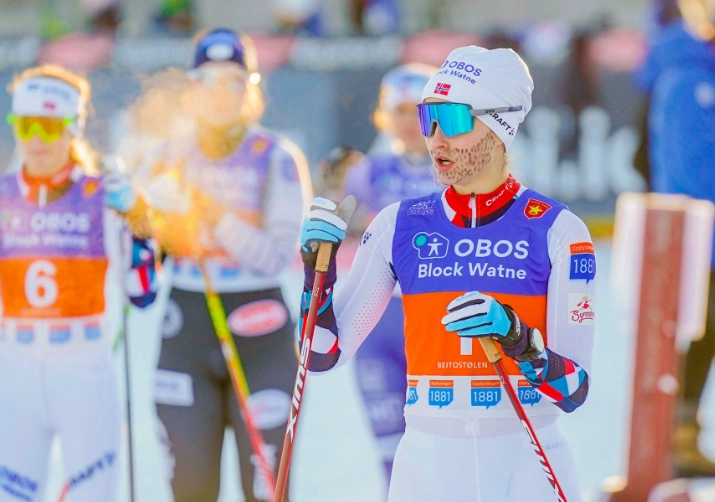
Let's look at the data from a recent World Cup season to illustrate the participation challenge. This isn't about doubting the athletes' quality—they're phenomenal—but it shows the IOC's perspective.
| Country / NOC | Number of Athletes in Top 30 (Sample Season) | Notes on Development Pipeline |
|---|---|---|
| Norway | 8 | Strong, historic program; dominant force. |
| Germany | 6 | Well-funded, integrated system. |
| Austria | 5 | Traditional strength in ski jumping. |
| United States | 3 | Growing investment, but small base. |
| Japan | 2 | Strong jumpers, developing cross-country. |
| France, Italy, Finland, Slovenia | 1-2 each | Very limited programs, often 1-2 athletes. |
| Other Countries | 0-1 | Sporadic participation. |
You can see the clustering. Getting to a solid 12-15 NOCs with genuinely competitive, multi-athlete teams is the current mission. Initiatives like the FIS Development Program for women's Nordic combined are trying to spark growth in new regions, but it's a long-term project.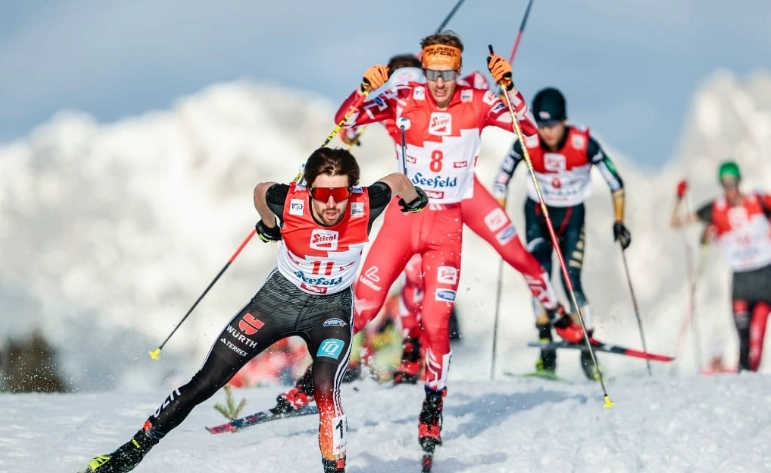
The Athlete Perspective: Fighting for a Dream
This isn't just an academic discussion. For the athletes, it's their career, their life's work. I spoke to a developmental coach last year who put it bluntly: "For my youngest athletes, the Olympic dream is what gets them through the brutal training days. When that dream doesn't exist for your specific sport, it's a leak in the motivation bucket. Other sports have it. Yours doesn't. It weighs on you."
This is the human cost of the delay. Talented young athletes who might excel in Nordic combined see no Olympic future and choose ski jumping or cross-country skiing instead, where a path exists. It stifles the talent pool from the very beginning.
What About Milan-Cortina 2026? The Burning Question
This is what everyone wants to know. Will the next Winter Games in Italy finally include women's Nordic combined?
The short, honest answer is: it's possible, but not guaranteed. It's the hottest topic. FIS has publicly stated that pushing for inclusion in 2026 is their top priority. The IOC will make the final decision, likely in 2023 or 2024, after reviewing progress reports.
The arguments for inclusion in 2026 are stronger than ever:
- Momentum: The World Cup is running, World Championships are held. The competitive structure is proven.
- Gender Equity Pressure: The IOC has made gender parity a flagship goal. Women's Nordic combined remains the last winter discipline without Olympic status. It's a glaring anomaly on an otherwise improving report card.
- Ready Athletes: A core group of world-class female Nordic combined athletes exists and is media-ready.
The arguments against or for further delay:
- Global Spread: The IOC may still look at the table above and say the number of participating NOCs isn't broad enough yet.
- Program Space: The eternal battle over athlete quotas. Something might have to give to make room.
My personal take? After all the reading and conversations, I think there's a 60/40 chance it gets in for 2026. The pressure is immense, and the IOC might decide that the Olympic platform itself is the best tool to finally spur global growth. But I've been wrong before about Olympic politics. It's never a sure thing.
Common Questions & Misconceptions
Is it because ski jumping is too dangerous for women?
Absolutely not. This is an outdated and debunked myth. Women have been competing in Olympic ski jumping since 2014. The equipment and techniques are the same. The danger argument was used in the past for ski jumping and has no scientific or performance-based merit for Nordic combined.
Why was women's ski jumping added first?
Women's ski jumping had a more unified, louder, and earlier advocacy campaign. It's also a single-discipline sport, which made adding it to the Olympic program slightly less complex in terms of quotas and scheduling than adding a combined event that requires coordination of two sport infrastructures.
Can't they just use the same hills as the men?
They often do at World Cups! But at the Olympics, there's a separate medal event consideration. The IOC and FIS would need to agree on the competition format (likely a normal hill event to start) and integrate it into the packed Olympic schedule. It's logistically doable, but it's another box to check.
What can fans do to help?
Visibility matters. Watch World Cup streams when you can (many are on the FIS YouTube channel). Follow the athletes on social media. Engage with content about the sport. When media and fans show interest, federations and sponsors take notice. Public interest is a currency in Olympic decision-making.
Looking Beyond 2026: The Future of the Sport
Regardless of the 2026 decision, the sport is moving forward. The goal is to make women's Nordic combined sustainable and vibrant with or without the Olympics—though the Olympics would be a massive accelerator.
Key areas for growth:
- Youth Development: More nations need to introduce girls to the combination of ski jumping and cross-country at a young age, creating a fun, accessible pathway.
- Media Deals: Better broadcasting and storytelling to build fan bases. The drama of the combined format is tailor-made for compelling viewing.
- Grassroots Programs: In non-traditional countries, starting with summer versions using plastic jumps and roller skis can lower the entry barrier.
So, why is women's Nordic combined not in the Olympics? It's the sum of a late start, the IOC's high barriers for entry, the tough economics of sport development, and the slow grind of building a worldwide athlete base from scratch. It's not malice, but it is institutional inertia.
The tide is turning, though. The athletes are here. The competitions are thrilling. The question is no longer "if" but "when." The wait has been far too long, and every Olympic cycle that passes without them feels more and more like an anachronism. Here's hoping the skiers and jumpers finally get their well-deserved Olympic moment under the rings very soon.
It's about time.