What's Inside
- The Heart of the Matter: Core Design & Geometry
- Performance Face-Off: Where Each Ski Earns Its Keep
- Who Should Buy What? A Reality Check
- Digging Deeper: Flex, Weight, and Construction Nuances
- The Big Questions: Your Freeride vs. All-Mountain FAQs
- Final Thoughts: It's About Your Mountain, Not the Hype
Let's be real for a second. Walking into a ski shop or scrolling through endless online listings can feel overwhelming. You see these terms thrown around – freeride skis, all-mountain skis – and the sales pitches all sound convincing. But what do they actually mean for you, for your skiing, for the specific kind of fun (or frustration) you're about to have on the hill?
I've been there. I once bought a pair of aggressively stiff freeride skis because they looked cool and a pro was using them in a film. Big mistake. Trying to carve on the hardpack groomers back to the lift was like trying to steer a canoe with a shovel. My legs were toast by lunch.
That's why this freeride skis vs all-mountain debate matters. It's not about which is objectively better. It's about which is better for you. This guide is here to cut through the marketing jargon and give you the straight talk on design, performance, and where each ski truly shines (and where it doesn't).
The Heart of the Matter: Core Design & Geometry
This is where the rubber meets the road, or rather, the edge meets the snow. The physical differences between these skis dictate everything about how they feel.
Waist Width: The Number That Tells a Story
This is the most talked-about spec, and for good reason. It's measured at the ski's narrowest point, underfoot.
- All-Mountain Skis: Typically live in the 85mm to 105mm range. A ski around 90-95mm is the quintessential daily driver for most North American resorts. It's narrow enough to grip well on hard snow and carve efficiently, but with enough surface area to provide decent float in a bit of fresh snow.
- Freeride Skis: Start around 100mm and go way up from there – 115mm, 120mm, even 130mm+ for the powder hounds. That extra width is pure floatation science. It's what keeps you on top of deep snow instead of plunging into it. But on a firm groomer, all that width becomes a liability for quick edge-to-edge transitions.
My personal sweet spot for a one-ski quiver in the Rockies is about 98mm. It handles the occasional powder day but doesn't punish me on the frequent hardpack. For a dedicated freeride ski, I prefer something around 112mm.
Sidecut & Shape: Turning Intentions into Action
Sidecut is the hourglass shape of the ski – wider at the tip and tail, narrower at the waist. It determines the ski's turning radius.
- All-Mountain: Often have a moderate to deep sidecut, promoting easier, more predictable turn initiation. You'll see a lot of "all-mountain carvers" with tighter turn radii (e.g., 15-18 meters) that are fun and energetic on groomed runs.
- Freeride: Tend to have a more relaxed sidecut, with a longer turn radius (e.g., 20-25 meters or more). This provides stability at high speeds in open, variable terrain. The turn shape is more drawn-out and surfy, less quick and snappy. Many modern freeride skis also feature significant rocker.
Rocker vs. Camber: The Profile Personality
This is huge. Camber is the traditional arch underfoot that provides pop and edge grip. Rocker is the upward curve at the tip and/or tail that improves float and maneuverability in soft snow.
- Great edge hold on hard snow.
- Powerful, energetic feel when carving.
- More precise and responsive.
- Can feel "hooky" or catchy in crust or heavy snow.
- Requires more technique to pivot in tight spots.
- Superb float in powder (rocker acts like a boat hull).
- Forgiving and easy to pivot/slash.
- Performs well in crud and variable snow.
- Can feel vague or less powerful on hardpack.
- May chatter at speed on firm snow.
- Less energetic rebound out of turns.
Most modern skis use a combo. But the balance tells the story. An all-mountain ski might have rocker in the tip, camber underfoot, and a flat or slightly rockered tail. A freeride ski might have significant rocker in both tip and tail, with just a touch of camber underfoot or even a fully rockered profile.
Performance Face-Off: Where Each Ski Earns Its Keep
Let's translate those design features into real-world performance. This table breaks it down clearly.
| Performance Category | All-Mountain Skis | Freeride Skis |
|---|---|---|
| Hardpack & Groomed Runs | Champion. Excellent edge grip, precise carving, stable at speed. This is their home turf. | Compromised. Can feel sluggish edge-to-edge. May chatter or feel less secure. You sacrifice hard-snow performance for soft-snow prowess. |
| Powder & Deep Snow | Adequate to Good. Skis on the wider end (>100mm) can handle moderate powder days. You'll need to sit back a bit more. | Superstar. The width and rocker provide effortless float. You can stay centered and surf. This is what they're built for. |
| Crud, Chop & Variable Snow | Okay. Can get bounced around. Stiffer models handle it better, but it's not their favorite. | Excellent. The width and rocker help plane over variable conditions rather than get deflected. Damp, stiff freeride skis plow through everything. |
| Moguls & Tight Trees | Good (if not too wide). Nimble and quick-turning, especially models under 95mm. | Challenging. The length, width, and longer turn radius make quick, precise turns harder work. Not impossible, but not fun. |
| Overall Versatility | High. The true "do-it-all" ski for a resort day with mixed conditions. | Low to Specialized. Unbeatable in soft snow, but a clear compromise everywhere else. |
See the trade-off? It's a classic case of specialization. The International Ski Federation (FIS) actually has guidelines for ski geometry categories for alpine skiing, which influences how manufacturers design skis for different disciplines, though freeride is less standardized. You can see how design principles differ for competition skis on the FIS site, which highlights how purpose-driven design is.
Who Should Buy What? A Reality Check
Forget the marketing. Let's match the ski to the skier.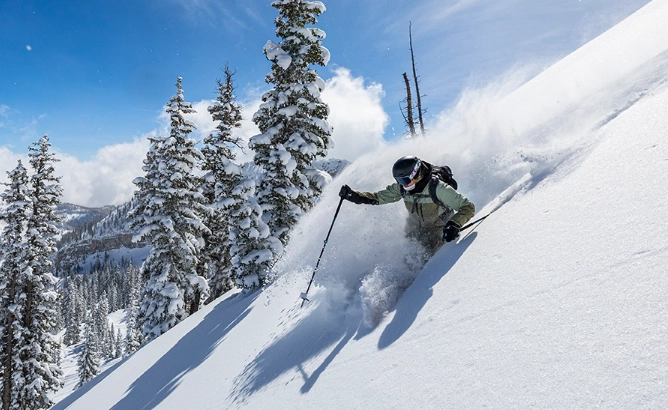
The All-Mountain Ski is Your Best Bet If...
- You ski mostly at resorts, on groomed trails, and in-bounds.
- Your local mountain has frequent hardpack or icy conditions.
- You enjoy carving, making short-radius turns, and skiing moguls.
- You only want (or can afford) one pair of skis.
- You're an intermediate to advanced skier looking to improve all-around technique.
- You get a few powder days a year, but it's not the norm.
Are you the skier who looks at the forecast and hopes for corduroy as much as powder? Then lean all-mountain.
The Freeride Ski is Calling Your Name If...
- You actively seek out off-piste terrain, sidecountry, or backcountry access (with proper safety gear and knowledge).
- You live in or travel to areas with frequent, deep snowfall (e.g., the Rockies, Japan, the Alps after a storm).
- You prioritize float, stability in variable snow, and a surfy feel over carving precision.
- You already own a ski for firm-snow days and are building a quiver (a collection for different conditions).
- You're an advanced to expert skier comfortable in challenging, un-groomed terrain.
It's about intention. A freeride ski is for the skier whose heart leaps when it dumps a foot overnight. The all-mountain ski is for the skier who just loves being on the mountain, regardless of what the snow is doing.
Digging Deeper: Flex, Weight, and Construction Nuances
These are the subtler factors that separate a great ski from a mediocre one in its category.
Flex: All-mountain skis often have a more balanced flex from tip to tail, designed for even pressure throughout a carved turn. Freeride skis can be more progressive (softer in the shovel, stiffer underfoot and in the tail) to help initiate turns in deep snow while providing a stable platform.
Weight: This is a big one for the freeride vs all-mountain decision, especially if you hike for turns. Traditional freeride skis are often heavy – damp, powerful, and stable. But there's a growing trend of lightweight freeride skis that use carbon and other materials to shed grams for touring. All-mountain skis run the gamut, but many prioritize a lively, energetic feel that comes from a moderate weight.
Construction: Both types use materials like wood cores, metal laminates (titanal), carbon, and fiberglass. Freeride skis aiming for maximum stability and crud-busting often feature more metal, making them damp and powerful but demanding to ski. All-mountain skis might use less metal or strategic carbon placement to create a more accessible, playful feel. Publications like Ski Magazine do annual gear guides that dive deep into the construction and feel of specific models, which is a great resource once you narrow down your type.
The Big Questions: Your Freeride vs. All-Mountain FAQs
Absolutely, especially if it's on the wider end (100-105mm). You might have to adjust your technique – sit a little more centered or back, let the ski run a bit more – but you'll have a blast. The first tracks might be a bit more work than on a 120mm powder board, but you'll appreciate that width later on when you're back on the groomed run to the lift. It's about balance.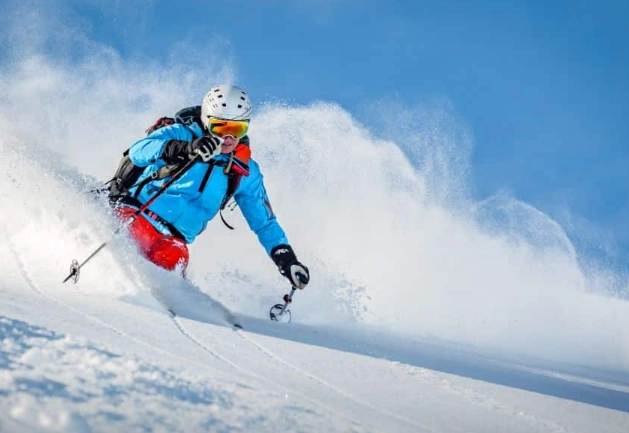
It can be, yes. A stiff, heavy, very wide freeride ski will mask some technique flaws in powder but will loudly expose them and fatigue you on hard snow. If you're an intermediate dreaming of powder, look for a freeride-inspired all-mountain ski (105-112mm, moderate rocker) or a softer-flexing, more forgiving true freeride model. The key is not to over-ski your ability. A resource like Backcountry's ski advice section often has good breakdowns of skis by ability level.
This is the dream for many enthusiasts. The classic pairing is:
- A narrower all-mountain/carving ski (85-95mm) for hardpack, ice, moguls, and early/late season.
- A dedicated freeride/powder ski (110mm+) for storm days and soft snow adventures.
This covers 99% of in-bounds conditions perfectly. If you tour, you might swap one for a dedicated touring setup.
Very. But the rule of thumb differs. For all-mountain skis, people often choose a length somewhere between their chin and the top of their head, favoring shorter for maneuverability, longer for stability. For freeride skis, which are often rockered (reducing effective edge), skiers commonly go longer – at or even above head height – to gain stability at speed and enhance float. Always consult the manufacturer's specific size chart, as rocker dramatically changes how a ski length feels.
Final Thoughts: It's About Your Mountain, Not the Hype
The freeride skis vs all-mountain decision isn't won by a spec sheet. It's won by an honest look at your home mountain, your travel habits, your bank account, and your skiing personality.
I love my freeride skis on a deep day. That feeling of surfing is pure magic. But I also know that if I had to ski them for a week on hardpack, I'd be miserable and my technique would get sloppy. My all-mountain skis are my workhorses, the ones I grab without checking the report, knowing they'll deliver a good time no matter what.
So, ask yourself: What does a perfect ski day look like for you? Is it arcing GS turns on a sunny, groomed corduroy? Or is it hunting for untracked lines through the trees after a storm? Your answer points directly to your ideal ski.
Don't get seduced by the most extreme tool. Choose the one that will give you the most smiles per vertical foot, on the snow you actually ski. That's the real win in the all-mountain vs freeride skis debate.