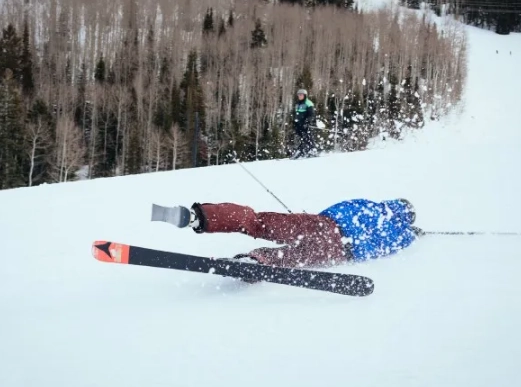
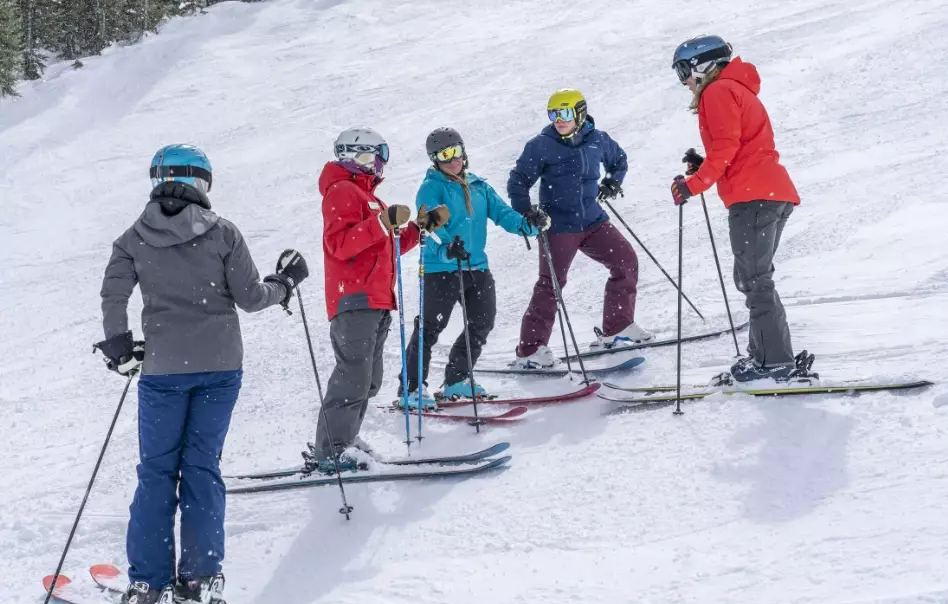
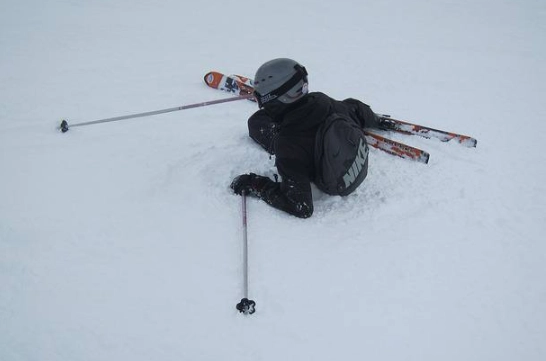
You're not a real skier until you've spent a few minutes flailing in the snow like an overturned turtle. It happens to everyone. But here's the thing most guides don't tell you: how you recover from a fall is often more important than the fall itself. A bad recovery can lead to another fall, wasted energy, frustration, or even injury. I've taught enough friends to ski to see the same mistakes over and over. This isn't just about standing up; it's about doing it efficiently, safely, and in a way that sets you up for your next turn with confidence.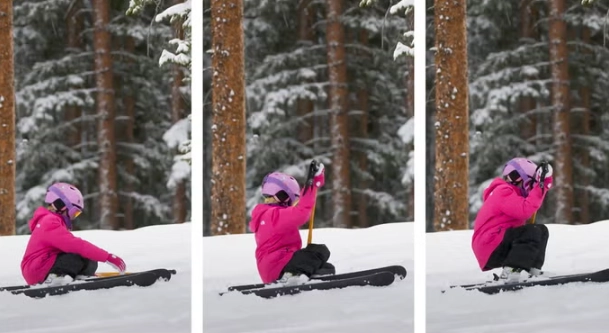
What's Inside This Guide
- Why Getting Up Right Matters More Than You Think
- The Step-by-Step Basics: Flat Ground Technique
- The Real Challenge: Getting Up on a Steep Slope
- What You're Probably Doing Wrong (And How to Fix It)
- Small Gear Tweaks That Make a Big Difference
- Staying Upright: Proactive Tips to Fall Less
- Your Ski Fall Recovery Questions, Answered
Why Getting Up Right Matters More Than You Think
Let's clear the air. Falling isn't a failure. It's feedback. But a chaotic, exhausting recovery? That can break your spirit for the day.
I remember watching a beginner on a green run. He fell, no big deal. Then he spent three minutes thrashing, getting more tangled, sweating through his layers, and finally sitting there defeated. By the time he got up, he was too tired and demoralized to continue. His day was effectively over after one simple fall.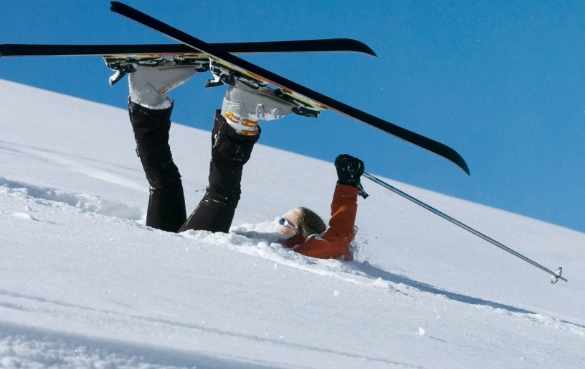
A smooth recovery does three things:
- Conserves Energy: Skiing is tiring enough. Don't waste your legs wrestling with the snow.
- Maintains Confidence: Getting up cleanly tells your brain, "I've got this." It's a mini-victory.
- Ensures Safety: A controlled get-up prevents you from sliding uncontrollably or getting in the way of others.
Master this, and falls become brief interruptions, not day-enders.
The Step-by-Step Basics: Flat Ground Technique
Start here, even on a slight incline. The goal is muscle memory.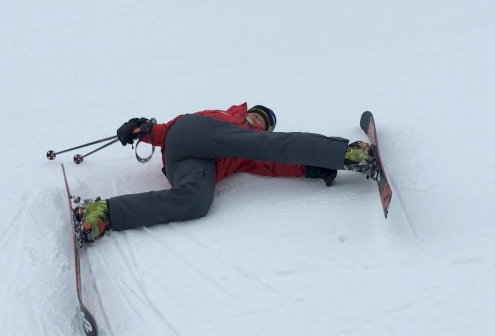
The Pole Plant and Roll Method
This is the gold standard taught by organizations like the Professional Ski Instructors of America (PSIA). Forget what you've seen in movies.
- Pause and Assess. Don't jump up. Are you hurt? Are your skis crossed? Take a breath.
- Get into Position. Roll onto your back so you're looking up at the sky. Bring your knees up toward your chest. Your skis should now be flat on the snow, parallel to each other and below you.
- Plant Your Poles. This is the critical step most mess up. Don't plant them beside you. Reach uphill (if on a slope) or behind your shoulders (if flat) and drive the pole baskets firmly into the snow, one in each hand, about shoulder-width apart. Your hands should be on the grips, not the shafts.
- The Roll and Push. In one fluid motion, use your core and arms to roll your upper body forward over your skis while pushing down with your hands. Your weight transfers from your back to your feet.
- Find Your Stance. As you come up, immediately get into a balanced, athletic stance—knees bent, hands forward. Don't stand straight up; stay in "ready" position.
Practice this on flat snow a few times. It feels awkward at first, then suddenly effortless.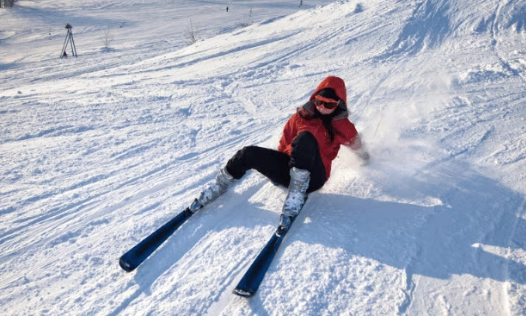
The Real Challenge: Getting Up on a Steep Slope
Here's where the real skill comes in. On a steep blue or black run, gravity is your enemy.
Method 1: The Crab Walk (For Moderate to Steep Slopes)
This is your go-to when the "roll and plant" feels impossible because you keep sliding.
- Stop the Slide. First, dig your edges in or orient your body so you're not moving. If you're sliding, nothing else works.
- Get to Hands and Knees. Roll so your skis are pointing across the fall line (horizontal to the slope) and below you. Get onto your hands and knees, facing across the slope or slightly uphill.
- Walk Your Hands Uphill. While keeping your skis planted across the hill, carefully "walk" your hands uphill, one after the other. Use your poles, planted uphill, for extra stability.
- Stand Up Carefully. Once your body is more upright, push through your legs while keeping your weight centered over your skis. Don't lunge forward.
Method 2: The Ski-Off Reset (For Very Steep or Icy Terrain)
Sometimes, the safest and fastest option is to take the skis off. There's no shame in this. It's what many experts do in tricky situations.
- Secure Your Position. Make sure you won't slide. Dig your skis or boots into the snow.
- Remove Skis Safely. Clear snow from your bindings and pop them off. Place the skis together, bases facing each other, and push them vertically into the snow uphill from you (so they don't slide away).
- Stand Up. Without long planks on your feet, standing is simple.
- Re-attach. Put your skis back on carefully, ensuring boots are clear of ice. This method resets everything and is often quicker than a five-minute struggle.
What You're Probably Doing Wrong (And How to Fix It)
After a decade on the slopes, I've seen these errors a thousand times. Avoiding them cuts your recovery time in half.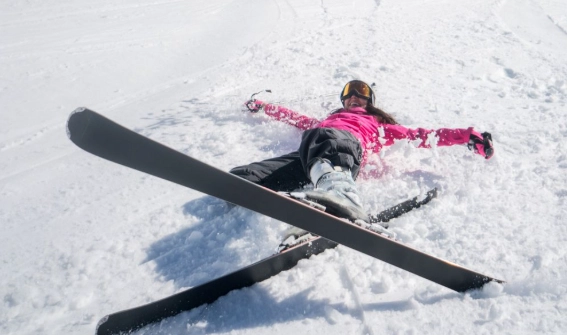
| The Mistake | Why It's a Problem | The Fix |
|---|---|---|
| Using poles to push up from seated | Puts huge stress on wrists/shoulders. Poles slip, causing a second fall. This is the #1 error. | Poles are for stability, not leverage. Always plant them firmly behind you before rolling forward. |
| Trying to stand with skis pointing downhill | The instant you put weight on them, they'll shoot forward, and you'll fall again. | Always get your skis across the hill (perpendicular to the fall line) before attempting to stand. |
| Looking down at your skis | Throws your weight forward, destroying balance. You'll tip over as soon as you're up. | Pick a spot 20 feet down the slope and look at it as you stand. Your head leads, body follows. |
| Not checking binding function post-fall | A binding that didn't release or re-engaged poorly could fail next time. | After a hard fall, step out and back into your bindings to ensure they are fully locked and functional. |
Small Gear Tweaks That Make a Big Difference
Your equipment can be a hidden culprit in difficult recoveries.
Bindings: This is huge. If your DIN (release tension) setting is too high for your weight/ability, your skis won't release when they should, potentially twisting your knee. Too low, and they'll pop off when you don't want them to. Get them set by a certified shop. Also, check the forward pressure indicator. If it's off, the ski won't respond properly when you try to edge it to stop a slide.
Pole Straps: In a fall, loose straps can get tangled. Many advanced skiers don't use them in deep powder or trees for this reason. For beginners, make sure the strap is worn correctly—under the glove strap, not over—so you can easily drop the pole if needed.
Boots: If your boots are too loose, you lose precise control over your skis when trying to maneuver them into position. Buckle up snugly, especially the lower two buckles over your foot and ankle.
Staying Upright: Proactive Tips to Fall Less
The best recovery is the one you don't need. Focus on these fundamentals.
- Stay in Your Lanes: Don't let ego push you onto terrain far above your ability. Most falls happen when you're scared and tense.
- Look Ahead, Not Down: Your skis go where your eyes go. Look 20-30 feet down the run at where you want to be, not at your tips.
- Keep Your Hands Forward: Imagine you're carrying a tray of drinks in front of you. This keeps your weight centered and ready to react.
- Bend Your Ankles, Knees, and Hips: A tall, stiff stance is a falling stance. Get low and athletic.
- Practice Falling on Purpose: Seriously. On a soft, gentle slope, practice falling sideways and using the recovery techniques. It removes the fear and builds the muscle memory.
Your Ski Fall Recovery Questions, Answered
Falling is part of skiing. But getting stuck shouldn't be. With these techniques, you'll spend less time in the snow and more time enjoying the ride down. Now go practice that roll on a soft patch—you'll thank yourself later.