I stood in a rental shop in Chamonix, my feet screaming inside a pair of plastic boots that felt like medieval torture devices. The skis were fine, I guess. But that experience, paired with the $250 receipt for a five-day trip, got me thinking. Was I throwing money away? The next season, I bought boots fitted by a master bootfitter. The difference was night and day. But then came the summer storage hassle and the upfront sting of $800. So, which path is right?
Let's cut to the chase: there's no universal right answer. Anyone who tells you "always rent" or "always buy" is oversimplifying. The real answer lives in the messy intersection of your skiing frequency, budget, personal preferences, and even your tolerance for hassle. This guide won't give you a yes or no. It will give you the framework to decide for yourself.
Your Quick Guide to the Rent vs. Buy Debate
Rent vs. Buy: A Quick Side-by-Side Look
Before we dive into the nitty-gritty, here's the high-level view. This table sums up the core trade-offs.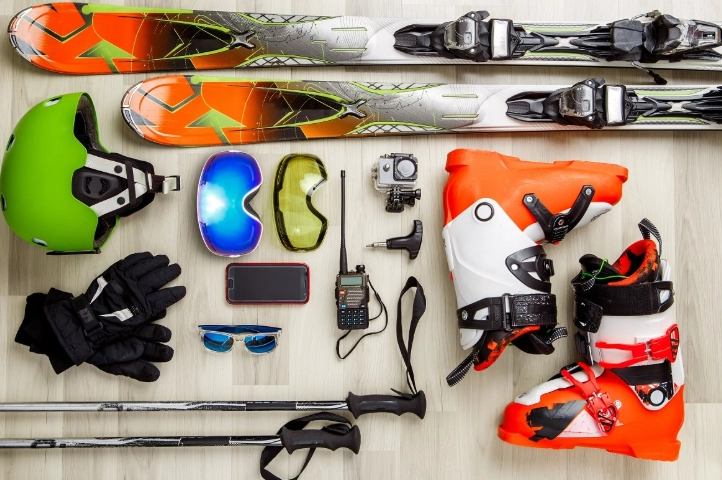
| Aspect | Renting Ski Gear | Buying Ski Gear |
|---|---|---|
| Upfront Cost | Low. You pay per day/trip. | High. A full setup can cost $1,000+. |
| Long-Term Cost | High if you ski regularly. Costs recur forever. | Lower over 5+ years. One-time major outlay. |
| Convenience | High for travel. No transport or storage woes. | Low. You haul, store, and maintain everything. |
| Performance & Fit | Variable. Basic packages offer generic fit. Premium rentals are better. | Optimal. Gear is tuned to you, your style, and your local snow. |
| Flexibility | High. Try new tech or switch between skis and boards. | Low. You're committed to your equipment. |
| Hassle Factor | Pick-up/return lines, potential for poor fits. | Annual tuning, waxing, summer storage, transport. |
See the tension? Renting is easy on logistics but hard on your wallet over time and a gamble on comfort. Buying demands commitment and cash upfront but pays off in performance and long-term savings. Let's put real numbers to this.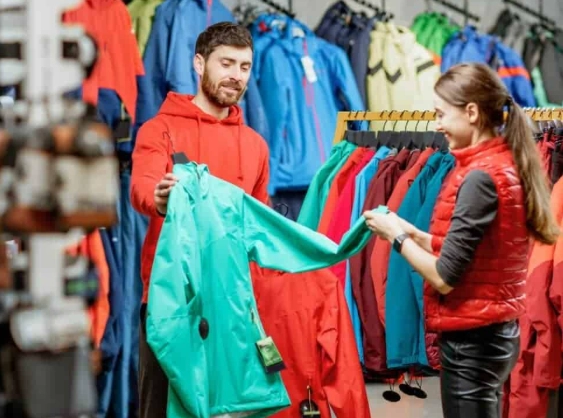
The Real Math: Crunching the Numbers
Everyone talks about cost, but few do the actual math. Let's use a realistic mid-range scenario. We'll assume a decent adult setup: skis, bindings, boots, and poles.
Cost to Buy (New): ~$1,200 - $1,800. Breakdown: Skis/Bindings ($600-$1000), Boots ($400-$700), Poles ($50-$100). Add $50-$100/year for tuning/waxing.
Cost to Rent (On-Mountain Premium): ~$50 - $70 per day. Demo/performance rentals can hit $80-$100/day. Basic packages start around $30-$40.
When Does Buying Become Cheaper?
This is the golden question. Let's create a simple break-even model.
Assume you buy gear for $1,500. It lasts you 5 seasons (a conservative estimate for a casual skier). Annual maintenance is $75. Total 5-year cost: $1,500 + ($75 x 5) = $1,875.
Now, renting. If you ski 7 days a season at $60/day, your annual rental cost is $420. Over 5 seasons: $420 x 5 = $2,100.
In this scenario, buying is already cheaper after 5 years. And you own an asset. If you ski more days per season, the break-even point comes much faster. At 10 days a year, buying beats renting in about 3 seasons.
The hidden cost of renting? The "premium" upgrade. That basic $35 package often means heavier skis and boots that haven't been heat-molded. To get gear that doesn't ruin your day, you frequently end up in the $55+ tier. That's the number you should use in your calculation.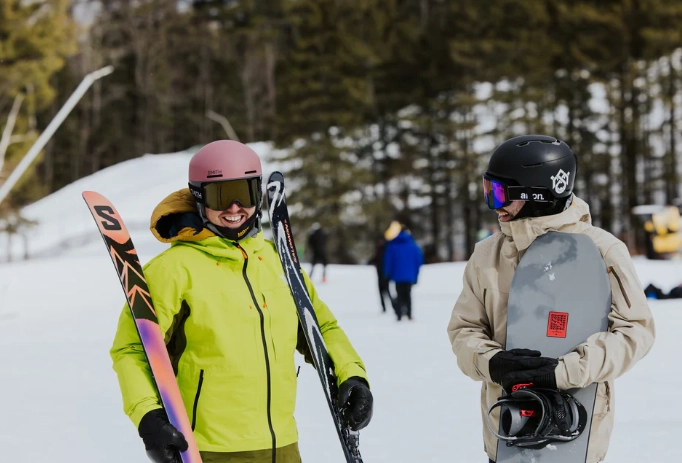
Who Should Definitely Rent Their Gear?
Buying isn't for everyone. If you fit into one of these groups, renting is almost certainly your smarter play.
- The Once-a-Year Vacation Skier: You fly to the Alps or Rockies for a week. The logistics of flying with skis are expensive and annoying. Renting at your destination is a no-brainer. Pro tip: Book online in advance for better rates and guaranteed availability.
- The Beginner or First-Timer: You don't know if you'll even like skiing. Don't invest thousands before you know. Rent for your first few trips. Your preferences (ski length, flex, boot fit) will change dramatically as you learn.
- The Gear Experimenter: You love trying the latest shape or technology. Renting demos lets you ski different models each day. It's like a test drive. I know advanced skiers who rent demos on trip one to decide what to buy for the rest of the season.
- Kids Who Are Growing Like Weeds: This is the biggest rental win. A child can outgrow boots and skis in a single season. The seasonal rental programs offered by many shops are fantastic—they swap out gear as needed for one flat fee.
Who Should Seriously Consider Buying?
If the rental crowd is defined by transience, the buying crowd is defined by commitment and frequency.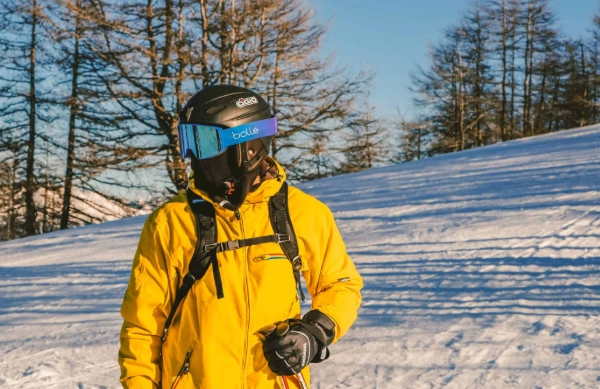
- The Local or Frequent Skier: You hit your home mountain 15+ days a winter. The break-even math works heavily in your favor. The convenience of having your gear ready to go is priceless.
- The Fit Fanatic (Especially for Boots): This is my hill to die on. Boots are 80% of your skiing experience. A professional bootfitting session—where they heat, punch, and customize the liner and shell for your foot—is transformative. No rental boot, even a premium one, will ever match this. If you have wide feet, high arches, or any foot peculiarity, buying boots is the first and best investment you can make. You can always rent skis.
- The Cost-Conscious Long-Term Planner: You see skiing as a lifelong hobby and are okay with the upfront hit to save money over a decade. Well-maintained gear can last 8-10 years for a recreational skier.
- The Used Gear Savant: The second-hand market is flooded with great gear. If you know what to look for, you can kit yourself out for 40-60% of retail. This drastically changes the break-even point. (Look for skis no older than 5-7 years, and never buy used boots unless they are the exact model/size you've been fitted for).
The Hidden Factor: Maintenance & Storage
This is the part buying advocates gloss over. Owning gear is a relationship.
Maintenance: Skis need edges sharpened and bases waxed. Do it yourself (initial investment in tools, time to learn) or pay a shop $50-$80 a season. Neglect this, and your performance plummets.
Storage: This is the silent killer. You need a cool, dry place. A damp basement or hot garage will delaminate skis and rot boot liners. I keep mine in a ski bag in a closet, with a moisture absorber tucked in. It's a small but constant spatial tax.
Transport: Driving to the hill? You need a roof rack, ski box, or enough interior space. This is an added cost and hassle versus hopping on a shuttle with just your boots.
When you rent, you hand all this back at 4 PM. When you buy, it's yours to care for 365 days a year. That mental load has value.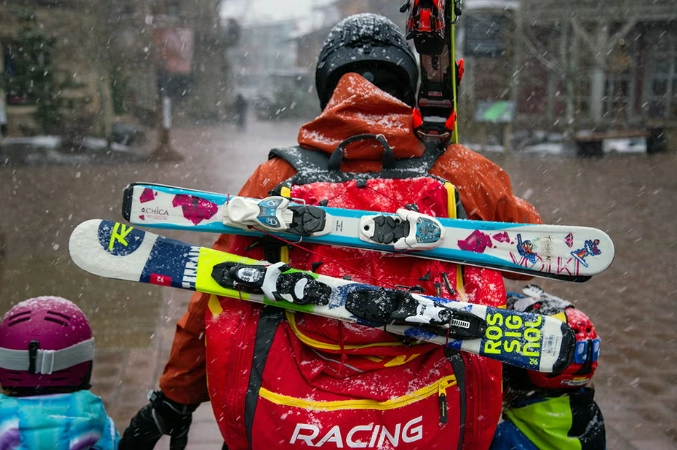
Your Burning Questions, Answered
I'm an intermediate skier planning two one-week trips a year. What's the best approach?
This is the grey zone. Do the math: 14 days of premium rental at $65/day = $910 per season. Over two seasons, you've almost paid for a full setup. My advice? Consider a hybrid model. Invest in your own boots for guaranteed comfort and performance—this is non-negotiable for enjoyment. Then, rent performance skis on each trip. You get the critical fit benefit of ownership without the ski transport hassle, and you can try different skis suited to each destination's conditions.
Is it worth buying gear for my children, or should we always rent?
For young, rapidly-growing children, seasonal rental programs are unbeatable. For a fixed fee (often less than the cost of buying one set of gear), the shop will size them up correctly at the start of the season and usually allow a mid-season swap if they shoot up. For teenagers who have slowed growing and ski frequently, buying starts to make sense. Look for quality used gear or end-of-season sales.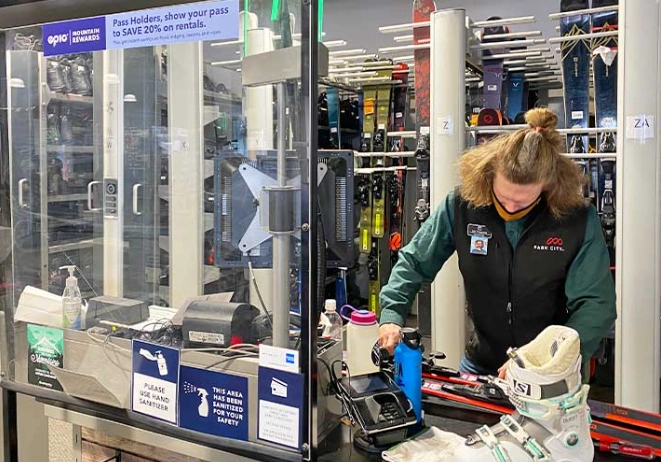
What's the one mistake people make when comparing rent vs. buy costs?
They compare the cost of buying new, top-end gear to the cost of renting the basic package. That's not a fair fight. Compare mid-tier buying costs to premium rental costs. Also, they forget the resale value. A $1,000 ski setup, if cared for, might sell for $300 in five years, effectively lowering your total cost of ownership. That rental money is 100% gone.
How does renting vs. buying impact sustainability?
This is a growing consideration. Renting promotes a circular economy—one set of gear is used by dozens of people over its lifespan, maximizing resource efficiency. Buying new gear has a higher initial environmental footprint from manufacturing. The most sustainable option? Buying high-quality used gear and maintaining it for a long, long time. After that, renting from a shop with a robust maintenance program is better than buying cheap, disposable gear you'll replace often.
I hate rental shop lines and uncertainty. Any tips if I do rent?
Absolutely. First, book online, in advance. It's cheaper and reserves your gear. Second, pick up your gear the night before you ski. Most shops offer this, and you avoid the 8 AM rush. Third, bring your own helmet and goggles (or buy them). They are personal items for hygiene and fit, and renting them is rarely ideal. Finally, if the boots hurt when you try them on in the shop, they will be agony on the mountain. Don't be shy—ask for a different pair or size.
The rent vs. buy decision isn't a permanent verdict. It's a choice you can revisit each season as your life, skills, and budget change. Start by being brutally honest about how many days you'll actually ski. Then, prioritize comfort—your feet will thank you. The rest is just arithmetic and your personal tolerance for hassle.